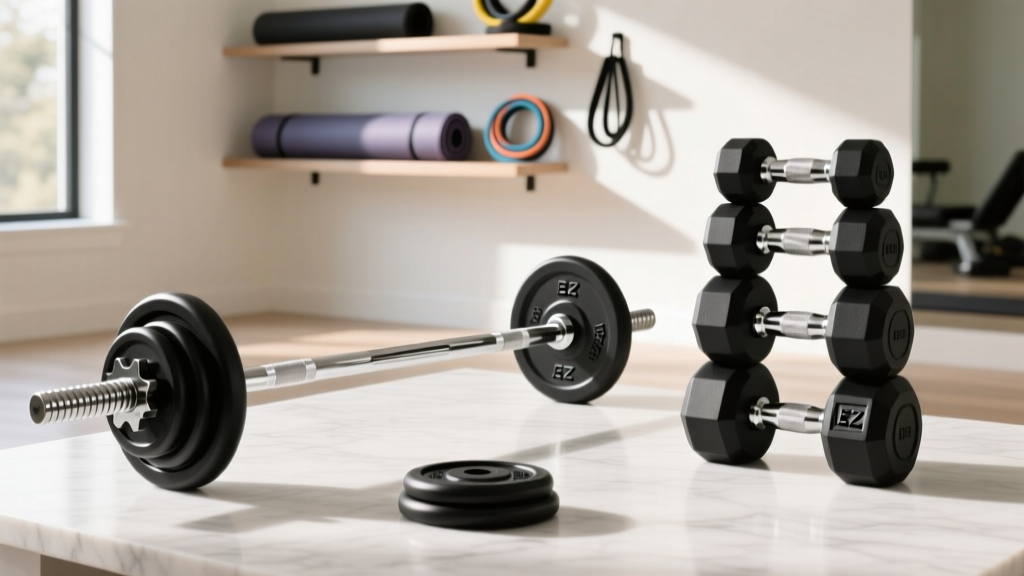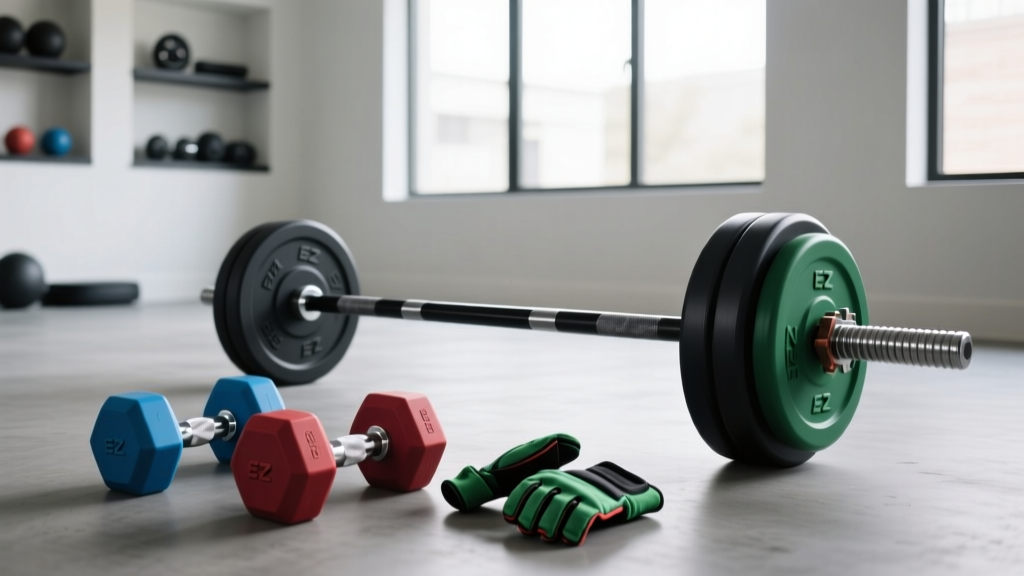
EZ vs Straight Bar Comparison & Dumbbell Pull Exercises Care
Compare EZ curl bar vs straight bar longevity. Learn maintenance tips for pulling implements and dumbbell pull exercises to prevent rust and sleeve wear.

The Biomechanics of Pulling and Steel Stress
Building a resilient home gym requires more than just purchasing heavy iron; it demands an understanding of how different implements handle mechanical stress over time. When athletes analyze their pulling arsenal, the EZ curl bar vs straight bar comparison usually centers on wrist ergonomics during curls. However, from a maintenance and longevity perspective, the differences become far more pronounced during heavy pulling movements like bent-over rows, Pendlay rows, and pullovers. According to ExRx.net's biomechanical breakdown of bent-over pulls, the torque generated during heavy rowing places asymmetric stress on the barbell shaft and sleeves, especially if the implement features angled bends.
While many lifters alternate barbell rows with dumbbell pull exercises (such as single-arm heavy rows or renegade pulls) to isolate unilateral imbalances, the steel in your hands requires specific, tailored maintenance. A standard 20kg Olympic straight bar (like the Rogue Ohio Bar, typically retailing around $295) features a continuous, uniform shaft with a 190,000 PSI yield strength. In contrast, a standard EZ curl bar (such as the CAP Barbell OB-85CB, around $45-$60) features offset bends that create micro-torsional stress points on the sleeves when loaded heavily for rows. Understanding these structural nuances is the first step in maximizing the lifespan of your free weights.
Knurling Degradation: EZ Bar vs. Straight Bar
Knurling is the diamond-patterned machining cut into the steel shaft to provide grip. During intense pulling sessions, your hands deposit sweat, dead skin, and gym chalk deep into these microscopic grooves. Sweat contains sodium chloride, which accelerates oxidation (rust) in carbon steel. The geometry of the bar dictates how this debris accumulates.
- Straight Bars: Feature continuous knurling (often with a center knurl for squats). Debris is distributed evenly, making it relatively easy to sweep out with a nylon brush along the linear grain.
- EZ Curl Bars: The knurling is segmented by smooth, angled bends. These transitions act as debris traps. Chalk and skin cells compact heavily in the inner corners of the 30-degree and 45-degree bends, creating localized moisture pockets that lead to pitting and rust if ignored.
Knurling Maintenance Comparison Matrix
| Implement | Primary Debris Trap | Recommended Brush | Cleaning Frequency | Solvent / Oil |
|---|---|---|---|---|
| Olympic Straight Bar | Center knurl & sleeve seams | Stiff Nylon Bristle | Weekly | 3-IN-ONE Multi-Purpose Oil |
| Standard EZ Curl Bar | Inner angled bend corners | Brass Wire (for bare steel only) | Bi-Weekly | Mineral Oil or Barbell Wipes |
| Dumbbells (for pull exercises) | Handle base & rubber hex seams | Medium Nylon Bristle | Post-Workout | Microfiber + Light WD-40 Specialist |
Sleeve Torque and Bushing Wear in Pulling Movements
When executing heavy barbell shrugs, upright rows, or transitioning between pulling variations, the sleeves of the barbell must rotate freely to dissipate rotational kinetic energy. This is where the internal anatomy of your bars dictates their lifespan. High-end straight Olympic bars utilize needle bearings or high-quality Oilite bronze bushings that allow the sleeve to spin independently of the shaft.
Conversely, budget-friendly EZ curl bars often use cheap composite or low-grade brass bushings. When you load an EZ bar with 45-pound plates for heavy bent-over rows, the asymmetrical grip width forces uneven lateral pressure against the sleeve ends. Over a 12-month training cycle, this lateral friction can grind down inferior bushings, resulting in a 'gritty' sleeve rotation and eventual metal-on-metal squeaking. To prevent this, apply a few drops of synthetic bearing oil (like Tri-Flow Superior Lubricant) directly into the sleeve seam every 90 days. Never use standard WD-40, as it is a solvent that will strip existing lubrication and attract dust.
Cross-Training Care: Dumbbell Pull Exercises
A well-rounded back day rarely relies on barbells alone. Incorporating dumbbell pull exercises is essential for targeting the latissimus dorsi and rhomboids through a full range of motion. However, the maintenance protocol for dumbbells used in heavy pulling differs significantly from barbells.
Expert Insight: When performing heavy single-arm dumbbell rows, lifters frequently 'rack' the dumbbell by dropping it onto the uprights of a power rack or letting it swing into the knurled shaft of a resting barbell. This metal-on-metal impact chips chrome and zinc coatings, exposing raw carbon steel to humidity. Always control the eccentric portion of your dumbbell pull exercises and place the weight gently on rubber matting or designated dumbbell saddles.
Furthermore, rubber-coated hex dumbbells (like those from Rep Fitness or Titan Fitness) require specific care. The rubber casing can trap sweat at the seam where the steel handle meets the hex head. If left unchecked, the handle will rust from the inside out, eventually compromising the structural integrity of the press-fit or bolted assembly. Wipe down dumbbell handles immediately after high-rep pull exercises using a microfiber towel lightly dampened with a 50/50 water and white vinegar solution to neutralize sweat acids.
The 15-Minute Weekly Maintenance Protocol
To ensure your straight bars, EZ bars, and dumbbells survive years of heavy pulling, implement this strict weekly routine:
- Dry Brush (3 Mins): Use a stiff nylon brush to scrub the knurling of all straight bars and EZ bars. Brush diagonally across the diamond pattern to dislodge compacted chalk and dead skin.
- Solvent Wipe (5 Mins): Spray a microfiber towel with a dedicated barbell cleaner or a mild degreaser. Wipe down the shafts, paying special attention to the angled bends of the EZ curl bar and the handle seams of your dumbbells.
- Lubrication (5 Mins): Apply 3 to 4 drops of 3-IN-ONE oil or mineral oil onto a clean cloth and rub it deeply into the knurling of your straight bars. For EZ bars, use a cotton swab to apply oil into the tight inner corners of the bends.
- Sleeve Check (2 Mins): Spin the sleeves of your Olympic straight bars. If you hear grinding or feel resistance, apply two drops of synthetic bearing oil to the bushing seam.
Longevity Matrix: Material Coatings Compared
The coating on your pulling implements is the first line of defense against oxidation. As of 2026, manufacturing standards for barbell and dumbbell coatings have evolved significantly. When comparing an EZ curl bar to a straight bar, you will often find they utilize entirely different finishing processes due to the complexity of machining angled bends.
According to equipment standards highlighted by the National Strength and Conditioning Association (NSCA), proper environmental control and coating selection are paramount for facility equipment longevity. Here is how common coatings hold up to the rigors of heavy pulling:
- Bare Carbon Steel: Offers the best grip but requires weekly oiling. Common in premium straight bars (e.g., Rogue Ohio Power Bar). Highly susceptible to rust from sweat during high-volume dumbbell pull exercises or barbell rows.
- Hard Chrome: The industry standard for mid-tier EZ curl bars and dumbbells. Resists rust well but can chip if dropped during heavy renegade rows. Once chipped, rust will spread under the coating.
- Black Zinc: Provides a sleek look but wears down quickly in the knurling grooves. Within 12 months of heavy pulling, the knurl will turn silver, while the smooth bends remain black, creating an uneven aesthetic and varying friction points.
- Cerakote (Ceramic-Polymer): The gold standard for 2026. Originally designed for firearms, Cerakote offers immense abrasion resistance and does not chip easily when dumbbells or barbells are dropped. It is increasingly available on premium EZ curl bars and straight bars, though it commands a $50 to $100 price premium.
Final Thoughts on Arsenal Integration
Ultimately, the choice between an EZ curl bar and a straight bar for your pulling movements comes down to your specific biomechanical needs and your willingness to maintain the equipment. Straight bars offer superior structural integrity, uniform knurling, and better sleeve rotation for heavy, symmetrical pulls. EZ bars provide wrist relief for specific isolation movements but demand meticulous, targeted cleaning in their angled bends to prevent localized corrosion.
By integrating a strict maintenance protocol and respecting the mechanical limits of your implements, you ensure that whether you are loading up a 400-pound barbell row or executing high-rep dumbbell pull exercises, your gear will perform flawlessly for decades. For more in-depth analyses on free weight manufacturing and barbell specifications, always consult direct manufacturer testing data to verify yield strengths and bushing materials before making your next equipment investment.
More gear to consider
All reviews
Power Rack vs Squat Stand: Mistakes & Women's Dumbbell Workout Arms
Rubber Hex vs Urethane: Best Pull Up Alternative Dumbbell
Cast Iron vs Competition Kettlebells: Dumbbell Overhead Triceps Zones

Single Dumbbell Skull Crushers: Complete Setup Guide for Neoprene Home Gyms
Olympic vs Standard Plates: Setup & Dumbbell Supinated Curl Guide