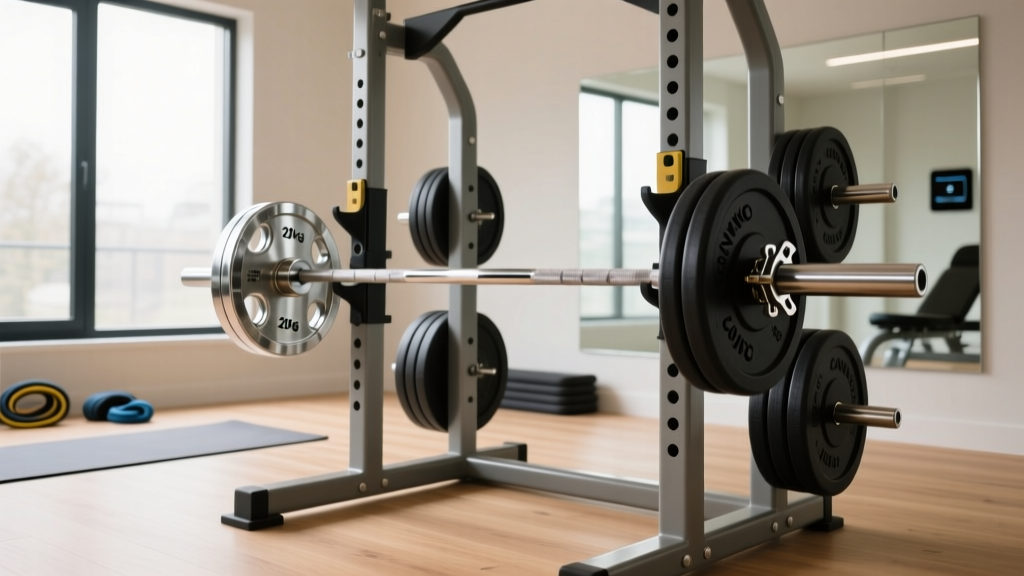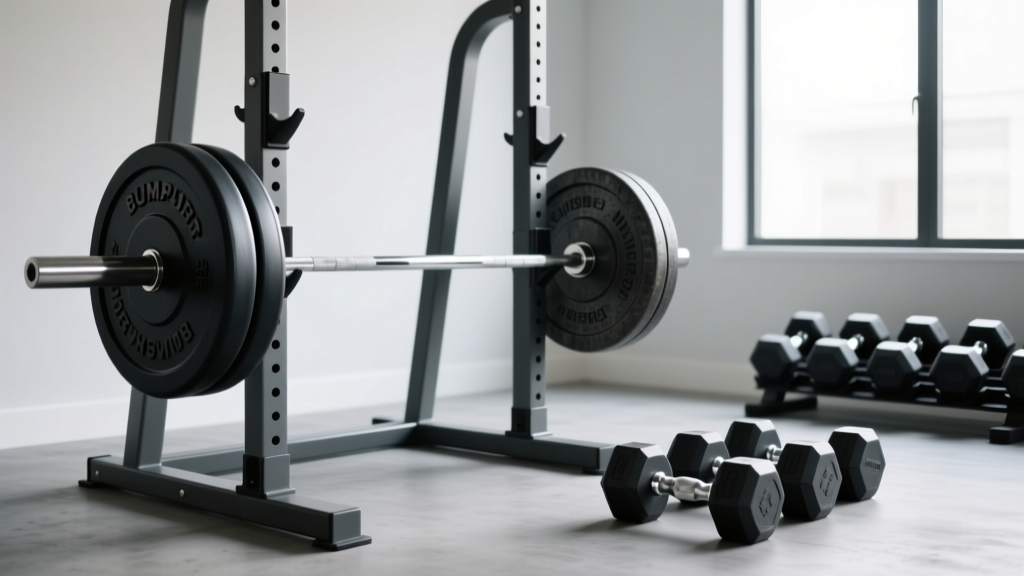
Beyond Exercises with Dumbbells: Bumper vs Iron Plate Maintenance
Transitioning from exercises with dumbbells to barbells? Compare bumper vs iron plates and learn expert maintenance tips to maximize equipment longevity.

While mastering foundational exercises with dumbbells builds crucial stabilizer strength and unilateral balance, progressing to heavy barbell compounds like deadlifts, Olympic lifts, and power cleans requires a serious investment in weight plates. As you transition your home or commercial gym from a dumbbell-centric setup to a full barbell rig, you will face the ultimate equipment decision: bumper plates versus cast iron plates. Beyond the initial purchase price, the true cost of ownership lies in maintenance, degradation rates, and environmental vulnerabilities.
In 2026, manufacturing standards for both rubberized and machined iron plates have evolved, but the fundamental material sciences dictate entirely different care protocols. This guide provides a deep-dive comparison of bumper versus iron plates, focusing strictly on maintenance care, failure modes, and actionable longevity strategies to protect your investment.
Material Science and Core Failure Modes
Before applying maintenance routines, you must understand how these plates fail. Bumper plates and iron plates degrade through completely different mechanical and chemical pathways.
Bumper Plates: Elastomer Fatigue and Hub Separation
Bumper plates are constructed from virgin rubber or high-density urethane, rated on the Shore A durometer scale. Premium competition bumpers typically sit between 85 and 90 Shore A, providing a dead bounce. The primary failure mode is not the rubber itself, but the steel hub insert. Repeated high-impact drops create shear forces that can loosen the hub from the elastomer matrix, leading to a "spinning hub" or catastrophic tearing of the surrounding rubber.
Cast Iron Plates: Oxidation and Calibration Drift
Cast iron and machined steel plates fail via oxidation (rust) and physical chipping. Unlike the porous nature of standard cast iron, machined steel plates (often coated in zinc or chrome) resist surface rust but are susceptible to edge chipping if slammed against metal rack uprights. Furthermore, aggressive wire-brushing to remove rust can alter the plate's mass, causing calibration drift over a decade of use.
Bumper Plate Maintenance: Care and Edge Cases
Bumper plates are often marketed as "maintenance-free," which is a dangerous misconception. While they do not rust, they require strict mechanical and environmental oversight.
⚠️ The Light Bumper Drop Warning:Never drop a barbell loaded only with 10 lb or 15 lb bumper plates. The surface-area-to-weight ratio is too high, causing the plate to fold inward (taco-ing) upon impact. This permanently deforms the steel hub and voids the manufacturer warranty. Always ensure at least 45 lbs of total weight is on the bar when dropping from overhead.
Routine Hub Tightening
For multi-piece bumpers like the highly popular Rogue HG 2.0 Bumpers, the steel hub is secured by a central bolt. Every six months, use a 10mm hex key to check the torque on this bolt. If the hub exhibits lateral play, remove the bolt, clean the threads with a wire brush, apply a single drop of blue Loctite (threadlocker 242), and re-torque to the manufacturer's specification (usually around 40-50 Nm).
UV and Ozone Degradation
If your gym features large windows or outdoor training spaces, UV exposure is the enemy of rubber. Ultraviolet light breaks down the polymer chains in virgin rubber, causing "dry rot" and chalky surface flaking. Urethane bumpers, such as those from REP Fitness, offer superior UV resistance but still require occasional wiping with a damp microfiber cloth and a mild, non-bleach dish soap solution to remove acidic sweat residue that accelerates elastomer breakdown.
Iron Plate Maintenance: Rust Prevention and Storage
Iron plates demand a proactive chemical and physical maintenance routine. The porous nature of cast iron makes it a sponge for ambient moisture and corrosive gym chalk (magnesium carbonate).
The Chalk and Moisture Trap
Gym chalk is highly hygroscopic—it pulls moisture from the air. When chalk dust settles into the crevices of textured cast iron plates, it holds that moisture directly against the bare metal, accelerating galvanic corrosion.
- Weekly: Use a stiff nylon-bristle brush to aggressively sweep chalk out of the plate ridges and lettering.
- Monthly: Wipe plates down with a dry, lint-free cloth.
- Annually: Apply a microscopically thin coat of 3-IN-ONE silicone spray or food-grade mineral oil. Never use standard WD-40, as it is a solvent that strips existing protective oils and leaves a residue that attracts dust and moisture.
Calibration and Edge Protection
According to equipment guides by BarBend, machined iron and steel plates are prized for their weight accuracy, often calibrated to within 1% of their stated weight. To protect these precise edges from chipping during heavy deadlifts or rack pulls, always use rubber-padded rack uprights or UHMW plastic liner sleeves on your power rack. If a machined steel plate chips, the exposed raw steel will immediately begin to oxidize and must be touched up with cold-zinc galvanizing compound.
Longevity Comparison Matrix
Understanding the lifecycle and upkeep requirements of each plate type is critical for budgeting and facility management. Below is a 2026 market comparison based on standard commercial and home gym usage.
| Feature | Premium Bumper Plates (Rubber/Urethane) | Cast Iron / Machined Steel Plates |
|---|---|---|
| Average Cost (per lb) | $3.50 - $5.00 | $1.80 - $4.50 |
| Primary Failure Mode | Hub separation, rubber tearing, dry rot | Oxidation (rust), edge chipping |
| Routine Maintenance | Hub bolt torquing (6 months), soap wiping | Chalk brushing, oiling/silicone coating |
| Environmental Vulnerability | Extreme cold (cracking), UV light, ozone | High humidity (>60% RH), sweat, salt air |
| Expected Lifespan | 7 - 12 Years (Heavy dropping) | 30+ Years (Generational) |
Environmental Control: The Hidden Variable
Whether you choose the dead-bounce of urethane bumpers or the classic clank of Eleiko cast iron plates, your gym's HVAC parameters dictate equipment lifespan.
💡 Optimal Climate Parameters for Free Weights:Maintain your training space between 65°F and 72°F (18°C - 22°C) with a Relative Humidity (RH) strictly below 50%. Humidity levels consistently above 60% will cause bare cast iron to flash-rust within 48 hours, while extreme temperature fluctuations can cause the steel hubs in bumper plates to expand and contract independently of the rubber, weakening the bond.
Furthermore, consider your flooring. Dropping iron plates directly onto bare concrete will shatter the plates and the floor. While bumper plates are designed for impact, dropping them on rough, unfinished concrete will act like sandpaper, grinding away the outer rubber lip over time. Always utilize 3/8-inch or 1/2-inch vulcanized rubber horse stall mats or dedicated high-density lifting platforms to absorb kinetic energy and protect the structural integrity of your plates.
Expert Troubleshooting: Fixing Common Degradation
Even with meticulous care, wear and tear occurs. Here is how to address the most common plate issues without resorting to immediate replacement.
1. The "Spinning" Bumper Hub
Symptom: The metal center insert spins freely when you try to load the plate onto the barbell sleeve.
Fix: If the hub is bolted, tighten it immediately. If the hub is pressed-in and has spun, the rubber matrix is torn. You can temporarily salvage the plate by injecting a two-part marine-grade epoxy (like 3M Marine Adhesive Sealant 5200) into the gap between the steel hub and the rubber. Let it cure for 48 hours before use. Note: This is a stopgap; the plate is no longer safe for overhead drops.
2. Surface Pitting on Cast Iron
Symptom: Deep, rough craters of rust on the face of the plate.
Fix: Do not use a steel wire wheel on a power drill, as this will remove healthy metal and ruin the plate's calibration. Instead, soak the affected area in white vinegar for 2-4 hours to dissolve the iron oxide. Scrub with a brass-bristle brush (brass is softer than iron and won't damage the healthy metal). Neutralize the acid with a baking soda and water paste, dry completely with a heat gun, and seal with a spray-on clear polyurethane or cold-bluing solution.
3. Bumper Plate "Taco" Memory
Symptom: Lighter bumper plates (10lb/15lb) remain slightly warped after being dropped.
Fix: Lay the warped plates flat on a heated indoor floor (over a radiant heating mat or in direct, warm sunlight for no more than 2 hours). The mild heat will soften the elastomer just enough to allow the plate to relax back into its flat, molded shape. Stack them flat with a heavy 45lb plate on top while they cool to reset the rubber's memory.
Final Thoughts on Progression and Investment
Moving from isolated exercises with dumbbells to high-impact barbell training is a major milestone in any lifter's journey. Your choice between bumper and iron plates should not be based solely on aesthetics or initial price, but on how you train and the environment you train in. If your programming involves Olympic weightlifting or high-rep CrossFit-style dropping, invest in high-durometer urethane bumpers and commit to bi-annual hub inspections. If your focus is powerlifting, bodybuilding, or controlled strength work, machined iron plates offer a generational lifespan, provided you respect the chemistry of oxidation and maintain a strict anti-rust protocol. By matching the right material to your maintenance capacity, you ensure your equipment outlasts your fitness goals.
More gear to consider
All reviews
Optimizing Gym Space: Rubber Hex vs Urethane & 1lb Dumbbell Storage

Bumper vs Iron Plates: Trends & Dumbbell Side Bend Muscles Worked
Best Adjustable Dumbbells & Top Dumbbell Exercises for Bat Wings

Build Muscle Mass with Dumbbells: Rubber Hex vs Urethane Review
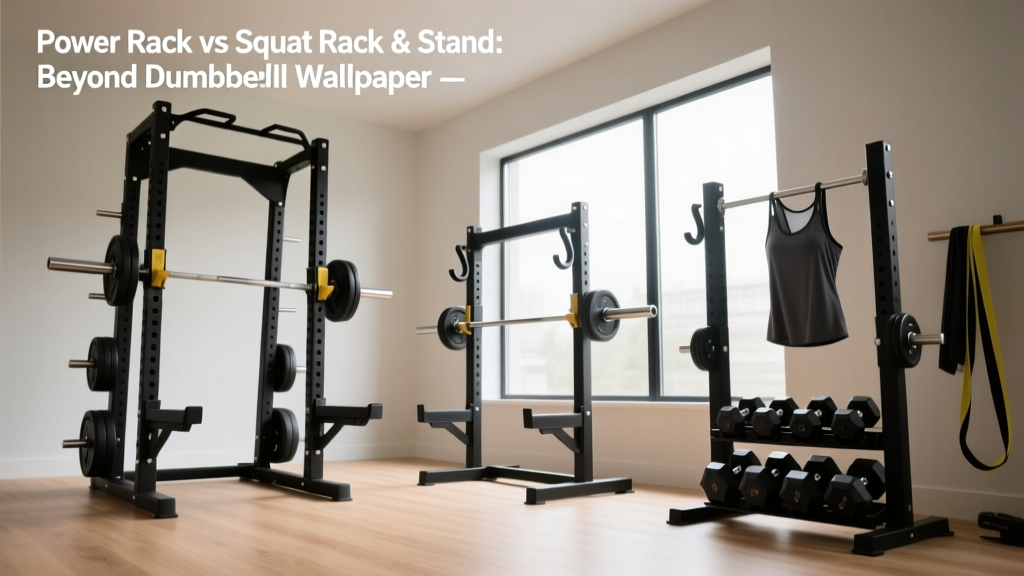
Power Rack vs Squat Rack vs Stand: Beyond Dumbbell Wallpaper