
Bumper vs Iron Plate Care: Surviving Dumbbell Lateral Pulls & Drops
Discover essential maintenance tips for bumper vs iron plates. Learn how to prevent rust, protect inserts, and extend gear life during heavy drops.

The Material Science of Free Weight Degradation
Building a resilient home gym requires looking past the initial purchase price and evaluating the long-term maintenance of your equipment. In 2026, the debate between cast iron and bumper plates is no longer just about noise reduction or Olympic lifting compatibility; it is fundamentally a question of material science, environmental exposure, and long-term care. Whether you are outfitting a commercial facility or a humidity-prone garage gym, understanding the specific failure modes of weight plates is critical for maximizing your investment.
According to comprehensive equipment analyses by Garage Gym Reviews, the lifespan of a weight plate is dictated by its material composition and how it interacts with the floor, the barbell sleeve, and the surrounding environment. Cast iron relies on protective enamel coatings, while bumper plates depend on rubber vulcanization and steel center hubs. Each requires a distinctly different maintenance protocol.
Cast Iron and the Enamel Vulnerability
Traditional cast iron plates, such as the iconic York Legacy series or modern Rogue Deep Dish plates, are typically finished with a baked enamel or hammertone powder coat. This coating is the only barrier between the raw iron and atmospheric oxygen. The primary failure mode for iron plates is enamel spalling. When plates are dropped, dragged, or slammed together, microscopic chips form in the finish. Once the raw iron is exposed, oxidation begins immediately, leading to surface rust that can quickly degrade into deep pitting if left untreated.
Bumper Plates: Rubber Durometer and Hub Blowouts
Bumper plates eliminate the rust problem but introduce entirely new mechanical vulnerabilities. Manufactured from either virgin rubber or recycled crumb rubber, bumpers are rated on the Shore A durometer scale. Competition plates (like Eleiko or Urethane-coated options) often sit around 85-90 ShA, offering a dead bounce, while cheaper training plates are softer. The two main failure modes here are tacoing (where the plate bends in on itself like a taco after being dropped from a height and left resting on its edge) and hub blowout, where the steel center insert loosens and pops out due to repeated shock absorption.
The Transition Abuse Factor
Consider the fatigue of a complex superset: you finish heavy barbell deadlifts and immediately transition to a high-rep dumbbell lateral pull for rear deltoid isolation. In your exhausted state, you might carelessly drop the loaded barbell or drag plates across the floor to grab your dumbbells. This is where the bumper vs iron plate debate shifts from mere aesthetics to long-term maintenance. Dropping an iron plate during this transition chips the enamel and dents your flooring, initiating the rust cycle. A bumper plate absorbs this transitional abuse, protecting the floor and its own finish, provided you store it flat to prevent tacoing.
Head-to-Head Maintenance Matrix
To make an informed decision for your gym, you must weigh the ongoing maintenance costs against the initial capital expenditure. The table below breaks down the real-world ownership data for 2026.
| Feature | Cast Iron Plates | Virgin Rubber Bumpers | Crumb Rubber Bumpers |
|---|---|---|---|
| Avg Cost per Pound | $1.25 - $1.75 | $3.50 - $5.50 | $2.00 - $3.00 |
| Primary Failure Mode | Enamel chipping & rust | Steel hub blowout | Rubber tearing & flaking |
| Required Cleaning Agent | 3-in-One oil / Evapo-Rust | Mild soap & 303 Protectant | Damp microfiber only |
| Drop Tolerance | Low (Damages floor & plate) | Very High (Designed for drops) | High (But degrades over time) |
| Expected Lifespan | 50+ years (with rust care) | 10-15 years | 5-8 years |
Step-by-Step Longevity Protocols
As highlighted by the equipment experts at BarBend, neglecting your weight plates leads to degraded knurling on your barbells (from rust transfer) and compromised structural integrity. Implement these specific maintenance routines to extend the life of your gear.
Iron Plate Restoration and Prevention
If your cast iron plates have already begun to oxidize, do not simply paint over the rust. Follow this chemical restoration process:
- Initial Scrub: Use a brass-bristle wire brush (never steel, which can embed particles and cause worse rust) to remove loose, flaking enamel and surface oxidation.
- Chemical Bath: Submerge the rusted plates in a vat of Evapo-Rust for 12 to 24 hours. This chelating agent safely removes iron oxide without damaging the surrounding healthy metal or the remaining enamel.
- Neutralize and Dry: Rinse thoroughly with water, then immediately dry with compressed air or a heat gun to prevent flash rusting.
- Protective Sealing: Apply a thin coat of 3-in-One oil or a specialized paste wax (like Minwax) using a microfiber cloth. Buff off the excess. Repeat this oiling process every 6 months in humid environments.
Bumper Plate Preservation
Rubber requires protection from UV light, ozone, and extreme temperature fluctuations, which cause the vulcanized bonds to dry out and crack.
- Washing: Wipe down plates monthly with a solution of warm water and a few drops of mild dish soap. Avoid harsh chemical degreasers or bleach, which strip the rubber of its natural moisture.
- UV Protection: If your plates are stored near a window or in a garage with direct sunlight, apply 303 Aerospace Protectant quarterly. This acts as a sunscreen for the rubber, preventing the chalky, faded look and micro-cracking.
- Hub Inspection: Every 3 months, inspect the steel center insert. If you notice any wiggling or a gap forming between the rubber and the steel ring, apply a flexible polyurethane adhesive (like Loctite PL Premium) into the seam and clamp it for 24 hours to prevent a total blowout.
- Storage Rule: Never leave bumper plates resting on their outer edge on the floor for extended periods. Always store them flat on a weight tree or horizontally on the ground to prevent permanent warping (tacoing).
Environmental Edge Cases: Garage Gyms in 2026
The environment in which you train dictates your maintenance schedule. A climate-controlled indoor gym allows cast iron to survive for decades with minimal intervention. However, the modern garage gym presents severe edge cases.
The Humidity Trap: In coastal or high-humidity regions, a 45lb cast iron plate left on a concrete garage floor can develop visible flash rust within 48 hours. Concrete is highly porous and wicks moisture from the ground directly into the iron. If you must use iron in a garage, invest in heavy-duty rubber stall mats and elevate your weight trees off the concrete.
Conversely, unheated garages in freezing climates pose a threat to cheaper crumb rubber bumpers. When the temperature drops below freezing, low-quality recycled rubber becomes brittle. Dropping a frozen crumb bumper plate from shoulder height can cause it to shatter or crack along the seam. Virgin rubber and urethane plates maintain their structural elasticity in sub-zero temperatures, justifying their higher price point for outdoor or unheated gym use.
Final Verdict on Weight Room Longevity
Choosing between bumper and iron plates ultimately comes down to your training style and your willingness to perform routine maintenance. If your programming involves Olympic lifts, high-volume drop sets, or chaotic supersets where you are rushing from a heavy barbell movement to a dumbbell lateral pull, bumper plates are a mandatory investment to protect both your flooring and your sanity. They require less daily maintenance, though they demand careful storage and UV protection.
However, if you are a powerlifter or bodybuilder who strictly controls your equipment, values the aesthetic of a classic iron gym, and doesn't mind spending an hour every six months oiling your plates, cast iron remains the most cost-effective and permanent solution. By understanding the material science and adhering to these targeted longevity protocols, your free weights will easily outlast your fitness journey.
More gear to consider
All reviews
Best Loadable Dumbbells for a Complete Upper Body Dumbbell Workout (2026)

Rubber Hex vs Urethane: Care for a Dumbbell Chest Workout for Size
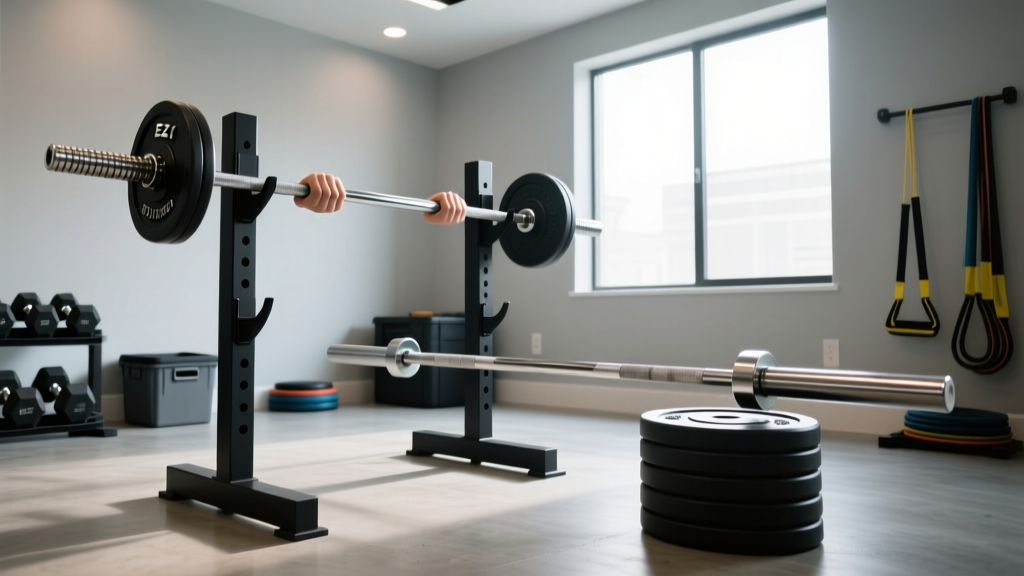
EZ Curl Bar vs Straight Bar: Boosting Dumbbell Shoulder Press Weight
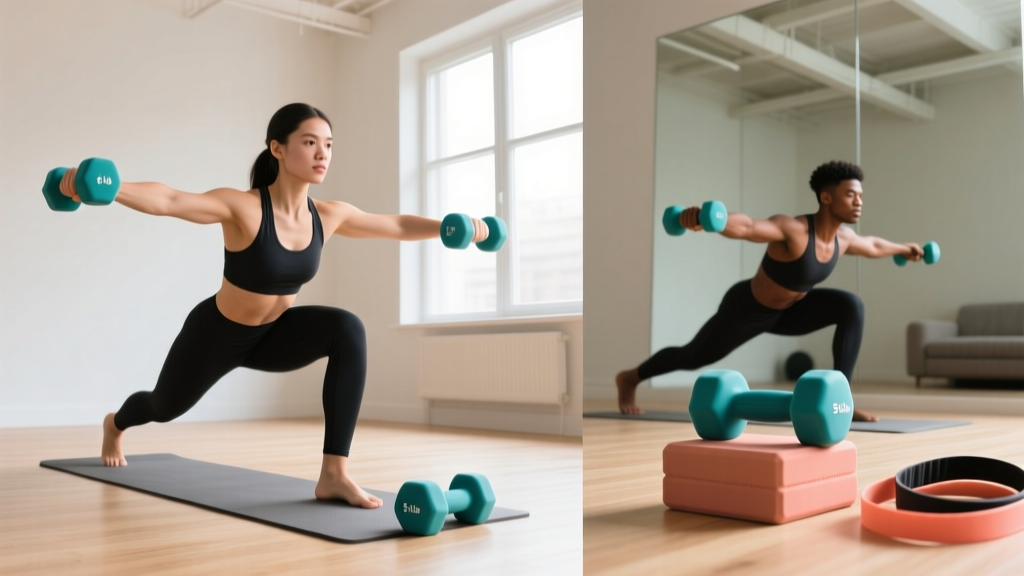
Dumbbell Lateral Lifts: Beginner Guide for Neoprene Weights

Beyond the Anime Dumbbell: Cast Iron vs Competition Kettlebells
