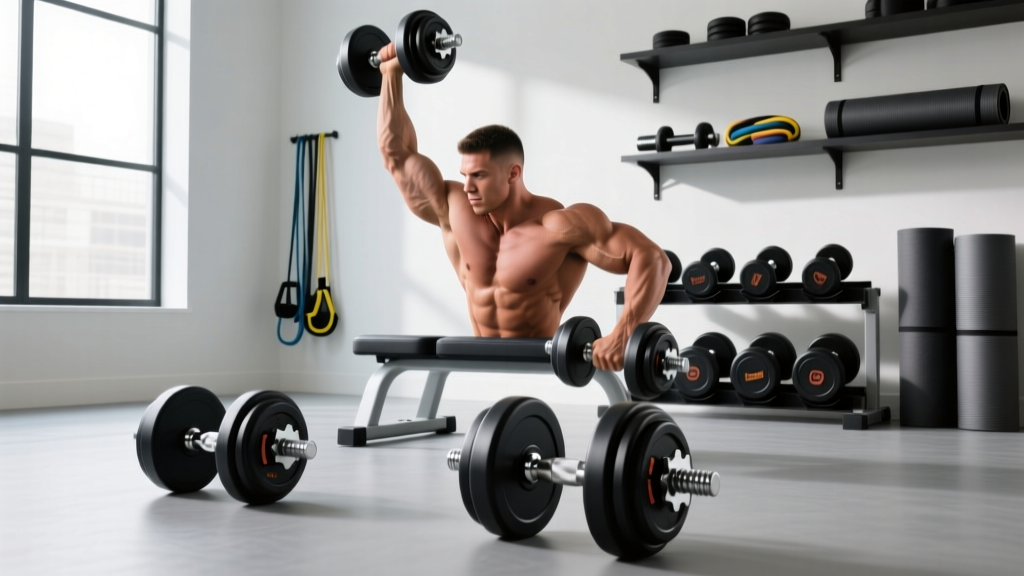
Bumper vs Iron Plates: Beyond Dick's Sporting Good Dumbbells
Transitioning from Dick's Sporting Good dumbbells to barbell work? Read our expert hands-on comparison of bumper vs iron plates, top picks, and pricing.

Dick's Sporting Goods primarily stocks entry-level and mid-tier bumper plates under in-house and partner brands like Ethos, Marcy, and Calia. While adequate for light home gym use, serious weightlifters often find the drop-rating insufficient for heavy Olympic lifting compared to specialized fitness retailers. This guide is designed for home gym builders and recreational lifters evaluating mainstream retail options for their garage setups.
Key Takeaways
- Dick's Sporting Goods carries bumper plates, but inventory is mostly limited to entry-level rubber and hybrid models.
- Iron plates at Dick's offer better value for traditional bodybuilding, while dumbbells provide the most versatile home gym solution.
- Expect to pay approximately $2.25 per pound for in-store bumper plates, which is higher than direct-to-consumer specialty brands.
Does Dick's Sporting Goods Sell Bumper Plates?
Yes, Dick's Sporting Goods sells bumper plates, but the selection is heavily skewed toward recreational fitness rather than competitive weightlifting. In 2026, most locations stock the Ethos and Marcy rubber-coated plates. These plates feature a standard 50.4-millimeter center hub to fit Olympic barbells.
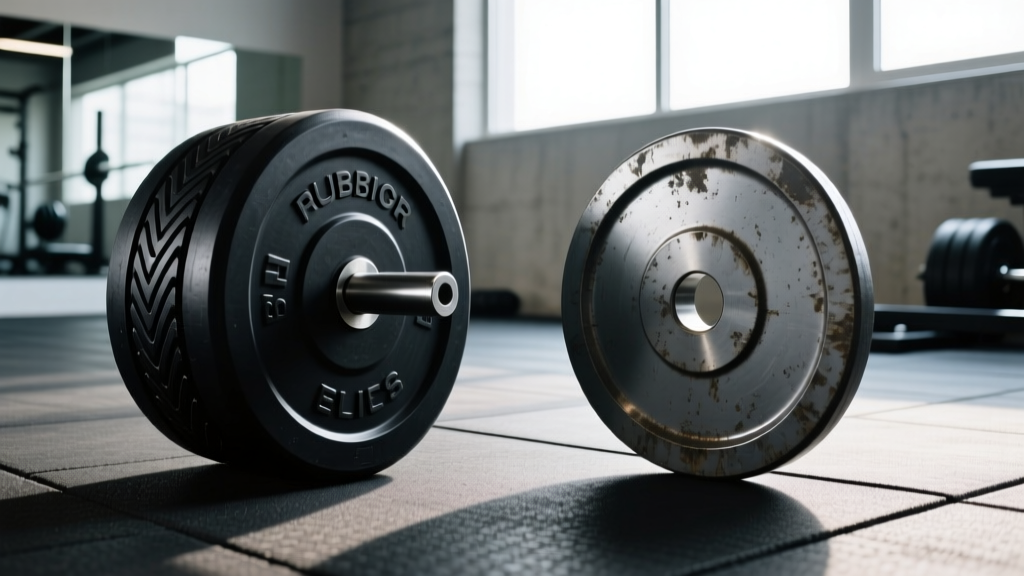
However, the rubber quality varies. A standard competition plate requires a specific dead bounce and durability. According to Barbend's comprehensive bumper plate testing, mainstream retail plates often feature a higher durometer rating, making them harder and more prone to damaging flooring when dropped from overhead.
Understanding Plate Terminology
Bumper Plate: A weight plate made of high-density rubber designed to absorb impact when dropped from overhead during Olympic lifts.
Durometer: A standardized measurement of rubber hardness, where a higher number indicates a firmer, more durable surface that resists deformation but transfers more shock to the floor.
Bumper Plates vs. Iron Plates vs. Dumbbells
When outfitting a home gym using mainstream retail inventory, you must weigh the physical properties of each implement. The Dick's Sporting Goods bumper plates inventory competes directly with their cast iron and dumbbell selections.
Bumper Plates for Olympic Lifting
Rubber plates are mandatory for cleans, snatches, and jerks. The 45-pound Ethos bumper plates measure exactly 15 inches in diameter, matching the USA Weightlifting technical rulebook standards for barbell clearance. However, they lack the stainless steel insert found in premium plates, which can lead to hub wear over time.
Iron Plates for Traditional Bodybuilding
If you are strictly performing squats, bench presses, and deadlifts, cast iron is superior. Iron plates are significantly thinner, allowing you to load over 400 pounds on a standard barbell sleeve. They also cost closer to $1.50 per pound during seasonal sales, offering a better return on investment for powerlifters.
Dumbbells for Versatility
For general fitness, adjustable dumbbells or fixed rubber hex dumbbells from Dick's provide unmatched unilateral training options. While a barbell requires a dedicated rack and clearance, dumbbells can be stored in a 4-square-foot corner and used for hundreds of isolation movements.
Decision Framework: Which Gear Should You Buy?
Use this comparison matrix to determine which weight equipment from Dick's Sporting Goods aligns with your specific training goals and spatial constraints.
| Equipment Type | Best For | Average Cost Per Pound | Drop Safe? | Space Required |
|---|---|---|---|---|
| Ethos Bumper Plates | Olympic lifting, CrossFit | $2.25 | Yes (Low height only) | High (Thick plates) |
| Marcy Cast Iron Plates | Powerlifting, Bodybuilding | $1.50 | No | Low (Thin profile) |
| Calia Rubber Hex Dumbbells | Hypertrophy, General Fitness | $2.00 (per pair) | Yes (Light drops) | Medium (Rack needed) |
Frequently Asked Questions
Are Dick's bumper plates good for dropping?
They are acceptable for dropping from the hip or chest during deadlifts and hang cleans. However, dropping them from full overhead extension repeatedly will likely crack the rubber or damage your subfloor due to the high 75 durometer rating of the retail-grade rubber.
Do Dick's Sporting Goods bumper plates smell?
Entry-level rubber plates often off-gas volatile organic compounds (VOCs) when first unboxed. You should store new plates in a well-ventilated garage or outdoors for 72 hours before bringing them into a finished basement or spare bedroom.
Can I return bumper plates to Dick's?
Dick's Sporting Goods maintains a 60-day return policy for unused fitness equipment. If you chip a plate during your first week of training, retail stores typically classify this as normal wear and tear, meaning you will need to rely on the manufacturer's warranty rather than a store return.
Final Verdict and Next Steps
Dick's Sporting Goods offers convenient access to entry-level bumper plates, iron plates, and dumbbells for casual lifters. While the Ethos and Marcy bumper plates suffice for light Olympic work and deadlifts, they lack the precision engineering and drop-durability required for competitive weightlifting.
To make your final decision, visit your local Dick's Sporting Goods to physically test the 45-pound Ethos plate hub fitment on your personal barbell. If the steel insert feels loose or the rubber shows visible molding seams, pivot to their cast iron selection or order competition-grade bumpers from a dedicated online fitness retailer.
More gear to consider
All reviews
Power Rack vs Squat Rack vs Stand: Side Laterals Dumbbells Mistakes

Plate Dumbbell Longevity: Rack Storage & Maintenance Guide
Optimizing Space for Double Dumbbell Squats: Rubber vs Urethane

Best Neoprene Dumbbells for Stomach Exercises: 2026 Matchup

Space-Saving Racks for Your First Beginner Dumbbell Weight Set