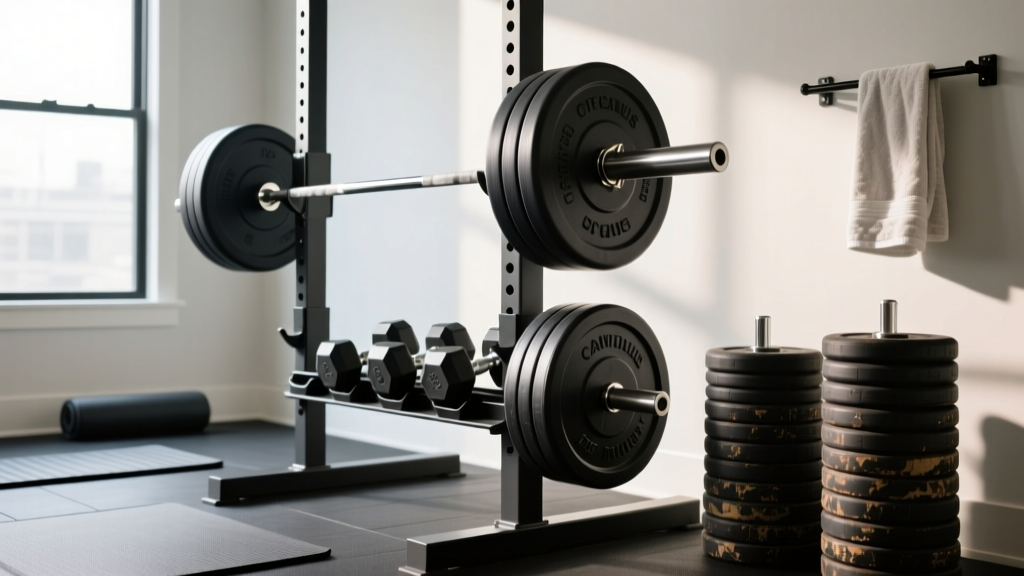
Bumper vs Iron Plates: Care Tips for Barbell and Dumbbell Training
Compare bumper vs iron plates for loadable dumbbell training. Learn expert maintenance, rust prevention, and rubber care tips to maximize equipment lifespan.

The modern home gym landscape has shifted dramatically, with loadable dumbbell handles—such as the Titan Fitness Olympic Dumbbell Handles and Rogue Fitness loadable variants—becoming essential for space-conscious lifters. This evolution bridges the gap between fixed hex dumbbells and traditional barbell work, making the bumper plate vs. iron plate debate highly relevant for heavy unilateral work. However, outfitting your loadable dumbbells is only half the battle; understanding the material science, failure modes, and maintenance protocols of your plates is what separates a 5-year investment from a lifetime arsenal.
In this comprehensive guide, we break down the longevity, care routines, and structural realities of using bumper and iron plates for both barbell lifts and intense dumbbell training in 2026.
Material Science and Failure Modes: Rubber vs. Steel
Before diving into maintenance, you must understand how these materials degrade. Bumper plates are constructed from either virgin vulcanized rubber or recycled crumb rubber, bonded to a stainless steel or zinc-plated hub. Iron plates are typically cast iron, finished with enamel, e-coat, or machined down to bare steel tolerances.
⚠️ The 10lb Bumper Plate Death TrapA common failure mode in dumbbell training occurs when lifters drop loadable dumbbells loaded only with 10lb or 15lb bumper plates. Because thin bumpers have minimal rubber surrounding the steel hub, the impact force concentrates directly on the insert. Over time, the hub will punch through the rubber (delamination), rendering the plate useless. Rule of thumb: Never drop dumbbells or barbells where the lightest bumper plate on the sleeve is under 25lbs.
Bumper Plate Maintenance: Preventing Dry Rot and Delamination
Bumper plates are favored for loadable dumbbell training because they protect garage floors and deaden the noise of heavy floor presses and goblet squats. However, rubber is highly susceptible to environmental degradation.
The Sweat and pH Factor
Human sweat has a pH ranging from 4.5 to 7.0, making it mildly acidic. When you perform high-rep dumbbell training, sweat drips onto the plates. If left unwiped, this acidity breaks down the chemical bonds in vulcanized rubber, leading to a chalky, oxidized surface (dry rot).
- Cleaning Protocol: Wipe plates down weekly with a microfiber cloth dampened with a 50/50 mix of water and mild dish soap, or a diluted, non-petroleum-based cleaner like Simple Green.
- What to Avoid: Never use harsh degreasers, bleach, or petroleum-based solvents. These strip the natural moisture barriers in the rubber, accelerating ozone cracking.
- UV Protection: If your gym is in a garage with direct sunlight, UV rays will cause the rubber to become brittle within 18 months. Apply a water-based rubber protectant (like 303 Aerospace Protectant) bi-annually to block UV damage.
Iron and Steel Plates: Combating Oxidation and Pitting
Cast iron and machined steel plates are the gold standard for maximizing weight capacity on loadable dumbbell sleeves. A standard 45lb machined steel plate is roughly 1.3 inches thick, compared to a 3.25-inch thick 45lb crumb rubber bumper. This allows you to load upwards of 150lbs per dumbbell handle, a necessity for advanced dumbbell training like heavy unilateral rows and presses.
The Inner Ring Flash-Rust Phenomenon
Premium machined steel plates (like the Rogue Machined Olympic Plates) feature a bare steel inner ring machined to exactly 50.4mm to ensure a snug, rattle-free fit on Olympic sleeves. Because this ring lacks a protective e-coat or zinc finish, it is highly prone to flash-rusting from ambient humidity and skin oils transferred during loading.
"The tolerances on machined steel plates are incredibly tight. If you allow flash-rust to build up on the inner 50mm ring, the plate will eventually weld itself to the dumbbell sleeve, requiring a rubber mallet and penetrating oil to remove." — Equipment Maintenance Insights, Garage Gym Reviews
The Brass Brush and Oil Method
To maintain iron and steel plates, implement a bi-monthly rust prevention routine:
- Spot Treatment: If surface rust appears, use a brass wire brush (never steel, which will scratch the e-coat or zinc finish) to gently agitate the oxidation.
- Wipe Down: Clean the area with a dry microfiber cloth to remove metallic dust.
- Seal and Protect: Apply a light coat of Boeshield T-9 or 3-IN-ONE Multi-Purpose Oil to the inner hubs and outer edges. Wipe away excess oil to prevent dust accumulation.
Loadable Dumbbell Training: Sleeve Tolerances and Collar Stress
When adapting barbell plates for dumbbell training, the hardware interface is your biggest point of failure. Loadable dumbbell sleeves are typically shorter (10 to 16 inches) and experience severe lateral torque during movements like dumbbell lunges or chest flyes.
| Component | Bumper Plate Interaction | Iron Plate Interaction |
|---|---|---|
| Sleeve Capacity | Low (Max ~90lbs per 16" sleeve due to 3.25" thickness) | High (Max ~160lbs per 16" sleeve due to 1.3" thickness) |
| Collar Security | Spring collars often slip on thick rubber; use Lock-Jaw or clamp collars. | Standard spring collars grip bare steel well; minimal lateral slide. |
| Impact Stress | Absorbs shock, protecting the dumbbell handle's internal welds. | Transfers shock directly to the sleeve weld; requires controlled lowering. |
| Hub Wear | Brass/Zinc inserts can loosen from rubber over years of torque. | Solid cast/machined iron; virtually indestructible hub integrity. |
2026 Cost, Lifespan, and ROI Matrix
When building your plate arsenal, factor in not just the upfront cost per pound, but the long-term maintenance costs and expected lifespan in a home gym environment.
| Plate Type | Avg. Cost / lb (2026) | Expected Lifespan | Maintenance Intensity |
|---|---|---|---|
| Crumb Rubber Bumpers | $1.50 - $1.80 | 5-8 Years | Low (Wipe downs, UV protectant) |
| Virgin Rubber (Competition) | $3.50 - $5.00 | 15+ Years | Low (Minimal bounce, dense rubber) |
| E-Coated Cast Iron | $1.50 - $2.00 | Lifetime | Medium (Humidity control, oiling) |
| Machined Steel | $2.50 - $3.50 | Lifetime | High (Inner ring rust prevention) |
Expert Verdict: Which Should You Buy?
The choice between bumper and iron plates for your loadable dumbbell training ultimately depends on your environment, budget, and training style.
Choose Bumper Plates If:
- You train in an apartment or shared space where noise dampening is critical.
- Your dumbbell training involves frequent drops, heavy floor presses, or explosive movements.
- You have a climate-controlled garage and want a low-maintenance, floor-friendly option.
Choose Iron / Machined Steel Plates If:
- You are an advanced lifter requiring 120lbs+ per dumbbell for heavy unilateral rows, Bulgarian split squats, and presses.
- You want a lifetime investment with precise weight tolerances.
- You don't mind the meticulous maintenance required to prevent oxidation on bare steel hubs and inner rings.
By matching the right plate material to your specific dumbbell training demands and adhering to these targeted maintenance protocols, you will ensure your free weights survive decades of heavy lifting without compromising safety or performance.
More gear to consider
All reviews
Standard vs Olympic Plates Setup & Seated Dumbbell Power Clean

Bumper vs Iron Plate Care: Beyond the Dumbbell Lateral Raise Workout

Bumper Plate vs Iron Plate: EZ Bar Curl vs Dumbbell Curl Setups

Single Arm Dumbbell Preacher Curls: Adjustable Dumbbell Review & Setup

Mastering the Back Fly with Dumbbells & Barbell Knurling Guide
