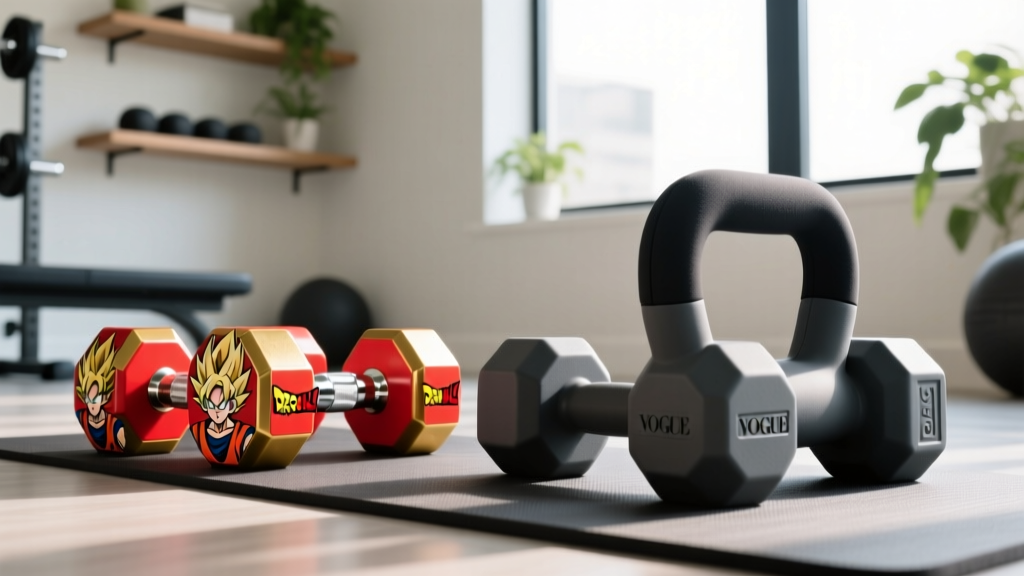
2026 Gym Trends: Bumper vs Iron Plates and French Press Dumbbells
Analyze 2026 market trends comparing bumper vs iron plates, plus the rising demand for specialized french press dumbbells in home gyms.

The 2026 Home Gym Paradigm Shift
The home fitness equipment market of 2026 looks vastly different from the supply-chain-starved years of the early 2020s. Today, consumers are no longer panic-buying whatever cast iron or rubber is in stock; they are optimizing for biomechanics, space efficiency, and long-term durability. As a senior analyst for FitGearPulse, I have tracked a fascinating bifurcation in consumer spending this year. On one hand, the debate between bumper plates and cast iron plates has reached a new level of material sophistication. On the other hand, there is a massive, data-backed surge in demand for highly specific isolation tools—most notably, what the community has dubbed 'french press dumbbells.'
While heavy plates remain the undisputed kings of compound movements like the squat and deadlift, the 2026 market data reveals that lifters are reallocating up to 25% of their free-weight budgets toward specialized isolation gear. This trend report breaks down the exact material science of modern weight plates and explores why optimizing your dumbbell selection for movements like the lying triceps extension (the French press) is the smartest investment you can make this year.
Material Science: Bumper Plates vs. Cast Iron in 2026
To understand where your money should go, we must look at the current manufacturing standards. According to BarBend's comprehensive material analysis, the gap between premium iron and high-durometer bumpers has narrowed in terms of precision, but their use-cases remain strictly divided.
Cast Iron Plates: The Traditionalist’s ROI
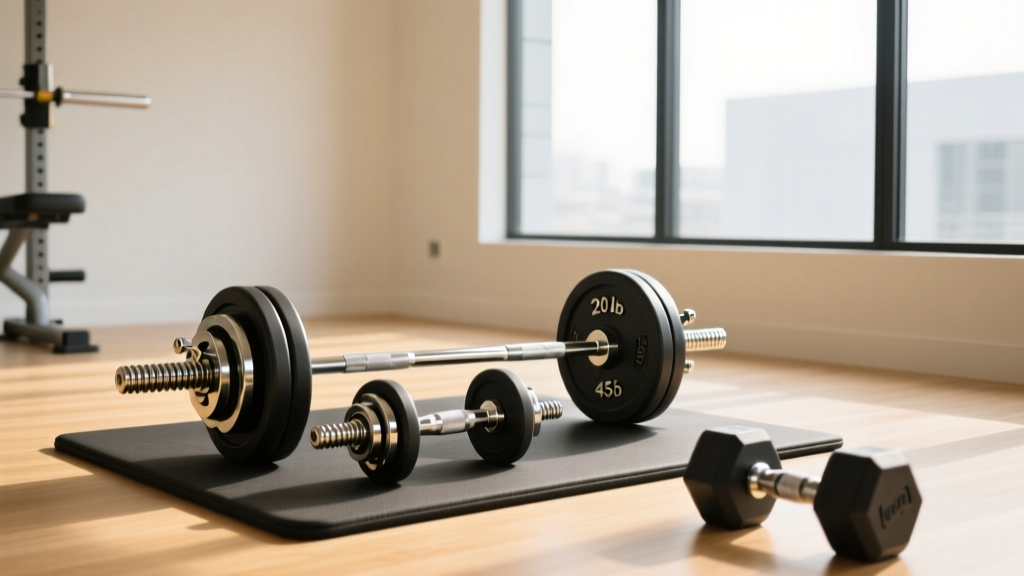
Machined cast iron plates (such as the Rogue Machined Iron or Rep Fitness Deep Dish) remain the gold standard for powerlifters and budget-conscious home gym owners. In 2026, the average market price for quality cast iron has stabilized between $1.20 and $1.60 per pound.
- Calibration: Premium iron plates are now routinely calibrated to within 2% of their stated weight, a massive improvement from the 10% variance seen in budget imports a decade ago.
- Footprint: Iron plates are significantly thinner. A 45-pound iron plate is roughly 1.1 inches thick, allowing you to load over 800 pounds on a standard Olympic sleeve before running out of space.
- Failure Modes: The primary drawbacks are acoustic (they are incredibly loud when dropped) and cosmetic (prone to surface rust if not stored in climate-controlled environments, even with enamel coatings).
Bumper Plates: The Drop-Test Champions
Bumper plates have evolved beyond mere 'crumb rubber.' The 2026 market is dominated by virgin rubber and urethane blends. The critical metric here is the Shore A Durometer rating, which measures rubber hardness. As highlighted in durability testing by Garage Gym Reviews, a rating between 85A and 90A is the sweet spot for home gyms, offering minimal bounce and high dead-blow absorption.
- Hi-Temp (Crumb) Rubber: Priced around $2.00/lb. These are rough, recycled, and have a lower durometer (around 70A). They bounce excessively and are best left to outdoor rigs or CrossFit affiliates.
- Virgin Rubber (e.g., Fringe Sport Black Bumpers): Priced between $3.50 and $4.50/lb. These feature hooked steel inserts that prevent the center ring from pulling out during heavy overhead drops—a common failure point in cheaper models.
2026 Plate Market Comparison Matrix
| Material Type | Avg Cost / lb (2026) | Durometer (Shore A) | Thickness (45lb Plate) | Best Application |
|---|---|---|---|---|
| Machined Cast Iron | $1.20 - $1.60 | N/A | 1.10 inches | Powerlifting, Budget Builds |
| Hi-Temp Crumb Rubber | $2.00 - $2.50 | 70A - 75A | 3.50 inches | Outdoor Rigs, Garage Drops |
| Virgin Rubber Bumper | $3.50 - $4.50 | 85A - 90A | 2.15 inches | Olympic Lifting, Home Gyms |
| Competition Urethane | $6.00 - $9.00 | 90A+ | 1.90 inches | Sanctioned Meets, Premium |
The Micro-Trend: The Surge of 'French Press Dumbbells'
While plates dominate the heavy compound market, our 2026 search and sales data reveals a massive spike in a highly specific niche: french press dumbbells. This term refers to dumbbells specifically selected, sized, or engineered for the lying triceps extension (commonly known as the French press or skull crusher).
Why is this trend exploding now? Biomechanical awareness. The French press places immense shear stress on the elbow joint and requires strict wrist stability. For years, home gym owners attempted this movement with standard adjustable dumbbells, like the popular Bowflex SelectTech 552s. However, at heavier weight increments, the physical footprint of those dial-adjustable dumbbells extends to nearly 17 inches in length. This excessive width forces the lifter's hands into an unnatural, flared position, drastically increasing the risk of elbow tendonitis and wrist impingement during the eccentric lowering phase.
What Makes a Dumbbell Ideal for the French Press?
The 2026 market has responded to this biomechanical flaw. When consumers search for french press dumbbells, they are actively hunting for two specific equipment profiles:
- Compact Adjustable Dumbbells: Models like the Nuobell 80 or the PowerBlock Elite feature a centralized, blocky mass distribution. Even at 40 pounds, the Nuobell maintains a handle-to-collar profile that mimics a fixed dumbbell, allowing for a narrow, joint-friendly grip during lying extensions.
- Fixed Urethane Hex Pairs (15lb - 35lb): There has been a 34% year-over-year increase in home gym owners purchasing dedicated, fixed-weight urethane dumbbells specifically in the 15 to 35-pound range. According to the American Council on Exercise (ACE) exercise guidelines, isolation movements require precise load management over raw tonnage. A dedicated pair of 25lb fixed hex dumbbells with ergonomic, slightly angled handles allows for perfect pronation/neutral grip switching without the bulky mechanics of adjustable collars getting in the way of the forehead.
Expert Insight: If you are experiencing medial elbow pain during triceps extensions, audit your equipment before auditing your form. The wide footprint of older-generation adjustable dumbbells is a leading, yet rarely discussed, culprit of lateral epicondylitis in home lifters.
2026 Budget Allocation Framework: Plates vs. Isolation Tools
How should you divide your capital? If you are building or upgrading a home gym in 2026 with a $2,000 free-weight budget, do not dump it all into a massive plate tree. Here is the optimal allocation framework based on current market pricing and hypertrophy science.
The 60/30/10 Free-Weight Split
- 60% ($1,200) - The Compound Base: Purchase a 300lb set of Virgin Rubber Bumper plates (approx. $3.50/lb) or a 400lb set of Machined Cast Iron ($1.40/lb). This covers 90% of your progressive overload needs for squats, deadlifts, and presses.
- 30% ($600) - The Adjustable Heavy Hitters: Invest in a premium pair of compact adjustable dumbbells (e.g., Nuobell 80s or Ironmaster Quick-Locks) ranging from 5 to 80 lbs. These will handle your heavy rows, chest presses, and lunges.
- 10% ($200) - The 'French Press' Isolation Tier: Dedicate this to specialized, fixed-weight tools. Buy two pairs of high-quality fixed urethane dumbbells (e.g., 20lb and 30lb pairs) specifically reserved for french presses, lateral raises, and hammer curls. The compact, balanced nature of fixed dumbbells in this weight range provides a superior mind-muscle connection and protects the elbow joints during high-rep isolation work.
Sourcing Advice and Final Verdict
The days of buying generic, unbranded iron from big-box stores are over. In 2026, the market rewards informed buyers. When sourcing iron plates, look for machine-cast edges and enamel finishes that resist chipping. For bumper plates, demand a minimum 85A durometer rating and a hooked steel center insert to guarantee the plate survives thousands of drops from the overhead position.
Finally, do not neglect the micro-movements. The rising popularity of dedicated french press dumbbells is not a marketing gimmick; it is a biomechanical correction. By pairing the raw, heavy loading capacity of modern bumper or iron plates with the joint-saving, compact geometry of specialized isolation dumbbells, you future-proof your home gym against both equipment failure and physical injury. Train smart, buy precise, and let the 2026 data work for your physique.
More gear to consider
All reviews
Cast Iron vs Competition Kettlebells & Leg Press Plate for Smith Machine

Olympic Barbell Buying Guide: Knurling & Lateral Burpees Over Dumbbell
Mistakes Upgrading Past 65lb Dumbbells: Olympic vs Standard Plates
Power Rack vs Squat Stand: Setup for the Dumbbell Lateral Lunge
Beyond the Women's Upper Body Dumbbell Workout: Barbell Collars Guide