Olympic vs Standard Plates for Heavy Delts Dumbbell Workouts
Compare Olympic vs standard weight plates for delts dumbbell workouts. Discover which 1-inch or 2-inch plate ecosystem builds the best home gym shoulders.

The Core Conflict: 2-Inch vs 1-Inch Ecosystems
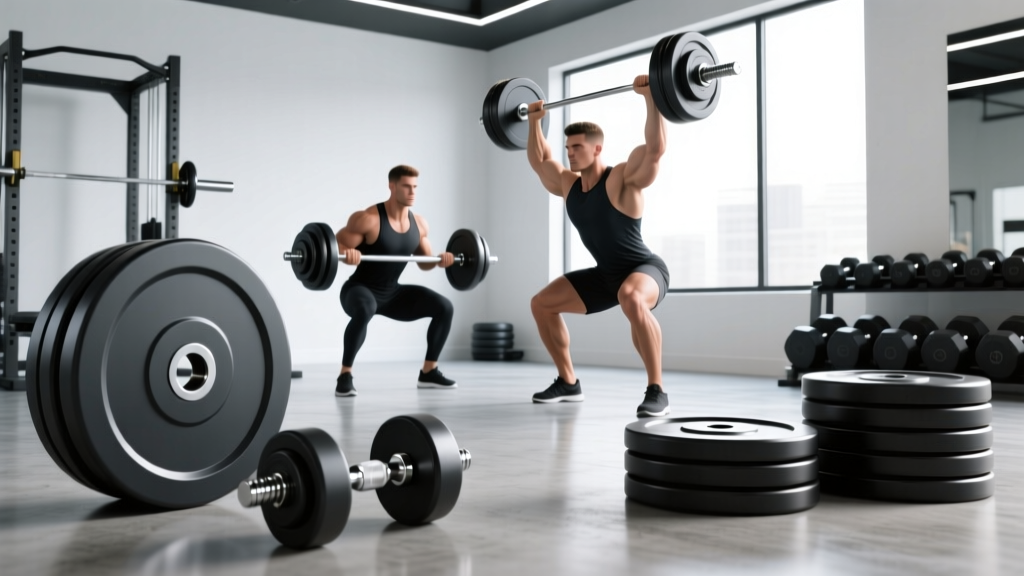
When building a home gym focused on upper body hypertrophy, the debate between Olympic and standard weight plates is often relegated to barbell discussions. However, this choice profoundly impacts your isolation and pressing movements. When programming a heavy delts dumbbell workout, the equipment you load matters just as much as the rep scheme. The biomechanics of shoulder development require precise loading, strict stabilization, and a full range of motion—factors that are directly influenced by whether you choose a 1-inch standard or a 2-inch Olympic plate ecosystem.
In 2026, the home fitness market offers more machined steel and urethane options than ever before. Yet, many lifters still default to cheap 1-inch standard spinlock dumbbell handles paired with cast-iron standard plates, only to hit a frustrating plateau in their shoulder development. This head-to-head comparison breaks down exactly how Olympic and standard plates perform when loaded onto plate-loaded dumbbell handles, specifically testing their viability for anterior, lateral, and posterior deltoid training.
Head-to-Head Specs: The Ecosystem Breakdown
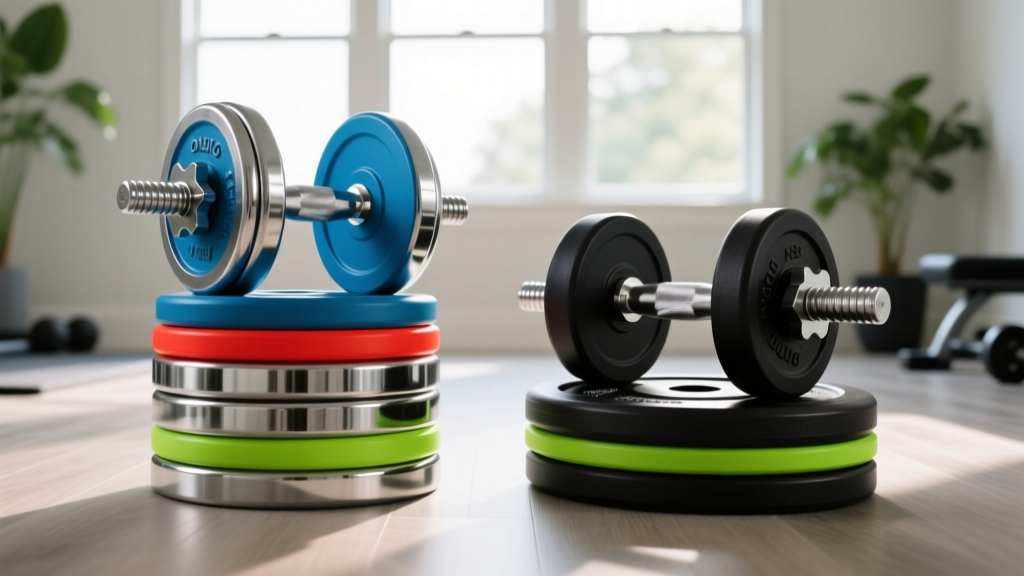
Before analyzing the biomechanics of the shoulder press, we must establish the physical differences between the two plate types. According to Barbend's Comprehensive Plate Guide, the primary differentiator is the center hole diameter, which dictates the thickness of the dumbbell handle sleeve required to hold them.
| Feature | Standard Plates (1-Inch) | Olympic Plates (2-Inch) |
|---|---|---|
| Center Hole Diameter | 25mm (1 inch) | 50mm (2 inches) |
| Handle Sleeve Yield Point | ~85 lbs (Dynamic Load) | 150+ lbs (Dynamic Load) |
| 10 lb Plate Diameter | ~9.5 to 10.5 inches | ~9.0 inches (Machined Steel) |
| Plate Thickness (45 lb) | ~1.5 to 2.0 inches (Cast Iron) | ~1.3 inches (Machined Steel) |
| Average Cost Per Pound | $1.20 - $1.80 | $2.50 - $4.50 |
The "Delts Dumbbell" Test: Presses vs. Isolation
The shoulder (deltoid) is a complex, three-headed muscle group. Training it effectively requires heavy compound pressing for the anterior head and strict, lighter isolation work for the lateral and posterior heads. How do these two plate ecosystems handle the distinct demands of a delts dumbbell routine?
1. Heavy Seated Delts Dumbbell Press (The Olympic Advantage)
The seated dumbbell shoulder press is the undisputed king of anterior deltoid mass builders. To stimulate growth, advanced lifters frequently press dumbbells weighing 70 to 100+ lbs per hand. This is where the standard 1-inch ecosystem catastrophically fails.
Standard spinlock dumbbell handles feature thin 1-inch solid steel sleeves. When subjected to dynamic loads exceeding 85 lbs per hand, the steel undergoes plastic deformation—meaning it permanently bends downward. This phenomenon, known as "sleeve droop," shifts the center of gravity forward during the pressing motion. As noted in biomechanical analyses of shoulder stabilization, an unpredictable center of mass forces the rotator cuff to overcompensate, drastically increasing the risk of impingement and reducing the mechanical tension placed directly on the anterior deltoid.
⚠️ Failure Mode Alert: Standard Sleeve DroopIf you are loading a 1-inch standard dumbbell handle past 80 lbs, the sleeve will bend. During a heavy delts dumbbell press, this droop places dangerous sheer stress on the rotator cuff and alters the bar path, effectively ruining the biomechanical efficiency of the lift. Olympic loadable handles, like the Rogue Fitness Loadable Handles, utilize 2-inch bronze bushing sleeves that remain perfectly rigid well past 150 lbs per hand.
2. Lateral and Front Raises (The Standard Plate Niche)
While Olympic plates dominate heavy pressing, standard plates occasionally offer a surprising advantage for strict isolation work. The lateral deltoid responds best to moderate weights (15 to 35 lbs per hand) with high time-under-tension.
The issue with Olympic loadable dumbbells is the physical footprint of the plates. Even a 10 lb Olympic machined steel plate has a diameter of roughly 9 inches. When performing seated lateral raises or strict front raises, the wide profile of 2-inch plates can clash with your forearms, thighs, or the bench itself, artificially limiting your range of motion. Conversely, standard 1-inch handles are physically shorter and more compact. When loaded with narrow 1-inch 5 lb and 10 lb plates, the dumbbell remains highly maneuverable, allowing for a completely unobstructed range of motion during lateral raises.
Micro-Loading the Delts: Why Plate Diameter and Thickness Matter
Progressive overload is the cornerstone of hypertrophy. The deltoids, particularly the lateral and posterior heads, are small muscle groups that fatigue quickly and require micro-loading (adding 1 to 2.5 lbs per hand) to sustain progress without compromising form.
- Olympic Machined Steel Plates: High-quality Olympic plates, such as Rogue Machined Steel Plates, are milled to exact tolerances. A 2.5 lb Olympic plate is incredibly thin (roughly 0.45 inches), allowing you to fit multiple micro-plates onto the dumbbell sleeve without running out of room. Furthermore, the 50mm hole is precisely calibrated, meaning fractional plates slide on and off smoothly mid-workout.
- Standard Cast Iron Plates: Standard plates are cast in sand molds, resulting in rough edges and inconsistent center holes. Attempting to use 1-inch fractional plates (1 lb or 2.5 lb) often results in the plates getting stuck on the dumbbell sleeve due to rust, paint buildup, or poor machining tolerances. This friction disrupts the flow of a high-intensity delts dumbbell superset.
Space, Storage, and 2026 Home Gym Realities
Beyond the biomechanics of the lift, the physical storage of your plates dictates your gym's functionality. Standard cast iron plates are notoriously thick. A 25 lb standard plate is often thicker than a 25 lb Olympic machined steel plate. When you are trying to load a heavy dumbbell for a drop-set, the sheer width of standard plates means you will run out of sleeve space much faster.
An Olympic loadable dumbbell handle typically offers 6.5 to 8 inches of loadable sleeve length. Using thin, machined Olympic steel plates, you can easily load 120 lbs onto a single handle. With bulky standard cast iron plates, you will physically max out the sleeve length around 60 to 75 lbs, forcing you to buy specialized (and expensive) extended 1-inch handles that only exacerbate the sleeve droop issue mentioned earlier.
Final Verdict: Building Your Shoulder Arsenal
If your budget is strictly under $150 and you only plan to perform light isolation work, a 1-inch standard plate ecosystem will suffice for beginner lateral raises. However, for any lifter serious about long-term shoulder development, the Olympic ecosystem is the undisputed winner.
The ability to safely load heavy weight for the delts dumbbell press without equipment failure, combined with the precision of machined steel micro-plates for lateral raises, makes the 2-inch Olympic system a mandatory investment. Upgrade to a pair of high-quality Olympic loadable dumbbell handles and stock up on machined steel fractional plates to ensure your shoulder progression never stalls due to equipment limitations.
Frequently Asked Questions
Can I use standard plates on an Olympic dumbbell handle?
No, standard plates have a 1-inch (25mm) hole and will not fit over the 2-inch (50mm) sleeve of an Olympic dumbbell handle. You would need a specialized sleeve adapter, which adds unwanted width and compromises the balance required for strict shoulder isolation work.
Are bumper plates good for delts dumbbell workouts?
Rubber bumper plates are generally terrible for plate-loaded dumbbells. The thick rubber housing takes up massive amounts of sleeve space, preventing you from loading heavy weights for presses, and the wide diameter severely restricts your range of motion during lateral and front raises. Stick to machined steel or thin urethane Olympic plates for dumbbell training.
More gear to consider
All reviews
Best Adjustable Dumbbells for Seated Dumbbell Concentration Curls 2026

EZ Curl vs Straight Bar: Evolving the Dumbbell Program for Beginners
Best Adjustable Dumbbells for a Fat Burning Dumbbell Workout 2026
Dumbbell Rack Storage: Organophosphate Solvents to Avoid
Beyond Functional Dumbbell Exercises: Kettlebell Budget Guide