Barbell Collar Types Compared: Mistakes Beyond Dumbbell Arm Circles
Compare barbell collar and clamp types, troubleshoot common loading mistakes, and secure your lifts safely after your dumbbell arm circles warm-up.

The Warm-Up vs. The Heavy Load: Why Collar Mechanics Matter
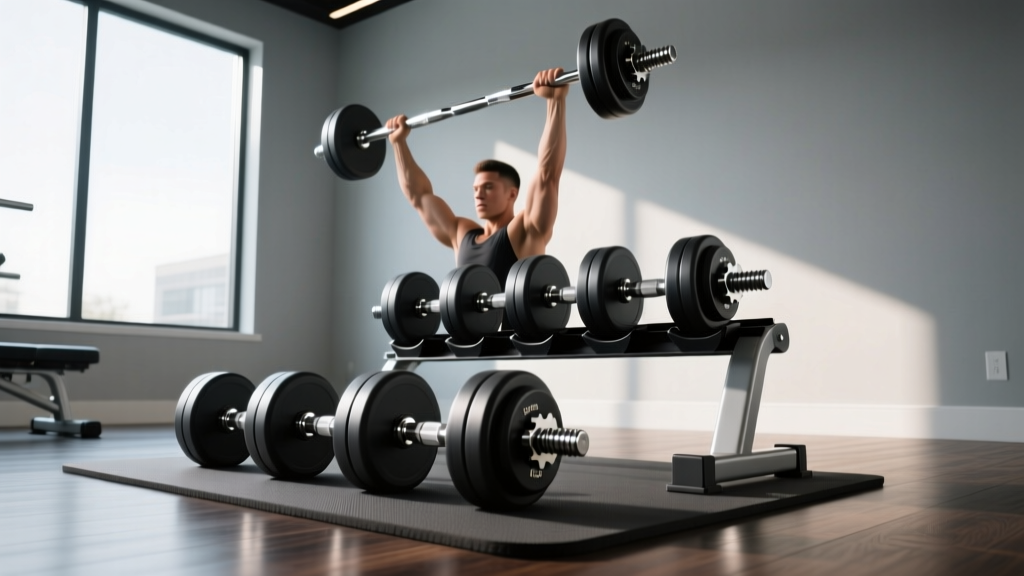
Every elite lifting session begins with a meticulous warm-up. While mastering shoulder mobility with dumbbell arm circles using light 3lb to 5lb neoprene weights is a straightforward, low-risk activation drill, transitioning to a loaded 20kg Olympic barbell introduces severe mechanical risks if your equipment is compromised. The rotator cuff activation you achieve during your warm-up is quickly negated if a shifting 45lb bumper plate throws off your barbell path during a heavy back squat or clean and jerk.
Despite their low cost relative to barbells and plates, collars and clamps are the unsung heroes of gym safety and performance. In 2026, the market is flooded with polymer lock-jaws, anodized aluminum screw-downs, and traditional spring clips. Yet, lifters consistently make critical errors in matching the collar type to their specific training modality. This guide breaks down the exact failure modes, sleeve tolerances, and troubleshooting steps for barbell collars, ensuring your heavy sets are as secure as your dynamic warm-ups.
Barbell Collar and Clamp Types: The 2026 Comparison Matrix
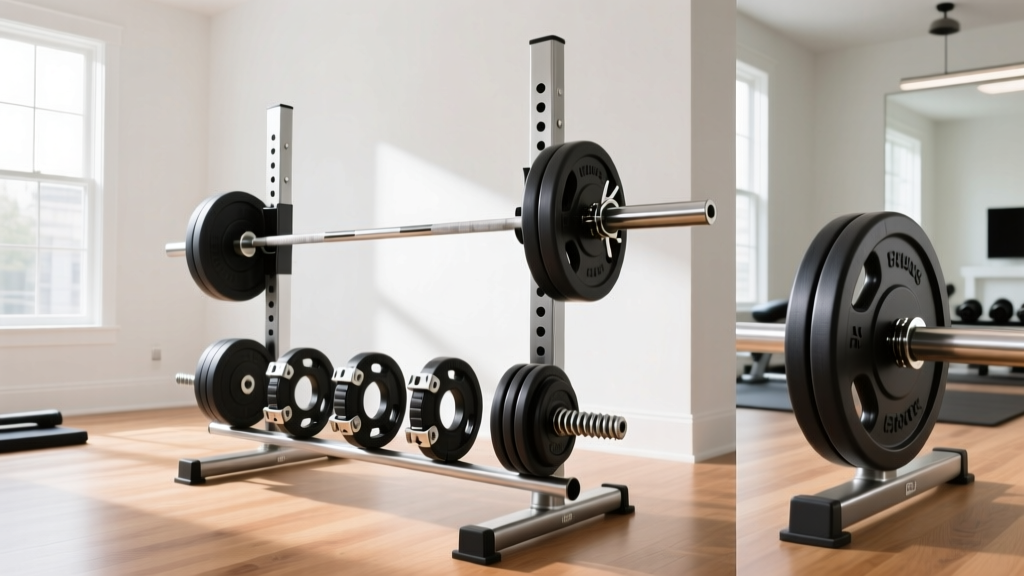
Not all collars are created equal. The friction coefficient between your barbell sleeve and the collar's inner lining dictates its holding power. Below is a comprehensive breakdown of the primary collar types used in modern strength training.
| Collar Type | Material / Build | Weight (per pair) | Avg. Price Range | Best Use Case | Primary Failure Mode |
|---|---|---|---|---|---|
| Traditional Spring Clip | Steel Spring / Plastic Coating | ~0.10 kg | $10 - $18 | Light accessory work, rehab | Spring fatigue; slips on impact |
| Polymer Lock-Jaw | Glass-filled Nylon / Rubber Teeth | ~0.24 kg | $25 - $35 | CrossFit, high-rep Olympic lifts | Plastic micro-fractures in cold gyms |
| Aluminum Screw-Down | 6061 Aluminum / Urethane Lining | ~0.56 kg | $45 - $65 | Powerlifting, heavy static lifts | Cross-threading; slow loading times |
| IWF Competition Collar | Machined Steel / Precision Clamp | 5.00 kg (2.5kg each) | $110 - $160 | Sanctioned Weightlifting Meets | Overkill for home gyms; heavy |
Expert Insight: The Barbell Whip Factor
Did you know your collar choice affects barbell whip? A tightly secured aluminum screw collar (like the Rogue AH-1) essentially locks the plates to the sleeve, dampening the oscillation of the barbell shaft during a heavy deadlift off the floor. Conversely, a slightly looser polymer collar allows the plates to shift micro-millimeters, which can alter the harmonic resonance of the bar during the second pull of a snatch. For maximal deadlifts, screw collars are superior. For Olympic lifting, precision-machined competition collars from brands like Eleiko provide the exact IWF-mandated lock without deadening the bar's natural flex.
4 Common Collar Mistakes and How to Troubleshoot Them
Even experienced lifters fall into bad habits when loading the bar. Here are the most frequent troubleshooting scenarios we see in home and commercial gyms, along with exact fixes.
Mistake 1: Using Spring Clips for Bumper Plate Drops
The Scenario: You are performing high-rep power cleans and dropping the bar from the shoulder. You used cheap spring clips because they are fast to load.
The Failure: Spring clips rely on lateral tension. When a 45lb HI-Temp bumper plate hits the floor, the kinetic energy transfers laterally through the sleeve. The spring compresses micro-millimeters, allowing the plate to inch outward. By rep 15, the plates are hanging off the edge of the sleeve, creating a dangerous asymmetric load.
The Fix: Ban spring clips from any lift that leaves the floor. Upgrade to glass-filled nylon lock-jaws with rubberized internal teeth that bite into the steel sleeve upon impact.
Mistake 2: Ignoring Sleeve Tolerance Discrepancies
The Scenario: Your new aluminum screw collars keep spinning freely even when tightened against a 25lb steel plate.
The Failure: Olympic barbell sleeves are nominally 50mm. However, budget barbells or heavily worn commercial gym bars often measure 49.2mm to 49.8mm due to manufacturing variances or knurling wear. If your collar's urethane insert is designed for a strict 50.0mm tolerance, it will never achieve a flush lock on a 49.5mm sleeve.
The Fix: Measure your barbell sleeve with digital calipers. If your bar is under 49.8mm, switch to a clamp-style collar with an adjustable cam-lever (like the Lock-Jaw Pro) which actively compresses around the sleeve rather than relying on a fixed-diameter screw thread.
Mistake 3: Over-Torquing Screw Collars on Calibrated Steel
The Scenario: You are squatting with calibrated steel plates and crank the aluminum screw collar as tight as humanly possible to prevent any rattle.
The Failure: Calibrated steel plates have incredibly tight hub tolerances and zero lateral give. Over-torquing an aluminum collar against a steel plate hub can strip the collar's internal acme threads or crack the urethane lining. Worse, it can warp the outer face of your expensive calibrated plates over time.
The Fix: Tighten screw collars only until they make firm contact with the plate hub, then add exactly one-quarter turn. The urethane lining will compress sufficiently to hold the load without damaging the hardware.
'Security in the squat rack isn't just about the collars; it is about the friction interface. Urethane plates grip steel sleeves far better than recycled rubber plates. If you use cheap rubber plates, you must compensate with aggressive cam-lock collars.'
— 2025 Biomechanics & Equipment Safety Report, FitGearPulse Labs
Mistake 4: Forgetting Collar Weight in Precision Loading
The Scenario: You are following a percentage-based peaking block and need exactly 182.5kg on the bar. You load the plates, add your heavy lock-jaws, and step up to the bar.
The Failure: You forgot that your polymer collars weigh 0.25kg combined. While negligible for a casual bodybuilder, for a competitive powerlifter or weightlifter tracking exact micro-loads, failing to account for collar weight throws off your RPE (Rate of Perceived Exertion) tracking and meet-day calculations.
The Fix: Weigh your collars on a digital kitchen scale. Tape a label to the inside of the collar with its exact weight (e.g., '0.14kg'). Deduct this from your plate math when loading for max-effort attempts.
Troubleshooting Flowchart: What to Do When Plates Slip
When you notice lateral plate migration mid-set, do not just push the plates back in. Run through this diagnostic checklist to identify the root cause.
- Check the Plate Hub: Is the center hole of the bumper plate stretched or deformed? (Common in dropped HI-Temp plates). If yes, retire the plate; no collar can fix a warped hub.
- Inspect the Collar Lining: Remove the collar and look at the urethane or rubber insert. Is it slick with chalk dust or oxidized metal shavings? Wipe it down with isopropyl alcohol to restore friction.
- Examine the Barbell Sleeve: Run your hand down the sleeve. Is there a buildup of chalk, sweat, or rust? A slick sleeve defeats the best collars on the market. Use a nylon brush and 3-in-1 oil to clean the sleeve, then wipe it dry.
- Verify the Locking Mechanism: If using a cam-lever, check the tension bolt. Over time, the vibration from drops loosens the tension nut. Use a 10mm wrench to tighten the cam-lever bolt until it requires firm thumb pressure to snap shut.
Expert Verdict: Building Your 2026 Clamp Arsenal
Just as you wouldn't use a 50lb dumbbell for your rotator cuff arm circles, you shouldn't use a one-size-fits-all approach to barbell collars. The modern home gym requires a tiered approach:
- For Olympic Weightlifting & CrossFit: Invest in high-grade polymer lock-jaws. They are lightweight, drop-resistant, and provide the necessary bite for dynamic movements.
- For Powerlifting & Heavy Squats/Bench: Purchase a pair of 6061 aluminum screw-down collars. The rigid lock prevents plate shift during heavy eccentrics and bench press grooving.
- For Accessory Work & Landmine Setups: Keep a pair of traditional spring clips handy. They are perfect for quickly securing a 10lb plate to a landmine attachment or a light curl bar.
By understanding the exact mechanics of your barbell sleeves and matching them to the correct collar type, you eliminate a massive variable in your training. Secure the load, respect the physics, and lift with absolute confidence.
More gear to consider
All reviews
Barbell Knurling Mistakes & Standing Calf Raise with Dumbbells

Bumper vs Iron Plates: Care & Dumbbell Overhead Triceps Extension Muscles Worked

Close Grip Press with Dumbbells: Loadable Set Value Guide
Rack Storage & Maintenance for the Lying Dumbbell Curl

Single Arm Dumbbell Floor Press: Olympic vs Standard Plate Mistakes