Troubleshooting Neoprene Dumbbells: Beyond Your Dumbbell Workouts PDF
Fix common neoprene dumbbell mistakes at home. Learn grip, wear, and form troubleshooting that goes beyond any standard dumbbell workouts PDF guide.

The "Dumbbell Workouts PDF" Trap: Why Neoprene Requires a Different Approach
Neoprene-coated dumbbells are the undisputed entry-level kings of the home gym market in 2026. With prices hovering between $1.20 and $1.80 per pound for brands like Yes4All and CAP Barbell, they offer an accessible, color-coded, and aesthetically pleasing way to build a foundational weight set. However, their physical properties create unique troubleshooting scenarios that most generic fitness guides ignore.
Many beginners start their fitness journey by downloading a free dumbbell workouts pdf from social media or a fitness influencer. While these programs are excellent for structuring sets, reps, and rest periods, they universally assume the use of standard knurled steel or bare rubber dumbbells. When you apply those exact routines to neoprene-coated cast iron, you inevitably run into material-specific failure modes: grip slip, coating degradation, and progression stalls. Below, we break down the most common mistakes home gym owners make with neoprene dumbbells and provide expert-level troubleshooting solutions.
⚠️ Equipment Warning: Neoprene is a closed-cell synthetic rubber (polychloroprene). It does not breathe or absorb moisture. If your hands sweat during high-volume hypertrophy work, the moisture will pool on the handle, drastically reducing your coefficient of friction and increasing the risk of a dropped weight.Mistake 1: Ignoring the Sweat-Slip Factor on Neoprene
The most frequent complaint from users transitioning from commercial gyms to home neoprene sets is grip failure during posterior chain movements like Romanian Deadlifts (RDLs) or heavy dumbbell rows. Commercial gym dumbbells feature aggressive diamond knurling on bare steel handles. Neoprene dumbbells, conversely, often feature smooth, painted, or lightly textured steel handles designed for comfort rather than heavy load retention.
Troubleshooting Grip Fatigue
When your grip gives out before your target muscle (like the hamstrings or lats), the workout is compromised. According to kinesiology principles outlined by ExRx.net, grip strength is often the limiting factor in pulling movements. To troubleshoot this without abandoning your neoprene set:
- Use Liquid Chalk: Traditional loose chalk creates a massive mess in a home gym. Liquid chalk (magnesium carbonate suspended in alcohol) dries quickly, fills the pores of your skin, and creates a high-friction barrier against the smooth neoprene handle.
- Implement Lifting Straps for Pulls: For movements where the back is the primary mover (e.g., single-arm rows, shrugs), use cotton or nylon lifting straps. Reserve your bare grip for pushing movements and squats.
- The "Towel Wipe" Protocol: Keep a microfiber towel soaked in a 50/50 water and rubbing alcohol solution nearby. Wiping the handles between sets removes the oily sweat residue that causes the neoprene to feel slippery.
Mistake 2: Mishandling Coating Degradation and Chemical Breakdown
Neoprene is highly durable against impacts, but it is remarkably sensitive to UV radiation, ozone, and harsh household chemicals. A common mistake is storing these dumbbells in a sunroom, garage with direct sunlight, or cleaning them with bleach-based wipes after a workout.
When exposed to UV light over 12 to 18 months, the neoprene coating undergoes photo-oxidation. The bright colors fade, and the surface begins to "chalk," leaving a powdery residue on your hands and floors. Furthermore, cleaning neoprene with ammonia or bleach destroys the plasticizers in the rubber, resulting in a permanent, sticky film that attracts dust and pet hair.
The Fix: Proper Maintenance and Storage
To extend the lifespan of your neoprene coating from the standard 3 years to over 7 years, store your rack indoors, away from direct window light. For cleaning, use only a mild dish soap diluted in warm water, applied with a soft cloth. Never submerge the dumbbells, as water can seep into the microscopic seam where the handle meets the cast-iron head, leading to internal rust that will eventually blister the neoprene from the inside out.
| Material | Sweat Absorption | UV/Chemical Resistance | Avg. Cost per lb (2026) |
|---|---|---|---|
| Neoprene | None (Pools on surface) | Low (Fades/Sticks) | $1.20 - $1.80 |
| Hex Rubber | Low | Medium (Can smell/degrade) | $1.50 - $2.20 |
| Urethane | None | Extremely High | $2.50 - $4.00+ |
Mistake 3: The 5-Pound Progression Gap in Fixed Sets
If you are following a structured dumbbell workouts pdf program, you will frequently encounter prescribed weight jumps. A standard program might dictate moving from 25 lb goblet squats to 30 lb goblet squats in week four. If you own a fixed neoprene set, you likely have pairs in 5 lb increments up to 25 lbs, but the next jump might be 35 lbs, skipping the 30 lb pair entirely to save money on the initial purchase.
Jumping from 25 lbs to 35 lbs per hand is a massive 40% increase in total load, which will inevitably break your form and stall your progression.
Troubleshooting Micro-Loading on Neoprene
Because neoprene is a thick, non-magnetic rubber coating, traditional magnetic fractional plates (like PlateMates) will not stick to the dumbbell heads. To troubleshoot this progression gap:
- Tempo Manipulation: Instead of adding weight, add time under tension. If the program calls for 3 sets of 10 with 30 lbs, use your 25 lb dumbbells but perform a 3-1-3-1 tempo (3 seconds lowering, 1 second pause at the bottom, 3 seconds lifting, 1 second squeeze). This dramatically increases muscular fatigue without requiring heavier iron.
- Wearable Resistance: Strap 2.5 lb or 5 lb weighted wrist/ankle bands around your wrists during pressing movements to bridge the gap between your fixed dumbbell sizes.
Mistake 4: Assuming Neoprene Means "Drop-Proof"
There is a pervasive myth that because neoprene feels soft to the touch, it protects home flooring from impact damage. This is categorically false. Neoprene is merely a 2mm to 3mm cosmetic skin poured over a solid cast-iron core. A 40 lb neoprene dumbbell dropped from chest height onto luxury vinyl plank (LVP) flooring or hardwood will easily crack the planks and dent the subfloor.
According to flooring impact standards referenced by home renovation experts and organizations like the American Council on Exercise (ACE), protecting your joints and your home requires proper shock absorption. The neoprene coating will prevent the cast iron from chipping, and it will muffle the high-pitch "clank" of bare metal, but it does not disperse kinetic energy.
"Never rely on the cosmetic coating of a dumbbell to protect your home's structural flooring. Always invest in high-density shock absorption mats for your dedicated lifting zone."
The Fix: You must use 3/4-inch thick vulcanized rubber horse stall mats or specialized high-density EVA foam interlocking tiles (minimum 40 Shore A durometer) under your workout area. Furthermore, practice "controlled descents" rather than dropping the weights, as repeated edge-drops will eventually tear the neoprene at the seam, exposing the raw iron to rust.
Expert Troubleshooting Checklist
Before starting your next workout, run through this quick diagnostic checklist to ensure your neoprene equipment is safe, effective, and ready for use:
- Seam Inspection: Run your thumb along the seam where the handle meets the head. If you feel peeling or bubbling, the dumbbell has internal moisture and should be moved to a dry environment immediately.
- Dye Transfer Check: If you have lighter-colored neoprene (like 5 lb reds or 10 lb yellows), wipe them with a damp white paper towel. If dye transfers, clean them with an enzyme cleaner to prevent staining your carpets or workout clothes.
- Handle Degreasing: Wipe the steel handles with isopropyl alcohol before heavy pulling movements to remove accumulated skin oils and restore grip friction.
- Storage Alignment: Store them horizontally on a rack. Leaving them standing vertically on their heads for months can cause uneven compression on the bottom neoprene layer, leading to a "wobble" when placed on flat surfaces.
By understanding the material science behind your equipment, you can adapt any generic routine into a highly effective, safe, and progressive home training program. Neoprene dumbbells are an incredible investment when treated with the specific care they require.
More gear to consider
All reviews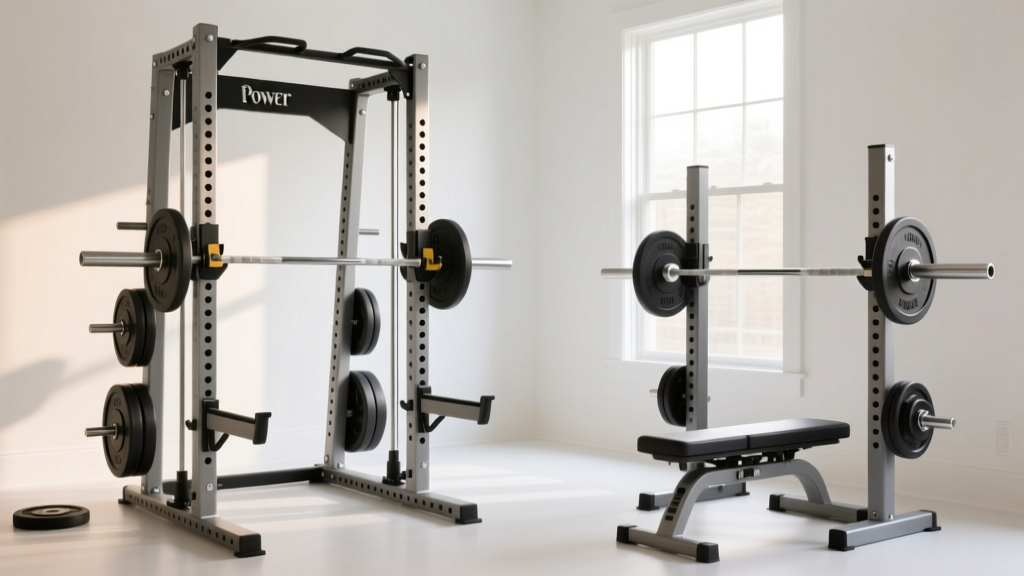
Power Rack vs Squat Rack vs Stand: Setup Errors and Dumbbell Flys
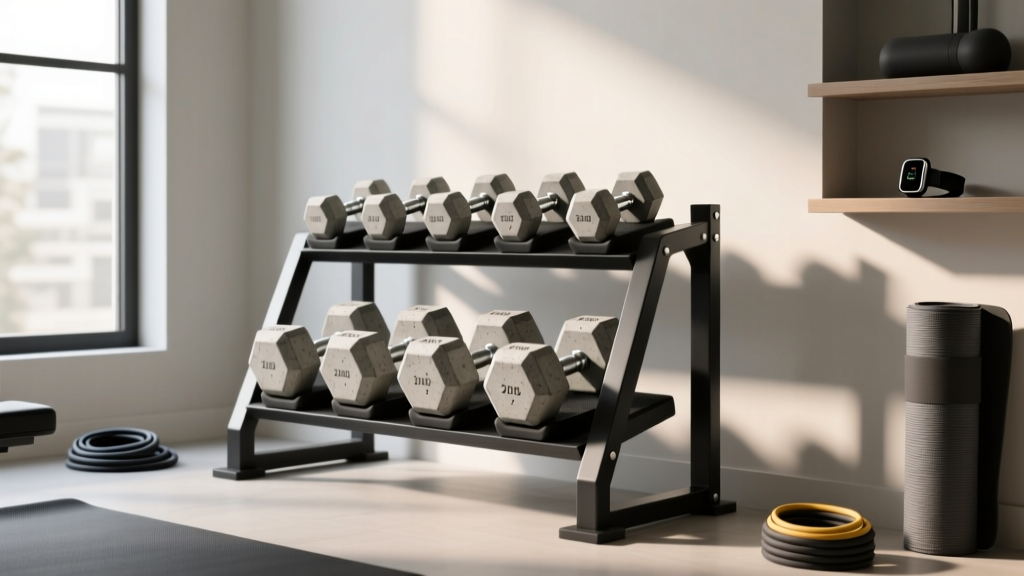
Cement Dumbbells Storage: 2026 Rack Trends and Market Analysis
The Compression Checklist: A Field-Tested Protocol for Industrial Equipment Weight Management
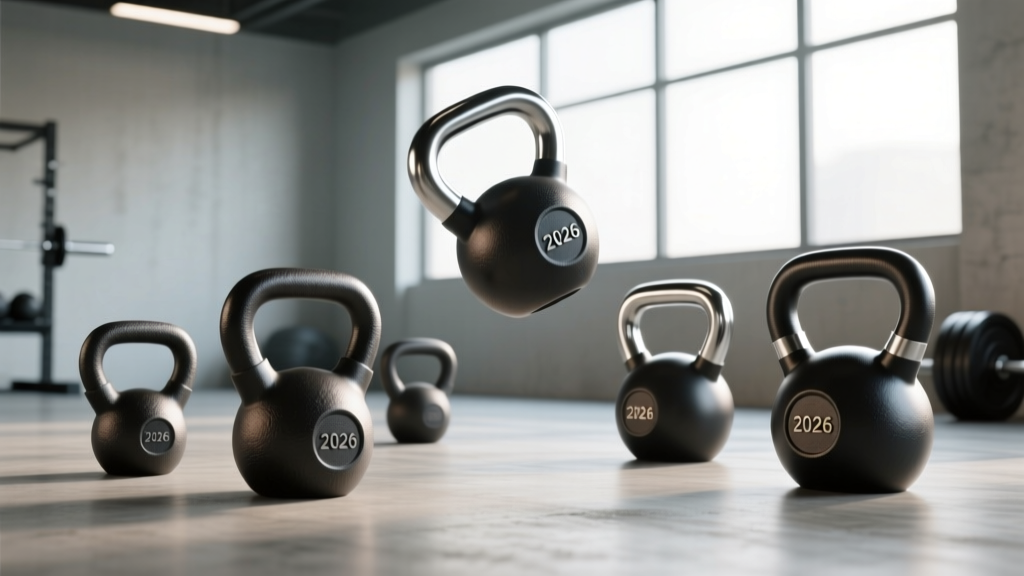
Beyond the Dumbbell Rear Delt Fly: 2026 Kettlebell Trends

Olympic Barbell Guide: Weight, Knurling & Lateral Lunges Dumbbells