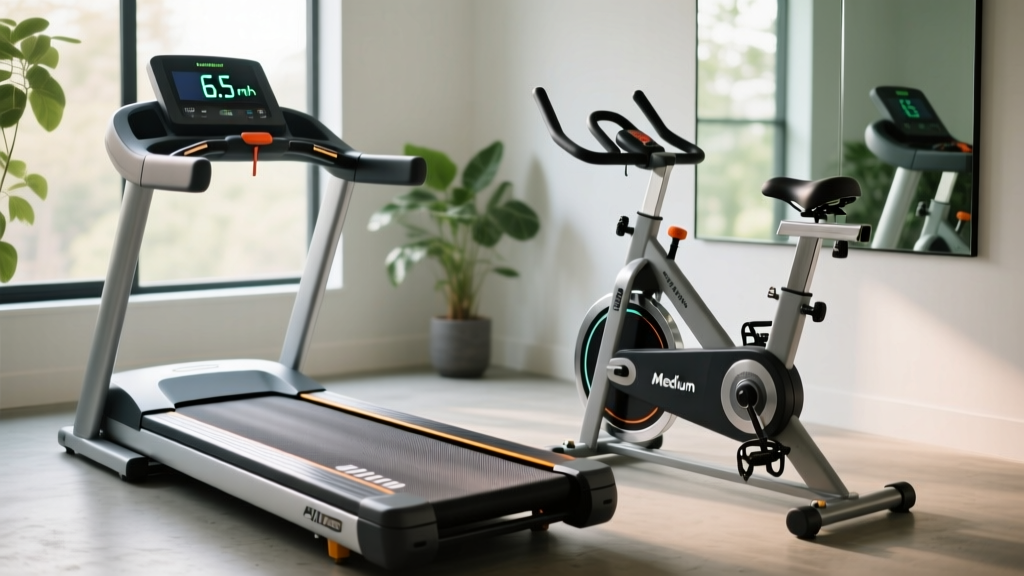
Calibrating a Good Speed for Treadmill & Stationary Bike Types Care
Learn to calibrate a good speed for treadmill accuracy and perform drivetrain maintenance on upright, recumbent, and spin stationary bike types.

The Intersection of Calibration and Longevity in Home Cardio Fleets
As home gym setups evolve in 2026, the line between commercial-grade durability and consumer fitness equipment continues to blur. However, the fundamental physics of friction, tension, and electronic calibration remain unchanged. Whether you are dialing in a good speed for treadmill intervals or adjusting the magnetic resistance on a stationary bike, the mechanical integrity of your drivetrain dictates both the accuracy of your workout data and the lifespan of the machine. According to the American Heart Association, consistent cardiovascular training is vital for heart health, but inconsistent equipment calibration can lead to biomechanical imbalances and premature joint fatigue.
This comprehensive maintenance guide bridges the gap between treadmill speed calibration and the specific drivetrain care required for the three primary stationary bike types: upright, recumbent, and spin. By implementing these targeted longevity protocols, you can protect your investment and ensure your console metrics reflect your actual physiological output.
Treadmill Drivetrain: Ensuring a Good Speed for Treadmill Accuracy
When programming high-intensity interval training (HIIT) or steady-state zone-2 cardio, hitting a good speed for treadmill sessions—such as a brisk 4.0 mph walk or an 8.5 mph sprint—requires the motor controller and belt to respond instantaneously. If your treadmill's speed sensor is misaligned or the deck lacks lubrication, the belt will slip, causing a jarring deceleration that stresses both your Achilles tendons and the machine's DC motor.
Speed Sensor Calibration and Belt Tension
Most modern treadmills, including popular models like the Sole F80 or NordicTrack T-Series, utilize either an optical disk sensor or a magnetic reed switch mounted near the motor flywheel to calculate speed. If your console displays 6.0 mph but the belt feels sluggish, the sensor gap may have widened due to vibration.
- The Lift Test: With the machine powered off, reach under the center of the treadmill belt. You should be able to lift it exactly 2 to 3 inches off the deck. If it lifts higher, the rear roller tension bolts need a quarter-turn clockwise adjustment using a 6mm Allen wrench.
- Sensor Realignment: Unplug the unit and remove the motor hood. Locate the reed switch near the front roller. The gap between the magnet and the sensor should be no more than 3mm. Use a multimeter to test the continuity of the sensor while manually rotating the flywheel.
Never use WD-40 or petroleum-based solvents on a treadmill deck. These chemicals will melt the phenolic resin coating on the MDF deck, causing irreversible friction damage and voiding your warranty. Always use a 100% pure silicone treadmill lubricant (brands like Spot On or Godora cost between $12 and $18). Apply 15ml in a zigzag pattern under the belt every 150 miles or 30 days of heavy use.
Stationary Bike Types: Upright, Recumbent, and Spin Maintenance
While treadmills require heavy focus on friction and motor heat, stationary bikes demand meticulous attention to bearing integrity, belt tension, and sweat corrosion. The Consumer Reports fitness reliability index frequently highlights that stationary bike failures are rarely electronic; they are almost always mechanical, stemming from neglected drivetrain components.
1. Upright Bikes (Belt-Drive & Magnetic Resistance)
Upright bikes, such as the Schwinn IC4 or Bowflex C6, simulate traditional road cycling geometry. They typically use a Poly-V ribbed belt connected to a heavy steel flywheel, paired with a micro-adjustable magnetic resistance brake.
- Poly-V Belt Tension: Unlike chains, Poly-V belts do not require lubrication. However, they can stretch over the first 100 hours of use. If you hear a high-pitched squealing during high-cadence sprints (100+ RPM), remove the side shroud and check the belt deflection. It should depress about 10mm under moderate thumb pressure. Adjust the idler pulley if necessary.
- Hall Effect Sensor Care: The resistance knob uses a Hall effect sensor to translate physical knob turns into digital wattage. Keep the area around the resistance knob free of dust and aerosolized sweat, which can corrode the delicate wiring harness.
2. Recumbent Bikes (Seat Carriages & Low-Impact Joints)
Recumbent bikes like the Sole R92 are engineered for low-impact rehabilitation and extended steady-state cardio. Because the user's weight is distributed across a large seat rather than a small saddle, the mechanical stress is shifted to the seat carriage and pedal cranks.
- Seat Rail Lubrication: The adjustable seat carriage rolls on steel or aluminum rails using nylon or ball-bearing wheels. Every six months, wipe the rails with a microfiber cloth and apply a light coat of PTFE (Teflon) dry lubricant. Avoid wet greases, which attract dust and form an abrasive paste that will grind down the carriage wheels.
- Pedal Strap and Cleat Degradation: Recumbent users often push heavily through the heel. Inspect the pedal axle threads monthly. If you use SPD cleats, check the pedal release tension springs and apply a drop of lightweight bicycle chain oil to prevent the springs from seizing due to ambient humidity.
3. Spin Bikes (Chain Tension & Sweat Corrosion)
Indoor cycling bikes (e.g., older chain-drive models or the Keiser M3i with its eddy-current magnetic system) are subjected to the harshest environments in a home gym. The combination of high-humidity sweat and aggressive out-of-the-saddle riding creates unique failure points.
- Chain-Drive Maintenance: If your spin bike utilizes a standard bicycle chain, it requires cleaning and lubrication every 50 hours. Use a citrus-based degreaser, followed by a dry ceramic chain lube. A poorly lubricated chain will stretch, eventually skipping teeth on the chainring and causing catastrophic pedal slip during heavy climbs.
- Sweat Corrosion Protocols: Human sweat is highly saline and corrosive. The CDC notes the physical benefits of vigorous indoor cycling, but the biological output can destroy unprotected steel flywheels and bottom bracket bearings. Always drape a sweat towel over the handlebars and, post-ride, wipe down the frame, flywheel guard, and seat post with a 50/50 mixture of distilled water and white vinegar to neutralize salts.
Expert Insight: "The bottom bracket on a spin bike bears the brunt of lateral torque when riders stand up. If you notice a rhythmic clicking sound synced with your pedal stroke, the bottom bracket cartridge bearings are likely pitted from sweat intrusion. Replacing a standard 68mm sealed cartridge bottom bracket costs under $25 and requires only a standard bottom bracket tool and a 3/8-inch ratchet."
The 2026 Cardio Maintenance Matrix
To streamline your home gym care routine, refer to this maintenance matrix. Adhering to these intervals will prevent 90% of common drivetrain failures and ensure your equipment metrics remain accurate.
| Machine Type | Drivetrain System | Primary Maintenance Task | Interval | Est. Cost |
|---|---|---|---|---|
| Treadmill | MDF Deck / Urethane Belt | 100% Silicone Lubrication & Belt Alignment | Every 150 miles | $15 |
| Upright Bike | Poly-V Belt / Magnetic | Idler Pulley Tension & Sensor Dusting | Every 6 months | $0 - $10 |
| Recumbent Bike | Seat Carriage / Crank Arms | PTFE Rail Lubrication & Pedal Thread Check | Every 3 months | $12 |
| Spin Bike (Chain) | Steel Chain / Chainring | Degreasing & Ceramic Dry Lube Application | Every 50 hours | $18 |
| Spin Bike (Belt) | Gates Carbon Drive / Magnetic | Frame Sweat Neutralization (Vinegar Wipe) | After every ride | $2 |
Troubleshooting Drivetrain Slippage and Sensor Errors
Even with rigorous maintenance, components will eventually wear. Recognizing the early auditory and tactile signs of failure can save you from an expensive motor or console replacement.
Treadmill Error Codes and Motor Heat
If your treadmill console flashes an E1 or E2 error code and shuts down mid-stride, this is typically a speed sensor fault or an over-current draw protection trigger. When the deck is dry, the friction coefficient spikes. The DC motor must draw excess amperage to maintain a good speed for treadmill jogging paces, tripping the internal thermal breaker. Allow the motor to cool for 45 minutes, lubricate the deck, and reset the breaker via the red switch near the power cord.
Bike Bearing and Flywheel Noise
A grinding noise emanating from the bottom bracket or flywheel shaft on a stationary bike indicates bearing seal failure. Unlike automotive bearings, indoor bike bearings are sealed cartridge units. They cannot be repacked with grease once the internal lubricant washes out or degrades. If you experience lateral wobble in the pedals or the flywheel, order a replacement sealed bearing specific to your crank spindle diameter (usually 22mm or 24mm for modern fitness bikes) and press it in using a standard headset press tool.
Longevity Protocols for Smart Cardio Gear
In 2026, hardware maintenance must be paired with software hygiene. Smart treadmills and connected bikes rely on internal Wi-Fi modules and Bluetooth ANT+ receivers to sync with cloud-based training apps. Ensure your machine's firmware is updated quarterly; manufacturers frequently release patches that optimize the motor controller's PID (Proportional-Integral-Derivative) algorithm, resulting in smoother speed transitions and reduced electrical heat generation. Furthermore, keep the equipment in a climate-controlled environment. Ambient humidity above 65% accelerates the oxidation of exposed steel flywheels and corrodes the solder joints on internal PCB boards, leading to ghost inputs and erratic resistance changes.
By treating your cardio fleet with the same mechanical respect as a high-end road bicycle or commercial gym asset, you ensure that every workout is safe, accurate, and biomechanically sound. Whether you are locking into a recumbent seat for a recovery session or calibrating the belt to hit a good speed for treadmill tempo runs, proactive maintenance is the ultimate key to fitness longevity.
More gear to consider
All reviews
What Is a Good Treadmill for Seniors vs Stationary Bikes? Care Guide
Elliptical vs Treadmill: Do You Need an LA Fitness Treadmill?
Walking Backwards on Treadmill Knees Hurt? Best Stationary Bike Types
Treadmill Motor Setup for a 20 Minute HIIT Treadmill Workout
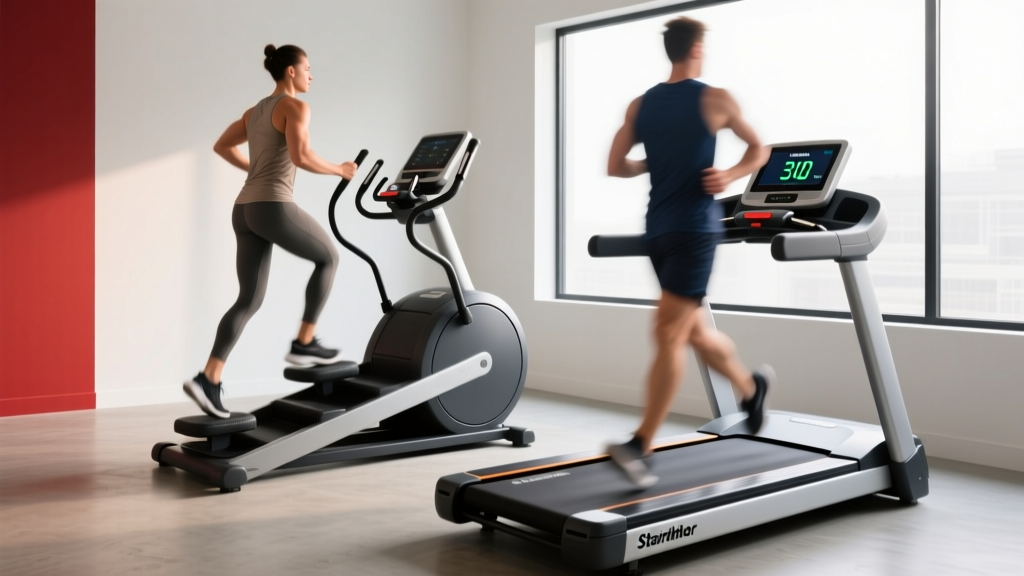
Stairmaster or Treadmill? Feature Comparison Mistakes to Avoid
