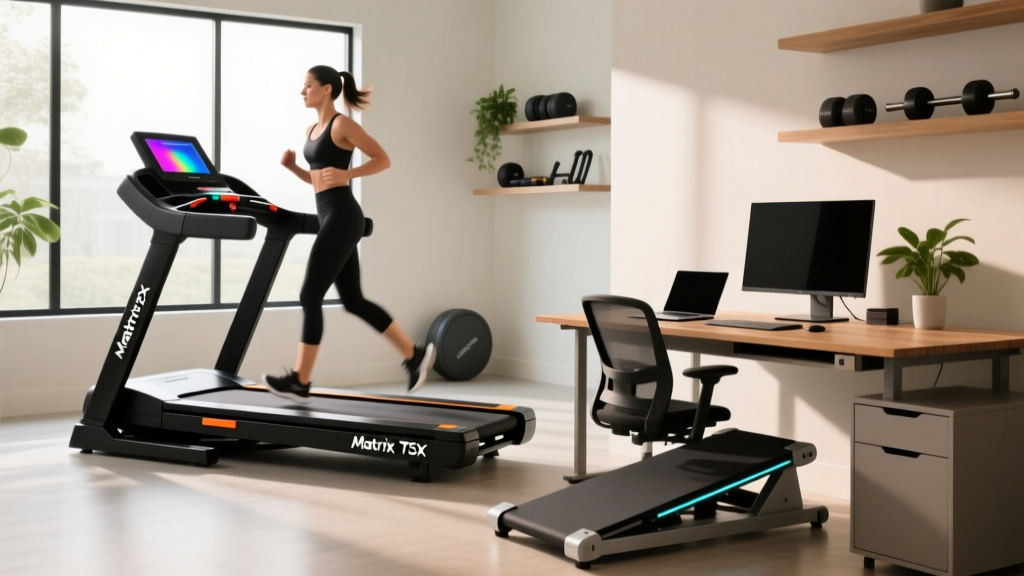
Horizon T202 Treadmill Setup & Motor Horsepower Guide
Master your Horizon T202 treadmill setup with our complete installation walkthrough, electrical requirements, and in-depth motor horsepower guide.

Introduction to the Horizon T202 and Motor Longevity
The Horizon Fitness T202 remains one of the most reliable mid-tier cardio machines on the market in 2026, prized for its 2.75 Continuous Horsepower (CHP) motor and 325-pound weight capacity. However, the lifespan of any treadmill motor is inextricably linked to how it is unboxed, assembled, and connected to your home's electrical grid. A poorly executed setup can cause voltage drops, excessive amp draw, and premature failure of the lower control board. This complete setup and installation walkthrough will guide you through the physical assembly of the T202 while providing a comprehensive treadmill motor size and horsepower guide to ensure your machine operates at peak efficiency for years to come.
Pre-Installation Checklist
- Clear a space measuring at least 78 inches long by 34 inches wide, plus 3 feet of clearance behind the deck for safety.
- Locate a dedicated 15-amp or 20-amp electrical circuit (do not share with high-draw appliances).
- Unbox the T202 on a soft surface to avoid scratching the console or motor cowling.
- Inventory all hardware: 14 upright bolts, 4 console screws, safety key, and lubricant.
Phase 1: Electrical Setup and Motor Power Requirements
Before lifting a single wrench, we must address the electrical environment. The T202's 2.75 CHP motor requires clean, consistent voltage. According to the Consumer Reports treadmill buying guide, plugging a treadmill into a shared circuit or using an extension cord is the leading cause of motor and control board failure in home gyms.
The Danger of Voltage Drop
When a treadmill motor starts up, it requires a surge of current. If you use a standard 14-gauge extension cord, the resistance in the wire causes a voltage drop. To compensate for the lower voltage and maintain its 2.75 CHP output, the motor draws higher amperage. This excess heat degrades the motor windings and frequently trips the thermal breaker or fries the PWM (Pulse Width Modulation) motor controller. Always plug the T202 directly into a wall receptacle on a dedicated circuit.
Warning: Never use a GFCI (Ground Fault Circuit Interrupter) outlet for your T202. The natural electrical noise and startup surges generated by treadmill motors can cause GFCI breakers to trip unexpectedly, halting your workout and potentially corrupting the console memory.
Phase 2: Physical Assembly Walkthrough
With the electrical site verified, proceed with the physical assembly. The T202 ships with the deck and motor pre-assembled, saving you the most complex step. Your primary focus will be the uprights and console.
- Stand the Base Upright: With a partner, carefully tilt the main frame upward. Insert the left and right uprights into the base brackets. Insert the 14 hex bolts but do not fully tighten them yet.
- Route the Data Cable: This is the most critical edge case in treadmill assembly. Feed the console ribbon cable through the right upright. Ensure the cable is not pinched between the metal brackets. A pinched cable will result in a blank console or erratic speed readings.
- Secure the Uprights: Once the cables are clear, use the included Allen wrench to torque down all 14 bolts in a star pattern to ensure even pressure on the frame welds.
- Mount the Console: Connect the ribbon cable to the back of the console until you hear a distinct 'click'. Secure the console with the 4 Phillips-head screws.
Phase 3: Treadmill Motor Size and Horsepower Guide
To truly understand what you have just assembled, it is vital to understand the heart of the machine. When shopping for or maintaining cardio equipment, the Treadmill Doctor motor diagnostics database emphasizes that consumers must look past marketing jargon and focus on Continuous Horsepower (CHP).
Decoding CHP vs. Peak HP vs. Treadmill Duty
Manufacturers often advertise 'Peak HP' (e.g., 4.0 Peak HP), which only measures the motor's maximum output for a fraction of a second before it overheats. The Horizon T202 features a 2.75 CHP (Continuous Horsepower) motor. This means it can sustain 2.75 horsepower continuously throughout your entire workout without exceeding its thermal limits. Furthermore, the T202 uses a 'Treadmill Duty' (TD) rating, which includes a specialized cooling fan and heavier-gauge windings designed specifically for the high-impact, variable-load environment of a running deck.
Motor Sizing Matrix for Home Use
How does the T202's 2.75 CHP motor compare to other sizes on the market? Use the table below to understand motor sizing relative to user weight and activity level.
| Motor Rating (CHP) | Ideal User Weight | Primary Use Case | Thermal Risk Level |
|---|---|---|---|
| 2.0 - 2.5 CHP | Under 180 lbs | Walking only | High (if running) |
| 2.75 CHP (T202) | Up to 225 lbs | Walking / Light Jogging | Moderate |
| 3.0 - 3.5 CHP | Up to 300 lbs | Daily Running / HIIT | Low |
| 4.0+ CHP | 300+ lbs | Marathon Training | Very Low |
Note: While the T202 has a maximum weight capacity of 325 lbs, users approaching this limit should stick to walking. Running at 300+ lbs on a 2.75 CHP motor causes excess amperage draw, leading to thermal shutdown.
Phase 4: Calibration, Belt Tension, and First Run
Once assembled, do not immediately jump on and start sprinting. The motor and belt require a break-in period. According to Horizon Fitness official support documentation, proper belt tension is the primary factor in reducing motor strain.
Testing Amp Draw (The Expert Method)
For the ultimate setup verification, use a digital clamp meter around the main hot wire inside the motor cowling (or the main power cord if using a specialized breakout adapter). A properly lubricated T202 belt with a 150 lb user walking at 3.0 mph should draw between 4 to 6 amps. If you observe a draw exceeding 10 amps during a light walk, the motor is working too hard due to belt friction. This will eventually fry the lower control board. If amps are high, loosen the rear roller bolts by a quarter-turn and apply 100% silicone treadmill lubricant under the belt.
The 30-Minute Break-In Protocol
- Minutes 0-10: Walk at 2.0 mph. Listen for rubbing noises from the motor cowling or deck.
- Minutes 10-20: Increase to 4.0 mph. Engage the incline to 5% to test the incline motor's calibration and ensure the main drive belt doesn't slip.
- Minutes 20-30: Return to 0% incline and 3.0 mph. Allow the internal cooling fan to normalize the motor temperature before powering down.
Troubleshooting Setup Edge Cases
Even with meticulous assembly, you may encounter edge cases related to the motor and setup environment.
1. Console Displays 'E1' or 'E2' Error Codes
These are communication errors between the console and the motor controller. 90% of the time, this is caused by the data ribbon cable being seated at a slight angle during Phase 2. Unplug the machine, detach the console, and reseat the cable perfectly straight.
2. Motor Emits a Faint 'Ozone' Smell
A slight electrical smell during the first three workouts is normal as the motor windings cure and factory dust burns off the commutator. However, if the smell persists past the first week, it indicates the motor is overheating due to a shared electrical circuit or a severely dry walking belt.
3. Speed Surges or Stutters
If the belt stutters in rhythm with your footfalls, the motor is struggling to compensate for the load. This is a classic symptom of a 2.75 CHP motor being pushed beyond its continuous duty limit by a heavier user. The fix is not to replace the motor, but to apply high-quality silicone lubricant to the deck to reduce the coefficient of friction, thereby lowering the amp draw back to a safe 6-8 amp range.
Final Thoughts on the T202 Setup
Setting up the Horizon T202 is about more than just tightening bolts; it is about creating an optimal environment for its 2.75 CHP motor to thrive. By respecting the electrical requirements, understanding the limitations and strengths of continuous horsepower, and verifying your belt friction via amp draw, you ensure your investment delivers smooth, reliable cardio for the long haul.
More gear to consider
All reviews
Compact Folding Treadmill Review: NordicTrack Treadmill Manuals Online

2026 Market Trend: Elliptical vs Treadmill XM Q1 for Home Cardio
Air Bike vs Assault Bike: Better Than 30 min on the treadmill?

Portable Cardio: What's a Good Incline for Treadmill Walking Pads?

Stair Climber Home Guide: Step Impact vs. Treadmill Deck Cushioning