Where to Donate Fitness Equipment: Hidden Costs & Tax Breakdown
Discover where to donate fitness equipment without hidden fees. Break down transport costs, disassembly pricing, and IRS tax deduction rules for gym gear.

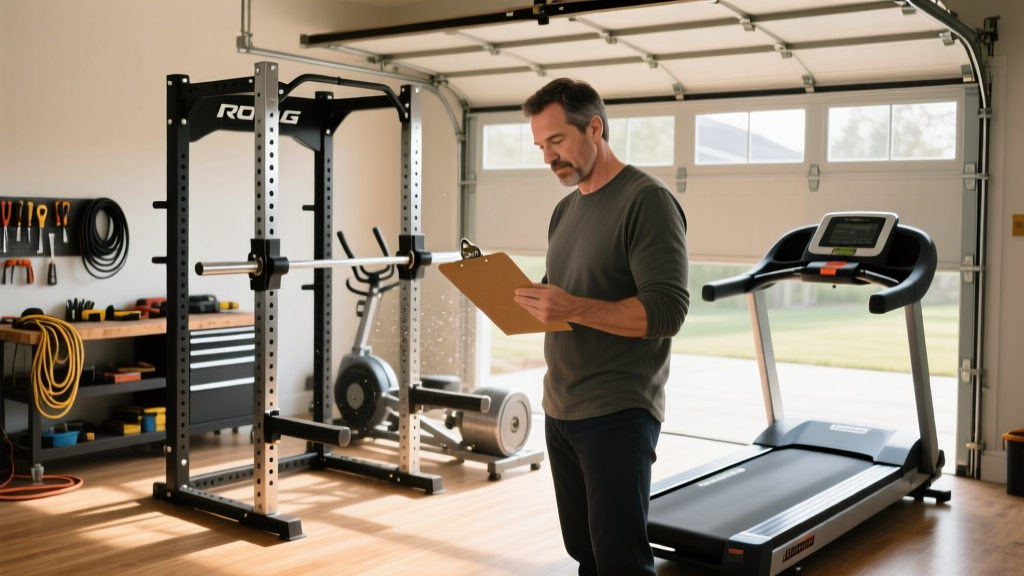
Upgrading your home gym is an exciting milestone, but figuring out where to donate fitness equipment often reveals unexpected logistical and financial hurdles. Heavy iron, motorized cardio machines, and bolted-down rigs do not simply disappear for free. While the act of giving away your gear feels charitable, the physical realities of moving a 240-pound NordicTrack Commercial 1750 treadmill or a 215-pound Rogue Echo 4x3 Power Rack require careful budget planning. If you fail to account for disassembly labor, freight costs, and strict IRS valuation rules, your well-intentioned donation can quickly become a costly burden.
The True Cost of Donating Heavy Gym Gear
Most homeowners assume charities will gladly send a truck to pick up used gym equipment for free. In reality, major thrift operators like Goodwill and The Salvation Army explicitly reject most fitness equipment. Goodwill’s corporate guidelines generally prohibit accepting motorized equipment or any single item exceeding 50 pounds due to worker injury liability and resale floor-space constraints. When you are turned away by standard thrift stores, you must explore alternative routes, each carrying specific price tags.
Many local junk removal franchises advertise "free charity pickups," but this usually applies only to lightweight household goods. If a crew arrives and realizes they need to dismantle a bolted-down squat rack or carry a 300-pound elliptical down a flight of stairs, they will reclassify the job as a standard junk removal haul. Expect an immediate surcharge of $150 to $350 for the heavy labor and specialized disposal routing.
Disassembly and Teardown Expenses
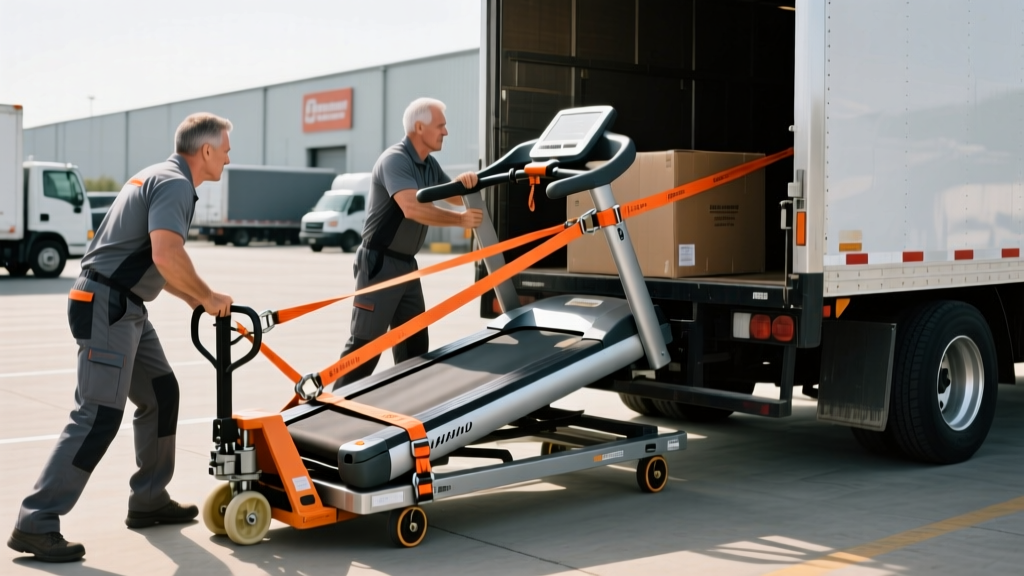
Before equipment can be transported, it must be broken down to fit through standard 32-inch interior doorways. If you hire specialized fitness equipment movers to handle the teardown, expect to pay between $75 and $150 per machine. If you choose to DIY the disassembly to save money, be prepared for hidden hardware costs. For example, if you strip the factory hex bolts on a power rack during teardown, replacing them with Grade 8 metric structural bolts from a hardware store will cost $15 to $30, but this is mandatory to prevent catastrophic structural failure when the receiving charity reassembles the rig.
Where to Donate Fitness Equipment: Cost vs. Impact Matrix
Finding the right recipient requires balancing your logistics budget against the charitable impact you want to achieve. Below is a breakdown of the most viable destinations for heavy gym gear, including the associated financial outlay and tax implications.
| Destination | Weight / Size Limits | Estimated Logistics Cost | Tax Deduction Potential |
|---|---|---|---|
| Local YMCA / Rec Center | Unlimited (Accepts commercial rigs) | $150 - $300 (Freight/Movers) | High (Fair Market Value) |
| High School Athletics | Unlimited (Needs prior approval) | $40 - $80 (DIY U-Haul Cargo Van) | High (Fair Market Value) |
| Women's Shelters / Rehab Centers | Light Cardio / Dumbbells (< 100 lbs) | $0 - $50 (Personal Vehicle) | Moderate |
| Buy Nothing / Freecycle Groups | Unlimited (Buyer handles transport) | $0 (Zero logistics effort) | None (Gift, not 501c3 charity) |
If your primary goal is to eliminate the equipment with zero out-of-pocket transport costs, posting the gear on a local Buy Nothing Facebook group or Craigslist "Free" section is the most financially sound strategy. You sacrifice the IRS tax deduction, but you completely eliminate the $200+ freight bill required to move a 400-pound cable crossover machine.
Navigating IRS Tax Deductions for Donated Gym Equipment
When you decide where to donate fitness equipment to a registered 501(c)(3) nonprofit, the tax benefits can offset your logistical costs—but only if you follow strict IRS valuation frameworks. The most common mistake homeowners make is assuming the tax deduction equals the depreciated retail value of the machine. The IRS mandates that deductions are based on Fair Market Value (FMV), which is defined as the price a willing buyer would pay for the item in a thrift store or used marketplace in its current condition.
"A $3,000 Technogym Artis treadmill purchased three years ago might only command $600 on the used market due to wear on the deck and outdated console software. Your legal tax deduction is capped at that $600 FMV, not the original purchase price or a straight-line depreciation calculation." — IRS Publication 561: Determining the Value of Donated Property
Form 8283: Section A vs. Section B Thresholds
To claim noncash charitable contributions, you must file IRS Form 8283 alongside your standard tax return. The complexity and cost of filing this form scale with the value of your donated gym gear:
- Under $250: You only need a contemporaneous written acknowledgment (receipt) from the charity detailing the items donated. No formal appraisal is required.
- $250 to $500: Requires the charity's receipt plus a declaration of whether any goods or services were provided in exchange for the gear.
- $500 to $5,000 (Section A): You must complete Section A of Form 8283, detailing how you acquired the property, its original cost, and the specific FMV calculation method used (e.g., comparable sales on eBay or specialized fitness resale sites).
- Over $5,000 (Section B): This triggers the most expensive hurdle. You must obtain a qualified written appraisal from a certified fitness equipment appraiser. Paying a professional appraiser to evaluate a commercial-grade home gym setup typically costs between $300 and $600 out of pocket. Unless your total gym package is exceptionally high-end and the tax savings outweigh the appraisal fee, it is often more cost-effective to intentionally cap your deduction claim at $4,999.

Step-by-Step Budget Plan for Your Equipment Exit
To ensure your donation process remains financially viable, follow this sequenced budget plan before making any phone calls to charities.
- Conduct a Weight and Dimension Audit: Weigh every piece of equipment and measure the longest unbreakable dimension. If a piece exceeds 80 inches in length or 150 pounds, immediately rule out standard thrift stores and focus on local schools or specialized nonprofits.
- Secure the Receiving Charity's Tax ID: Before spending a dime on movers, verify the organization's 501(c)(3) status using the IRS Tax Exempt Organization Search tool or platforms like Charity Navigator. If they are not registered, your logistics spend yields zero tax return.
- Obtain Three Freight Quotes: Contact specialized fitness equipment movers (who understand how to wrap chrome Olympic bars and protect digital consoles) rather than general household movers. General movers often charge premium "heavy item" surcharges that specialized fitness logistics companies bake into their flat rates.
- Document Condition Pre-Transport: Take timestamped, high-resolution photos of the equipment functioning correctly. If the charity later claims the machine was damaged upon arrival and refuses to issue a tax receipt, your visual documentation serves as proof of FMV at the time of the transfer.
Frequently Asked Questions About Equipment Donation Costs
Can I deduct the cost of hiring movers to transport the donated equipment?
No. The IRS strictly prohibits deducting the out-of-pocket expenses you incur to transport, disassemble, or deliver the donated property. You can only deduct the Fair Market Value of the physical equipment itself. The moving fees are considered personal expenses.
What happens if a charity refuses to pick up my heavy weight plates?
Iron weight plates are notoriously difficult to donate because they crack concrete floors during drop-offs and pose severe pinch hazards to volunteer staff. If a charity refuses them, consider selling the iron plates to a local commercial gym or scrap metal recycler (cast iron typically yields $0.10 to $0.20 per pound), and donate the proceeds as a cash contribution, which is much easier to document and deduct.
Are there tax benefits to donating equipment to a local public school?
Yes, provided the school district is a recognized government entity or operates under a registered 501(c)(3) educational foundation. Donating directly to a public high school wrestling room or weight room qualifies for the same FMV tax deductions as donating to a national nonprofit, and schools are often much more willing to accept heavy, commercial-grade gear than retail thrift stores.
More gear to consider
All reviews
Best Weider Home Gym Models for a Budget Setup Under $500 (2026)

The Best Equipment for Back Strength: A Practical Home Gym Checklist

CAP Home Gym Weight Guide: How Much Iron Do You Actually Need?
How to Set Up a Home Gym in a Rental: 2026 No-Damage Guide
Joe Rogan Home Gym Vibe: Beginner Starter Kit & Layout