
Pepins Dumbbell Upgrade: Olympic Barbell Weight & Knurling Mistakes
Upgrading from a pepins dumbbell? Avoid common Olympic barbell buying mistakes. Troubleshoot weight tolerances, PSI ratings, and knurling profiles today.

Transitioning from unilateral dumbbell work to bilateral barbell training is a massive milestone in any lifter's journey. Whether you are maxing out your adjustable set or retiring a vintage pepins dumbbell from your garage gym, moving to a standard 20kg Olympic barbell introduces entirely new variables. Many lifters assume a barbell is just a long piece of steel, but treating all bars equally is the fastest way to stall your progress, tear your hands, or warp your equipment.
In this 2026 troubleshooting guide, we dive deep into the most common mistakes lifters make when buying their first (or second) Olympic barbell, specifically focusing on the two most misunderstood metrics: true weight calibration and knurling profiles. By the end of this guide, you will know exactly how to diagnose grip failures, identify subpar steel, and select the right bar for your specific training style.
The Weight Illusion: Why Your '45 lb' Bar Might Be Lying
The most frequent mistake lifters make when upgrading from a pepins dumbbell setup to a barbell is trusting the manufacturer's stated weight without verifying the steel's tensile strength and manufacturing tolerances. A cheap, $120 import barbell listed as '45 lbs' will often weigh closer to 43.5 lbs right out of the box. More dangerously, the steel quality dictates how the bar behaves under load.
Tensile strength, measured in Pounds per Square Inch (PSI), determines the bar's 'whip' (elasticity) and its yield point (the weight at which it permanently bends). If you are loading up 400+ lbs for heavy squats on a low-PSI bar, you risk permanent deformation.
| Barbell Grade | Tensile Strength (PSI) | Weight Tolerance | Best Application | Avg. Price Range (2026) |
|---|---|---|---|---|
| Entry-Level / Budget | 150k - 165k PSI | +/- 5% | Light home use, beginners | $120 - $180 |
| Multipurpose (MP) | 190k PSI | +/- 2% | General fitness, CrossFit | $220 - $280 |
| Powerlifting (PL) | 200k - 205k PSI | +/- 1% | Heavy squats, deadlifts, bench | $290 - $350 |
| Olympic Weightlifting (WL) | 210k - 215k+ PSI | +/- 0.5% | Snatches, cleans, high whip | $350 - $800+ |
Troubleshooting: How to Test Your Bar's Integrity
If your barbell feels 'dead' or unbalanced, perform this quick diagnostic:
- The Spin Test: Hold the shaft and spin the sleeve. A high-quality bar uses bronze bushings or needle bearings for a smooth, prolonged spin. If it grinds or stops immediately, the internal hardware is poorly machined, which will cause wrist torque during heavy cleans.
- The Scale Test: Weigh the bare bar on a calibrated digital floor scale. If it reads under 44 lbs, your progressive overload tracking is already compromised.
- The Whip Test: Load the bar to 225 lbs, perform a heavy deadlift, and observe the bar's oscillation at the lockout. Excessive, uncontrolled bouncing indicates a low-PSI steel that lacks the rigidity required for heavy powerlifting.
Decoding Knurling: The Hidden Cause of Hand Tears and Slips
When lifters transition from the smooth, rubber-coated handles of a pepins dumbbell to raw steel, knurling becomes the primary point of friction—literally. Knurling is the cross-hatched pattern machined into the steel shaft. Choosing the wrong knurl profile is the number one cause of hand tearing during Olympic lifts and bar slippage during heavy deadlifts.
The Three Knurling Geometries
1. Hill (Passive): The peaks of the knurl are rounded off. It feels smooth and is excellent for high-rep Olympic weightlifting, but it will slip during heavy, sweaty deadlifts.
2. Volcano (Aggressive but Grippy): The machine cuts a sharp rim but leaves a small 'crater' in the center. This provides maximum surface area for grip without acting like a cheese grater on your calluses. The Rogue Ohio Power Bar is the gold standard for this profile.
3. Mountain (Sharp): The peaks are left sharp and pointed. Found on older or highly specialized deadlift bars (like the classic Texas Deadlift Bar). It offers immense grip but will tear your hands if used for high-volume hang cleans.
Shaft Diameter: The Overlooked Grip Variable
Knurling doesn't work in isolation; shaft diameter dictates how your fingers wrap around the bar. According to USA Weightlifting standards, Olympic weightlifting bars feature a 28mm shaft to accommodate the hook grip and rapid wrist transitions. Powerlifting bars feature a 29mm shaft for maximum rigidity and knurl surface area. If you buy a 29mm power bar but primarily train Olympic lifts, you will experience severe wrist pain and grip fatigue.
Troubleshooting Guide: Fixing Your Barbell Setup
If you have already purchased a barbell and are experiencing issues, use this diagnostic matrix to troubleshoot your setup before buying new equipment.
- Problem: Bar slips out of hands during heavy deadlifts.
Diagnosis: You likely have a 'Hill' knurl or a 28mm shaft.
Fix: Use lifting chalk (magnesium carbonate). If chalk fails, you need to upgrade to a 29mm shaft with a Volcano knurl (e.g., Kabuki Strength or Rogue Power Bars). - Problem: Calluses tearing during high-rep cleans.
Diagnosis: Your bar has a 'Mountain' knurl or the knurl is clogged with dead skin and chalk, creating sharp, uneven ridges.
Fix: Scrub the knurl with a brass wire brush and dish soap. If the knurl is inherently too sharp, reserve this bar for slow, heavy pulls and buy a dedicated WL bar with a passive knurl. - Problem: Bar feels off-center during back squats.
Diagnosis: Missing or worn center knurl, or uneven sleeve weight distribution.
Fix: Check the center knurl (see below). If the bar is physically unbalanced, contact the manufacturer for a warranty replacement, as this indicates a severe machining defect.
The Center Knurl: The Squat Troubleshooting Secret
'A bare shaft in the center of a barbell is a missed opportunity for stability. If you are squatting heavy, the center knurl is the only thing keeping 500 lbs from sliding down your back when you sweat.' — Elite Biomechanics Coaching Staff
Many lifters buying their first barbell opt for a 'dual-purpose' or Olympic weightlifting bar to save money. These bars typically omit the center knurl to prevent tearing the chest during the clean and jerk. However, if your primary goal is powerbuilding or heavy back squats, the lack of a center knurl is a massive liability.
When troubleshooting squat instability, look for a bar with a wide, aggressive center knurl. IPF-approved powerlifting bars feature a prominent center knurl that 'bites' into your cotton t-shirt or bare back, locking the bar in place. If you are currently using an IWF-style bar for heavy squats and finding the bar migrates up your neck during the ascent, the missing center knurl is your culprit.
Final Thoughts on Your Home Gym Evolution
Upgrading your home gym is an investment in your biomechanics and safety. Moving from a fixed-weight pepins dumbbell to a dynamic, whip-capable Olympic barbell requires a fundamental shift in how you view your equipment. Do not compromise on tensile strength, and never ignore the geometry of your knurling. By matching the bar's PSI, shaft diameter, and knurl profile to your specific training modality, you will eliminate grip failures, protect your joints, and ensure your equipment lasts a lifetime. For further reading on international equipment specifications, consult the official guidelines provided by Eleiko sports science and the IPF rulebook.
More gear to consider
All reviews
Adjustable Dumbbell Setup: Dumbbell Barbell Overhead Press Guide

Crunch Fitness Dumbbells to Olympic Barbells: Knurling Guide
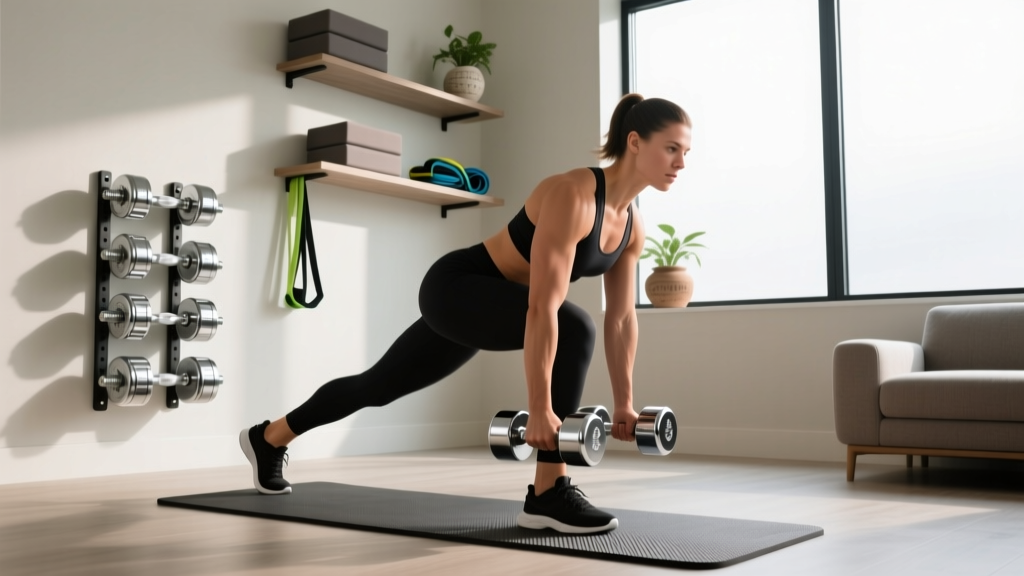
Space Layouts for Hamstring Exercises at Home With Dumbbells
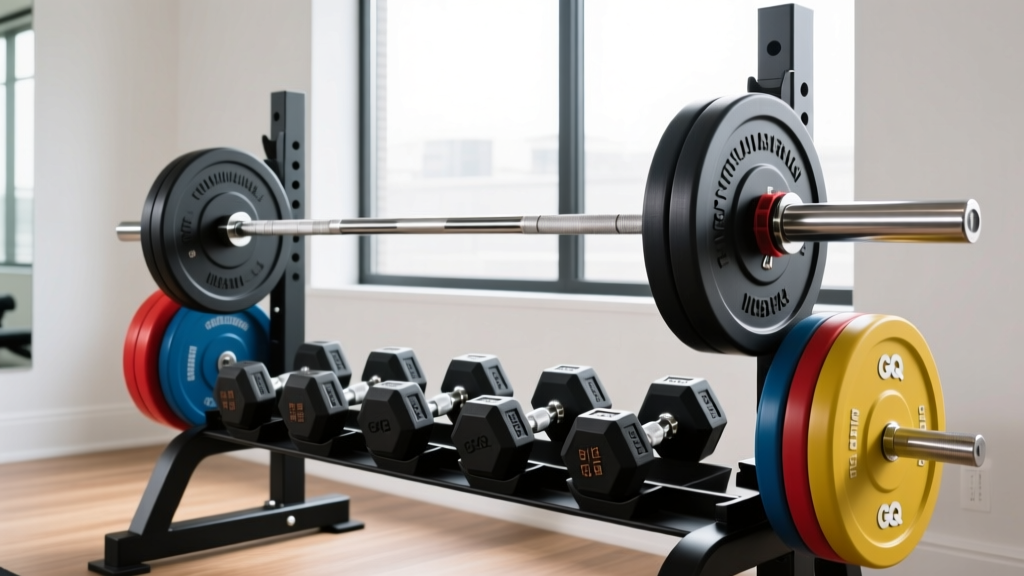
Olympic Barbell Setup: Weight, Knurling & Dumbbell Pull Aparts
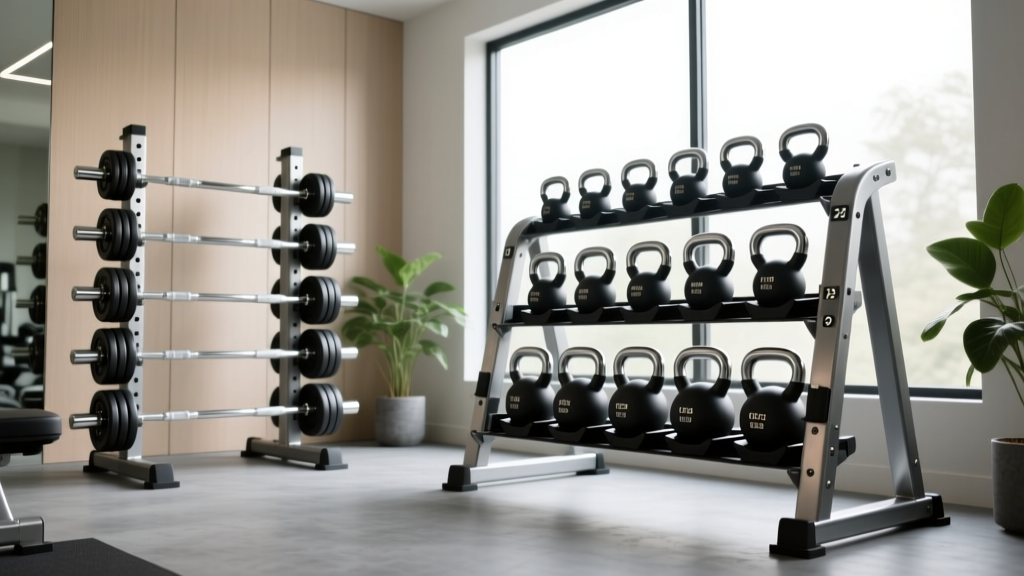
Kettlebell Versus Dumbbell Storage: Top Rack Picks 2026
