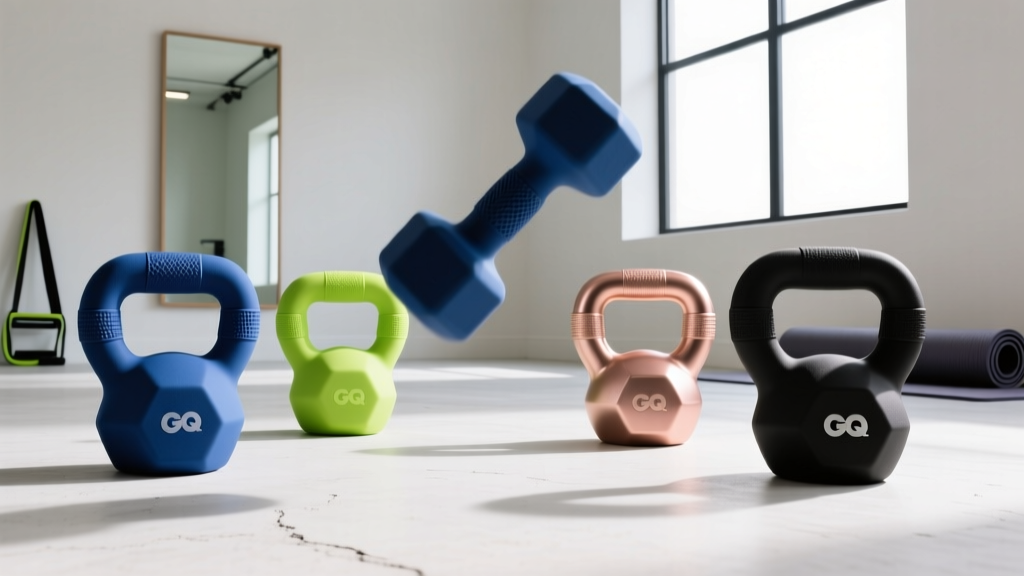
Best Neoprene Dumbbells for the Dumbbell French Press (2026)
Find the best neoprene dumbbells for the dumbbell french press. Our 2026 guide compares grip, durability, and hex shapes for safe home triceps workouts.

The Biomechanical Demands of the Dumbbell French Press
The dumbbell french press (also known as the overhead triceps extension) is a staple isolation movement for targeting the long head of the triceps brachii. According to biomechanical analyses by ExRx, performing this movement requires significant shoulder mobility, elbow stability, and, crucially, an unyielding grip. Because the weight is suspended directly over your head and face, any slippage is not just an inconvenience—it is a severe safety hazard.
When executing the two-handed variation of the dumbbell french press, lifters typically use an overlapping 'diamond' grip on the handle or cup the inner plates. Bare metal or heavily knurled handles can cause severe friction burns and blistering during high-repetition sets, while overly smooth plastic coatings can become dangerously slick when exposed to sweat. This is precisely why a neoprene coated dumbbell for home use has emerged as the optimal tool for this specific exercise.
Why Neoprene is the Superior Coating for Overhead Triceps Work
Neoprene (polychloroprene) is a synthetic rubber that offers a unique balance of tackiness and comfort. Unlike urethane, which is harder and more suited for heavy commercial dropping, neoprene features a softer durometer rating (typically Shore A 60-70). This softer surface creates a high-friction interface with the skin, virtually eliminating the micro-slips that occur during the lockout phase of the french press.
⚠️ Safety Warning: The Setup PhaseNever use round dumbbells for the dumbbell french press. The movement requires you to rest the dumbbell on your chest or shoulder before hoisting it overhead. Round dumbbells will inevitably roll off the sternum, risking bruised ribs or crushed fingers. Always select a hex-shaped neoprene dumbbell to ensure a stable, flat resting point during the setup.
2026 Comparison Matrix: Top Neoprene Dumbbells for Home Use
Not all neoprene coatings are created equal. Cheaper manufacturing processes result in thin layers that peel within months, while premium blends integrate the coating directly into the cast iron core. Below is our 2026 evaluation of the top neoprene hex dumbbells specifically suited for the weight ranges typically used in the french press (15 lbs to 35 lbs for most intermediate home lifters).
| Brand & Model | Handle Diameter | Coating Thickness | Est. Price (2026) | Best For |
|---|---|---|---|---|
| Yes4All Neoprene Hex | 1.15 inches | 2.5mm | $22 (15lb) | Overlapping diamond grip |
| CAP Barbell Neoprene Hex | 1.20 inches | 3.0mm | $32 (20lb) | Durability & plate cupping |
| BalanceFrom GoFit | 1.25 inches | 2.0mm | $28 (20lb) | Larger hands / wide grip |
| Amazon Basics Neoprene | 1.18 inches | 2.2mm | $20 (15lb) | Budget home gyms |
Critical Buying Criteria: Beyond the Coating
When selecting a neoprene dumbbell specifically for the dumbbell french press, you must evaluate the equipment through the lens of overhead isolation mechanics. Here are the non-negotiable specifications to look for.
1. Handle Diameter and Grip Fatigue
The standard two-handed french press requires you to stack your hands or interlock your fingers around a single vertical handle. If the handle diameter exceeds 1.25 inches, the mechanical disadvantage placed on your flexor digitorum muscles will cause your grip to fail before your triceps reach muscular failure. The Yes4All Neoprene Hex features a 1.15-inch handle, which is the sweet spot for accommodating a secure, interlocking two-handed grip without inducing premature forearm pump.
2. Edge Beveling and Plate Cupping
Many advanced lifters prefer the 'plate cupping' method for the french press, where the palms press directly against the inner neoprene-coated plates rather than the handle. If the hex edges are sharply beveled or poorly cast, they will dig into the heel of your palm. CAP Barbell's manufacturing process includes a slight rounded chamfer on the inner hex edges, making it vastly superior for lifters who utilize the plate-cupping technique.
3. Weight Increment Precision
Triceps isolation requires precise progressive overload. Jumping from a 15 lb to a 25 lb dumbbell is a 66% increase in load, which will inevitably lead to elbow tendonitis (specifically triceps tendinopathy). Seek out brands that offer strict 2.5 lb or 5 lb increments in their neoprene lines up to at least 30 lbs.
Step-by-Step: Executing the French Press Safely with Neoprene Hex Dumbbells
To maximize the benefits of your neoprene grip and protect your joints, follow this execution protocol endorsed by strength and conditioning principles outlined by the Mayo Clinic for safe overhead resistance training:
- The Pickup: Grasp the hex dumbbell with both hands. The tacky neoprene will prevent the weight from twisting in your palms as you lift it to your chest.
- The Rest Position: Sit on a bench with back support. Rest the flat side of the hex dumbbell securely on your thigh, then kick it back to rest horizontally across your upper chest/shoulders. The hex shape prevents it from rolling toward your throat.
- The Hoist: Press the dumbbell overhead, locking out your elbows. Wrap your hands in your preferred diamond or overlapping grip. The neoprene coating will adhere to your skin, preventing rotational slipping.
- The Descent: Keeping your elbows tucked and pointing forward (not flaring outward), lower the dumbbell behind your head until you feel a deep stretch in the long head of the triceps.
- The Lockout: Extend the elbows explosively but do not hyperextend. The high-friction neoprene ensures your bottom hand won't slide off the handle during the upward drive.
Maintenance: Preventing Neoprene Degradation
Neoprene is highly resistant to water and ozone, but it has a critical vulnerability: sebum and acidic sweat. Over time, the natural oils from your palms will break down the chemical bonds of the neoprene surface, causing it to become gummy and eventually peel at the hex corners.
Pro-Tip for 2026 Home Gym Owners: Never use bleach-based or alcohol-heavy disinfectants on neoprene dumbbells. Alcohol dries out the synthetic rubber, accelerating micro-cracking. Instead, wipe your dumbbells down after every french press session with a microfiber cloth lightly dampened with a pH-neutral soap solution, then dry immediately.
Frequently Asked Questions
Can I use one neoprene dumbbell in each hand for the french press?
While you can perform a dual-dumbbell overhead extension, the classic 'dumbbell french press' refers to the single-dumbbell, two-handed variation. Using two dumbbells simultaneously overhead drastically increases the demand on shoulder stabilizers and reduces the sheer load you can place on the triceps. For pure triceps hypertrophy, the single heavy neoprene hex dumbbell is superior.
Will neoprene damage my home gym flooring?
No. Neoprene is inherently shock-absorbent and will not crack hardwood or tile if accidentally dropped from a low height. However, dropping a 30 lb dumbbell from overhead will still transfer enough kinetic energy to damage subflooring. Always use the dumbbell french press over a dedicated 3/8-inch or thicker rubber gym mat.
How does neoprene compare to rubber for this exercise?
Standard rubber (often recycled or low-grade virgin rubber) tends to have a strong off-gassing odor and a slicker surface when wet. Neoprene is virtually odorless and maintains its tactile grip even when your hands are sweating, making it the definitively safer choice for overhead movements where a dropped weight poses a facial injury risk.
More gear to consider
All reviews
Working Out With Dumbbells at Home: Standard vs Olympic Plates
Cast Iron vs Competition Kettlebells & Leg Press Plate for Smith Machine

Olympic vs Standard Plates: Pairing with SelectTech 552 Dumbbells

Barbell Weight, Knurling Guide & Delt Exercises with Dumbbells Setup

EZ Curl Bar vs Straight Bar Care & Leg Extensions with Dumbbells
