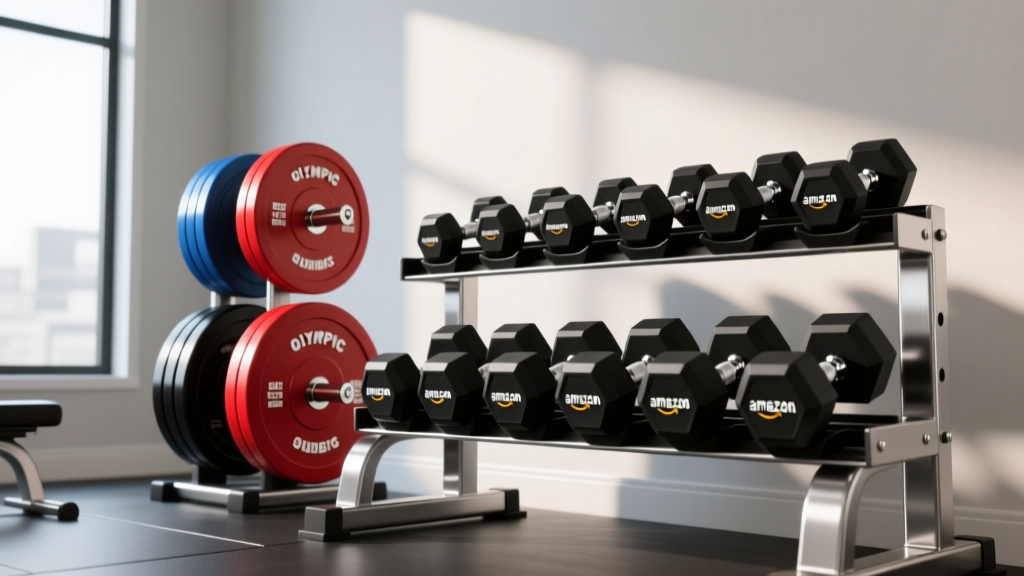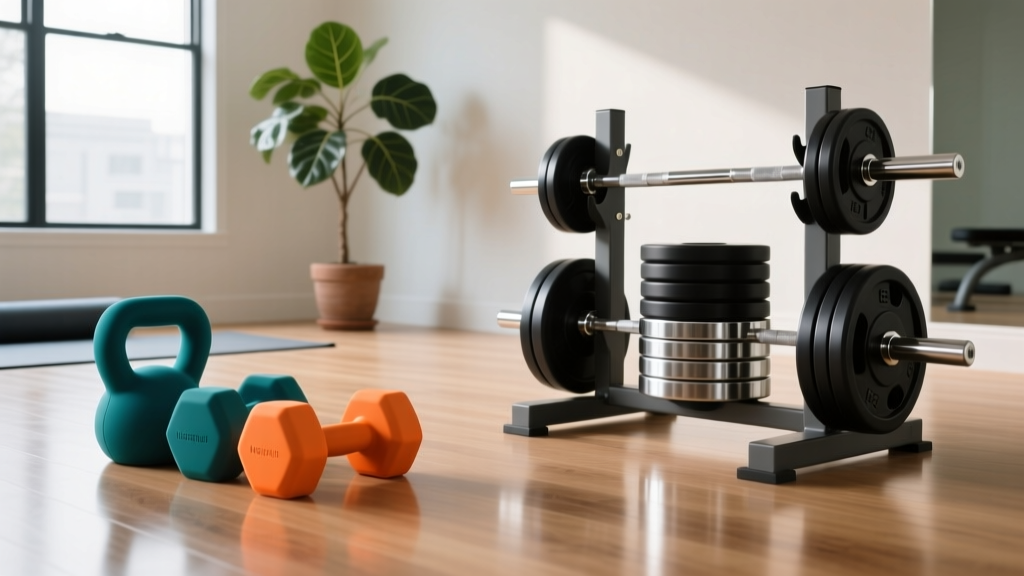
2026 Gym Philosophy: Neoprene Dumbbell Weights vs. Loadable Plates
Explore the 2026 gym philosophy shift from fixed neoprene dumbbell weights to loadable interchangeable plates. Compare costs, space, and top models.

The home fitness landscape in 2026 is defined by spatial efficiency, modular economics, and a distinct shift in consumer mindset. When evaluating the underlying philosophy, gym neoprene dumbbell weights represent the old paradigm of convenience and aesthetic uniformity, while loadable dumbbells with interchangeable plates represent the new standard of utility and cost-efficiency. As urban living spaces shrink and the demand for commercial-grade home equipment rises, the debate between fixed hex dumbbells and Olympic loadable handles has never been more relevant.
2026 Market Snapshot: Free Weight Modularity
- Average Home Gym Size: 150 sq. ft. (down 12% from 2022)
- Fixed Dumbbell Cost per Pound: $1.40 - $2.20
- Loadable Plate Cost per Pound: $0.85 - $1.30
- Primary Driver: Spatial footprint reduction and progressive overload scalability
The Paradigm Shift in Free Weight Economics
According to comprehensive data from RunRepeat's home gym industry report, over 68% of home gym owners in 2026 prioritize equipment that offers multiple functions or adjustable resistance profiles. The traditional approach of purchasing a full dumbbell rack—incrementing by 5 pounds from 10 lbs to 50 lbs—requires a massive capital outlay and significant floor space. Conversely, the loadable dumbbell market has surged, driven by lifters who already own Olympic bumper or cast-iron plates and seek to maximize their existing inventory.
This shift is not merely about saving money; it is about adopting a modular training philosophy. Loadable dumbbells allow athletes to make micro-loading adjustments (using 0.5 lb or 1 lb fractional plates) that are virtually impossible with fixed neoprene sets, bridging the gap between rehabilitation, hypertrophy, and heavy strength cycles.
Deconstructing the Traditional Fixed-Weight Model
To understand the market shift, we must first analyze the enduring appeal of fixed neoprene hex dumbbells. Brands like CAP Barbell and Amazon Basics have dominated this space for years. The philosophy behind gym neoprene dumbbell weights is rooted in zero-friction usability. You pick them up, you use them, you drop them. There are no collars to tighten, no plates to slide, and no rattling hardware.
The Hidden Costs of Neoprene Sets
However, the economics of fixed sets are brutal for the independent home gym owner. Consider the math of a standard 5 lb to 50 lb neoprene set (10 pairs, 550 total pounds):
- Upfront Cost: At an average of $1.60 per pound, a 550 lb set retails between $850 and $1,100.
- Spatial Footprint: A standard 3-tier dumbbell rack occupies roughly 32 square feet of floor space and weighs over 600 lbs, requiring reinforced flooring in second-story apartments.
- Scaling Limitations: Once you outgrow the 50 lb dumbbells for movements like goblet squats or heavy Romanian deadlifts, you must purchase an entirely new, heavier rack or individual pairs at premium commercial markups.
The Rise of Loadable Dumbbells with Interchangeable Plates
Loadable dumbbells consist of a shortened barbell shaft with 2-inch Olympic sleeves, designed to accept standard bumper plates, urethane grip plates, or cast-iron change plates. According to equipment testing by Garage Gym Reviews, the best loadable handles replicate the knurling and grip diameter of premium barbells while keeping the overall length compact enough to allow for a full range of motion during exercises like dumbbell bench presses and lunges.
2026 Loadable Handle Comparison Matrix
| Brand & Model | Overall Length | Sleeve Length | Grip Diameter | 2026 Retail Price (Pair) |
|---|---|---|---|---|
| Rogue Loadable Handles | 14.5" | 5.25" | 28.5mm | $95.00 |
| Titan Fitness Loadable Dumbbells | 14.5" | 5.0" | 32mm | $89.99 |
| Fringe Sport Super Dumbbell Handles | 12.0" | 4.0" | 28mm | $75.00 |
Cost-Per-Pound & Space Economics
Let us run a direct financial and spatial comparison for a lifter needing a maximum working weight of 50 lbs per hand (100 lbs total).
Scenario A: Fixed Neoprene Hex Set (10 lbs to 50 lbs)
To achieve this, you need 10 pairs of dumbbells. Assuming an aggressive direct-to-consumer price of $1.40/lb, the total cost is $770. This requires a dedicated 3-tier rack (approx. $150), bringing the total investment to $920. The setup occupies a 4-foot wide by 2-foot deep footprint permanently.
Scenario B: Loadable Handles + Iron Plates
You purchase the Titan Fitness handles ($89.99). To build two 50 lb dumbbells (accounting for the 5 lb handle weight), you need 90 lbs of plates. Buying a pair of 25s, 10s, 5s, and 2.5s in cast iron (averaging $1.10/lb) costs roughly $99.00. Total investment: $188.99. Furthermore, these plates can be removed and used on your Olympic barbell for deadlifts and squats, effectively serving a dual purpose in your gym ecosystem.
"The modern home gym is no longer about replicating a commercial fitness center; it is about outsmarting it. Modularity is the ultimate leverage. A set of loadable handles transforms your barbell plates into a complete unilateral training system for a fraction of the cost." — 2026 FitGearPulse Equipment Analysis Report
Biomechanical Edge Cases and Hardware Limitations
While the economic argument for loadable dumbbells is undeniable, a rigorous market analysis must address the biomechanical edge cases where fixed neoprene weights still hold an advantage. Loadable dumbbells are inherently longer and bulkier than fixed hex dumbbells. The 5-inch sleeves on models like the Rogue and Titan handles can interfere with your range of motion during specific movements.
Movements Where Loadable Dumbbells Struggle
- Renegade Rows: The extended sleeves and protruding collars can dig into your wrists or forearms when gripping the handle in a plank position.
- Devil Presses / Burpee-to-Overhead: The wider profile increases the risk of the plates catching on your thighs during the clean phase of the movement.
- High-Rep Snatches: Dynamic, ballistic movements generate immense lateral force. If not properly secured, plates can shift, altering the center of gravity mid-flight.
The Collar Conundrum: Securing Short Sleeves
The most critical failure mode of loadable dumbbells is plate slippage. Standard barbell spring collars are dangerous on short dumbbell sleeves because the plates can compress the spring mechanism, causing it to loosen during use. For 2026 buyers, investing in specialized lock-jaw collars is non-negotiable.
Pro-Tip: The Fractional Plate Hack
Because loadable dumbbell sleeves are short (typically 4 to 5.25 inches), loading heavy 45lb bumpers will max out the sleeve immediately, leaving no room for a collar. The Solution: Build your dumbbell weight using high-density polyurethane or steel change plates (10lb, 5lb, 2.5lb). This allows you to pack more weight into a smaller linear footprint, ensuring you have at least 1.5 inches of sleeve left to securely snap on a Rogue HG 2.0 or Titan Clamp Collar.
Final Verdict: Choosing Your 2026 Dumbbell Strategy
The decision between fixed neoprene weights and loadable interchangeable plates ultimately comes down to your training style, budget, and spatial constraints.
Choose Fixed Neoprene Hex Dumbbells If:
- You are outfitting a commercial facility or a high-traffic garage gym where multiple users need instant access to weights without assembling hardware.
- Your programming relies heavily on high-speed CrossFit-style metcons (like devil presses or dumbbell snatches) where equipment profile and safety are paramount.
- Budget and space are not limiting factors.
Choose Loadable Dumbbells with Interchangeable Plates If:
- You are a home gym owner looking to maximize a sub-200 sq. ft. training space.
- You already own a comprehensive set of Olympic barbell plates and want to leverage them for unilateral hypertrophy and strength work.
- You require micro-loading capabilities for physical therapy, injury recovery, or precise progressive overload on pressing movements.
As we move through 2026, the market is clearly rewarding modularity. The philosophy behind gym neoprene dumbbell weights will always have a place in commercial racks, but for the educated, space-conscious home athlete, the loadable dumbbell is the undisputed king of free-weight economics.
More gear to consider
All reviews
EZ Bar vs Straight Bar: Market Trends & Ab Exercises with Dumbbells
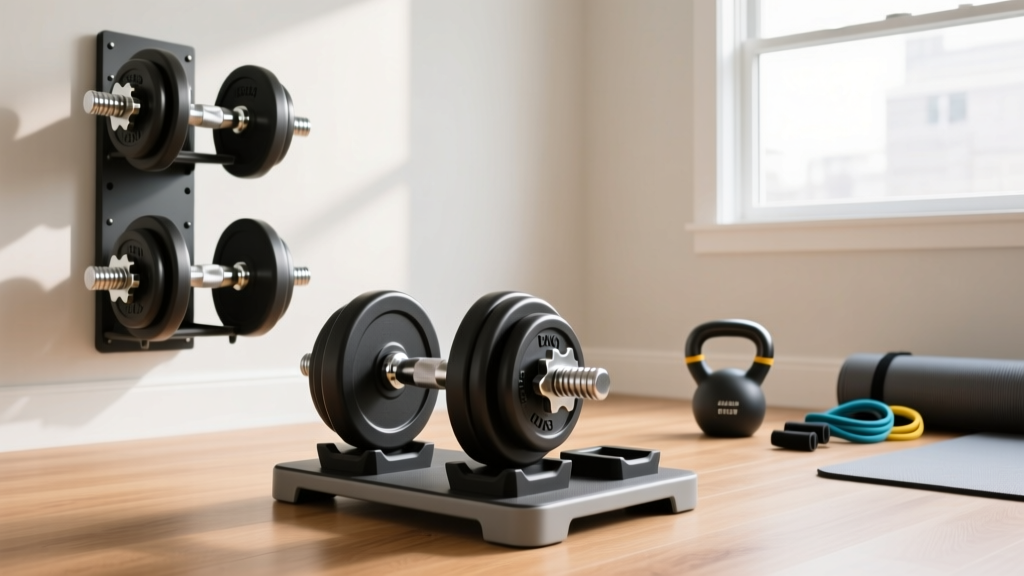
Maximize Space for Your Free Dumbbell Workout with Loadable Plates
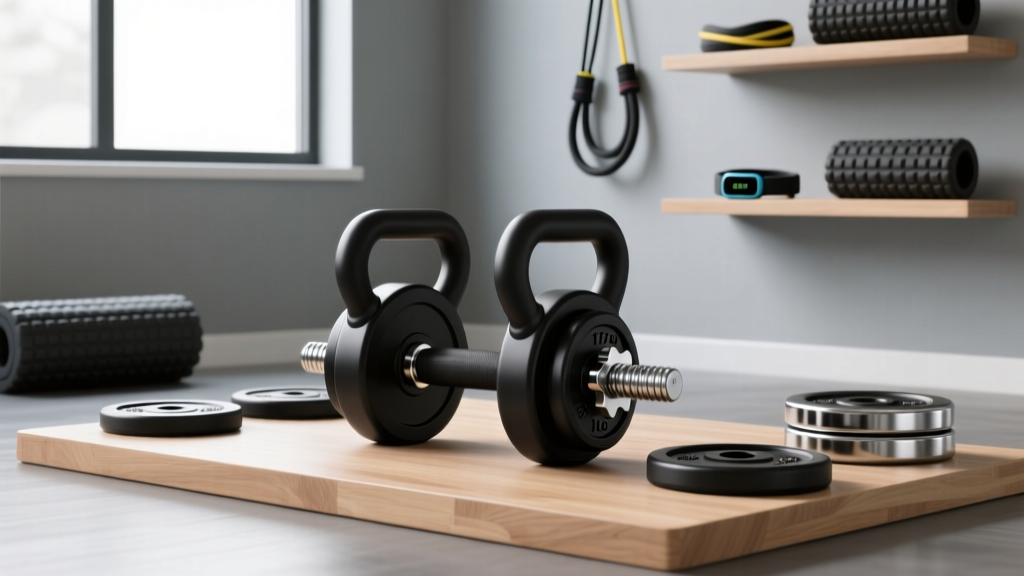
Best Loadable Handles for a 17 lb Dumbbell Setup (2026)
Beyond Dumbbell Curls Women Use: Olympic Barbell Weight & Knurling
Bumper Plate vs Iron Plate: Setup for Bent-Over Dumbbell Rows