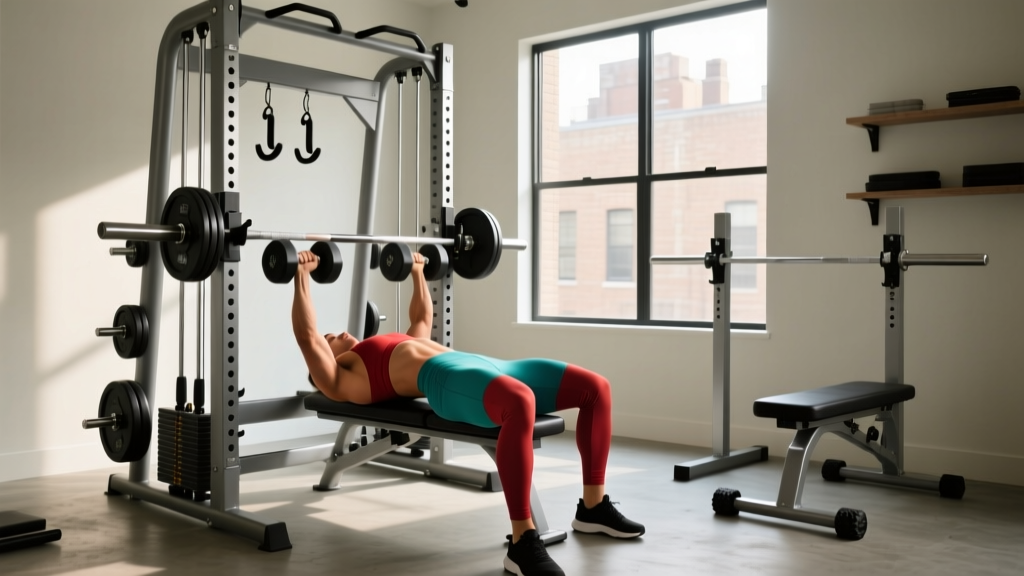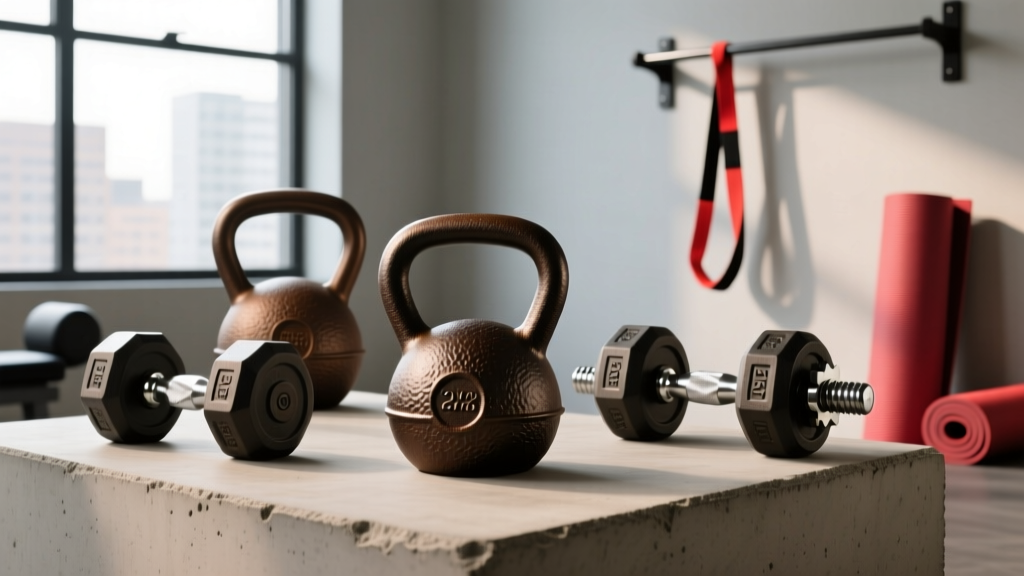
Cast Iron vs Competition Kettlebells & Dumbbell Shoulder Press Muscles
Explore 2026 market trends comparing cast iron vs competition kettlebells, analyzing pricing, biomechanics, and dumbbell shoulder press muscles worked.

The 2026 Fitness Equipment Market: A Shift in Overhead Pressing
As we navigate the 2026 fitness equipment landscape, a distinct market shift is occurring in the free weights sector. While traditional dumbbells remain a staple, commercial and home gym buyers are increasingly allocating budget toward kettlebells for overhead pressing movements. This trend is driven by a deeper understanding of functional biomechanics and a surge in hybrid training methodologies. However, this transition forces buyers to confront a critical purchasing decision: cast iron vs. competition kettlebells. To understand this market shift, we must first analyze the biomechanical differences between these tools and how they compare to the dumbbell shoulder press muscles targeted in traditional bodybuilding and strength routines.
Biomechanical Analysis: Dumbbell Shoulder Press Muscles vs. Kettlebell Activation
When mapping the dumbbell shoulder press muscles, kinesiologists note a primary focus on the anterior and medial deltoids, triceps brachii, and the clavicular head of the pectoralis major. Dumbbells allow for a symmetrical load and adjustable grip angles (neutral, pronated, or Arnold), which isolates these prime movers with high efficiency. According to research published by the National Strength and Conditioning Association (NSCA), the stable, centered mass of a dumbbell minimizes the need for extreme grip stabilization, allowing the lifter to push closer to absolute muscular failure in the target deltoid fibers.
Kettlebells, conversely, introduce an offset center of mass. The load sits posterior and superior to the wrist joint. This structural difference drastically alters the pressing mechanics:
- Forearm and Grip Demand: The offset bell requires continuous micro-adjustments from the forearm flexors and extensors to prevent the bell from flopping backward.
- Core and Serratus Anterior: The rack position and the pressing path demand higher activation from the serratus anterior and obliques to maintain a stacked, vertical torso.
- Shoulder Joint Mechanics: The natural external rotation required to press a kettlebell safely places the shoulder in a more mechanically advantageous position for the rotator cuff, reducing impingement risks compared to a strict pronated dumbbell press.
Market Segmentation: Cast Iron vs. Competition Kettlebells
The global kettlebell market has bifurcated into two distinct product categories, each serving different consumer demographics and training goals. Understanding the manufacturing processes and pricing structures of these categories is essential for B2B gym owners and B2C home gym enthusiasts in 2026.
1. The Cast Iron Sector: The Home Gym Standard
Cast iron kettlebells are manufactured using gravity casting, where molten iron is poured into a single-piece mold. This results in a solid, durable bell where the physical size of the implement scales proportionally with its weight. A 32kg cast iron bell is significantly larger than a 12kg bell.
Key Market Players & Specs:
- Rogue Fitness (E-Coat & Powder Coat Lines): Dominating the premium cast iron market, Rogue utilizes a 33mm handle diameter for bells up to 24kg, scaling to 35mm for heavier weights. Their 2026 pricing hovers around $2.20 to $2.80 per pound.
- Kettlebell Kings (Powder Coat): Known for an aggressive powder coat texture that holds chalk exceptionally well, making them ideal for high-repetition overhead pressing where grip slip is a failure mode.
- Onnit: Focuses on aesthetic and ergonomic variations, though often at a premium price point ($3.00+/lb) that limits their market share in commercial bulk buying.
2. The Competition Sector: Standardized Precision
Competition kettlebells are engineered for the sport of Kettlebell Lifting (Girevoy Sport) and high-volume functional fitness. Regardless of weight, every competition bell shares identical dimensions: 210mm height, 210mm width, and a 280mm base diameter, with a universal 35mm handle. They are constructed from a welded steel shell, with the internal cavity filled with a precise ballast of iron, lead, or steel shot to achieve the target weight.
According to industry reports from Club Industry, competition kettlebells have seen a massive surge in CrossFit affiliates and specialized functional training facilities in 2026, as the uniform dimensions allow athletes to develop flawless muscle memory for complex movements like the jerk and snatch without adjusting their grip or rack position between weights.
2026 Pricing and Value Matrix
When evaluating the return on investment for overhead pressing equipment, buyers must weigh the upfront cost against the longevity and specific training adaptations of the tool. Below is the current 2026 market pricing and specification matrix for a standard 16kg (35.2 lb) implement, a common starting weight for male overhead pressing.
| Feature / Metric | Premium Cast Iron (e.g., Rogue) | Competition Steel (e.g., Paradiso / KB Kings) |
|---|---|---|
| Average 16kg Price | $75.00 - $90.00 | $125.00 - $150.00 |
| Handle Diameter | 33mm (scales on heavier bells) | 35mm (universal across all weights) |
| Physical Dimensions | Scales with weight | Uniform (210x210x280mm) |
| Primary Failure Mode | Powder coat chipping; surface rust | Weld seam fractures; internal ballast shift |
| Best For Overhead Pressing | Hypertrophy, grip strength, general fitness | High-rep endurance, sport-specific technique |
Supply Chain Realities and Purchasing Framework
The global supply chain for raw iron ore and steel experienced moderate fluctuations leading into 2026, resulting in a 4% average price increase for cast iron implements over the last 18 months. Competition bells, reliant on specialized steel welding and precision ballast filling, have maintained more stable pricing due to their specialized manufacturing hubs in Eastern Europe and East Asia.
Strategic Buying Recommendations
To maximize your equipment budget, align your purchase with your specific pressing goals:
- For Hypertrophy and Traditional Strength: If your goal is to mimic the dumbbell shoulder press muscles activation profile while adding a functional grip challenge, invest in Premium Cast Iron. The varying handle thicknesses (33mm to 35mm) naturally accommodate the biomechanical leverage changes as you increase weight. The wider base of heavier cast iron bells also provides a more stable platform for floor-based exercises like renegade rows.
- For Endurance, Sport, and Complex Flows: If you are training for Kettlebell Sport, high-volume CrossFit WODs, or complex movement flows (e.g., clean and jerk to overhead squat), Competition Kettlebells are mandatory. The uniform 35mm handle and identical bell dimensions ensure that your proprioception and muscle memory remain entirely consistent whether you are pressing a 12kg or a 32kg bell.
- For Commercial Gym Outfitting: Data from Rogue Fitness and commercial distributors suggest a hybrid approach for 2026 gym buildouts. Stock cast iron bells from 8kg to 24kg for the general membership, but maintain a dedicated rack of competition bells (16kg, 20kg, 24kg) for the functional fitness and personal training zones.
Conclusion: The Future of the Overhead Press
The debate between cast iron and competition kettlebells is no longer just about aesthetics or sport; it is a nuanced decision rooted in biomechanics, manufacturing quality, and specific training adaptations. While the dumbbell shoulder press muscles will always have their place in isolated hypertrophy programming, the kettlebell offers a dynamic, joint-friendly, and highly functional alternative. By understanding the exact specifications, pricing trends, and structural differences outlined in this 2026 market report, buyers can make highly informed investments that yield decades of overhead pressing performance.
More gear to consider
All reviews
Under Desk Treadmill Packing: Office Maintenance & Longevity Tips

Rubber Hex vs Urethane: Is the Round Dumbbell Set Obsolete?
Incline Dumbbell Press Targets Which Muscle? Best Adjustable Dumbbells

What Dumbbell Weight to Use & Best Storage Racks 2026
Master Bent Over Dumbbell Row Form: 2026 Adjustable Dumbbell Guide