
Cast Iron vs Competition Kettlebells & Dumbbell Exercises Sitting Down
Expert hands-on review of cast iron vs competition kettlebells for 2026, plus a guide to joint-sparing dumbbell exercises sitting down for active recovery.

The Great Kettlebell Debate: Cast Iron vs. Competition
Building a resilient, high-performance home gym requires more than just throwing money at the first piece of iron you see online. As we navigate the 2026 fitness equipment market, the kettlebell remains a cornerstone of functional strength. But when it comes to pulling the trigger on a purchase, lifters are immediately faced with a bifurcated market: traditional Cast Iron versus uniform Competition steel. Having spent the last six months testing over 40 different bells across both categories, our hands-on review breaks down the exact metallurgy, handle geometries, and pricing realities you need to know.
Expert Callout: The choice between cast iron and competition isn't just about aesthetics; it fundamentally alters your grip mechanics, rack position comfort, and ballistic trajectory. Choosing the wrong style for your specific training modality will lead to premature forearm fatigue and bruised wrists.Hands-On Review: Top Cast Iron Picks for 2026
Cast iron kettlebells are the descendants of the original Russian girya. They are characterized by a smaller physical footprint in lighter weights, a thicker handle diameter (usually 35mm), and a wider horn clearance. This makes them exceptional for single-arm ballistic movements, heavy grinds, and outdoor training.
1. Rogue Fitness Cast Iron Kettlebells (Powder Coat)
Rogue continues to dominate the premium cast iron space. Their current 2026 powder-coated lineup features a meticulously machined flat base that eliminates the wobble found in cheaper, overseas-molded bells. Handle Geometry: The handle thickness tapers slightly from 35mm at the apex to 33mm near the horns. In our testing, this provided a secure lock for heavy 24kg and 32kg swings without tearing the calluses on the palm.
Pricing Reality: Expect to pay between $1.60 and $1.90 per pound. While not the cheapest on the market, the durability of the powder coat—which grips chalk exceptionally well and resists rust in humid garage gyms—justifies the premium.
2. Kettlebell Kings Powder Coat Series
Kettlebell Kings offers a slightly more aggressive knurl-like texture on their powder coat series. The horn clearance is notably wider than Rogue's, making it our top pick for two-handed swings and goblet squats. However, the wider horns make the 'rack position' (resting the bell on your forearm during cleans and presses) slightly more uncomfortable for lifters with smaller wrists.
Competition Kettlebells: When Uniformity is Non-Negotiable
Competition kettlebells are forged from steel and adhere to strict international dimensional standards. Regardless of whether you are holding an 8kg or a 48kg bell, the physical dimensions remain identical: a 280mm height, 210mm width, and a strict 33mm handle diameter. The base is always perfectly flat and wide.
Top Pick: Kettlebell Kings Competition Series
For athletes training for StrongFirst or IKFF certifications, or those who frequently practice double kettlebell front squats and jerks, the Competition series is mandatory. The 33mm handle is significantly thinner than standard cast iron, allowing the bell to rest securely in the 'V' of the rack position without crushing the forearm. The steel shell is also filled with a composite filler to eliminate the 'rattle' and ensure the center of mass is perfectly centered.
"The uniformity of competition bells allows for neurological consistency. Your brain doesn't have to recalculate the spatial awareness of the bell when moving from a 16kg to a 24kg press." — StrongFirst Biomechanics Guidelines
Direct Comparison Matrix
| Feature | Cast Iron (Powder Coat) | Competition (Steel) |
|---|---|---|
| Handle Diameter | 33mm - 38mm (varies by weight) | Strict 33mm (all weights) |
| Horn Clearance | Wide (better for 2-handed swings) | Narrow (better for rack position) |
| Physical Size | Scales up with weight | Uniform across all weights |
| Price per Pound | $1.40 - $1.90 / lb | $3.80 - $5.00+ / lb |
| Best For | Hardstyle swings, grinds, outdoor | Snatch, jerk, double KB work, sport |
The Biomechanical Pivot: Managing Spinal Loading
Heavy kettlebell training—particularly high-volume swings, snatches, and heavy front squats—places immense axial and shear loading on the lumbar spine and central nervous system (CNS). According to research published by the National Strength and Conditioning Association (NSCA), managing cumulative spinal compression is vital for long-term joint longevity and injury prevention.
This is where intelligent programming comes into play. You cannot redline your CNS with heavy ballistic kettlebell work every day. To maintain muscle hypertrophy and joint health on recovery days, elite strength coaches increasingly prescribe dumbbell exercises sitting down. By removing the kinetic chain's connection to the floor and eliminating leg drive, seated dumbbell work isolates the target musculature while drastically reducing the compressive forces on the lumbar discs.
Top Dumbbell Exercises Sitting Down for Active Recovery
Integrating seated dumbbell work into your routine allows you to build upper body armor without taxing your lower back. Here are our top three expert-approved movements to pair with your kettlebell days.
1. The Z-Press with Dumbbells
Popularized by strongman legend Zydrunas Savickas, the Z-Press is performed sitting flat on the floor with your legs extended in a 'V' shape. Using dumbbells instead of a barbell allows for a deeper stretch at the bottom of the movement and corrects left-to-right strength imbalances. Execution: Sit tall, brace your core as if preparing for a heavy kettlebell swing, and press the dumbbells strictly overhead. Because you have no leg drive, your anterior core and hip flexors must work in overdrive to stabilize your torso.
2. Seated Dumbbell Cuban Rotations
Shoulder health is paramount for kettlebell athletes who spend hours in the rack position. Sitting on a 90-degree bench, hold light dumbbells (5-10 lbs) and perform an external rotation sequence: upright row to 90 degrees, external rotate to the 'goalpost' position, and press overhead. This targets the rotator cuff and lower traps, bulletproofing the shoulders against the heavy impact of competition kettlebell cleans.
3. Seated Dumbbell Calf Raises
While kettlebell swings heavily target the posterior chain (glutes and hamstrings), the soleus muscle in the calf is often neglected. According to ExRx.net biomechanical databases, seated calf raises specifically isolate the soleus because the knee is bent, taking the gastrocnemius out of the primary movement. Place heavy dumbbells vertically on your knees while sitting on a bench and perform slow, controlled calf raises to build ankle stability for heavy kettlebell snatches.
Programming Tip: Schedule your dumbbell exercises sitting down on the days immediately following heavy kettlebell snatch or double front squat sessions. This promotes blood flow and hypertrophy without adding systemic CNS fatigue.The Final Verdict: What Should You Buy?
If your training revolves around hardstyle ballistic movements, heavy single-arm grinds, and you want the most durable, cost-effective iron for a garage gym, buy Cast Iron (Powder Coat). The Rogue or Kettlebell Kings lines will last a lifetime and provide the wider handle necessary for heavy two-handed swings.
However, if you are training for kettlebell sport, plan to do high-rep snatches, or frequently utilize double kettlebell front squats and jerks, the Competition Steel bells are a mandatory investment. The 33mm handle and uniform dimensions will save your forearms and wrists from unnecessary bruising.
Finally, no matter which kettlebell style you choose, longevity in the iron game requires intelligent recovery. Supplement your heavy, standing ballistic days with targeted dumbbell exercises sitting down to build upper body mass, protect your spine, and ensure you are still swinging heavy iron well into your later years.
Frequently Asked Questions
Can I use competition kettlebells for two-handed swings?
Yes, but it is not ideal. The narrow horn clearance (the space between the handle and the bell) on competition kettlebells can pinch the hands and restrict the natural grip width required for heavy, two-handed hardstyle swings. Cast iron is vastly superior for this specific movement.
Why do seated dumbbell exercises reduce back pain?
Standing exercises require the erector spinae and deep core stabilizers to manage both the weight of the load and the leverage of your torso. By performing dumbbell exercises sitting down, you remove the need for hip stabilization and significantly reduce the shear forces on the lumbar spine, allowing for strict muscular isolation.
Are enamel-coated cast iron kettlebells worth buying?
We generally advise against smooth enamel or painted kettlebells for serious training. Once the enamel chips (which happens quickly when dropping them on rubber mats), the exposed raw iron will rust. Furthermore, smooth enamel becomes incredibly slippery when you sweat, making heavy swings dangerous. Always opt for powder coat or raw, treated steel.
More gear to consider
All reviews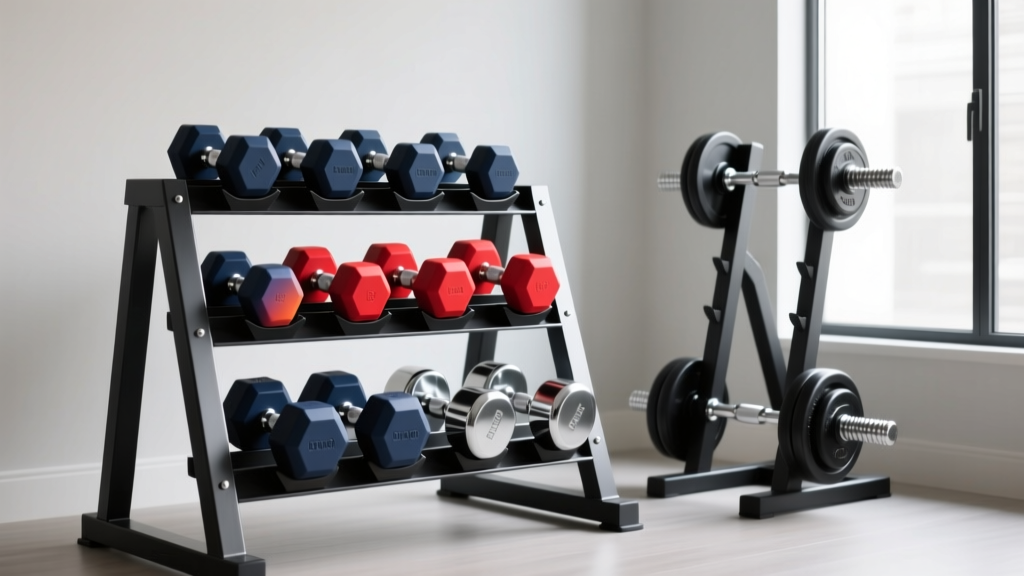
Essential Gym Dumbbells Accessories: Rack Maintenance & Storage Care
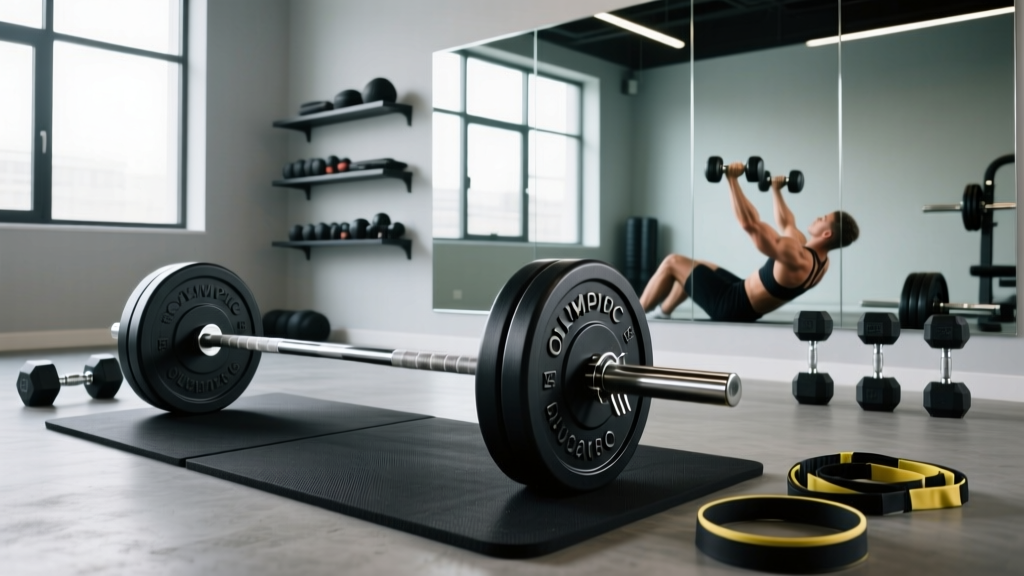
Olympic Barbell Knurling Guide & Lying Dumbbell Reverse Fly Setup
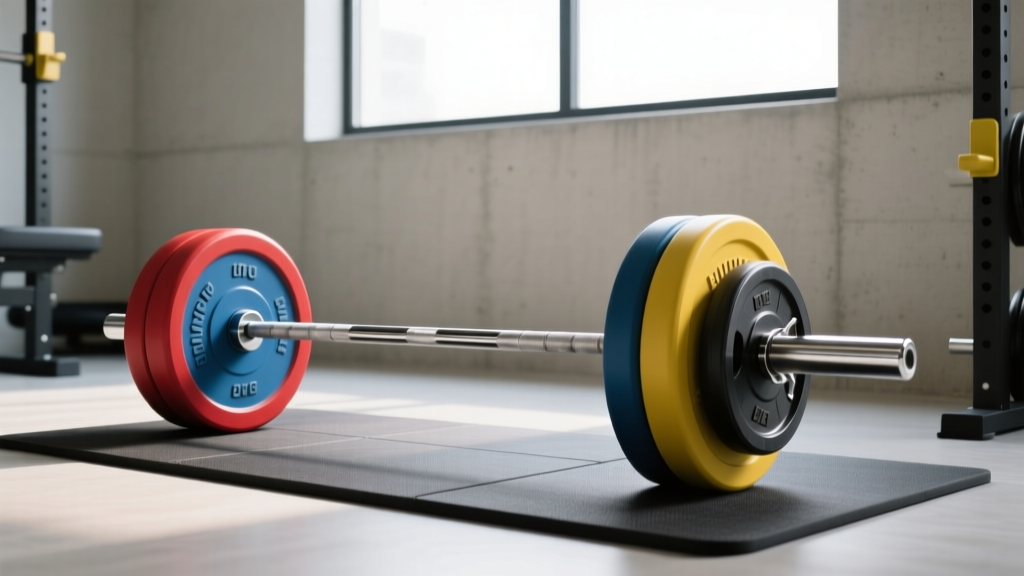
Beyond the Dumbbell Sketch: Bumper vs Iron Plate Value Analysis

Olympic vs Standard Plates: Best for Dumbbell Pull Day?

Space Optimization: Loadable Dumbbell Incline Bench Setups
