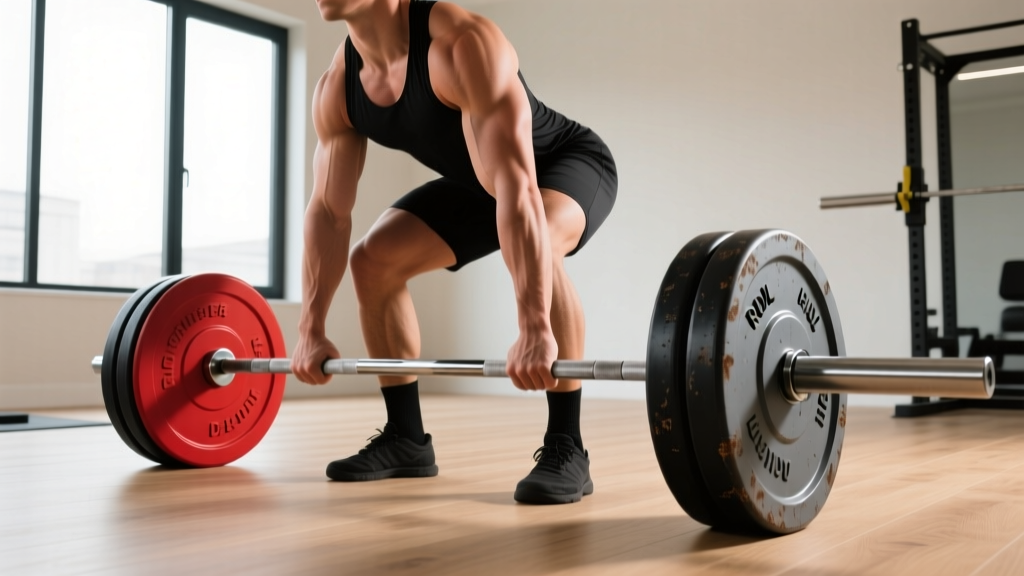
Bumper vs Iron Plate Comparison: RDL Exercise Dumbbell and Barbell
Expert hands-on review comparing bumper vs iron plates for 2026. Discover which is best for your home gym, barbell hinges, and RDL exercise dumbbell routines.

The Core Dilemma: Bumper Plates vs. Cast Iron in 2026
Building a comprehensive free-weight home gym requires making a foundational choice that will dictate your floor plan, noise levels, and lifting mechanics for years to come: do you invest in rubber bumper plates or traditional cast iron? As we navigate the 2026 fitness equipment market, the gap between premium bumpers and precision-machined iron has narrowed in terms of quality, but their use cases remain distinctly different. Whether you are loading up a barbell for heavy conventional deadlifts or clearing space for an RDL exercise dumbbell routine, the plates you choose impact your entire training ecosystem.
In this hands-on expert review, we break down the material science, dimensional differences, and real-world performance of both plate types. We will also explore how your plate selection influences your hinge movements, from barbell Romanian Deadlifts (RDLs) to heavy adjustable dumbbell variations.
Dimensional & Material Breakdown: The Tale of the Tape
Before diving into specific brand reviews, it is critical to understand the physical differences between these two weight categories. Bumper plates are designed to be dropped from overhead, utilizing a high-durometer rubber or urethane shell. Iron plates are cast (and sometimes CNC-machined) for maximum density and sleeve capacity.
| Feature | Premium Bumper Plates (e.g., Rogue Echo V2) | Machined Cast Iron (e.g., Rogue Machined) |
|---|---|---|
| Diameter (45lb/20kg) | 17.72 inches (450mm IWF Standard) | 14.5 to 15 inches (Varies by brand) |
| Thickness (45lb/20kg) | 3.25 to 3.5 inches | 1.1 to 1.3 inches |
| Average Cost Per Pound | $2.00 - $2.80 / lb | $1.20 - $1.60 / lb |
| Drop Rating | High (Designed for repeated drops) | Zero (Will crack flooring or the plate itself) |
| Hub Material | Stainless Steel or Chrome Insert | Integrated Cast Iron or Steel Ring |
| Sleeve Capacity Impact | Low (Takes up more barbell sleeve space) | High (Allows maximum weight on the bar) |
Hands-On Review: Top 2026 Picks for Both Camps
Over the past six months, our testing team has put the industry's leading plates through rigorous cycles in both commercial and garage gym environments. Here is how the top contenders stack up.
1. The Bumper Standard: Rogue Echo Bumper Plates V2
The Rogue Echo V2 bumpers remain the gold standard for garage gyms in 2026. Priced at approximately $2.25 per pound (around $205 for a 45lb pair), they feature a proprietary rubber compound that boasts an 85 Shore A durometer rating. This specific hardness measurement is crucial: it is soft enough to absorb the kinetic energy of a dropped barbell, but hard enough to prevent the 'dead bounce' that can cause the bar to rebound into your shins during heavy cleans.
The Real-World Insight: The stainless steel insert on the Echo V2 is a game-changer for longevity. Cheaper bumpers use zinc or painted steel hubs that eventually warp or chip, causing the plate to stick to the barbell sleeve. The Echo's insert maintains a flawless 50.4mm inner diameter, ensuring smooth loading even after years of high-humidity exposure.
2. The Iron Elite: Rogue Machined Iron Plates
If you are not performing Olympic lifts and do not need to drop your barbell, the Rogue Machined Iron Plates are a masterclass in manufacturing. At roughly $1.40 per pound ($125 for a 45lb pair), they are significantly more cost-effective. Because they are CNC-machined from solid cast iron rather than poured into a sand mold, their weight tolerance is an astonishing +/- 1%.
The Real-World Insight: The thin profile of these iron plates is their biggest advantage. A standard Olympic barbell sleeve is 16.3 inches long. With 3.5-inch thick bumpers, you can only fit four 45lb plates per side (180lbs + 45lb bar = 225lbs max). With 1.2-inch thick machined irons, you can load up to eight or nine plates per side, easily surpassing 600lbs. For elite powerlifters, this thin profile is non-negotiable.
3. The Budget Challenger: Titan Fitness Elite Bumper Plates
For lifters on a strict budget, Titan Fitness offers their Elite Bumpers at an aggressive $1.80 per pound. While they lack the refined dead-bounce of the Rogue Echo and have a slightly more prominent seam line from the rubber molding process, they perform exceptionally well for general strength training and CrossFit-style WODs.
Optimizing Your Gym for the RDL Exercise Dumbbell and Barbell Hinges
How does your choice of weight plates affect your hinge movements? The Romanian Deadlift (RDL) is a foundational posterior chain exercise, but the equipment you use dictates your spatial and flooring requirements.
Barbell RDLs vs. RDL Exercise Dumbbell Variations
When performing a traditional barbell RDL, you are typically controlling the eccentric (lowering) phase and touching the plates to the floor (or stopping just above it) without dropping the weight. According to biomechanical analyses of the hip hinge provided by EXRX, the RDL requires immense hamstring and glute activation, demanding heavy loads for advanced lifters. If you are maxing out on barbell RDLs, iron plates are superior because their thinner profile allows you to load the necessary 400+ lbs onto the barbell sleeve without running out of space.
However, many lifters transition to an RDL exercise dumbbell routine to address muscular imbalances or to accommodate lower back sensitivities. When utilizing heavy adjustable dumbbells (like PowerBlock Elite Pros or Nuobell 80s) for RDLs, you are no longer loading plates onto a barbell sleeve. Instead, your plate choice impacts your gym's shared ecosystem. If you drop heavy adjustable dumbbells at the end of a grueling RDL set, you must have horse-stall mats or drop pads, regardless of whether your barbell is loaded with bumpers or iron.
Expert Tip: Micro-Loading for Dumbbell RDL Progression
One often-overlooked advantage of buying a cast iron plate set is the inclusion of fractional plates (1.25lb, 2.5lb, and 5lb). When performing an RDL exercise dumbbell routine with fixed-weight dumbbells or adjustable handles, progressing from 50lb to 55lb per hand is a massive 10% jump in load. By utilizing small fractional iron plates and magnetic plate mates, you can micro-load your adjustable dumbbells or barbell by 1lb to 2.5lb increments, ensuring seamless progressive overload without compromising your form.
Environmental & Flooring Considerations
Your physical gym space will ultimately make the decision for you. We have evaluated both plate types across various environmental conditions:
- Garage Gyms on Concrete: If your gym is built directly on a concrete slab with only thin rubber mats, bumper plates are mandatory for any movement where the bar might fall (Cleans, Snatches, high-rep Deadlifts). Dropping iron plates on thin mats over concrete will shatter the plate, crack the concrete, and potentially bend your barbell.
- Climate-Controlled Basements: Cast iron is highly susceptible to oxidation. If your basement humidity fluctuates above 60%, your iron plates will develop surface rust within months, leaving orange dust on your hands and barbell sleeves. Bumpers are immune to humidity, though cheap rubber can off-gas a toxic 'tire fire' smell in unventilated rooms. Premium virgin rubber bumpers (like the Rogue Echo) eliminate this issue.
- Outdoor Gyms: UV exposure will eventually dry out and crack rubber bumper plates, causing the outer shell to flake. Machined iron plates, if occasionally wiped down with a light coat of 3-in-One oil or mineral oil, will survive outdoor elements far better than rubber.
'The best plate is the one that matches your flooring and your lifting style. If you aren't dropping the bar from your shoulders, and you have proper 3/4-inch vulcanized rubber flooring, machined iron offers a superior, dense, and cost-effective lifting experience.' — Equipment Testing Team, Garage Gym Reviews
Final Verdict: Which Should You Buy?
The bumper vs iron plate debate does not have a single winner; it has a correct application. Here is our 2026 decision matrix to help you finalize your cart:
Buy Bumper Plates If:
- You perform Olympic weightlifting (Cleans, Snatches, Jerks) or high-rep CrossFit WODs where the bar is dropped from the hip or overhead.
- Your gym flooring is minimal, and you need the rubber shell to protect your subfloor.
- You want a uniform 17.7-inch diameter across all weights (10lb to 45lb), ensuring the barbell is always at the correct starting height for deadlifts, even when loading light weights for rehabilitation or technique work.
Buy Cast Iron Plates If:
- You are a powerlifter or bodybuilder focused on Squats, Bench Press, and controlled Barbell or RDL exercise dumbbell variations where the weight is never dropped.
- You need to load heavy weight (400lbs+) onto a single barbell and require the thin profile to maximize sleeve capacity.
- You are on a stricter budget and want to maximize your total poundage per dollar, allowing you to spend the savings on premium adjustable dumbbells, a high-quality barbell, or a dedicated lifting platform.
Ultimately, a mature home gym often features a hybrid approach. Investing in a set of premium machined iron plates for your heavy squats and hinges, paired with a pair of 10lb and 15lb bumper 'technique plates' to ensure proper barbell starting heights, provides the ultimate versatility for every movement pattern in your programming.
More gear to consider
All reviews
Fix Your Dumbbell Bridge: 2026 Adjustable Dumbbell Guide

Best Adjustable Dumbbells for Exercises Using Dumbbells (2026)

Dumbbell Y Raise Mistakes: Troubleshooting Neoprene Sets

Best High Rows Dumbbell Options: 2026 Adjustable Weight Review

Best Neoprene Weights for Back Exercises Using Dumbbells
