Building a Dumbbell Kit: Olympic vs Standard Weight Plates Compared
Building a custom dumbbell kit? We compare Olympic vs standard weight plates, handles, and pricing to help you choose the right setup for your home gym.

The Core Dilemma: Sizing Up Your Dumbbell Kit
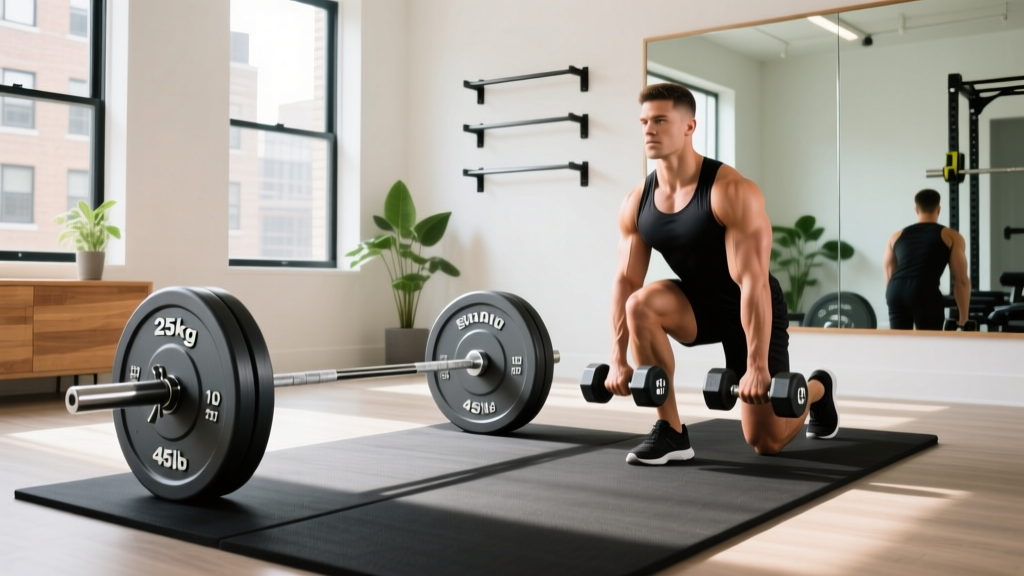
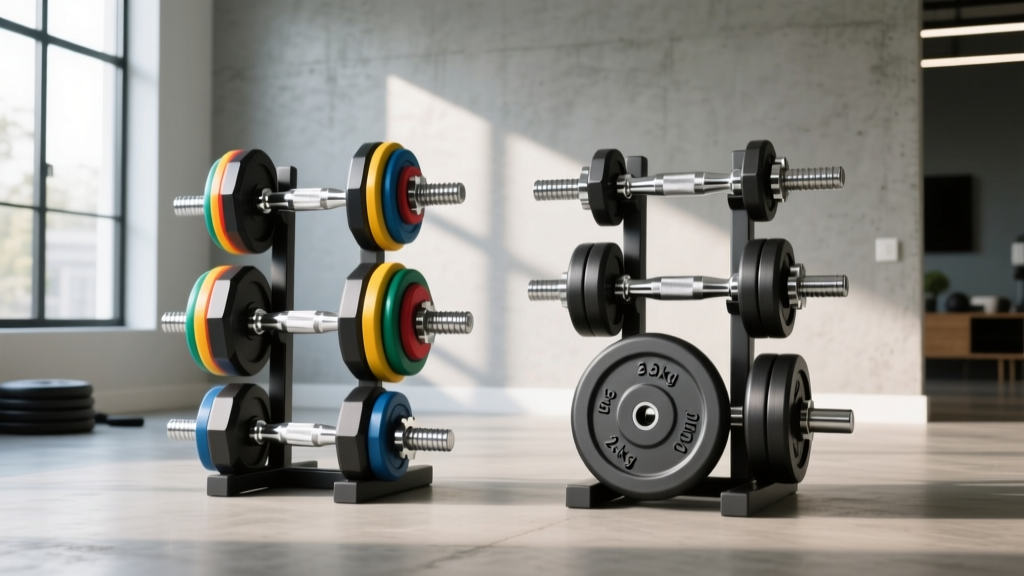
When outfitting a home gym in 2026, the allure of adjustable dial dumbbells is strong, but serious lifters and budget-conscious athletes still swear by the old-school reliability of a plate-loaded dumbbell kit. Building your own kit from scratch—buying dumbbell handles and weight plates separately—offers unmatched durability, zero mechanical failure points, and the ability to micro-load or swap in specialized plates. However, this route forces you to make a foundational decision that will dictate your gym's entire ecosystem: do you build your kit around Standard (1-inch) or Olympic (2-inch) weight plates?
This isn't just a matter of hole diameter. The choice between standard and Olympic plates cascades into handle length, maximum weight capacity, collar security, and long-term cost per pound. According to BarBend's expert guide to weight plates, matching your plate profile to your actual training goals is the most common point of failure for new home gym owners. Let's break down the head-to-head specifications, real-world failure modes, and exact pricing to help you engineer the perfect dumbbell kit.
Tale of the Tape: Standard vs. Olympic Specifications
Before diving into the nuances of knurling and sleeve spin, we need to look at the raw data. The physical dimensions of these two plate categories dictate entirely different training experiences.
| Feature | Standard (1-Inch) | Olympic (2-Inch) | The Verdict |
|---|---|---|---|
| Hole Diameter | 1 inch (25.4mm) | 2 inches (50.8mm) | Olympic (Industry Standard) |
| Handle Length (Avg) | 14 inches | 20 inches | Olympic (Better Grip Width) |
| Loadable Sleeve | ~6.5 inches | ~10.5 inches | Olympic (Higher Max Capacity) |
| Max Weight / Dumbbell | ~45 - 60 lbs | 120+ lbs | Olympic (Future-Proof) |
| Avg Cost (Cast Iron) | $1.20 - $1.50 / lb | $1.80 - $2.50 / lb | Standard (Budget Winner) |
The Standard Dumbbell Kit: Budget-Friendly but Limited
A standard dumbbell kit utilizes plates with a 1-inch center hole. These are the plates you typically find in big-box sporting goods stores or bundled in cheap 150-pound home gym sets. The handles are usually 14 inches long, made of solid steel, and feature threaded ends that accept a 'spin-lock' or 'star-lock' collar.
Where Standard Kits Shine
- Upfront Cost: You can build a fully functional 100-pound standard dumbbell kit (two handles, four 10s, four 5s, two 2.5s) for under $150. The cost per pound is significantly lower than Olympic iron.
- Footprint: Standard plates are generally thinner and smaller in diameter. A standard plate tree takes up roughly 30% less floor space than an Olympic tree, making it ideal for tight apartments.
- Lightweight Ergonomics: For physical therapy, light isolation work (lateral raises, tricep kickbacks), and beginners, the thinner 14-inch handle feels natural and unobtrusive.
The Failure Modes of Standard Gear
The primary flaw of the standard dumbbell kit is its hard ceiling on progression. Because the loadable sleeve is only about 6.5 inches, you will physically run out of room on the handle before you hit heavy weights. Furthermore, cheap cast-iron standard plates are notorious for inconsistent hole diameters. Garage Gym Labs testing protocols frequently note that budget 1-inch plates can measure up to 1.08 inches, causing a severe 'wobble' during dumbbell presses that forces your stabilizer muscles to overcompensate, increasing injury risk.
Warning: The Bending PointStandard 1-inch solid steel handles are not designed for heavy loads. If you attempt to load a standard 14-inch handle past 65 pounds per hand, the tensile strength of the steel is often exceeded, leading to a permanent downward bend in the sleeve. Once a handle bends, the spin-lock collars will no longer thread correctly, rendering the dumbbell unsafe.
The Olympic Dumbbell Kit: Heavy-Duty and Future-Proof
Olympic plates feature a 2-inch (50.8mm) center hole, matching the sleeves of Olympic barbells. To build an Olympic dumbbell kit, you must purchase specialized Olympic dumbbell handles, such as the Rogue Fitness Olympic Dumbbell Handle or the Titan Fitness Olympic Spin-Lock handles. These are essentially mini-barbells, featuring the same knurling patterns, bushings, and chromed sleeves as your full-sized barbell.
Why Serious Lifters Choose Olympic
- Massive Load Capacity: With a 20-inch overall length and a 10.5-inch loadable sleeve, a single Olympic dumbbell handle can hold over 120 pounds of cast iron, or roughly 80 pounds of thick urethane plates.
- Ecosystem Synergy: If you already own an Olympic barbell and a power rack, buying Olympic plates for your dumbbell kit means you can use the exact same weight plates for your bench press, deadlifts, and dumbbell work. You only need to buy one set of heavy plates.
- Premium Feel: Olympic handles feature aggressive knurling and rotating sleeves (using bronze bushings or needle bearings). This rotation is critical for Olympic lifts like dumbbell snatches or cleans, as it prevents the torque from tearing the calluses on your hands.
The Drawbacks to Consider
The barrier to entry is price and space. A pair of high-quality Olympic dumbbell handles will cost between $90 and $160 on their own. When you add the premium cost of Olympic cast iron (averaging $2.00/lb in 2026), a 200-pound Olympic dumbbell kit will easily cost $500 to $600. Furthermore, the 2-inch grip diameter of the handle sleeve translates to a thicker overall handle grip, which can be fatiguing for lifters with smaller hands during high-rep forearm work.
Pro-Tip on Sleeve Length and Bumper Plates: If you plan to use rubber-coated Olympic bumper plates for your dumbbell kit to reduce noise, pay strict attention to the loadable sleeve length. Bumper plates are incredibly thick. A 10lb bumper plate can be 1.5 inches thick. On a shorter, budget Olympic handle, you may only fit three bumper plates per side, capping your dumbbell at a surprisingly low weight.
Real-World Edge Cases: Collars and Security
A dumbbell kit is only as safe as its collars. When comparing standard vs. Olympic, the collar mechanism is a massive differentiator in daily usability.
- Standard Spin-Lock Collars: These require you to twist a heavy metal nut down the threaded sleeve. The Edge Case: As you perform movements like dumbbell rows, the rotational force of the plates often loosens the spin-lock nut mid-set, causing the plates to rattle dangerously. You will spend 20% of your workout re-tightening them.
- Olympic Spring Collars / Clamps: Olympic handles usually have smooth sleeves, allowing you to use modern spring collars (like Rogue HG 2.0) or quick-release clamps. The Edge Case: While secure, spring collars add an extra 1.5 inches of width to each end of the dumbbell. This can restrict your range of motion on exercises like dumbbell floor presses or close-grip work, as the collars will clash together before the weights touch.
The 2026 Decision Framework: Which Kit Should You Buy?
Do not buy a dumbbell kit based purely on what is on sale. Use this decision matrix to align your purchase with your actual training reality.
Choose a STANDARD 1-Inch Dumbbell Kit IF:- Your maximum target dumbbell weight is 50 lbs per hand or less.
- You are primarily doing high-rep isolation work, physical therapy, or light cardio circuits.
- Your budget is strictly under $200 for the entire setup.
- You are in a small apartment and cannot accommodate a large Olympic plate tree.
- You are a strength athlete, bodybuilder, or CrossFit athlete who will eventually press 80+ lbs per hand.
- You already own an Olympic barbell and want to share plates between your barbell and dumbbells.
- You perform dynamic movements (cleans, snatches) and need rotating sleeves to protect your wrists.
- You want commercial-grade durability that will never bend, warp, or strip its threads.
Frequently Asked Questions
Can I use Olympic plates on a standard dumbbell handle?
No. Olympic plates have a 2-inch hole, while standard handles have a 1-inch sleeve. The plates will simply slide right off. While you can buy 'Olympic to Standard' adapter sleeves online, they add bulk, shift the weight distribution, and create a dangerous wobble during pressing movements. Always match your plates to your handle diameter.
Are adjustable dumbbell kits better than plate-loaded ones?
In 2026, adjustable dumbbells (like Nuobell or PowerBlock) are fantastic for space-saving and quick weight changes. However, plate-loaded kits remain superior for heavy drop-sets, durability (no plastic internals to break if dropped), and the ability to micro-load with fractional plates. If you drop a plate-loaded dumbbell, you just pick it up; if you drop an adjustable dial dumbbell, you risk destroying a $400 mechanism.
What is the best weight plate material for a home gym dumbbell kit?
For pure budget, bare cast iron is best. However, if your gym is in a garage or shared living space, urethane-coated Olympic plates are the gold standard. Unlike cheap rubber plates that off-gas a toxic tire smell for months and degrade in UV light, urethane is odorless, highly resistant to scratching, and absorbs impact noise significantly better than bare iron.
More gear to consider
All reviews
Dumbbell Squeeze Mechanics: Bumper vs Iron Plate Maintenance

Bent Over Dumbbell Reverse Fly: Best Loadable Picks 2026
Rubber Hex vs Urethane: Best for a Dumbbell Lat Workout?
Olympic Barbell Setup and Side Dumbbell Curls: Full Gym Walkthrough

Loadable Dumbbells for Single Arm Dumbbell Overhead & Small Gyms