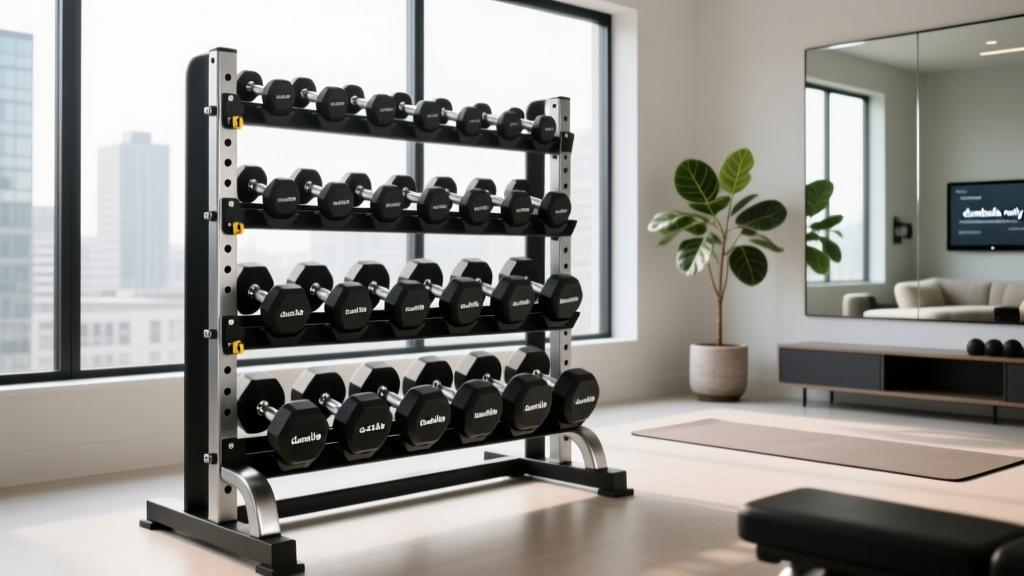
Dumbbell Rack Trends 2026: Fueling the Dumbbells Only Workout Boom
Explore 2026 dumbbell rack and storage trends. Discover the best tiered, vertical, and modular solutions to optimize your dumbbells only workout space.

The 2026 Market Shift: Why Storage is the New Bottleneck
The fitness industry has witnessed a massive programming shift over the last few years, and by 2026, the dumbbells only workout methodology has firmly transitioned from a niche home-gym trend to a dominant training philosophy. Driven by the unparalleled versatility of free weights and a collective move away from bulky, single-use selectorized machines, lifters are investing heavily in comprehensive fixed dumbbell sets. However, this surge in weight density has created a critical secondary market bottleneck: storage.
According to RunRepeat's comprehensive home gym statistics, the average residential gym footprint is actually shrinking, even as the total weight capacity of equipment within those spaces increases. Home gym owners are no longer buying just a pair of adjustable dumbbells; they are purchasing 10-pair or 15-pair fixed sets ranging from 5 to 120 pounds. This means a single corner of a garage must now safely support over 800 pounds of concentrated, dynamic load. The legacy A-frame racks of the early 2010s are structurally inadequate for this new era of high-density training.
📊 2026 Market Data Highlight
Average Weight of a 10-Pair Hex Set (5-50 lbs): 550 lbs
Average Weight of a 15-Pair Urethane Set (5-75 lbs): 900 lbs
Market Trend: 68% of new home gym builds in 2026 prioritize modular, heavy-duty tiered storage over traditional vertical 'tree' racks due to the increased head diameter of commercial-grade rubber hex dumbbells.
Rack Typology: What’s Dominating the Market?
To support a rigorous dumbbells only workout routine, the storage solution must offer rapid visual identification, ergonomic retrieval, and uncompromising structural integrity. The 2026 market has largely segmented into three primary rack architectures, each serving a distinct user profile.
| Rack Architecture | Footprint (L x W) | Max Static Load | 2026 Price Range | Best Application |
|---|---|---|---|---|
| 3-Tier Horizontal (Slanted) | 47" x 28" | 1,200+ lbs | $350 - $650 | Heavy hex sets (5-100 lbs) |
| Vertical Dumbbell Tree | 24" x 24" | 400 - 600 lbs | $120 - $250 | Neoprene/Vinyl sets (5-25 lbs) |
| Wall-Mounted Modular | 48" x 6" (Protrusion) | 800 lbs (per tier) | $200 - $400 | Space-constrained studios |
Engineering Deep Dive: Failure Modes in Budget Racks
As Garage Gym Reviews' extensive testing of dumbbell racks has repeatedly demonstrated, the structural failure points of budget-friendly racks are rarely the uprights themselves; they are the connection points. When executing a high-volume dumbbells only workout, users frequently return heavy dumbbells with downward force. This creates a dynamic load shock.
The 575-Pound Torque Problem
Consider a standard 5-50 lb rubber hex set. The static weight is 550 lbs. When a user drops a pair of 50 lb dumbbells onto the top tier of a rack from a height of just six inches, the instantaneous dynamic force can exceed 150 lbs of localized pressure on the shelf welds.
- The Budget Failure Mode: Sub-$150 A-frame racks typically use 14-gauge steel and spot-welded gussets. Under repeated dynamic shock, the spot welds experience metal fatigue, leading to micro-fractures. Eventually, the top tier shelf detaches from the upright, causing a catastrophic collapse.
- The 2026 Premium Standard: High-end racks now utilize 11-gauge or 7-gauge steel laser-cut uprights with fully welded, reinforced triangular gussets. Furthermore, the shelves are bolted to the uprights using grade-8 hardware, allowing for modular replacement and eliminating weld fatigue at the connection point.
Shelf Depth and the Urethane vs. Hex Divide
Another critical engineering trend is the adaptation of shelf depth. Traditional rubber hex dumbbells have a massive, blocky head diameter. A 50 lb hex dumbbell requires a minimum shelf depth of 14 inches to sit securely without overhanging. Conversely, modern cast-iron core urethane dumbbells feature a compact, rounded head profile that fits perfectly on 12-inch shelves. Manufacturers like REP Fitness and Rogue have responded by offering interchangeable shelf brackets or standardizing on 14-inch deep, slanted shelves lined with UHMW (Ultra-High Molecular Weight) polyethylene to protect the dumbbell heads and dampen acoustic shock.
Top 2026 Storage Solutions for Heavy Sets
If you are scaling up your dumbbells only workout arsenal, you need storage that matches your investment. Here are the standout market leaders defining the 2026 landscape:
- Rogue 3-Tier Dumbbell Rack (Model: 3-Tier DB Rack)
The undisputed gold standard for commercial and high-end residential gyms. Constructed from 11-gauge steel, it features a 47-inch length and holds up to 10 pairs of dumbbells. The slanted shelf design ensures the handles face upward for ergonomic retrieval. Price: ~$495.
- REP Fitness DB-5000 3-Tier Rack
REP has captured the mid-market by offering commercial specs at a residential price point. The DB-5000 features 14-inch deep shelves with integrated UHMW plastic liners to prevent metal-on-metal scraping. Its bolt-together design makes it easier to ship and assemble in tight spaces compared to fully welded monolithic racks. Price: ~$349.
- Bells of Steel Dumbbell Rack (Heavy Duty Horizontal)
Known for aggressive pricing without sacrificing structural integrity, this rack utilizes a unique cross-bracing system on the rear legs to prevent lateral sway—a common issue when loading heavy dumbbells on one side of the rack unevenly. Price: ~$289.
"The biggest mistake home gym owners make is buying a rack rated for the static weight of their dumbbells, completely ignoring the dynamic torque generated when racking heavy weights after a fatiguing set. Always buy a rack with a minimum 30% overhead capacity." — FitGearPulse Engineering Analysis, 2026
Space Optimization Framework for Small Gyms
Not everyone has a 3-car garage to dedicate to a dumbbells only workout. For apartment dwellers and space-constrained lifters, the 2026 market has seen a surge in wall-mounted modular storage.
By anchoring heavy-duty steel rails directly into wall studs (requiring a minimum of 3/8-inch lag bolts driven into the center of the stud), you can eliminate the footprint of a floor rack entirely. Brands like Frankenmuth Fitness and Rogue now offer wall-mount bracket kits that allow you to stack 2 to 4 tiers of dumbbells vertically against a wall. Warning: Drywall anchors are entirely insufficient for this application. A single pair of 40 lb dumbbells exerts massive pull-out force on the wall. Always use a stud finder and secure directly into wooden or metal structural studs.
Final Purchasing Verdict
The era of the dumbbells only workout has fundamentally elevated the requirements for free weight storage. The market has rightfully punished manufacturers who rely on flimsy, spot-welded A-frames, rewarding those who prioritize 11-gauge steel, UHMW-lined shelves, and dynamic load engineering.
When outfitting your space in 2026, calculate the total weight of your current set, add 30% for dynamic shock, and choose a 3-tier horizontal rack with a slanted shelf design. It is an investment in safety, ergonomics, and the seamless flow of your training sessions. Do not let a $100 rack compromise a $1,500 dumbbell set—or worse, your safety.
More gear to consider
All reviews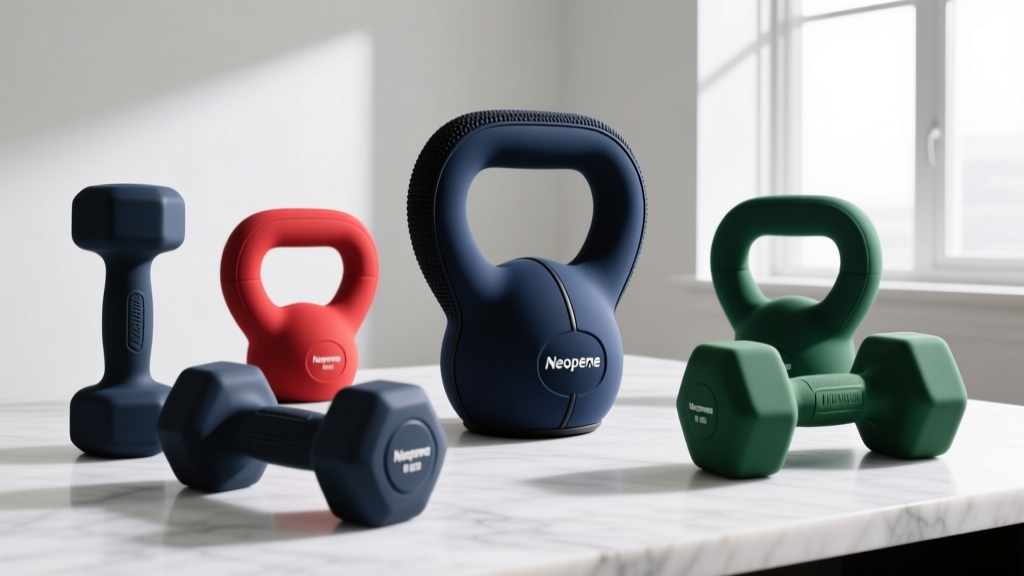
Top Neoprene Picks for a Chest Workout with Dumbbells Men Do at Home
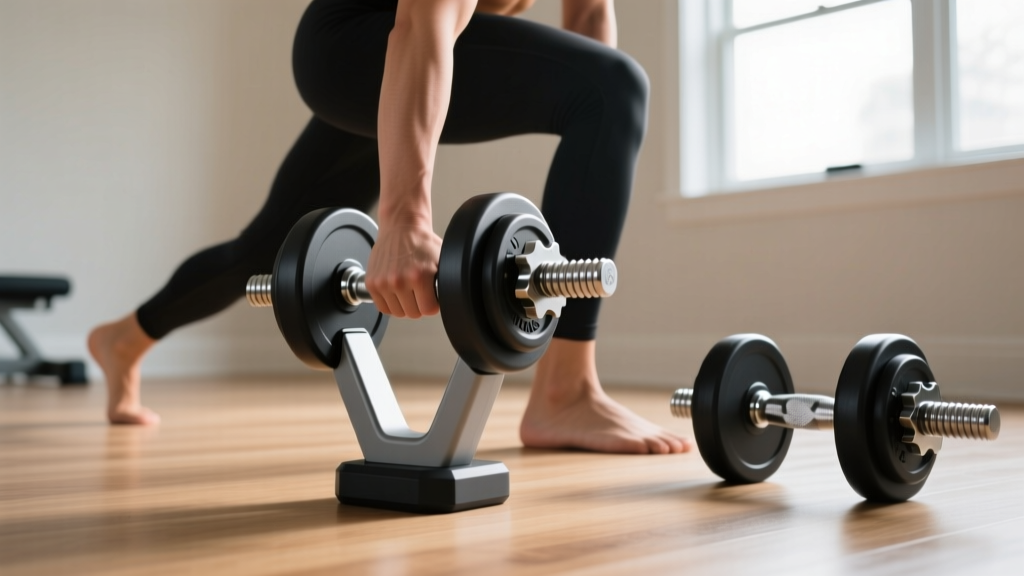
Single Leg Romanian Deadlift One Dumbbell: Adjustable Comparison

Beyond a 12 Pound Dumbbell Set: Cast Iron vs Competition Kettlebells

Lying Down Dumbbell Press: Rubber vs Urethane Maintenance
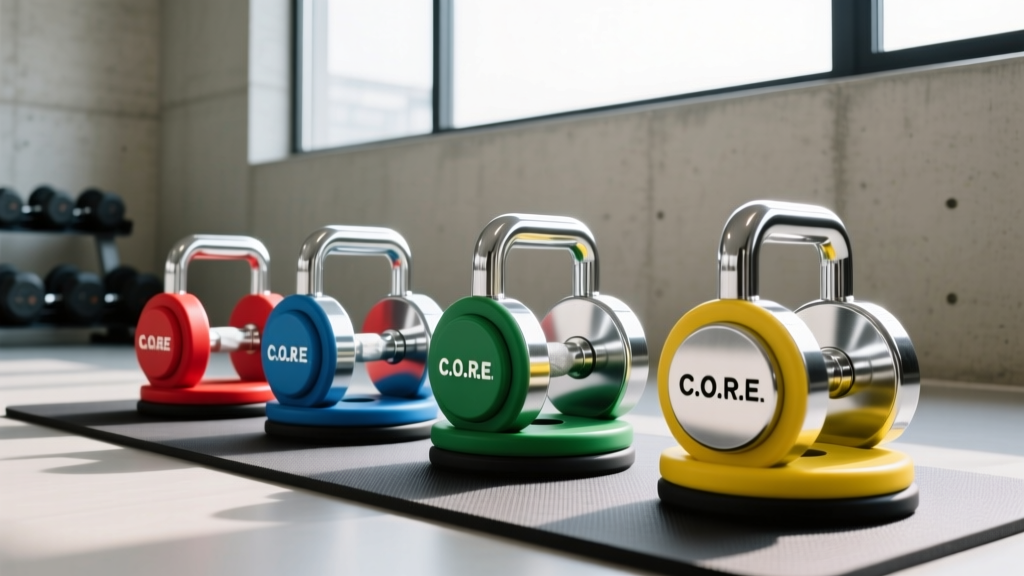
The Dumbbell Mnemonic: Layouts for Loadable Plates
