Barbell Clamp Guide: Why a Dumbbell Drawing is Easy for Workout Logs
Compare barbell collar and clamp types. Learn which lockjaw, spring, or clamp fits your bar, and why a dumbbell drawing is easy for workout logs.

The Unseen Safety Hazard: Why Collar Selection Matters
In the hierarchy of free weight equipment, barbell collars and clamps are frequently relegated to an afterthought. Yet, a slipped plate during a heavy back squat, an overhead press, or a dynamic Olympic lift is not merely a failed repetition—it is a catastrophic safety hazard that can result in severe injury or bent barbell sleeves. As we navigate the fitness equipment landscape in 2026, the engineering behind barbell retention systems has evolved significantly, moving from rudimentary spring clips to aerospace-grade aluminum cam levers.
Choosing the right collar requires understanding the friction coefficients of your barbell sleeves, the impact forces of your specific training style, and the precise weight tolerances required for competition. This in-depth buying guide breaks down the mechanical realities of every major collar type on the market.
Comprehensive Breakdown of Barbell Collar Types
1. Spring Collars (The Budget Standard)
Spring collars operate on a simple tension-based mechanism. You compress the metal wire loops, slide the collar onto the 50mm Olympic sleeve, and release to apply lateral pressure against the inner plate.
- Top Model: Titan Fitness Heavy-Duty Spring Collars ($12.99/pair)
- Material: Zinc-plated steel wire
- Weight: ~0.25 lbs per collar
- The Verdict: Excellent for high-rep, low-impact workouts like CrossFit WODs or light accessory work. However, the primary failure mode is metal fatigue. After 6 to 12 months of heavy drops, the wire gauge thins out at the bend points, drastically reducing lateral clamping force. They are not recommended for heavy powerlifting or overhead Olympic lifts.
2. Clamp and Lockjaw Collars (The Powerlifter's Choice)
Clamp-style collars use a cam-lever mechanism to lock onto the bar sleeve. They provide vastly superior lateral holding force compared to springs and are the undisputed standard for commercial gyms and serious home garages.
- Top Models: Rogue Fitness Aluminum Collars ($35.00/pair) and Lockjaw Pro Olympic Collars ($45.00/pair)
- Materials: Forged aluminum with urethane lining (Rogue) vs. Glass-filled nylon (Lockjaw)
- Weight: ~0.45 lbs per collar
- The Verdict: The Rogue Aluminum Collars utilize a high-density urethane lining that grips the steel sleeve aggressively, boasting over 150 lbs of lateral clamping force. The Lockjaw Pro, made from glass-filled nylon, is equally secure but offers the added benefit of never scratching your bar's zinc or chrome finish. The edge case to watch for with nylon clamps is temperature warping; leaving them clamped tightly on a bar in a freezing garage gym over the winter can cause the nylon housing to micro-fracture.
3. Spin-Lock and Threaded Collars (The Threaded Relic)
Found almost exclusively on standard 1-inch (25mm) home gym barbells, spin-lock collars require the user to thread a heavy metal or plastic nut down the bar's grooved sleeve.
- Avg Price: $10.00 - $15.00/pair
- Weight: 1.5 to 3.0 lbs per collar
- The Verdict: While they offer zero slip-risk due to the physical threading, they are incredibly slow to load and unload. Furthermore, the heavy weight of the collars (up to 6 lbs combined) severely throws off plate math for precise programming. They are obsolete for any serious 2026 training setup but remain a staple for budget adjustable dumbbell handles.
4. Competition Calibrated Collars (The Elite Tier)
When lifting in sanctioned meets, the weight of the collar is factored into the total load. According to the International Powerlifting Federation (IPF) technical rules, competition collars must weigh exactly 2.5 kg (5.5 lbs) each.
- Top Model: Eleiko IPF Certified Competition Collars ($95.00/pair)
- The Verdict: These feature a heavy-duty steel core wrapped in rubberized housing with a dual-lever locking system. They are overkill for general fitness but mandatory for equipped powerlifters who need to account for every fraction of a kilogram on the bar.
Adding heavy collars (like the 2.5kg competition models) dampens the 'whip' or flex of a deadlift or Olympic barbell. If you are training specifically for barbell rebound characteristics, stick to lightweight aluminum clamp collars (0.45 lbs) during your peaking blocks to maintain the bar's natural kinetic feedback.
Data Matrix: Collar Type Comparison
| Collar Type | Avg Price (Pair) | Weight (Each) | Holding Force | Best Application | Slip Risk on Drops |
|---|---|---|---|---|---|
| Spring Clip | $10 - $15 | 0.25 lbs | Low (Tension) | MetCon, Light Accessory | High |
| Aluminum Clamp | $30 - $40 | 0.45 lbs | Very High (Cam-Lever) | Powerlifting, Strongman | Very Low |
| Nylon Lockjaw | $40 - $50 | 0.50 lbs | Very High (Cam-Lever) | Home Gyms, Bumper Plates | Low |
| Spin-Lock | $10 - $20 | 1.5 - 3.0 lbs | Absolute (Threaded) | Standard 1" Home Bars | None |
| Competition | $80 - $120 | 5.5 lbs (2.5kg) | Maximum (Dual-Lever) | IPF/IWF Meets | None |
Training Logistics: Barbell Assembly vs. Visual Logging
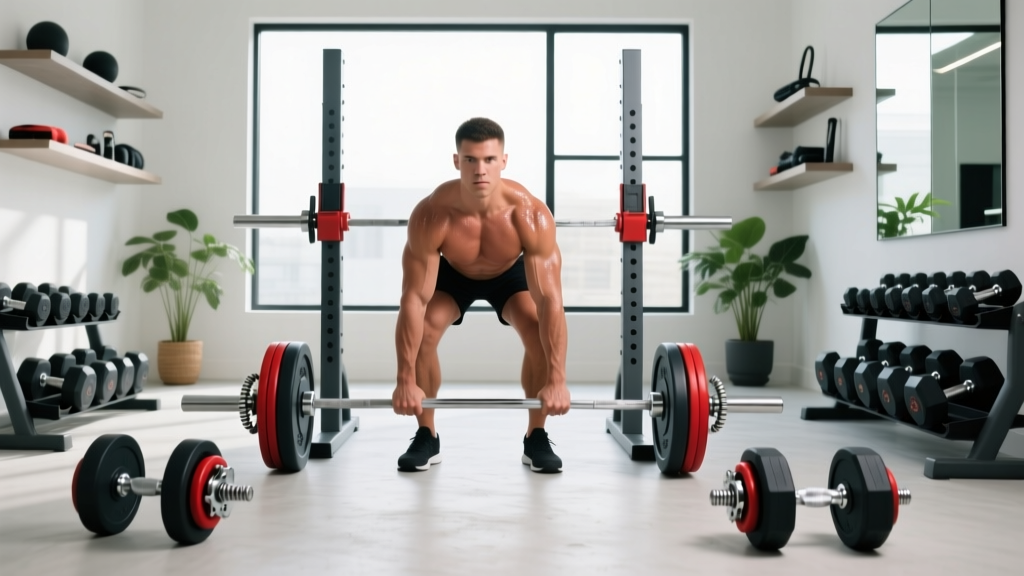
When managing your daily training logistics, there is a stark contrast between the physical setup of barbell movements and the cognitive load of logging them. For barbell work, you must calculate complex plate math, account for collar weight, and sequence plates properly to protect the bar sleeve from uneven torque. Documenting these setups in a training journal often requires writing out lengthy notes regarding grip width, sleeve whip, and collar placement.
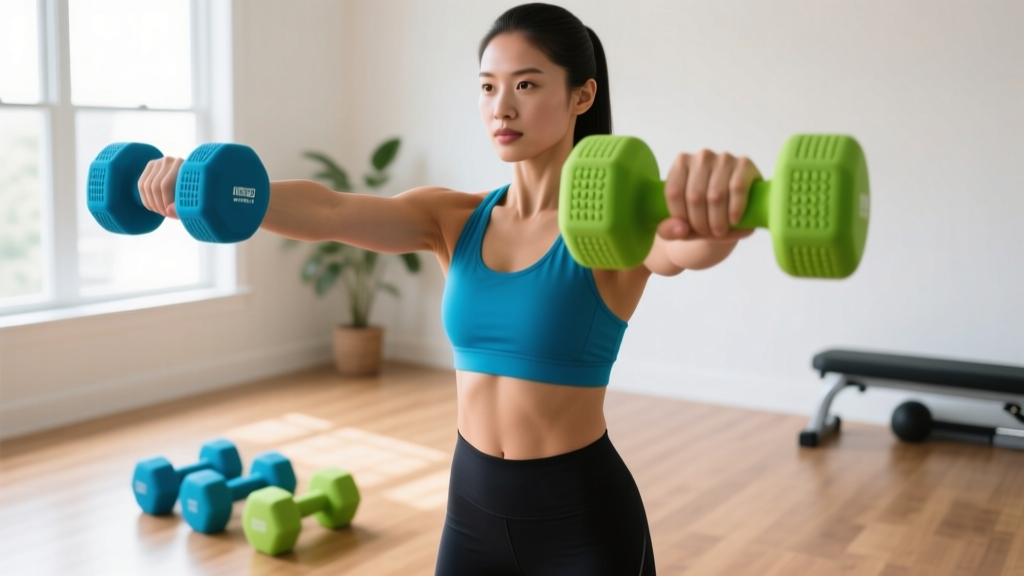
However, when tracking unilateral, offset, or asymmetrical exercises, visual shorthand becomes invaluable. In a physical training log or bullet journal, you will find a dumbbell drawing easy to sketch in the margins to quickly denote grip angles, unilateral offsets, or complex carries (like a bottoms-up kettlebell or neutral-grip dumbbell press) without writing out paragraphs of text. While a barbell requires meticulous physical assembly and detailed written logging, documenting dumbbell variations relies on simple, rapid visual cues. For more on tracking biomechanics and exercise variations, resources like ExRx.net offer excellent visual directories to help standardize your workout logs.
Real-World Failure Modes: When Collars Slip
Even the best clamps can fail if environmental or mechanical variables are ignored. Here are the most common edge cases we see in the field:
- Chalk Buildup on Sleeves: Magnesium carbonate (lifting chalk) acts as a dry lubricant on smooth steel. If you fail to wire-brush your barbell sleeves weekly, the friction coefficient drops drastically, allowing even high-end aluminum clamps to slide outward during heavy deadlift drops.
- Overhead Drop Impacts: Dropping a barbell from the overhead position (e.g., missed snatches) generates immense G-force. Spring collars will almost always pop off upon impact. Always use cam-lever clamps for Olympic weightlifting.
- Urethane Degradation: The rubberized linings inside clamp collars can dry rot or compress permanently if left clamped tightly on the bar for months at a time. Always release the cam lever when storing the equipment.
Expert Buying Framework: Matching Collars to Your Training
Do not default to the cheapest option; match the retention system to your mechanical output.
- For the Powerlifter: Invest in forged aluminum cam-lever collars. The aggressive urethane bite ensures plates stay flush against the hub during heavy, grinding squats and bench presses.
- For the CrossFit Athlete: Keep a pair of heavy-duty spring collars on hand for rapid transitions during AMRAPs, but keep a pair of nylon Lockjaws nearby for heavy barbell cycling days.
- For the Garage Gym Owner: Glass-filled nylon clamps are the superior choice. They withstand humidity, won't rust, and protect your expensive barbell's knurl and finish from metal-on-metal scarring.
Frequently Asked Questions
Do I need to account for collar weight in my lifts?
For general fitness, no; a 0.45 lb aluminum collar is negligible. For competition prep or precise percentage-based programming, you must account for them, especially if using 2.5kg competition collars which add 5kg (11 lbs) total to the bar.
Can I use 50mm Olympic collars on a standard 1-inch bar?
No. You must use adapters or purchase specific 25mm collars. The internal diameter of an Olympic collar will slide right off a standard bar, creating a massive safety hazard.
More gear to consider
All reviews
Upper Body Dumbbell Workout Men: Hex vs Urethane Gym Layout Guide

Rack Setup: Power vs Squat Rack & Rep Pepin Dumbbells Stand Install

Cost Analysis: Loadable Dumbbells for Arm Dumbbell Rows

Best Loadable Gear for a Rear Shoulder Workout With Dumbbells

Best Neoprene Dumbbells for a Home Dumbbell Shoulder Routine