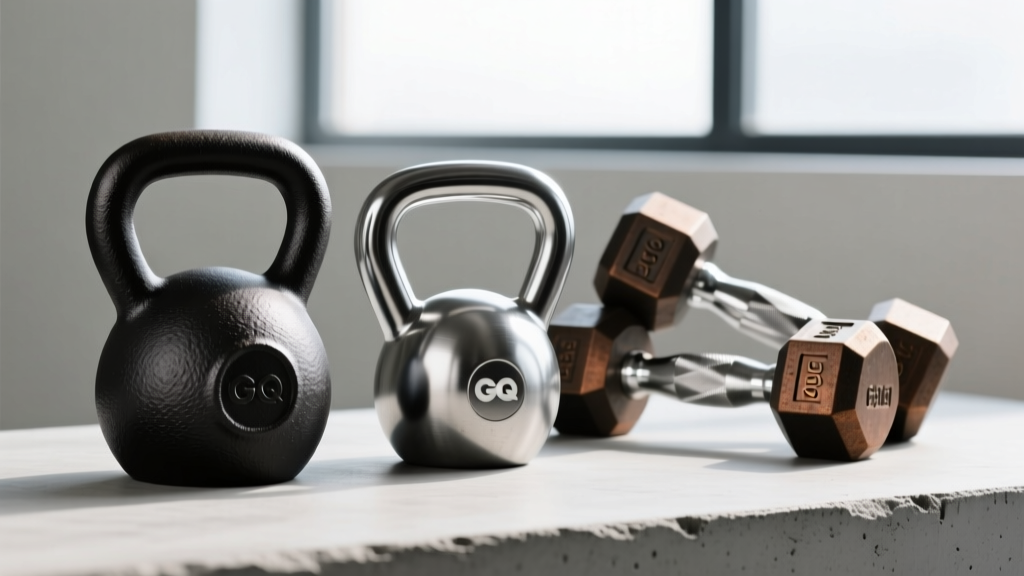
How to Add More Weight to Dumbbells: Rubber Hex vs Urethane Longevity
Learn how to add more weight to dumbbells using micro-plates, plus expert maintenance and longevity tips comparing rubber hex vs urethane coatings.

Fixed-weight dumbbells are the backbone of any serious free-weight zone, but they present a unique challenge for lifters focused on progressive overload. When you max out your current pair, the immediate question is: how to add more weight to dumbbells without spending thousands to replace an entire rack? While magnetic add-ons and wearable weights offer a temporary bridge, the method you use to micro-load will drastically impact the lifespan of your equipment. This is especially true when comparing the two most common fixed-dumbbell coatings on the market: rubber hex and urethane.
In this guide, we break down the material science behind these coatings, reveal how different weight-adding methods affect their structural integrity, and provide a 2026-standard maintenance protocol to maximize your investment.
The Fixed-Weight Dilemma: How to Add More Weight to Dumbbells
Unlike adjustable dumbbells or plate-loaded barbells, fixed dumbbells are a closed system. However, intermediate lifters and rehabilitating athletes often need increments smaller than the standard 5-pound jumps found in most commercial racks. Here are the three primary methods lifters use to add resistance, and how they interact with dumbbell coatings:
- Magnetic Micro-Plates: Brands like PlateMates manufacture neodymium magnetic add-ons (typically 1.25 lb, 2.5 lb, and 5 lb) that snap directly onto the flat ends of hex dumbbells. This is the safest and most effective method for micro-loading.
- Wearable Wrist/Ankle Weights: Adding wearable resistance increases the total load moved during isolation exercises like lateral raises or tricep extensions without altering the dumbbell itself.
- DIY Chain or Bungee Attachments: Some lifters attempt to drape chains or strap plates to the handles. Never do this. The metal-on-metal friction will instantly destroy the handle knurling and the chrome or zinc plating, leading to rapid oxidation.
Rubber Hex vs. Urethane: Material Science and Add-On Compatibility
When researching how to add more weight to dumbbells using magnetic micro-plates, the coating material of your dumbbell dictates whether the add-on will work seamlessly or cause irreversible damage. The difference lies in the durometer (hardness) rating and the chemical composition of the elastomer.
Rubber Hex Dumbbells (Shore A 60-70)
Standard rubber hex dumbbells are made from vulcanized rubber. They are cost-effective (typically $1.50 to $2.00 per pound) and offer excellent floor protection. However, vulcanized rubber is relatively soft. When you drag a heavy neodymium magnetic plate across a rubber hex head to attach or remove it, the friction can cause micro-tears in the rubber. Over time, these tears expand, causing the rubber to peel away from the internal cast-iron core.
Urethane Dumbbells (Shore A 85-90)
Urethane dumbbells are cast from polyurethane, a high-density polymer that costs significantly more ($3.50 to $6.00+ per pound) but offers vastly superior longevity. Urethane is highly resistant to abrasion. Magnetic add-ons can be snapped on and dragged across urethane heads thousands of times without leaving a scratch. Furthermore, urethane does not rely on sulfur bonds, meaning it will not degrade, melt, or emit a foul odor when exposed to UV light or acidic sweat.
⚠️ Maintenance Warning: Adhesive Add-OnsNever use duct tape, athletic tape, or adhesive-backed weights to add resistance to fixed dumbbells. The chemical solvents in the adhesive will break down the plasticizers in both rubber and urethane, leaving a permanent, sticky residue that attracts dirt and ruins the coating.
Longevity Protocols: Preserving the Coating
Adding weight is only half the battle; maintaining the dumbbell ensures the coating remains intact enough to accept magnetic add-ons safely. As of 2026, commercial gym standards have shifted heavily toward urethane due to the high failure rate of rubber in humid environments.
The Threat of Sweat and pH Levels
Human sweat has a pH level ranging from 4.5 to 7.0. When acidic sweat drips onto vulcanized rubber, it accelerates the breakdown of the sulfur bonds used in the molding process. This results in the 'melting' effect where rubber dumbbells become sticky and leave black marks on users' hands. Urethane, being a chemically inert elastomer, is entirely impervious to sweat acidity.
Proper Cleaning Agents
If you are maintaining a rubber hex rack, avoid harsh degreasers like undiluted Simple Green or bleach-based wipes. These strip the natural oils from the rubber, causing it to dry rot and crack. Instead, use a neutral pH cleaner (like a mild dish soap diluted in water) applied to a microfiber cloth. For urethane, standard gym wipes are perfectly safe and will not degrade the polymer.
Comparison Matrix: Rubber Hex vs. Urethane Longevity
| Feature | Rubber Hex Dumbbells | Urethane Dumbbells |
|---|---|---|
| Material Composition | Vulcanized Rubber | Cast Polyurethane |
| Durometer Hardness | Shore A 60-70 (Softer) | Shore A 85-90 (Denser) |
| Magnetic Add-On Safety | Moderate (Risk of micro-tearing) | Excellent (Highly abrasion-resistant) |
| UV & Sweat Resistance | Poor (Degrades, becomes sticky) | Excellent (Chemically inert) |
| Average Cost per Pound | $1.50 - $2.00 | $3.50 - $6.00+ |
| Expected Lifespan (Heavy Use) | 2 - 4 Years | 10+ Years |
Step-by-Step: Safely Attaching Magnetic Micro-Weights
To ensure you do not damage the flat heads of your dumbbells when figuring out how to add more weight to dumbbells via magnets, follow this protocol:
- Clean the Surface: Wipe the flat head of the dumbbell with a dry microfiber cloth to remove chalk dust and sweat. Moisture and chalk reduce magnetic friction and cause the plate to slide, creating friction burns on rubber.
- Align the Magnet: Hold the magnetic micro-plate parallel to the dumbbell head. Do not snap it on from an angle, as the edge of the magnet can gouge softer rubber coatings.
- Press, Don't Drag: Press the magnet firmly into place. If you need to reposition it, pull it straight off and reapply. Never drag it across the surface.
- Removal Technique: To remove, use your thumb to roll the edge of the magnetic plate upward, breaking the magnetic seal, rather than pulling it straight off, which can cause a sudden slip and scratch the coating.
Expert Insight on Progressive Overload: Micro-loading is highly effective for upper-body isolation movements where a 5 lb jump represents a 15-20% increase in total load. However, if you find yourself consistently using 10+ lbs of magnetic add-ons on a fixed dumbbell, the sheer weight of the magnets can compromise the structural balance of the dumbbell head, increasing the risk of the magnet shearing off mid-rep.
When to Abandon Fixed Dumbbells for Adjustable Sets
While magnetic add-ons are a brilliant stopgap, they are not a permanent solution for advanced lifters. If your primary goal is heavy progressive overload (e.g., dumbbell bench pressing over 80 lbs per hand), attempting to stack multiple magnetic plates is unsafe and impractical.
At this stage, the most cost-effective and space-efficient solution is to transition to high-end adjustable dumbbells (such as the Nuobell or PowerBlock Pro series) or invest in a plate-loaded dumbbell handle system. This eliminates the need to modify fixed weights entirely, preserving the integrity of your lighter rubber hex or urethane pairs for their intended isolation and rehab purposes.
Final Maintenance Takeaway
Understanding the material limitations of your equipment is just as important as knowing how to program your workouts. By matching the correct micro-loading technique to the specific polymer coating of your dumbbells, you can safely bridge the gap between weight increments while ensuring your free-weight rack survives the rigors of daily training for years to come.
More gear to consider
All reviews
How to Work Out Back With Dumbbells: Loadable Budget Guide

Adjustable Dumbbells for Your Dumbbell Home Training Program (2026)

Cast Iron vs Competition Kettlebell Care & Dumbbell Step Up for Glutes
Beyond the Dumbbell Picture: Olympic Barbell Setup & Knurling Guide
Dumbbell Rack Care and Storage for a Safer Dumbbell Push Press