
Why Are Dumbbells So Expensive? Top Neoprene Sets Compared
Wondering why are dumbbells so expensive? We compare top neoprene coated dumbbells for home use to find budget-friendly alternatives without sacrificing quality.

The Sticker Shock: Why Are Dumbbells So Expensive?
If you have ever priced out a full rack of fixed weights for your home gym, you have likely stared at your shopping cart and asked yourself: why are dumbbells so expensive? It is a common frustration. A complete set of premium urethane-coated dumbbells ranging from 5 to 50 pounds can easily exceed $1,500, while adjustable sets like the Bowflex SelectTech 552 hover around the $400 mark for a single pair.
The answer comes down to three brutal realities of manufacturing and logistics: raw material costs, freight shipping, and coating durability. Cast iron prices fluctuate globally, but the real killer is freight. Shipping dense, heavy iron via standard parcel carriers like FedEx or UPS incurs massive surcharges. Furthermore, premium coatings like virgin urethane require high-pressure molding processes that drive up the unit cost. According to comprehensive equipment analyses by Garage Gym Reviews, the price per pound for commercial-grade urethane dumbbells often sits between $3.00 and $5.00, pricing out many casual home gym owners.
But there is a loophole. If you want fixed weights without taking out a second mortgage, the neoprene coated dumbbell for home use is your best defense against inflated fitness pricing. Neoprene (polychloroprene) is a synthetic rubber that is significantly cheaper to produce and mold than urethane. Below, we put the top three neoprene dumbbells on the market head-to-head to see which budget-friendly option actually delivers on quality.
Head-to-Head: Top Neoprene Dumbbells for Home Use
To find the best value, we tested the three most popular neoprene dumbbell lines available today. We evaluated them on grip ergonomics, coating resilience, weight accuracy, and price-per-pound efficiency.
1. CAP Barbell Neoprene Hex Dumbbell (The Industry Standard)
CAP Barbell has dominated the budget fitness space for decades. Their neoprene hex dumbbells feature a solid cast iron core encased in a thick neoprene shell. The hexagonal head prevents rolling, which is crucial for home gyms with uneven flooring or limited space. The handle features a light, machine knurling that provides adequate grip without tearing up your calluses during high-rep lateral raises or skull crushers. Priced at roughly $1.50 to $1.80 per pound, CAP represents the sweet spot between commercial durability and budget pricing.
2. Amazon Basics Neoprene Dumbbell (The Budget King)
Amazon leverages its massive supply chain to subsidize shipping costs, directly answering the question of why are dumbbells so expensive for other brands—by eating the freight cost themselves. The Amazon Basics neoprene dumbbell is remarkably similar to the CAP Barbell but often undercuts it by 10% to 15% in price. However, the handle is slightly smoother, lacking the aggressive knurling found on premium models. The neoprene coating is also slightly thinner at the edges, making it more susceptible to tearing if dropped on bare concrete.
3. Yes4All Neoprene Coated Dumbbell (The High-Volume Contender)
Yes4All is a massive player in the Amazon fitness ecosystem. Their neoprene dumbbells are color-coded by weight increment, which is a fantastic organizational tool for home gyms where multiple family members train. The grip is contoured and ergonomic, but the bare metal section between the neoprene heads is notably shorter than the CAP Barbell, which can feel cramped for users with larger hands during heavy goblet squats.
Specification & Pricing Matrix
Here is how the top three contenders stack up across critical performance metrics. Note: Pricing reflects average market rates and can fluctuate based on freight surcharges and sales.
| Feature | CAP Barbell Neoprene | Amazon Basics Neoprene | Yes4All Neoprene |
|---|---|---|---|
| Avg. Price Per Pound | $1.60 - $1.80 | $1.20 - $1.50 | $1.40 - $1.70 |
| Handle Knurling | Medium (Excellent) | Light (Fair) | Medium (Good) |
| Coating Thickness | 4mm (High Durability) | 2.5mm (Moderate) | 3mm (Good) |
| Weight Increments | 5 - 50 lbs | 1 - 20 lbs (Sets) | 5 - 40 lbs |
| Roll-Proof Design d> | Hexagonal | Hexagonal | Hexagonal |
Deep Dive: Ergonomics, Coatings, and Failure Modes
When comparing budget fitness gear, the devil is always in the details. While all three brands use a cast iron core and a polychloroprene exterior, the manufacturing tolerances tell a different story.
Coating Degradation and UV Sensitivity
Neoprene is highly resistant to oil, heat, and weathering, but it has one major Achilles heel: UV degradation. If your home gym is in a garage with direct sunlight exposure, prolonged UV rays will cause the neoprene to 'chalk' (turn white and powdery) and eventually crack. Urethane does not suffer from this issue, which is one reason commercial gyms pay a premium for it. To maximize the lifespan of neoprene dumbbells, store them on a rack away from direct sunlight and wipe off sweat immediately, as the salts in human sweat can accelerate the breakdown of the synthetic rubber binding agents over time.
⚠️ Warning: The Concrete Drop TestNever drop neoprene dumbbells on bare concrete or hardwood. Unlike rubber bumper plates or high-density urethane, neoprene is relatively soft but lacks the structural rebound to absorb high-impact kinetic energy. Dropping a 30 lb neoprene dumbbell from chest height will likely result in the coating splitting at the seam where the iron core meets the mold, exposing the raw iron to humidity and rust.
Handle Ergonomics and Grip Fatigue
According to equipment testing data featured in BarBend's comprehensive dumbbell guides, handle diameter and knurling depth are the primary drivers of grip fatigue. The CAP Barbell features a 35mm handle diameter with a chrome-plated, knurled center. This bare metal section is crucial; it allows your skin to grip the steel directly, bypassing the slippery nature of rubber when your hands get sweaty. The Amazon Basics model covers more of the handle in neoprene, which feels comfortable initially but becomes a slip hazard during heavy, sweat-inducing sets like Bulgarian split squats or dumbbell Romanian deadlifts.
When to Skip Neoprene (And When to Buy It)
Neoprene is not a one-size-fits-all solution. Understanding its limitations is key to building a functional home gym.
Skip Neoprene If:
- You do CrossFit or high-impact functional fitness: If your programming involves frequent drops from the shoulder or overhead, neoprene will tear within months. You need crumb rubber or urethane.
- You need weights over 50 lbs: Neoprene dumbbells become incredibly bulky at higher weights. A 60 lb neoprene dumbbell is so wide that it can interfere with your range of motion during presses and flies.
- You have a commercial or shared facility: The coating simply will not survive hundreds of users dropping them on the floor.
Buy Neoprene If:
- You are building a budget home gym: It is the most cost-effective way to get fixed weights without sacrificing a hex-shaped, roll-proof design.
- You focus on controlled hypertrophy: If you lower your weights with control and place them gently on a rack or mat, neoprene will last a lifetime.
- You want floor-friendly weights: Neoprene is much gentler on rubber matting and hardwood floors than bare cast iron or chrome.
To completely bypass the question of 'why are dumbbells so expensive,' consider a hybrid home gym setup. Buy a pair of high-quality adjustable dumbbells (like the PowerBlock Elite or Nuobell) for your heavy, low-rep strength work (up to 50-80 lbs). Then, purchase a set of budget neoprene dumbbells (10 lbs to 25 lbs) strictly for high-rep isolation work, lateral raises, and warm-ups. This strategy saves you over $800 compared to buying a full fixed-weight rack.
Final Verdict: Building a Budget Home Gym
The fitness industry relies on the fact that shipping heavy iron is expensive, passing those logistical costs directly onto the consumer. By understanding the material differences between urethane, rubber, and neoprene, you can make highly informed purchasing decisions that protect your wallet.
For the ultimate balance of price, durability, and ergonomics, the CAP Barbell Neoprene Hex Dumbbell takes the top spot in our head-to-head comparison. Its superior knurling and thicker 4mm coating justify the few extra dollars per pound over the Amazon Basics alternative. However, if you are strictly buying lighter weights (under 20 lbs) for high-rep burnout sets, the Amazon Basics Neoprene line remains an unbeatable value proposition. Equip your home gym smartly, respect the materials, and never let freight surcharges dictate your fitness journey.
More gear to consider
All reviews
EZ Curl Bar vs Straight Bar: Training for a 350 lb Dumbbell

Rack vs Stand: Troubleshooting Dumbbell Rear Delt Flyes Clearance
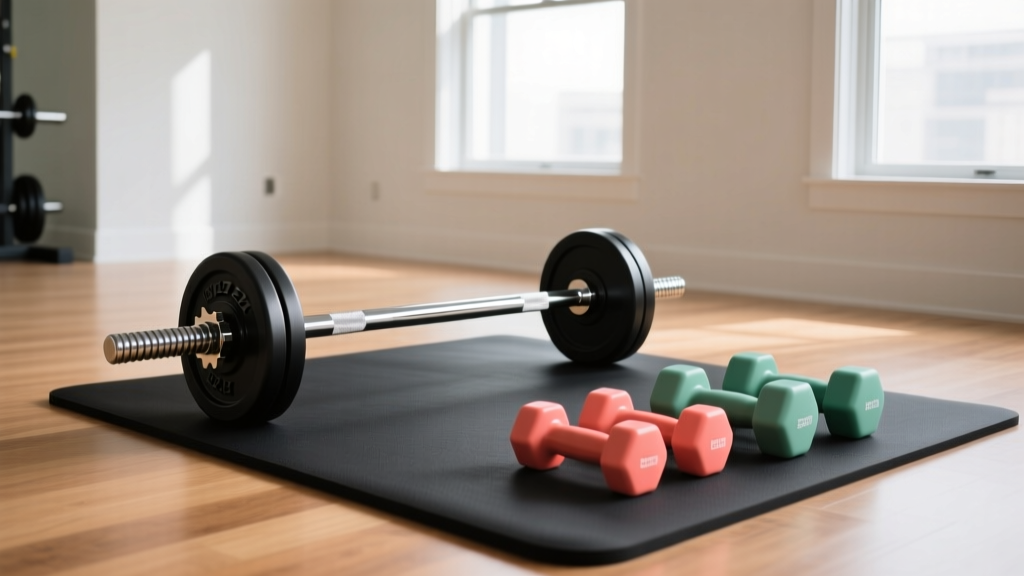
EZ Bar vs Straight Bar & Chest Workout Women Dumbbells Trends
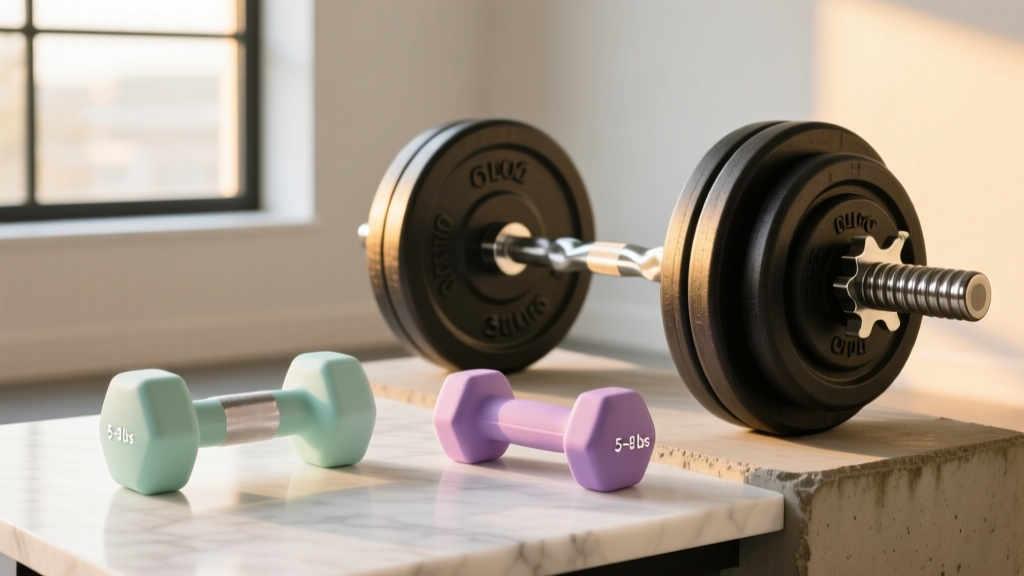
From Starter Dumbbell Weight for Women to Olympic Barbell Knurling

What Are Dumbbells Made Of? Neoprene Home Gym Setup Guide
