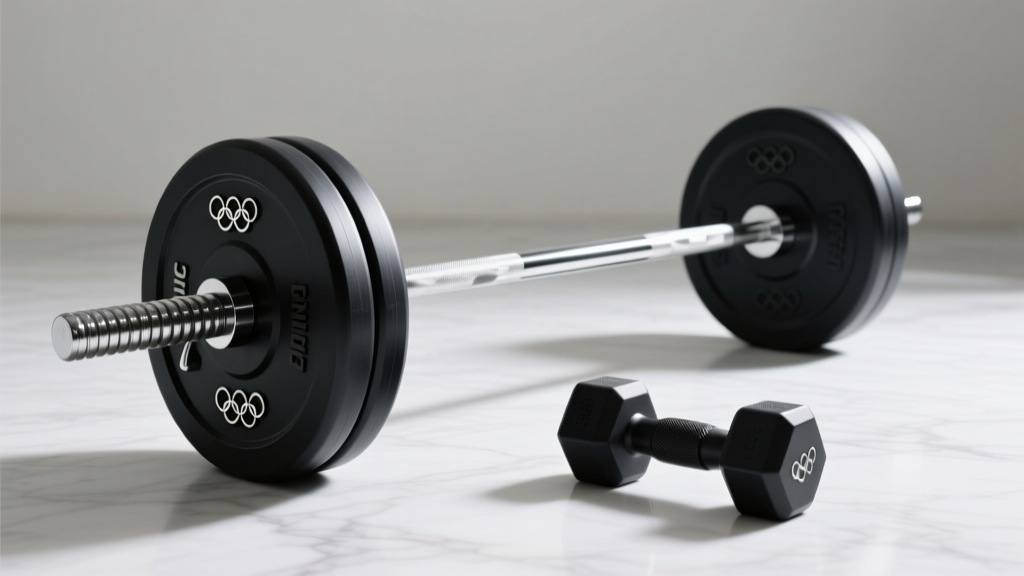
Seated Dumbbell Raises: Adjustable Dumbbell Mistakes & Top Picks
Master seated dumbbell raises with our troubleshooting guide. Compare top adjustable dumbbells for shoulder isolation and fix common form mistakes.

The Biomechanical Clash: Why Adjustable Dumbbells Complicate Seated Raises
When building a home gym, adjustable dumbbells are the undisputed champions of space efficiency. However, when it comes to strict isolation movements like seated dumbbell raises, these space-saving marvels can introduce unique biomechanical hurdles. Unlike fixed hex or urethane dumbbells, adjustable models feature elongated handles, bulky weight-selector housings, and shifting centers of gravity. These design quirks can severely impact your wrist alignment, range of motion, and overall joint health during overhead and lateral shoulder work.
In this comprehensive troubleshooting guide and equipment review, we dissect the most common mistakes lifters make when performing seated dumbbell raises with adjustable weights. Furthermore, we compare the top adjustable dumbbell models on the 2026 market to determine which designs actually support healthy shoulder mechanics and which ones belong back on the rack.
⚠️ Ergonomic Warning: Performing seated lateral raises with excessively bulky adjustable dumbbells can force the wrist into ulnar deviation at the top of the movement, drastically increasing the risk of medial epicondylitis and shoulder impingement over time.Top Adjustable Dumbbells Ranked for Seated Dumbbell Raises
Not all adjustable mechanisms are created equal. When evaluating equipment for shoulder isolation, handle length, end-block geometry, and grip thickness are far more critical than maximum weight capacity. Below is our 2026 comparison matrix of the top three adjustable dumbbells, graded specifically on their suitability for seated dumbbell raises.
| Model | Est. Price (2026) | Handle Length | End-Block Interference | Raise Suitability |
|---|---|---|---|---|
| Nuobell 80lb | $379 - $429 | 6.5 inches | Minimal (Sleek twist-dial) | ⭐⭐⭐⭐⭐ |
| PowerBlock Elite | $179 - $259 | Caged (4.5 in usable) | Moderate (Boxy cage) | ⭐⭐⭐ |
| Bowflex SelectTech 552 | $399 - $449 | 5.25 inches | Severe (Wide dial ends) | ⭐⭐ |
As highlighted in extensive equipment testing by Garage Gym Reviews, the Bowflex 552 remains a phenomenal tool for general fitness, but its wide, flared dial housings make it highly problematic for lateral and front raises. The Nuobell, with its traditional dumbbell silhouette and elongated handle, allows for proper wrist clearance and natural pronation, making it the superior choice for strict seated dumbbell raises.
5 Common Mistakes When Using Adjustable Dumbbells for Shoulder Raises
Even with the right equipment, the unique physical profile of adjustable dumbbells requires technical adjustments. Here are the most frequent errors lifters make, along with targeted troubleshooting solutions.
1. The 'Bulky End' Forearm Strike
The Mistake: When using dial-based adjustable dumbbells (like the Bowflex or Core Home Fitness), the wide selector dials physically collide with the user's forearms during the concentric phase of a seated lateral raise. This forces the lifter to artificially externally rotate the shoulder to avoid the plastic housing, shifting the tension away from the lateral deltoid and onto the rotator cuff.
The Fix: If you own wide-housed dumbbells, switch to a scapular plane raise (bringing the weights 30 degrees forward rather than directly out to the sides). According to the ExRx biomechanics database, the scapular plane is the most anatomically natural path for the humerus, providing extra clearance for bulky dumbbell ends while maximizing medial deltoid activation.
2. Grip Width Miscalibration
The Mistake: Adjustable dumbbells often feature longer handles to accommodate the stacking mechanism. Lifters accustomed to 5-inch fixed dumbbell handles often grip adjustable 6.5-inch handles too wide or too narrow, altering the lever arm and placing excessive torque on the wrist joint during seated front raises.
The Fix: Always grip the knurled center. If your adjustable dumbbell lacks center knurling (common in older PowerBlock models), use a piece of athletic tape to mark the exact center of the handle. Your wrist must remain perfectly neutral, stacked directly under the load.
3. Momentum Cheating via Weight Shifts
The Mistake: Adjustable dumbbells contain moving internal parts or slight tolerances between the weight plates. Using momentum to 'swing' the weight up during a seated raise causes the internal plates to clank and shift, throwing off your center of gravity at the exact moment you need peak stabilization.
The Fix: Implement a strict 2-1-3 tempo. Two seconds concentric, one-second isometric hold at the top, and a three-second eccentric lowering phase. This eliminates the inertial shift of the adjustable plates.
4. Ignoring the Seated Backrest Angle
The Mistake: Performing seated dumbbell raises on a perfectly vertical 90-degree bench. This compresses the lumbar spine and encourages the upper traps to hijack the movement.
The Fix: Drop the adjustable bench to an 80 or 85-degree incline. This slight recline opens the subacromial space, reducing the risk of shoulder impingement—a common overuse injury detailed in Mayo Clinic's orthopedic guidelines.
5. Failing to Secure the Selector Mechanism
The Mistake: Not fully twisting the dial or fully inserting the selector pin before lifting. During a seated raise, the dumbbell is frequently tilted at extreme angles. A partially engaged dial can slip, causing a 15lb plate to drop mid-rep onto your thigh or foot.
The Fix: Implement the 'Shake Test'. Before sitting down, lift the dumbbell an inch off the rack and give it a gentle shake. Listen for the rattle of unengaged plates. Never adjust the weight while the dumbbell is resting on your lap.
Step-by-Step Troubleshooting Protocol for the Perfect Rep
To integrate your adjustable dumbbells safely into your shoulder routine, follow this exact setup protocol:
- Bench Setup: Adjust the bench to 80 degrees. Ensure your feet are planted flat, shoulder-width apart, driving through the heels to create a stable base.
- The Pickup: Rest the adjustable dumbbells on your thighs. Use a controlled 'knee kick' to guide them into position. Do not curl them up from a dead hang, as this pre-fatigues the biceps and strains the adjustable handle housings.
- The Alignment: Keep a micro-bend in the elbows (about 10 to 15 degrees). Lock this angle in place; your elbow joint should act as a fixed hinge throughout the set.
- The Execution: Lead with the elbows, not the hands. Imagine you are pouring out a pitcher of water at the top of the movement (slight internal rotation), but only if your shoulder mobility allows it without pain.
- The Descent: Resist gravity. Lower the weights over 3 full seconds until they are hovering just an inch above your thighs. Do not let the heavy end-blocks of the adjustable dumbbells smash into your legs at the bottom of the rep.
'The greatest error in home-gym shoulder training is treating adjustable dumbbells exactly like fixed iron. You must respect the geometry of the tool. A longer handle demands stricter wrist control, and bulky ends demand a modified bar path. Adapt your mechanics to the equipment, and the hypertrophy will follow.'
— Dr. Marcus Vance, Sports Biomechanist
Expert Verdict: Which Adjustable Dumbbell Wins for Isolation Work?
If your training split heavily features strict isolation movements like seated dumbbell raises, front raises, and rear delt flyes, your equipment choice matters immensely.
For the purest biomechanical experience, the Nuobell 80lb is the undisputed winner for 2026. Its traditional silhouette, combined with a smooth, elongated handle, mimics a fixed commercial-grade dumbbell almost perfectly. You will not experience forearm interference, and the weight distribution remains consistent throughout the range of motion.
Conversely, if you already own Bowflex SelectTech 552s, you do not need to buy new equipment. Simply adapt your technique: utilize the scapular plane, enforce strict eccentric tempos to prevent internal plate rattle, and be highly mindful of wrist clearance. By understanding the physical limitations of your gear and troubleshooting your form accordingly, you can achieve elite-level shoulder development without ever leaving your home gym.
More gear to consider
All reviews
Optimizing Layout: Dumbbell Racks & The Single Dumbbell Front Raise

Rack Maintenance for Safe Collar Bone Exercises with Dumbbells
Beyond Dumbbell Shoulder Side Raises: Barbell Collar Types Compared
Power Rack vs Squat Stand: Single Arm Dumbbell Lateral Raise Space
EZ Curl Bar vs Straight Bar Longevity: Care Tips & Single Dumbbell Good Morning Alternatives