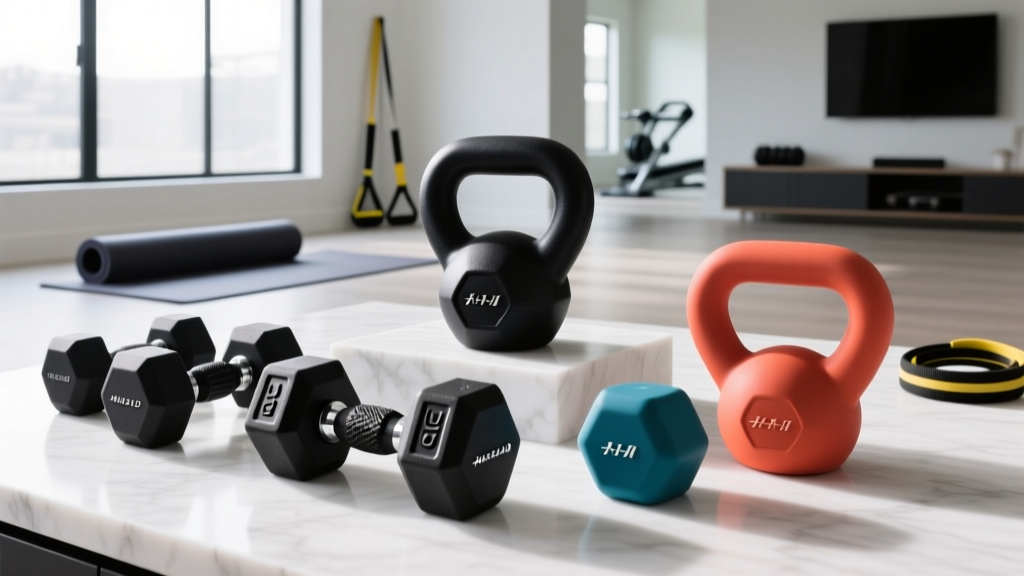
Cast Iron vs Competition Kettlebells & Dumbbell Safety Rack Guide
Expert hands-on review of cast iron vs competition kettlebells, plus crucial advice on why your dumbbell safety rack fails for KB storage.

The Great Kettlebell Debate: Cast Iron vs. Competition
As we navigate the home gym landscape in 2026, the kettlebell remains an undisputed king of functional strength, ballistic power, and metabolic conditioning. Yet, when buyers move beyond their first entry-level bell, they inevitably hit a crossroads: should you invest in traditional cast iron or uniform competition kettlebells? Furthermore, as your collection grows, you will quickly discover that standard storage solutions—specifically the ubiquitous dumbbell safety rack—are fundamentally incompatible with spherical free weights.
In this expert buying guide and hands-on review, we break down the exact specifications, pricing, and biomechanical differences between cast iron and competition kettlebells. We will also expose a critical home gym safety hazard regarding improper storage, ensuring your heavy steel doesn't end up rolling off a shelf and through your foot.
Anatomy and Physics: A Side-by-Side Comparison
The primary difference between cast iron and competition kettlebells lies in their dimensional consistency and manufacturing process. Cast iron bells are poured into molds, meaning a 16kg bell is physically smaller than a 32kg bell. Competition kettlebells, governed by international sport standards, maintain the exact same outer dimensions regardless of weight, with the internal cavity filled with steel shot or solid steel to achieve the target mass.
| Feature | Cast Iron Kettlebell | Competition Kettlebell |
|---|---|---|
| Dimensions | Variable (Grows with weight) | Uniform (280mm x 210mm x 210mm) |
| Handle Diameter | Variable (Typically 30mm - 35mm) | Strict 33mm |
| Base Shape | Flat, wide, proportional | Flat, narrow (approx. 180mm) |
| Best For | Hardstyle, general fitness, grinds | Girevoy Sport, high-rep snatches |
| Avg. Price (16kg) | $65 - $90 | $120 - $160 |
Hands-On Review: Top Cast Iron Picks for 2026
1. Rogue Fitness Matte Black Kettlebell
The Rogue Fitness Cast Iron Kettlebell remains the gold standard for American-made hardstyle bells. Featuring a durable E-coat finish, this bell resists rust and chalk buildup far better than traditional powder coats. The handle window is generously sized, accommodating a two-handed grip for heavy swings, while the 33mm handle diameter on the mid-range weights (16kg-24kg) provides the perfect tactile feedback for cleans and presses. At roughly $85 for a 16kg bell, the pricing is premium but justified by the machining quality and zero seam lines.
2. Rep Fitness KB1 Powder Coat Series
For budget-conscious lifters, the Rep Fitness KB1 offers incredible value. The textured powder coat grips chalk exceptionally well, though it can feel slightly abrasive on the palms during high-volume snatch sessions if your callus management is poor. The base is wide and flat, making it highly stable for renegade rows and gorilla rows. Pricing hovers around $60 for a 16kg, making it an excellent workhorse for general physical preparedness (GPP).
Hands-On Review: Top Competition Kettlebell Picks
1. Kettlebells USA Apollo Competition
When transitioning to sport-style lifting, the Kettlebells USA Apollo line is our top recommendation. These bells are constructed from a high-grade steel shell, ensuring the 280mm x 210mm x 210mm FIBO-certified dimensions are perfectly maintained. The internal fill utilizes precision steel shot for weights up to 24kg, transitioning to solid steel machining for 32kg and above to prevent the 'shifting center of gravity' effect during complex juggling or snatch variations. The color-coded bands on the handles allow for instant weight identification during fatigued sport sets.
2. Onnit Competition Kettlebell
Onnit's competition bells feature a slightly smoother steel finish on the handle, which some lifters prefer for high-rep snatches to minimize forearm tearing. The 16kg model ($135) features a vibrant yellow band and a perfectly balanced window that rests comfortably against the forearm in the rack position. However, the narrow base inherent to all competition bells requires careful placement during floor-based exercises like windmills.
⚠️ Expert Warning: The Dumbbell Safety Rack Failure Mode
A massive trend we are seeing in 2026 home gym setups is the dangerous misuse of the dumbbell safety rack for kettlebell storage. Standard dumbbell tier racks feature angled shelves (typically pitched at 15 to 30 degrees) with a front retention lip designed specifically to catch the flat, hexagonal end of a dumbbell.
Why it fails: Kettlebells are spherical. When a 24kg competition kettlebell (which has a relatively narrow 180mm flat base) is placed on an angled dumbbell safety rack shelf, the offset center of gravity creates a severe roll hazard. A minor bump, or even the vibration from dropping a barbell nearby, will cause the spherical bell to roll over the front lip. We have documented multiple instances of 32kg bells crushing toes and fracturing metatarsals because owners trusted a dumbbell safety rack to hold spherical weights. Always store kettlebells on flat, horizontal utility shelves or dedicated tiered floor racks.
Expert Decision Framework: Which Style Should You Buy?
Choosing between cast iron and competition isn't just about aesthetics; it is dictated by your training methodology. Organizations like StrongFirst heavily promote the hardstyle method, which prioritizes maximal tension, heavy grinds, and explosive ballistics. Conversely, Girevoy Sport focuses on efficiency, pacing, and high-repetition endurance.
- Choose Cast Iron If: Your training revolves around Turkish get-ups, heavy double front squats, windmills, and hardstyle swings. The wider base provides superior stability for floor work, and the variable handle thickness can be matched to your hand size.
- Choose Competition If: You are training for sport, performing high-rep snatches, jerks, and long-cycle cleans. The uniform 33mm handle and consistent window size mean your technique and rack position never have to adjust when you move up in weight. The smooth steel shell also glides against the forearm, reducing bruising during cleans.
Frequently Asked Questions
Can I use chalk on competition kettlebells?
Yes, but sparingly. Because competition bells are made of smooth steel, chalk is necessary for grip security during heavy snatches. However, excessive chalk can build up in the handle window. Wipe the handle down with a damp cloth after every session to maintain the factory finish.
Do I need a specialized rack for my kettlebells?
While you don't necessarily need a branded 'kettlebell rack,' you absolutely must avoid angled shelves. As noted, the dumbbell safety rack is a hazard for spherical weights. Opt for a flat-bottomed utility storage rack, a specialized three-tier KB floor stand, or simply line them up against a wall on rubber horse-stall mats to absorb impact and prevent rolling.
Why do lighter competition kettlebells feel 'off-balance'?
To maintain the exact same outer shell size for a 12kg competition bell as a 32kg bell, manufacturers must leave a large hollow void inside the lighter bells, often filling them with minimal steel shot or foam. This can cause a slight shift in the center of mass during complex rotational movements. For weights under 16kg, many experts recommend sticking to cast iron for better overall density and balance.
Final Verdict
Your choice between cast iron and competition kettlebells should be a deliberate reflection of your training goals. Cast iron offers unparalleled versatility and floor stability for general strength, while competition bells provide the biomechanical consistency required for high-volume sport lifting. Whichever path you choose, respect the physics of your equipment: retire the dumbbell safety rack for your kettlebells, invest in proper flat-surface storage, and train with confidence knowing your home gym is both optimized and safe.
More gear to consider
All reviews
Dumbbell Rack Storage & Maintenance for Dumbbells Abs Exercises

EZ Curl Bar vs Straight Bar: Is a Hexagonal Dumbbell Better Value?

Budget Dumbbell Racks to Optimize Your Dumbbell Upper Back Workout

Dumbbell Goblet Squat Care: Urethane vs Rubber Hex Longevity

Cast Iron vs Competition Kettlebells for 5 Day Dumbbell Only Workout