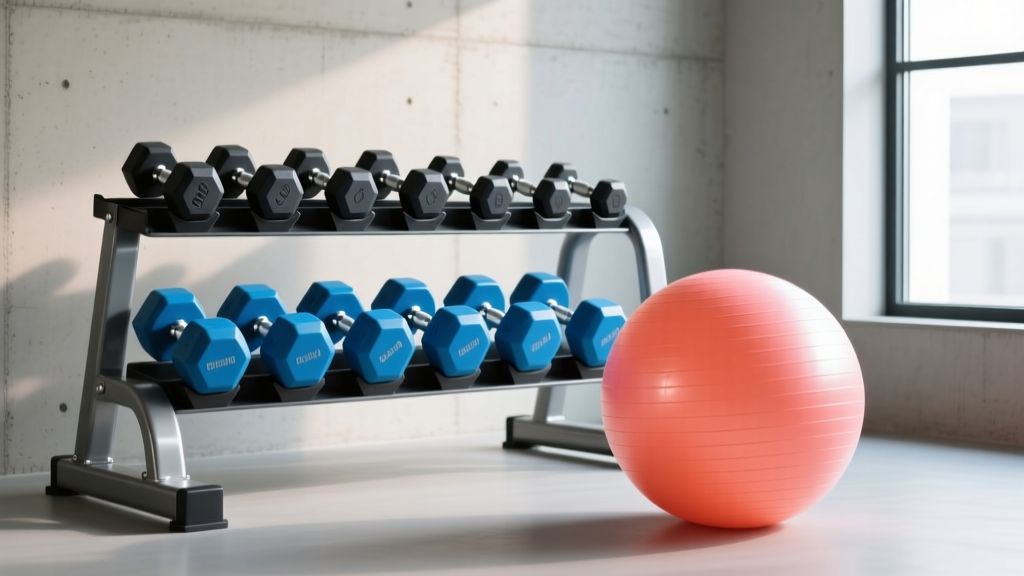
Dumbbell Press Rack Maintenance: Storage & Longevity
Optimize your dumbbell press setup with expert rack maintenance, storage solutions, and longevity tips to protect your gear and prevent injury.

As home and commercial gym setups continue to evolve in 2026, the focus on high-performance free weights has never been sharper. However, while lifters obsess over the knurling on their dumbbells or the adjustability of their benches, the foundational storage equipment is frequently ignored. If you are running a heavy dumbbell press routine, your storage rack is not just an organizational tool; it is the critical first step of your lift. A poorly maintained or improperly loaded rack can lead to catastrophic equipment failure, damaged dumbbell heads, and severe biomechanical injuries before your set even begins.
The Biomechanical Toll of a Failing Rack on Your Dumbbell Press
Executing a heavy dumbbell press requires a precise, coordinated 'knee-pop' to maneuver the weights from the rack to your shoulders. When a dumbbell rack suffers from structural deflection (sagging) or degraded tier spacing, the lifter is forced to reach further or twist awkwardly to clear the bells from the cradle. According to facility safety guidelines published by the National Strength and Conditioning Association (NSCA), improper equipment layout and degraded storage solutions are leading contributors to non-rep-related gym injuries.
'The retrieval phase of a heavy dumbbell press places the shoulder in a highly vulnerable, externally rotated position. If the rack tier sags by even half an inch, the lifter must compensate with excessive lumbar extension and shoulder impingement to clear the lip of the rack.' — Sports Biomechanics Analysis, 2025
To protect your rotator cuffs and ensure a smooth press setup, your rack must maintain absolute horizontal rigidity. This requires selecting the right storage architecture and adhering to a strict maintenance protocol.
Load Distribution and Rack Deflection
Not all tiers are created equal. A common failure mode in home gyms is storing 100lb+ dumbbells on the top tier of a rack engineered for the 5lb–50lb range. When a 120lb dumbbell is placed on a top tier designed for a maximum of 50lbs per cradle, the steel tubing experiences a continuous bending moment. Over 12 to 18 months, this causes permanent plastic deformation (sagging) in the crossbars. Once the crossbar sags, the dumbbell rolls inward, creating a pinching hazard for your fingers during the lift-off phase of your dumbbell press.
Tiered Storage Solutions: Matching Racks to Your Load
Selecting the correct rack architecture is the first step in longevity. Below is a comparison of the most common storage configurations available on the market today, analyzed by structural capacity and footprint.
| Rack Configuration | Steel Gauge & Tubing | Max Load Capacity | Footprint (L x W) | Avg. 2026 Price |
|---|---|---|---|---|
| 2-Tier Horizontal (5-50lbs) | 14-Gauge, 2x2in | 800 lbs total | 24in x 22in | $180 - $240 |
| 3-Tier Heavy Duty (5-120lbs) | 11-Gauge, 3x3in | 2,500+ lbs total | 34in x 28in | $450 - $650 |
| A-Frame Vertical (5-50lbs) | 12-Gauge, 2x3in | 1,200 lbs total | 28in x 28in | $250 - $320 |
| Wall-Mounted Saddle Rack | 11-Gauge, 3x3in | 1,000 lbs (per pair) | 6in x 8in (per mount) | $80 - $120 |
For serious lifters regularly performing a dumbbell press with weights exceeding 70lbs per hand, a 3-Tier Heavy Duty rack (such as the Rogue 3-Tier Dumbbell Rack) is non-negotiable. The 11-gauge steel and 3x3-inch tubing eliminate crossbar deflection, ensuring the bells sit perfectly level for a safe retrieval.
Step-by-Step Rack Maintenance Protocol
To maximize the lifespan of your storage solutions and protect your equipment, implement this quarterly maintenance routine. This protocol takes approximately 20 minutes but prevents thousands of dollars in equipment replacement.
- Structural Bolt Torquing (Every 90 Days): Vibrations from dropping dumbbells onto adjacent mats or racks slowly back out structural bolts. Using a calibrated torque wrench, tighten all M10 and M12 structural bolts to the manufacturer's specification (typically 45 Nm or ~33 ft-lbs for standard 11-gauge racks). Warning: Do not use an impact driver, as this can strip the nylon insert lock nuts.
- UHMW Liner Inspection and Replacement: High-end racks feature Ultra-High Molecular Weight Polyethylene (UHMWPE) liners on the cradles to protect the dumbbell knurling and steel heads. Inspect these liners for grooves. If the wear groove exceeds 2mm in depth, the dumbbell will sit unevenly, increasing the risk of a slip during your dumbbell press setup. Pry out the worn liners and press in OEM replacements.
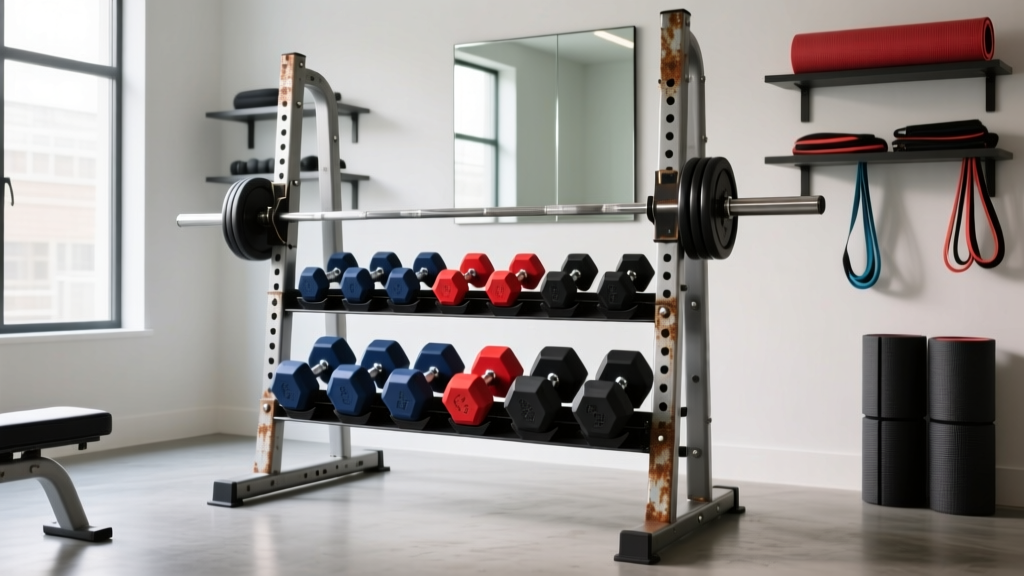
- Weld Seam Flashlight Test: Turn off the overhead lights and shine a high-lumen tactical flashlight parallel to the weld seams where the tier crossbars meet the vertical uprights. Look for hairline shadows or rust weeping from the pores of the weld. This 'weeping' indicates micro-fractures in the heat-affected zone (HAZ). If found, decommission the rack immediately and contact the manufacturer for a warranty replacement.
- Hardware Lubrication: Apply a dry PTFE (Teflon) spray lubricant to the UHMW plastic liners. This reduces the friction coefficient when sliding heavy hex dumbbells on and off the rack, preventing the plastic from tearing and reducing the lateral force transferred to the rack's welds.
Environmental Factors: Rust, Humidity, and Coating Degradation
The environment in which your rack lives dictates its lifespan. Sweat aerosolization, humidity fluctuations, and improper cleaning chemicals will rapidly degrade the powder coat and invite structural oxidation.
⚠️ Critical Environment Callout: The Chloride Threat
Never use bleach-based or chloride-heavy gym wipes on your dumbbell rack or the dumbbells themselves. Chloride ions aggressively attack the zinc undercoating beneath the powder finish. Once the zinc is compromised, subsurface rust will blister the powder coat from the inside out. Instead, use a pH-neutral quaternary ammonium cleaner or a simple 50/50 mix of distilled water and white vinegar, followed by a dry microfiber wipe-down.
For garage gyms, maintaining an ambient relative humidity (RH) between 40% and 50% is critical. If your garage lacks climate control, consider applying a thin coat of 3-in-One oil or a specialized rust-inhibiting spray (like Fluid Film) to the exposed, unpinned sections of the rack's steel tubing every six months.
Frequently Asked Questions
Can I store rubber-coated dumbbells on a metal rack without liners?
While you can, it is highly discouraged. The friction between raw steel cradles and rubber or urethane dumbbell heads will eventually tear the rubber casing, exposing the inner metal core to moisture. Furthermore, retrieving heavy bells from a bare steel rack for a dumbbell press creates a loud, jarring metal-on-metal clank that transfers unnecessary shock through the rack's welds. Always use UHMW or rubber-lined cradles.
How do I fix a rack tier that has already started to sag?
Once 14-gauge or 12-gauge steel has undergone plastic deformation (permanent bending), it cannot be safely bent back into place without compromising the structural integrity of the metal grain. If your top tier is visibly sagging, you must relocate your heaviest dumbbells to the bottom tier (closest to the floor) and use the sagging tier exclusively for lighter accessories, bands, or 5lb–20lb bells used for warm-ups.
Does the floor surface affect rack longevity?
Yes. Placing a heavy 3-tier rack directly on uneven concrete or soft rubber horse-stall mats can cause the rack to twist slightly out of square. This torsional stress places uneven loads on the welds. Always assemble and level your rack on a hard, flat surface using steel shims under the base feet if necessary, and bolt the rack to the floor or a reinforced plywood platform if it is situated in a high-traffic commercial area.
Final Thoughts on Equipment Longevity
Your dumbbell rack is the unsung hero of your free weight station. By matching the correct steel gauge to your lifting capacities, adhering to a strict 90-day torque and inspection protocol, and controlling your gym's environmental factors, you ensure that every heavy dumbbell press begins and ends with absolute safety and precision. Treat your storage solutions with the same respect you give your barbells and plates, and they will easily outlast a decade of heavy training.
More gear to consider
All reviews
Olympic Barbell Knurling & Shoulder Exercises with Dumbbells at Home

Barbell Collar Types & One Dumbbell Exercises Guide
Single Arm Dumbbell Press Layouts: Cast vs Comp Bells

Space-Saving Dumbbell Racks for a Bum Dumbbell Workout

Best Adjustable Dumbbells for a 15 Min Dumbbell Workout (2026)