
Cast Iron vs Competition Kettlebells: Dumbbell Lunges Alternative
Discover why kettlebells are the top dumbbell lunges alternative in 2026. We analyze cast iron vs competition bells, market trends, and pricing.

The 2026 Unilateral Shift: Seeking a Superior Dumbbell Lunges Alternative
As we move deeper into 2026, functional fitness and hypertrophy programming have undergone a massive paradigm shift. Bilateral dominance is out; unilateral, multi-planar movement is in. However, this shift has exposed a glaring flaw in traditional leg programming: the standard dumbbell walking lunge. Physical therapists and strength coaches are increasingly vocal about the wrist extension strain and patellofemoral joint stress caused by heavy dumbbells during dynamic lunging. Consequently, the search for an effective dumbbell lunges alternative has dominated fitness forums and commercial gym floors alike.
The undisputed champion of this movement replacement is the kettlebell. Its unique center of mass, handle geometry, and versatility in loading patterns (goblet, suitcase, and front-rack) make it the ultimate tool for unilateral leg development. This surging demand has fundamentally altered the free weights market, specifically driving a wedge between two distinct manufacturing categories: traditional cast iron and standardized competition kettlebells. This trend report analyzes the current market landscape, pricing structures, and biomechanical advantages to help you choose the right bell for your training.
Market Analysis: Cast Iron vs. Competition Kettlebell Sales
The global kettlebell market has seen a 14% year-over-year growth through 2025, stabilizing into a highly segmented industry in 2026. According to recent fitness equipment retail data, the market is split primarily between residential buyers (favoring cast iron) and commercial/CrossFit/sport athletes (favoring competition bells). Understanding the metallurgical and economic differences between these two categories is critical for buyers looking to invest in a long-term kettlebell arsenal.
Cast Iron: The Residential Dominator
Cast iron kettlebells are poured into sand molds, resulting in a solid, dense piece of iron that is typically finished with powder coating or e-coating. Because the mold dictates the shape, the physical dimensions of a cast iron bell scale up with its weight. A 12kg cast iron bell is significantly smaller in both the bell diameter and the handle horn width than a 32kg bell.
Market Position: Cast iron holds approximately 72% of the residential home gym market share. The price per pound is highly accessible, generally ranging from $1.50 to $2.80 per pound depending on the brand and coating quality. For the average consumer seeking a dumbbell lunges alternative for their garage gym, cast iron remains the default entry point.
Competition Bells: The Commercial & Sport Standard
Competition kettlebells are engineered to exact International Union of Kettlebell Sport (IUKS) specifications. Regardless of weight, every competition bell shares the exact same outer dimensions: a 210mm height, 210mm width, and a strict 33mm handle diameter. To achieve this, lighter bells are manufactured with hollow steel shells and filled with internal tungsten or steel ballast, while heavier bells are solid steel.
Market Position: While they represent only 28% of total unit volume, competition bells account for nearly 45% of total market revenue due to their premium pricing. Expect to pay between $4.50 and $8.00 per pound. Commercial facilities and serious athletes prefer them because the uniform sizing ensures that technique and grip positioning do not need to be adjusted when increasing weight.
2026 Trend Insight: We are seeing a 22% increase in "hybrid" home gyms purchasing at least one competition-style bell specifically for high-repetition ballistic movements and complex flows, while relying on cast iron for heavy, low-rep grinds like goblet squats and heavy lunges.Biomechanics: Why Kettlebells Win as a Dumbbell Lunges Alternative
Why are lifters abandoning dumbbells for lunges? The answer lies in joint kinematics and grip mechanics. The National Strength and Conditioning Association (NSCA) frequently highlights the importance of minimizing unnecessary joint shear forces during unilateral movements. When performing walking lunges with heavy dumbbells, the lateral bulk of the dumbbell heads forces the wrist into extreme extension and ulnar deviation to keep the weight balanced against the thigh. Over a 40-rep set, this leads to severe forearm fatigue and wrist impingement long before the quadriceps or glutes reach muscular failure.
Kettlebells solve this biomechanical bottleneck in three distinct ways:
- The Rack Position (Goblet & Double Rack): By cleaning the kettlebell to the chest, the load rests securely against the forearm and torso. The wrist remains in a neutral, stacked position, completely eliminating extension strain. This allows the lifter to load the anterior core and quads maximally without grip becoming the limiting factor.
- The Suitcase Hang: When holding kettlebells at the sides for suitcase lunges, the compact profile of the bell allows it to hang perfectly in line with the mid-foot. Unlike dumbbells, which can bang against the thighs during the descent of a reverse lunge, the kettlebell's offset center of mass pulls it slightly away from the leg, ensuring a clean, unobstructed movement path.
- Anti-Rotational Core Bias: As noted by ACE Fitness biomechanics research, the offset nature of a single-arm kettlebell suitcase lunge forces the obliques and quadratus lumborum to work overtime to prevent lateral flexion, turning a simple leg exercise into a comprehensive core-stabilization drill.
2026 Specification & Pricing Matrix
To contextualize the buying decision, we have compiled a data matrix comparing standard market offerings across both categories. Prices reflect average 2026 direct-to-consumer retail rates.
| Feature / Metric | Standard Cast Iron (e.g., Rogue / Onnit) | Competition Steel (e.g., Eleiko / Kettlebells USA) |
|---|---|---|
| Handle Diameter | 32mm - 35mm (Varies by weight) | Strict 33mm (Uniform across all weights) |
| Horn Width | Scales with weight (Wider on heavy bells) | Uniform (Optimized for two-handed swings) |
| Base Dimensions | Scales with weight | 210mm x 210mm (Always flat and wide) |
| Average Cost (16kg) | $55.00 - $75.00 | $110.00 - $145.00 |
| Average Cost (24kg) | $80.00 - $110.00 | $160.00 - $210.00 |
| Primary Use Case | Heavy Grinds, Goblet Lunges, Home Gyms | Ballistics, Flows, Commercial Facilities |
Buyer's Framework: Matching the Bell to the Lunge Variation
When selecting your equipment to replace traditional dumbbell lunges, your specific programming goals should dictate whether you buy cast iron or competition steel. Use this decision framework to guide your purchase:
Scenario A: The Heavy Hypertrophy Athlete (Choose Cast Iron)
If your primary goal is lower-body hypertrophy and you are performing heavy Goblet Reverse Lunges or Double Kettlebell Front Rack Lunges in the 5-8 rep range, cast iron is your best investment. The slightly thicker handles (often 35mm on heavier weights) provide a robust grip for slow, controlled eccentrics. Furthermore, the wider base of heavier cast iron bells makes them much more stable when resting on the floor between heavy sets, reducing the risk of them tipping over and damaging your gym flooring.
Scenario B: The Flow & Endurance Athlete (Choose Competition)
If your programming involves high-repetition Suitcase Walking Lunges, complex movement flows, or transitioning directly from kettlebell snatches into lunging patterns, competition bells are mandatory. The uniform 33mm handle ensures that your grip width and wrist insertion remain identical whether you are holding a 16kg or a 24kg bell. This consistency is vital for preventing blistering and grip tears during high-volume conditioning sessions.
Scenario C: The Budget-Conscious Home Gym (The Hybrid Approach)
For the home gym owner on a budget, we recommend a hybrid purchasing strategy. Invest in a pair of medium-weight cast iron kettlebells (e.g., 16kg or 20kg) for your heavy unilateral leg work and goblet squats. Then, allocate the remaining budget toward a single, lighter competition bell (12kg or 14kg) dedicated strictly to upper-body flows, Turkish get-ups, and high-rep ballistic work.
Final Market Forecast
The era of the traditional dumbbell walking lunge is waning in elite performance spaces, replaced by the biomechanical superiority of the kettlebell. As the demand for a joint-friendly, core-intensive dumbbell lunges alternative continues to drive the 2026 fitness equipment market, manufacturers are responding with better powder-coat finishes on cast iron and more affordable steel-casting methods for competition bells. By understanding the distinct differences in handle geometry, weight distribution, and pricing structures, you can build a highly specialized free-weight arsenal that protects your joints while maximizing unilateral leg development.
More gear to consider
All reviews
Home Gym Mistakes: Neoprene Coated Dumbbells vs. Bowflex 552 Dumbbells
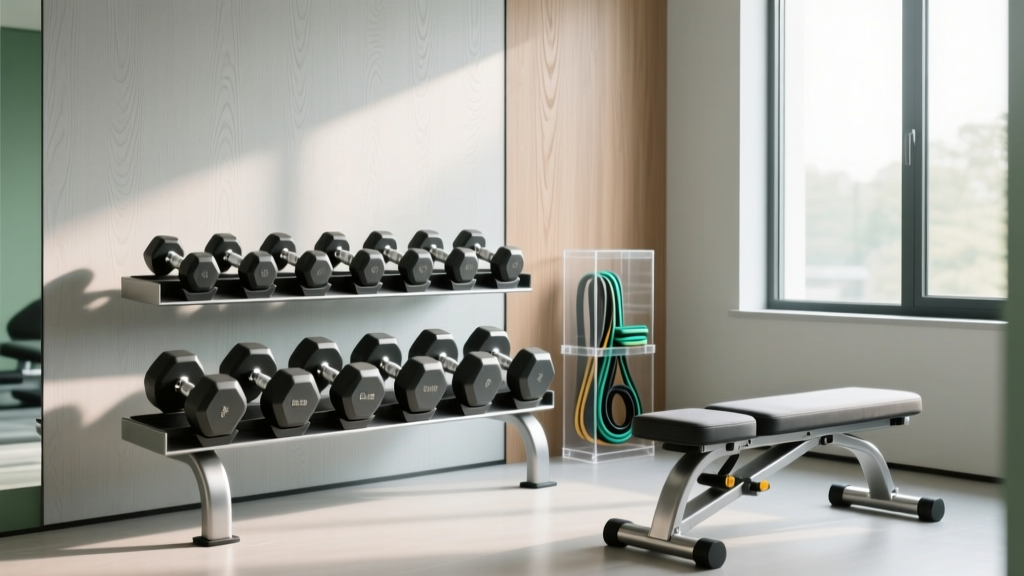
Optimize Space for Your Dumbbell Home Routine: Storage & Rack Guide

Home Gym Setup: Full Arm Exercises With Dumbbells Using Neoprene

EZ Bar vs Straight Bar & Dumbbell Bench Press or Floor Press
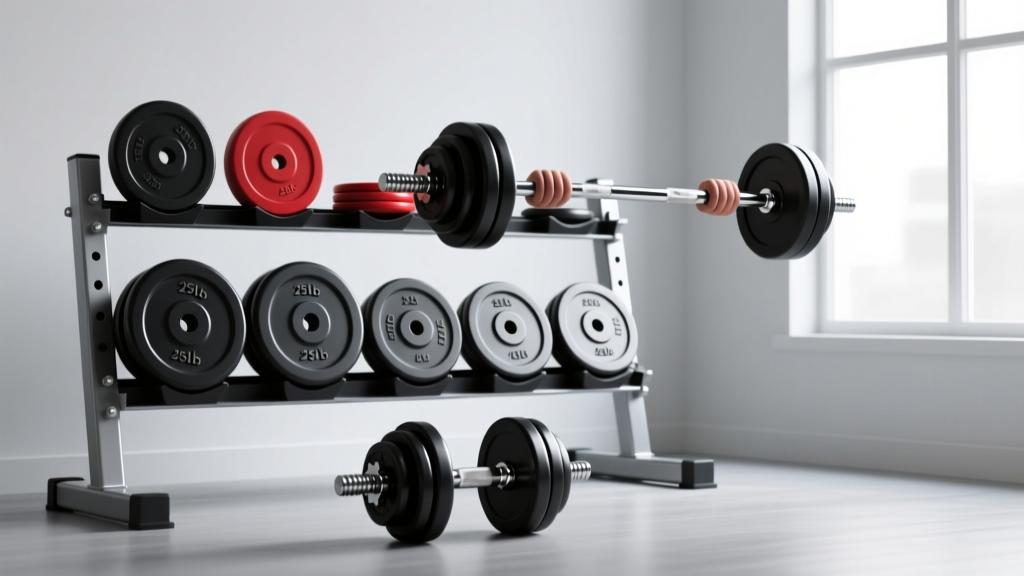
2026 Budget: Bumper vs Iron Plates & Dumbbell Lateral Raises
