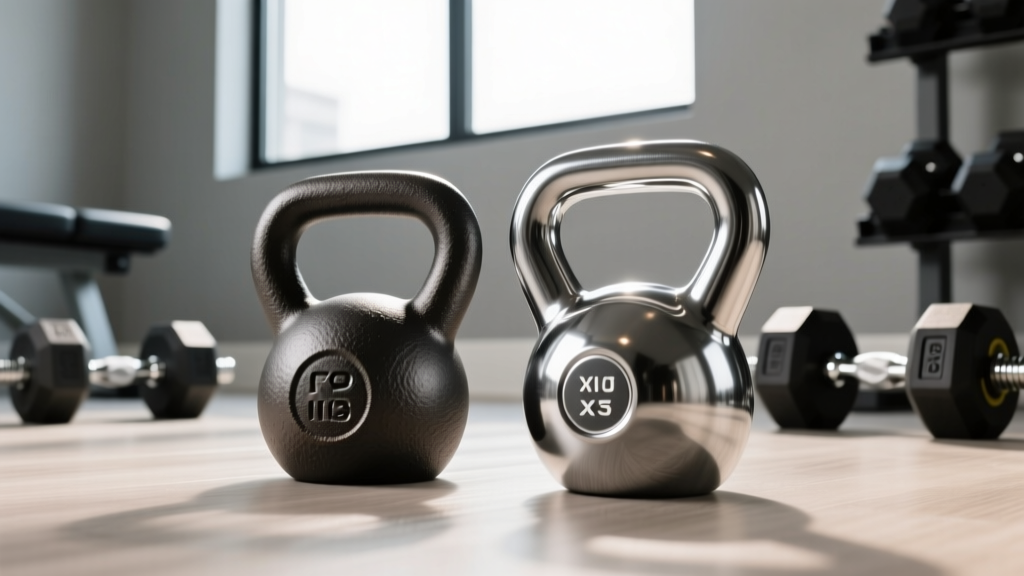
Triangle Dumbbells and Olympic vs Standard Weight Plate Mistakes
Avoid costly home gym mistakes. Learn the key differences between Olympic vs standard weight plates and how they pair with triangle dumbbells.

The Home Gym Dilemma: Fixed Weights vs. Plate-Loaded Systems
Building a home gym in 2026 requires navigating a minefield of equipment compatibility issues. Many lifters begin their journey with fixed-weight gear, particularly triangle dumbbells, prized for their anti-roll design and ergonomic grips. However, as strength progresses, the inevitable transition to plate-loaded equipment introduces a critical fork in the road: choosing between Olympic and standard weight plates. This decision dictates the longevity, safety, and versatility of your entire free weight setup. Unfortunately, the vast majority of beginners fall into the 'standard plate trap,' leading to bent bars, cracked iron, and dangerous lifting conditions. This troubleshooting guide breaks down the exact mechanical differences, common mistakes, and actionable solutions for integrating your weight plates with your existing gear.
The Core Conflict: 1-Inch vs. 2-Inch Sleeve Diameters
The fundamental difference between Olympic and standard weight plates lies in the center hole diameter, which corresponds to the barbell or dumbbell handle sleeve size.
- Standard Plates: Feature a 1-inch (25mm) center hole. They are designed for lightweight, budget-friendly barbells and dumbbell handles that typically lack rotating sleeves.
- Olympic Plates: Feature a 2-inch (50mm) center hole. According to the International Weightlifting Federation (IWF), this 50mm standard is mandatory for certified competition gear, ensuring compatibility with high-tensile spring steel bars equipped with rotating bushings or bearings.
Why Lifters Buy Triangle Dumbbells (And The Compatibility Trap)
Triangle dumbbells (often featuring a 3-sided or hex-anti-roll profile with an ergonomic angled grip) are exceptional for floor work, renegade rows, and heavy pressing where rolling is a hazard. When lifters decide to save money by switching from fixed-weight triangle dumbbells to plate-loadable triangle dumbbell handles, they frequently make a fatal purchasing error.
Most budget plate-loadable triangle handles on the market are manufactured with 1-inch standard sleeves. Lifters buy these, along with cheap standard cast-iron plates, assuming they can use the same plates for a standard 5-foot barbell. While this works for light isolation exercises, it completely fails under heavy compound loads. Standard 1-inch bars lack the yield strength of Olympic bars. A standard bar will typically take a permanent bend (plastic deformation) at around 200 to 250 lbs of total load. In contrast, a quality Olympic barbell can withstand 1,500+ lbs without bending.
Olympic vs Standard Weight Plates: The Ultimate Comparison Matrix
| Feature | Standard Weight Plates (1-Inch) | Olympic Weight Plates (2-Inch) |
|---|---|---|
| Center Hole | 25mm (1 inch) | 50mm (2 inches) |
| Max Barbell Load | ~250 lbs (before bending) | 1,000 - 1,500+ lbs |
| Sleeve Rotation | Rarely (causes wrist torque) | Standard (bushings/bearings) |
| Average Cost (2026) | $1.00 - $1.50 per lb | $1.80 - $3.50+ per lb |
| Triangle Handle Availability | High (but often poor grip knurling) | Low (bulky, limits range of motion) |
Common Mistakes When Mixing Free Weight Formats
Mistake 1: Ignoring Center Hole Tolerances
Not all standard plates are created equal. Budget cast-iron standard plates often suffer from poor manufacturing tolerances. A 1-inch hole might actually measure 1.1 inches, causing the plate to rattle violently on a standard dumbbell handle. When using plate-loadable triangle dumbbells for movements like floor presses, this rattling distracts from the lift and accelerates the wear on the sleeve's threading, leading to stripped collars.
Mistake 2: The Adapter Trap for Heavy Lifts
Many lifters realize too late that they bought standard plates but want to upgrade to an Olympic barbell. They purchase '1-inch to 2-inch sleeve adapters' (plastic or steel sleeves that slide over the 1-inch bar to accept Olympic plates).
'Adapters alter the biomechanics of the lift. By extending the sleeve length outward, you shift the center of mass of the weight plate further from the bar's center, increasing the moment arm and making the barbell feel significantly heavier and more unstable during squats or bench presses.' — Biomechanics principles outlined by the National Strength and Conditioning Association (NSCA).
Mistake 3: Using Olympic Plates on Triangle Dumbbell Handles
While 2-inch Olympic triangle dumbbell handles exist, they are generally a poor investment. The 50mm sleeve requires a massive steel hub, which pushes the weight plates further apart. This limits your range of motion on chest flyes and makes the dumbbells excessively bulky, often clashing together at the top of a press. For triangle dumbbells, 1-inch handles or fixed-weight urethane models are vastly superior for ergonomics.
Troubleshooting Your Current Setup: Step-by-Step Fixes
Scenario A: You own Standard Plates and a Standard Barbell
- Assess the Bar: Remove all plates and roll the barbell on a flat floor. If it wobbles, it has taken a permanent set (bent). Discard it immediately; a bent bar will damage your barbell rack and alter your lifting mechanics.
- Repurpose the Plates: Keep your standard plates exclusively for your 1-inch plate-loadable triangle dumbbells and isolation exercises (e.g., tricep extensions, lateral raises) where total load remains under 100 lbs.
- Upgrade the Barbell: Invest in a 2-inch Olympic barbell and begin purchasing Olympic plates for all heavy compound movements (squats, deadlifts, bench press).
Scenario B: You own Olympic Plates but 1-Inch Triangle Dumbbell Handles
- Do NOT use adapters on dumbbells: While adapters might work on a barbell for light work, using them on dumbbell handles creates a severe safety hazard. The adapters can slip off during dynamic movements.
- The Fix: Purchase a dedicated set of 1-inch standard cast-iron plates specifically for your triangle dumbbells. Sell your Olympic plates if you do not own an Olympic barbell, or keep them for your main barbell lifts and buy a separate, smaller set of standard plates just for the dumbbells.
Expert Verdict: Where to Invest Your Budget in 2026
The golden rule of home gym equipment is to never compromise on the barbell or the primary weight plates. Standard weight plates and 1-inch bars belong in the category of light-duty isolation work. If you love the ergonomics and anti-roll benefits of triangle dumbbells, opt for fixed-weight urethane triangle dumbbells for your heavy pressing, or use 1-inch plate-loadable triangle handles strictly for lighter accessory work.
For your core strength training, invest entirely in the Olympic (50mm) ecosystem. The superior steel quality, rotating sleeves, and infinite upgradeability of Olympic plates ensure that your equipment will outlast your lifting career. By understanding the mechanical limitations of standard gear and avoiding the temptation of cheap adapters, you will build a safer, more effective training environment.
More gear to consider
All reviews
Cast Iron vs Competition Kettlebells: Dumbbell Training for Chest

EZ vs Straight Bar: Enhancing the Single Arm Dumbbell Preacher Curl

Loadable Dumbbells for Bent Over Dumbbell Reverse Flyes: Value Guide
Troubleshooting Your Arm Day Dumbbell Workout With Neoprene Weights
Optimize Dumbbell HIIT Training With Top 2026 Rack Picks