
Olympic Barbell Buying Guide: Knurling & Lateral Burpees Over Dumbbell
Avoid common Olympic barbell buying mistakes. Our guide covers weight, knurling types, and grip troubleshooting for lateral burpees over dumbbell WODs.

The Hidden Cost of the Wrong Knurl: Troubleshooting Grip Fatigue
Buying an Olympic barbell in 2026 is no longer just about picking a 20kg steel shaft and calling it a day. For home gym owners and functional fitness affiliates, the most common equipment failure isn't the bar bending—it's the athlete's hands tearing due to mismatched knurling profiles. When programming mixed-modal workouts, equipment selection directly impacts physiological performance. If your barbell's grip texture is too aggressive, it will compromise your athletes' hands long before they reach the metabolic conditioning portion of the session.
This guide serves as a comprehensive troubleshooting matrix for Olympic barbell weight, knurling, and sleeve construction, specifically addressing how your barbell purchase impacts downstream grip endurance in high-rep scenarios.
Diagnostic Matrix: Decoding Barbell Knurling Profiles
The most frequent mistake buyers make is assuming all knurling is created equal. Knurling is categorized by its geometric profile, which dictates how the steel bites into the skin. Choosing the wrong profile for your training style is a primary cause of unnecessary callus tearing.
| Knurl Profile | Geometry | Aggressiveness | Best Application | Example Model |
|---|---|---|---|---|
| Hill | Rounded peaks, shallow valleys | Mild | High-rep conditioning, beginners | Entry-level Amazon bars |
| Volcano | Sharp rim, flat crater top | Medium (Optimal) | Olympic lifting, mixed WODs | Rogue Ohio Bar |
| Mountain | Sharp, pointed peaks | High (Aggressive) | Heavy powerlifting, deadlifts | Texas Power Bar |
Troubleshooting Grip Tear-Ups
If you or your athletes are consistently ripping calluses during the hook grip, you likely own a bar with a mountain knurl. The sharp peaks act like micro-cheese-graters during the dynamic turnover of a snatch or clean. To fix this, audit your gym's inventory. Replace power bars with multi-purpose bars featuring a volcano knurl. The volcano profile provides immense surface area for grip friction without the sharp apex that shears the epidermis.
Grip Fatigue and Mixed-Modal Transitions
Why does barbell knurling matter for movements that don't even use a barbell? In functional fitness, grip endurance is a systemic bottleneck. Consider a classic benchmark workout structure: a heavy barbell complex followed by a high-heart-rate dumbbell finisher.
If an athlete spends the first 20 minutes fighting a stiff power bar with aggressive mountain knurling, their central nervous system (CNS) and local muscle tissue in the forearms are already micro-traumatized. When the workout transitions to a grueling circuit of lateral burpees over dumbbell repetitions, the compromised grip becomes the limiting factor. The athlete will struggle to maintain a secure hold on the dumbbell handles, leading to dropped reps, premature forearm pump, and a higher risk of wrist strain as they compensate for failing finger flexors.
Coach's Troubleshooting Tip: If your athletes are failing grip-dependent conditioning movements like lateral burpees over dumbbell immediately after barbell work, do not just blame their conditioning. Audit your barbell knurling. Switching the gym's primary WOD bars to a medium volcano knurl can extend grip endurance by up to 15-20% in mixed-modal sessions.Olympic Barbell Weight Specs: Tolerances That Actually Matter
Another common purchasing mistake is ignoring weight calibration tolerances. According to the Eleiko Barbell Buying Guide, elite competition bars must adhere to strict International Weightlifting Federation (IWF) standards, but commercial and home gym bars vary wildly.
The 20kg vs. 15kg Dilemma
- Men's Olympic Bar (20kg): Standard 28mm shaft diameter. Ideal for most male athletes and general strength work.
- Women's Olympic Bar (15kg): Standard 25mm shaft diameter. The thinner shaft is crucial for athletes with smaller hands to establish a secure hook grip without excessive thumb strain.
The Mistake: Buying a 20kg bar with a 29mm shaft (common in cheap power bars) and forcing athletes to use it for dynamic Olympic lifts. The thicker shaft alters the biomechanics of the grip, increasing forearm fatigue and making the subsequent transition to dumbbell work significantly harder.
Understanding PSI and Whip
Tensile strength (measured in PSI) dictates how much load the bar can take before permanently deforming. However, yield strength and the bar's "whip" (elasticity) are more critical for troubleshooting Olympic lifting mechanics.
- 165k - 190k PSI: Stiff, minimal whip. Good for slow, heavy grinding lifts. Terrible for snatches, as the lack of oscillation makes the bar feel "dead" at the catch.
- 190k - 200k PSI: The sweet spot for multi-purpose bars. Provides enough whip to aid in the turnover phase of the clean and jerk, while remaining stable enough for squats.
- 200k+ PSI: Elite competition whip. Highly specialized and generally unnecessary for home gyms.
3 Fatal Barbell Buying Mistakes (And How to Fix Them)
Mistake 1: Bushing vs. Bearing Mismatch
The sleeve rotation mechanism determines how smoothly the bar spins during a lift. Bronze bushings provide a slower, more controlled spin, ideal for powerlifting and general fitness. Needle bearings offer a rapid, frictionless spin required for heavy Olympic lifting. The Fix: If your primary use involves high-rep touch-and-go power cleans, buy a bar with needle bearings. Using a bushing bar for rapid cycling will cause rotational inertia to twist the athlete's wrists, leading to chronic joint pain.
Mistake 2: Ignoring Sleeve Construction
Look at the end of the barbell sleeve. Is it held together by a snap ring or a hex bolt? Snap rings (like those used on Rogue's premium lines) allow for easier maintenance and generally indicate higher-quality internal machining. Hex bolts are often found on budget imports and can loosen over time, causing the sleeve to wobble and the internal bearings to grind against steel dust. The Fix: Never buy a barbell with a hex-bolt sleeve assembly for a commercial or heavy-use home gym.
Mistake 3: The "Stainless Steel" Marketing Trap
Many buyers assume stainless steel is automatically superior. While it offers excellent corrosion resistance, low-quality stainless can be softer than high-grade carbon steel, leading to permanent bending under heavy loads. The Fix: Look for bars that specify their Rockwell Hardness rating or use high-quality Cerakote coatings over 190k+ PSI carbon steel shafts. Cerakote provides near-stainless corrosion resistance while allowing manufacturers to use harder, more durable steel alloys.
"Equipment troubleshooting isn't just about fixing broken gear; it's about aligning the tool's physical properties with the physiological demands of the workout. A barbell is a lever, a spring, and a grip interface all in one." — Strength & Conditioning Equipment Biomechanics Review
Final Verdict: Building a Tear-Proof Gym
To build a resilient training environment in 2026, your equipment must support the full spectrum of human performance. When selecting an Olympic barbell, prioritize a volcano knurl profile, a 190k to 200k PSI shaft, and needle-bearing sleeves. By eliminating aggressive knurling and improper shaft diameters from your inventory, you protect your athletes' hands, ensuring they have the grip endurance required to conquer everything from heavy barbell complexes to high-volume lateral burpees over dumbbell finishers without mechanical failure.
More gear to consider
All reviews
EZ vs Straight Bar: Gym Layouts & Dumbbell Thrusters GIF Guide
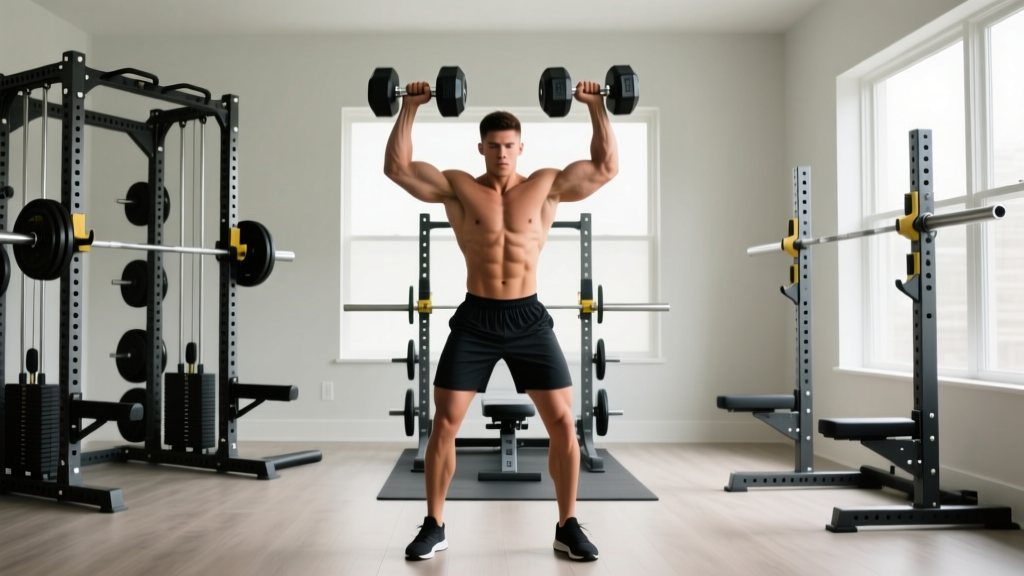
Dumbbell Push Jerk Setup: Power Rack vs Squat Rack vs Squat Stand

Rear Deltoid Exercises with Dumbbells: Adjustable Setup & 2026 Review
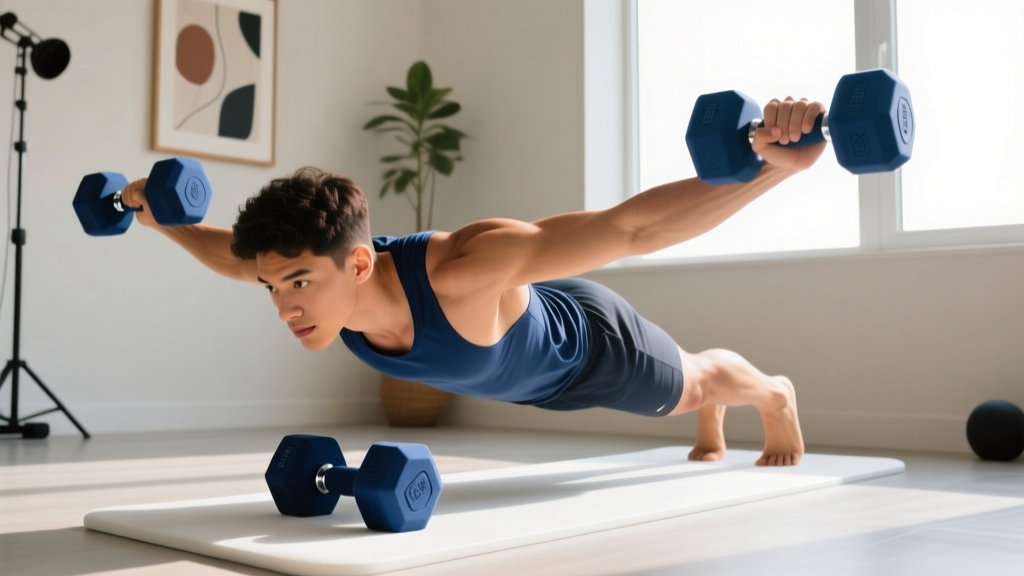
Good Tricep Workouts With Dumbbells: Neoprene Home Guide

Best Neoprene Dumbbells for the Single Arm Tricep Kickback (2026)
