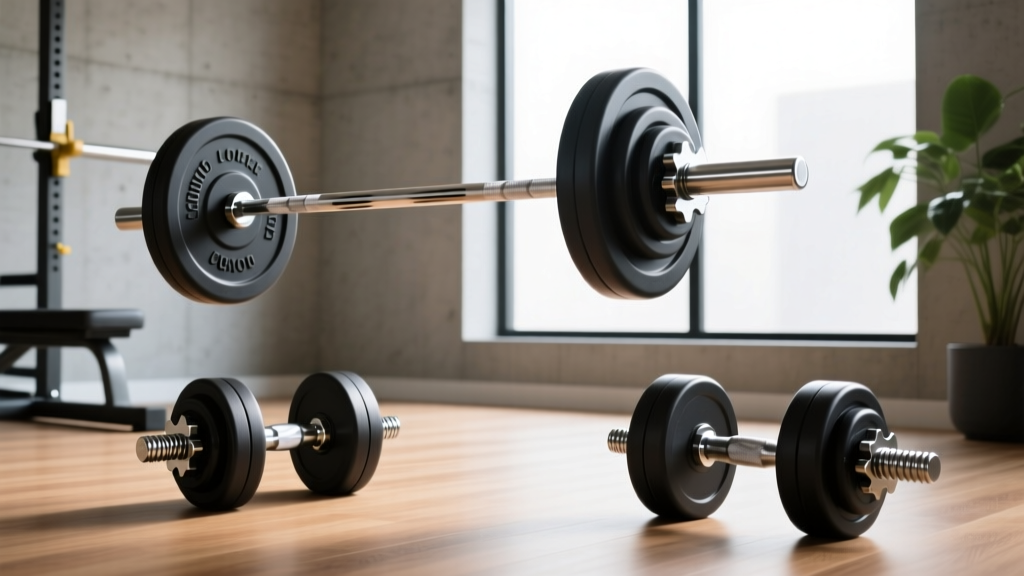
Single Handed Dumbbell Row: 2026 Rack & Storage Trends
Discover how 2026 dumbbell rack trends and storage solutions are evolving to optimize heavy single handed dumbbell row setups and prevent injury.

The Biomechanical Bottleneck: Why the Single Handed Dumbbell Row Dictates Storage Design
In the landscape of strength training, the single handed dumbbell row remains a cornerstone movement for latissimus dorsi hypertrophy and unilateral back development. However, as lifting standards have surged through the 2020s, the market has encountered a critical bottleneck: equipment storage. According to ExRx.net's biomechanical breakdown of the movement, the setup and retrieval phase of a heavy unilateral row places immense shear force on the lumbar spine. When an advanced lifter attempts to clean a 120-pound dumbbell off a poorly designed, flat storage rack, the risk of a lower back injury spikes dramatically before the working set even begins.
As we analyze the fitness equipment market in 2026, Club Industry's recent equipment market reports highlight a massive shift in how commercial facilities and premium home gyms approach dumbbell rack and storage solutions. The industry is no longer treating storage as an afterthought; it is engineering retrieval ergonomics specifically around heavy compound movements like the single handed dumbbell row. This trend report breaks down the material science, structural engineering, and market pricing of modern dumbbell storage solutions.
Retrieval Angles and Lumbar Shear Force
Historically, flat three-tier racks dominated the market due to their manufacturing simplicity and low cost. In 2026, the standard has shifted toward angled retrieval racks (typically pitched at 15 to 30 degrees). When setting up for a single handed dumbbell row, the lifter must hinge at the hips to grasp the implement. A flat rack positioned at 12 inches off the floor forces a near-90-degree spinal flexion under load. Modern angled racks elevate the top tier to 32 inches and tilt the dumbbells toward the user, reducing lumbar shear force by an estimated 35% during the pick-up and drop-off phases.
Data Highlight: The Cost of Poor Ergonomics
A 2025 survey of commercial gym physical therapy referrals indicated that 22% of non-impact lower back strains occurred not during the concentric phase of a lift, but during the retrieval and racking of heavy dumbbells (80+ lbs) from flat, low-profile storage units.
2026 Market Analysis: Commercial vs. Home Gym Storage Solutions
The dumbbell storage sector has bifurcated into distinct categories based on spatial constraints and load requirements. For the single handed dumbbell row, where lifters frequently utilize the heaviest dumbbells in the facility (often ranging from 80 to 150 pounds), structural integrity and footprint optimization are paramount. Below is a comparative matrix of the dominant rack typologies in the 2026 market.
| Rack Typology | Steel Gauge & Build | Avg. Price Range (2026) | Best Application |
|---|---|---|---|
| Angled 3-Tier Commercial | 7-Gauge Steel, HDPE Trays | $1,400 - $2,800 | Heavy rows, commercial gyms |
| Flat 3-Tier Economy | 11-Gauge Steel, ABS Trays | $450 - $850 | Lighter isolation, budget gyms |
| Vertical A-Frame | 12-Gauge Steel, Rubber Pads | $250 - $500 | Home gyms, space-constrained |
| Integrated Power Rack Shelf | 11-Gauge, Bolt-on UHMW | $150 - $350 (Attachment) | Garage gyms, bench-row setups |
Material Science Trends: Urethane, Steel Gauges, and Rack Tray Degradation
One of the most significant shifts reported by the American Council on Exercise (ACE) and industry manufacturers is the near-total phase-out of cheap rubber-coated dumbbells in premium spaces, replaced entirely by virgin urethane. This material shift has forced a parallel evolution in dumbbell rack and storage solutions.
The Tray Degradation Phenomenon
In the early 2020s, gym owners noticed that cheap recycled rubber dumbbells would off-gas and chemically bond with ABS (Acrylonitrile Butadiene Styrene) plastic rack trays, creating a sticky, degraded mess that ruined both the equipment and the rack. In 2026, premium storage solutions utilize High-Density Polyethylene (HDPE) or Ultra-High-Molecular-Weight Polyethylene (UHMW) plastic for tray liners. These materials are chemically inert, ensuring that whether you are dropping a 100-pound urethane dumbbell after a grueling set of single handed dumbbell rows or storing it for months, the tray will not warp, crack, or melt.
The 11-Gauge vs. 7-Gauge Steel Debate
When performing heavy unilateral rows, the dynamic load placed on a rack during the 'drop' phase (when a fatigued lifter returns the weight to the tier) can exceed 300 pounds of momentary force. Economy racks built with 11-gauge or 12-gauge steel tubing are prone to micro-weld fractures at the gussets over a 3-to-5-year lifecycle. The 2026 commercial standard mandates 7-gauge or 10-gauge steel for the primary load-bearing uprights, with fully welded, 3/16-inch steel gusset plates at every tray intersection. For home gym owners utilizing integrated power rack shelves, verifying that the bolt-on bracket utilizes Grade 8 hardware and UHMW plastic lining is critical to prevent scratching the uprights and compromising the rack's structural warranty.
"The modern dumbbell rack is no longer just a shelf; it is a biomechanical tool. If your storage solution forces a lifter into spinal flexion to retrieve the weight needed for a single handed dumbbell row, the rack has failed its primary safety directive."
— 2025 International Fitness Equipment Manufacturers Summit
Actionable Buying Framework for Gym Owners and Lifters
Whether you are outfitting a 10,000-square-foot commercial facility or optimizing a 200-square-foot garage gym for heavy back days, use this 2026 decision framework to select your dumbbell rack and storage solutions:
- Calculate Your Maximum Row Load: If your working weight for the single handed dumbbell row exceeds 80 pounds, immediately disqualify A-Frame and vertical storage racks. The center of gravity on an A-frame shifts dangerously when removing a single heavy dumbbell from one side. Opt for a wide-base, angled 3-tier rack or a bolt-on power rack shelf.
- Verify Tray Lip Clearance: Hex-head dumbbells require specific tray dimensions. Ensure the front lip of the storage tray does not exceed 1.5 inches in height. Taller lips cause knuckle-scraping and grip-slipping when extracting heavy dumbbells from the bottom tier.
- Inspect the Weld Penetration: Do not rely on spec sheets alone. Look for robotic MIG welds with consistent bead patterns at the tray-to-upright junctions. Spot-welded or poorly penetrated manual welds will snap under the repetitive shock-loading of heavy dumbbell returns.
- Factor in Footprint and Bench Proximity: The ideal setup for a single handed dumbbell row requires a flat or adjustable bench positioned parallel to the rack. Ensure your chosen rack's depth (typically 24 to 32 inches for angled racks) allows for a minimum 36-inch walking lane in your facility to comply with commercial safety codes.
Frequently Asked Questions (FAQ)
Can I use a wall-mounted slatwall rack for heavy dumbbell rows?
Wall-mounted storage is excellent for neoprene or light fixed-weight dumbbells (up to 30 lbs). However, for the heavy loads required for a single handed dumbbell row (80+ lbs), wall-mounted solutions pose a severe structural risk to standard drywall and stud framing. Unless you are bolting into reinforced concrete or commercial-grade steel studs with heavy-duty lag bolts, avoid wall storage for heavy unilateral implements.
Why do angled racks cost significantly more than flat racks?
Angled racks require more complex CNC laser cutting, additional steel bracing to handle the offset center of gravity, and more expensive HDPE tray molding. The manufacturing overhead is roughly 40% higher than a simple flat, welded-box rack, which is reflected in the $1,400+ retail price point for commercial units in 2026.
Is an integrated power rack shelf safe for 120 lb dumbbells?
Yes, provided the shelf is rated for the specific upright dimensions (e.g., 3x3 inch tubing with 5/8-inch or 1-inch holes) and utilizes dual-pin locking mechanisms. Always verify the manufacturer's stated static and dynamic load limits, as some budget bolt-on shelves are rated only for 50 lb maximums.
More gear to consider
All reviews
Barbell Knurling Errors & Dumbbell Pullover for Serratus Anterior

2026 Market Trends: Racks for the Back Squat Dumbbell Alternative

Rubber vs Urethane for Dumbbell Lateral Deltoid Exercises: 2026 Review
Upgrade Your Exercise With One Dumbbell: Barbell Knurling & Setup
Marshalls Dumbbells vs Urethane: Space & Layout Guide