Rubber Hex vs Urethane Dumbbells for the Dumbbell Renegade Row
Discover whether rubber hex or urethane dumbbells offer better value for the dumbbell renegade row. We break down costs, durability, and grip performance.

The Biomechanical Stress Test: Why the Renegade Row Destroys Gear
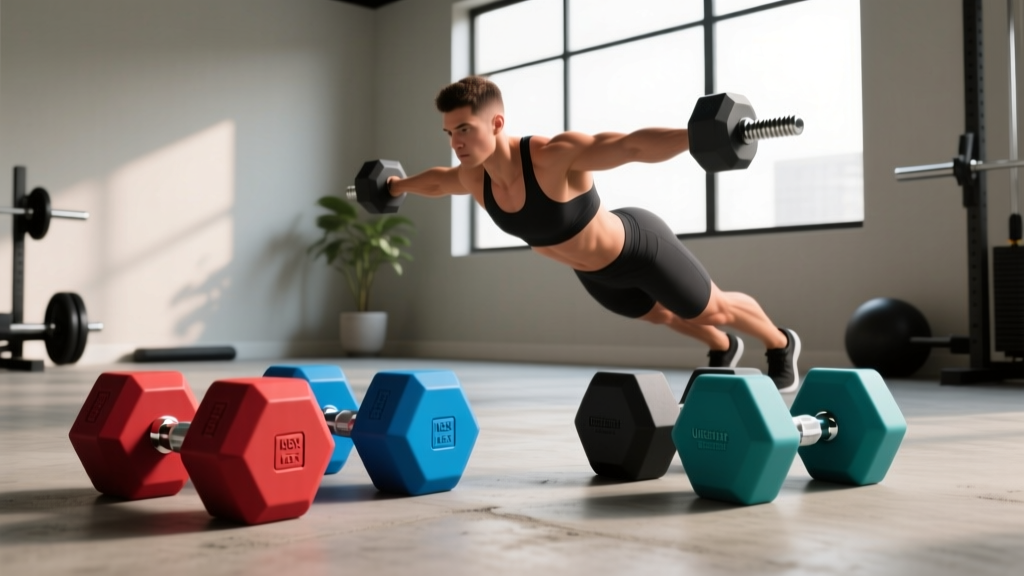
The dumbbell renegade row is a cornerstone anti-rotational core exercise. According to the National Strength and Conditioning Association (NSCA), anti-rotational movements require the athlete to resist lateral flexion while generating unilateral pulling force. In practical terms, this means your dumbbells are not just being lifted; they are being used as structural pillars. When you assume the plank position, the stationary dumbbell bears up to 70% of your upper body weight while enduring severe lateral shear as you row the opposite weight.
This unique mechanical stress exposes the flaws in poorly manufactured free weights. The equipment must not roll (which risks catastrophic shoulder impingement), it must withstand aggressive friction against the floor, and the handle must not separate from the head under torque. For home gym owners and commercial facility managers in 2026, the debate ultimately narrows down to two primary materials: rubber hex and urethane. Here is a deep-dive value analysis to determine which material actually earns its keep for this specific, high-wear movement.
Rubber Hex Dumbbells: The Budget Baseline
Rubber-coated hex dumbbells have been the default budget option for decades. Brands like CAP Barbell and Yes4All dominate this space, utilizing a cast iron or steel core encased in a thick layer of recycled rubber or TPV (thermoplastic vulcanizate).
Material Composition and Failure Modes
While the hexagonal shape is mandatory for the renegade row to prevent rolling, the rubber material itself presents distinct failure modes under heavy plank-and-pull usage. First, cheap rubber compounds are highly susceptible to UV degradation and sweat corrosion. Over a 12-to-18-month period, the rubber heads can begin to dry rot, flake, and leave black scuff marks on your flooring.
More critically, budget rubber hex dumbbells often use a press-fit assembly where the steel handle is inserted into a pre-cast rubber head. The intense lateral torque generated during a heavy renegade row can slowly compromise this adhesive bond. By year two, you may notice a subtle 'wobble' or clicking sound as the steel core separates from the rubber casing, rendering the dumbbell unsafe for dynamic floor work.
2026 Pricing and Value
As of early 2026, rubber hex dumbbells generally retail between $1.20 and $1.80 per pound. A pair of 50-pound dumbbells will cost roughly $120 to $180. For casual lifters performing renegade rows once a week with lighter weights (15-25 lbs), this price point offers undeniable short-term value. However, the hidden costs include the pungent VOC (volatile organic compound) off-gassing that can plague poorly ventilated home gyms for months.
Urethane Dumbbells: The Premium Standard
Urethane (polyurethane) is a high-density polymer that has become the gold standard for commercial gyms and premium home setups. Unlike rubber, urethane is virtually odorless, highly resistant to sweat and UV light, and does not dry rot.
The Shape Caveat: Hex vs. Round
When shopping for urethane, you will frequently encounter round, multi-grip, and hex profiles. For the dumbbell renegade row, you must exclusively purchase urethane hex or 12-sided models (such as the Rep Fitness Urethane Hex or Rogue Urethane Hex). Round urethane dumbbells, while aesthetically pleasing and great for floor presses, will roll unpredictably during the plank phase of a renegade row, inviting severe rotator cuff injuries.
Expert Insight: According to exercise biomechanics data cataloged by ExRx.net, maintaining a stable base of support is critical during unilateral rowing variations. A rolling dumbbell shifts the load dynamically, forcing the stabilizing muscles of the shoulder girdle to compensate unpredictably, which drastically increases injury risk.
Material Science: Polyurethane vs. Recycled Rubber
Premium urethane dumbbells utilize a 90A durometer rating, meaning the outer shell is exceptionally hard and dense. When you drag a urethane hex dumbbell across a rubber mat during a high-rep renegade row circuit, it will not tear, chip, or leave scuff marks. Furthermore, high-end manufacturers cast the urethane directly onto the steel handle with industrial adhesives and mechanical interlocks, completely eliminating the 'wobble' failure mode seen in budget rubber weights.
Budget Breakdown and Lifecycle Value Matrix
To truly evaluate value, we must look beyond the initial purchase price and calculate the cost per year of usable life, specifically for high-wear floor exercises.
| Feature | Rubber Hex (e.g., CAP Barbell) | Urethane Hex (e.g., Rogue / Rep Fitness) |
|---|---|---|
| 2026 Cost Per Pound | $1.20 - $1.80 / lb | $3.20 - $4.50 / lb |
| Pair of 50s (Total Cost) | ~$150 | ~$380 |
| Expected Lifespan (Heavy Use) | 2 - 4 Years | 10 - 15+ Years |
| Cost Per Year of Use | $37.50 - $75.00 | $25.33 - $38.00 |
| Floor Scuffing | High (leaves black marks) | None (clean polymer) |
| Odor / Off-Gassing | Strong (VOCs) | None |
| Core Separation Risk | Moderate to High | Extremely Low |
Handle Ergonomics and Grip Fatigue
The renegade row requires you to support your body weight on one hand while pulling with the other. Handle ergonomics dictate how quickly your forearms will fail before your lats do.
- Rubber Hex Handles: Typically feature a basic, aggressive chrome knurl. While this provides grip, the cheap chrome plating often flakes off after a year of sweat exposure, leaving sharp burrs that tear into your palms during the plank phase. Furthermore, the handles are often uncomfortably thick (35mm+) on heavier weights, accelerating grip fatigue.
- Urethane Hex Handles: Premium brands like Rogue Fitness utilize hard chrome or stainless steel handles with precise, medium-depth knurling. The handles maintain a consistent 28mm to 32mm diameter regardless of the dumbbell's weight, ensuring that your grip on the floor remains comfortable and secure even during high-volume renegade row complexes.
The Final Verdict: Which Should You Buy?
The Decision Framework
Buy Rubber Hex If: You are outfitting a garage gym on a strict sub-$300 budget, you only perform renegade rows with light weights (under 30 lbs) as a warm-up, and you do not mind airing out the garage to dissipate the rubber odor.
Buy Urethane Hex If: You are performing heavy renegade rows (40+ lbs) as a primary strength movement, you train in an indoor climate-controlled space where off-gassing is unacceptable, and you want a 'buy it for life' asset that will survive a decade of lateral shear and floor friction without degrading.
Frequently Asked Questions
Can I use round dumbbells for renegade rows?
Technically, yes, but it is highly discouraged. Round dumbbells lack the flat edges required to anchor against the floor. The slight rotational force generated when you pull the opposite weight will cause the planted round dumbbell to roll, forcing your shoulder into extreme, unstable internal rotation. Always use hex or 12-sided profiles for floor-based plank rows.
Will urethane dumbbells damage my hardwood floors?
Urethane is dense and hard, meaning it won't scuff or mark hardwood like cheap rubber will. However, because urethane lacks the 'bounce' of softer rubber, dropping a 50lb urethane dumbbell directly onto bare hardwood will dent the wood. You must still use a thick rubber horse-stall mat or specialized gym flooring to absorb the kinetic impact, even though the urethane itself is floor-safe.
How do I clean urethane dumbbells after a sweaty session?
Unlike porous rubber, which absorbs sweat and bacteria, urethane is non-porous. Simply wipe the heads and handles down with a microfiber cloth and a mild, non-bleach disinfectant spray. Avoid harsh solvents or alcohol-based cleaners, as prolonged exposure can degrade the polyurethane finish over several years.
More gear to consider
All reviews
Olympic vs Standard Plates: 45 Dumbbell Mistakes Fixed

Kettlebell Care: Cast Iron vs Competition & Dumbbell Workout for Core

Cast Iron vs Competition: 30 Minute Upper Body Dumbbell Workout

Space-Saving Dumbbell Racks: Storage Layouts for Women's Lunges
Bumper vs Iron Plates: Layouts & CrossFit Exercises with Dumbbells
