Best Neoprene Dumbbells for the Bench Supported Dumbbell Row
Discover the best neoprene dumbbells for home use. Learn how to pick the right weight and master the bench supported dumbbell row for back growth.

The Material Science of Neoprene for Home Back Training
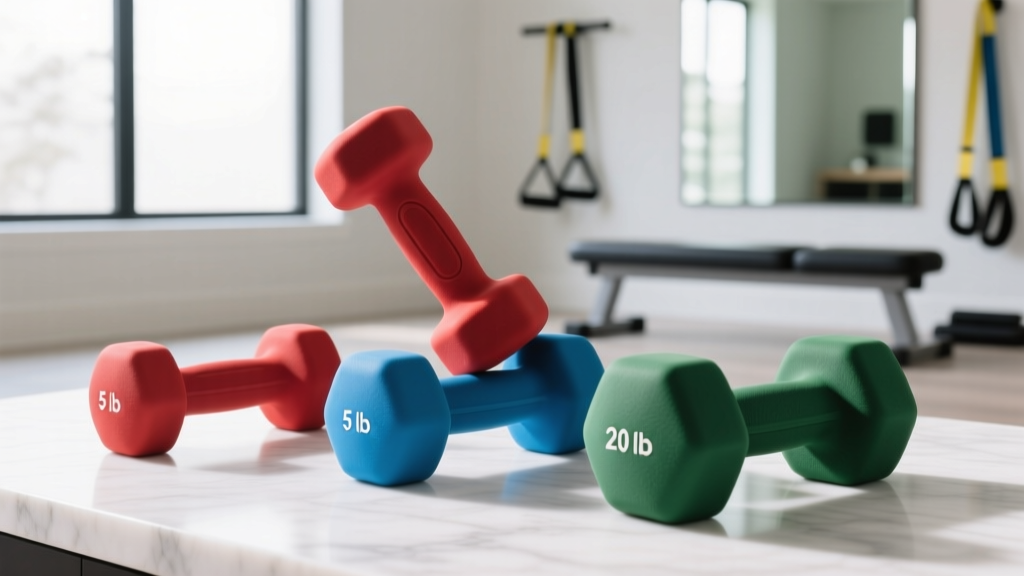
When outfitting a home gym for back training, the bench supported dumbbell row is a staple movement for isolating the latissimus dorsi, rhomboids, and rear deltoids without placing shear stress on the lumbar spine. However, the effectiveness of this exercise relies heavily on your equipment. As of 2026, neoprene-coated dumbbells remain the most popular choice for home fitness enthusiasts due to their tactile grip, floor-friendly hex design, and cost-effectiveness compared to premium urethane.
Neoprene, scientifically known as polychloroprene, is a synthetic rubber that offers a slightly porous, sweat-resistant surface. Unlike vinyl coatings—which become dangerously slippery during high-rep hypertrophy sets—neoprene maintains its friction coefficient even when wet. However, it is crucial to understand its limitations. Neoprene is susceptible to UV degradation and can peel if repeatedly dropped on bare concrete. For climate-controlled indoor home gyms, however, a high-quality neoprene dumbbell will easily last a decade with proper care.
Expert Insight: The handle diameter on most neoprene hex dumbbells ranges from 34mm to 38mm. For the bench supported dumbbell row, a 35mm handle is ideal. Thicker handles (common in heavier 50lb+ neoprene sets) can cause premature forearm fatigue, limiting your back muscles from reaching true mechanical failure.2026 Neoprene Dumbbell Comparison Matrix
Supply chain stabilizations over the last two years have brought the cost of raw polychloroprene down, resulting in highly competitive pricing for home gym essentials. Below is a data-driven comparison of the top three neoprene dumbbell lines available for home use, specifically evaluated for pulling movements like rows.
| Brand & Model | Price Per Pound (Approx.) | Max Weight Available | Handle Profile & Knurling | Best Use Case |
|---|---|---|---|---|
| Yes4All Neoprene Hex | $1.35 - $1.50 / lb | 50 lbs | 35mm Chrome, Medium Knurl | Budget-friendly hypertrophy & high-rep rows |
| CAP Barbell Neoprene | $1.60 - $1.80 / lb | 50 lbs | 36mm Solid Steel, Shallow Knurl | Durability & joint-friendly grip |
| Amazon Basics Neoprene | $1.45 - $1.65 / lb | 40 lbs | 34mm Chrome, Aggressive Knurl | Beginners, rehab, and lighter isolation work |
Deep Dive: Coating Integrity and Edge Cases
When purchasing neoprene dumbbells for heavy pulling, inspect the molding seam. Lower-tier manufacturing processes leave a raised rubber seam along the edge of the hex head. During a bench supported dumbbell row, if the dumbbell rests against your thigh or the bench between sets, this seam can cause micro-abrasions on your skin or upholstery. Both Yes4All and CAP Barbell utilize flash-trimmed molds in their 2026 production runs, virtually eliminating this edge case.
Biomechanics of the Bench Supported Dumbbell Row
The bench supported dumbbell row (often called the chest-supported row) is biomechanically superior to the traditional bent-over barbell row for individuals with a history of lower back pathology. By removing the erector spinae from the equation as a stabilizer, you eliminate lumbar shear forces. According to biomechanical analyses published in the Journal of Strength and Conditioning Research, chest-supported variations allow for higher electromyographic (EMG) activation of the latissimus dorsi due to the removal of momentum and lower-back fatigue limitations.
Furthermore, exercise databases like ExRx.net classify this as a compound horizontal pull, making it essential for balancing out the heavy bench pressing that most home gym owners perform.
Optimal Bench Angles for Targeted Muscle Bias
- 30-Degree Incline: Biases the lower latissimus dorsi and teres major. The arm path travels closer to the torso, maximizing the stretch at the bottom of the eccentric phase.
- 45-Degree Incline: Increases the involvement of the rhomboids, middle trapezius, and rear deltoids. This angle allows for a wider elbow flare, promoting upper-back thickness.
Step-by-Step Execution Protocol
To maximize hypertrophy and prevent the upper trapezius from hijacking the movement, follow this precise execution framework endorsed by the American Council on Exercise (ACE):
- The Setup: Set an adjustable utility bench to 30 degrees. Straddle the bench with your feet planted firmly on the floor. Hinge forward until your sternum and upper abdomen are fully supported by the pad.
- Scapular Depression: Before initiating the pull, actively depress your scapulae (pull your shoulder blades down toward your hips). This disengages the upper traps.
- The Concentric Phase: Drive your elbows toward your back pockets. Do not think about pulling with your hands; think about driving the elbows back. Exhale forcefully at the peak contraction.
- The Eccentric Phase: Lower the neoprene dumbbells over a strict 3-second count. Allow the scapulae to protract at the very bottom, feeling a deep stretch in the lats, before initiating the next rep.
Overcoming the 50lb Neoprene Ceiling
The most significant limitation of neoprene dumbbells is their weight ceiling. Because polychloroprene is less dense than cast iron, a 50lb neoprene dumbbell is physically massive, and manufacturers rarely produce them heavier than 50 lbs. For intermediate and advanced lifters, 50 lbs may not be enough to reach mechanical failure in the 8-12 rep range for back rows.
Progression Framework: If you max out your 50lb neoprene dumbbells, do not immediately switch to expensive adjustable dumbbells. Instead, manipulate the tempo. Use a 4-1-1-1 Tempo (4 seconds eccentric, 1 second pause in the stretched position, 1 second concentric, 1 second isometric squeeze at the top). This increases Time Under Tension (TUT) and makes a 35lb dumbbell feel like 60lbs, triggering new myofibrillar adaptations.Troubleshooting Common Form Failure Modes
Even with the stability of a bench, lifters frequently make errors that reduce the efficacy of the row. Watch out for these specific failure modes:
- Cervical Hyperextension (Turtle Necking): Craning the neck to look forward shifts the cervical spine out of neutral alignment. Fix: Keep your chin tucked and gaze directed at the floor, maintaining a straight line from your cervical to your lumbar spine.
- Asymmetrical Torso Rotation: When approaching failure, lifters often twist their torso to help heave the weight up, defeating the purpose of the chest support. Fix: Keep both hips and shoulders squared to the bench pad. If you must twist, the set is over.
- Wrist Flexion at the Top: Curling the wrists inward at the peak contraction shifts tension to the brachioradialis and biceps. Fix: Maintain a neutral wrist joint throughout the entire range of motion.
Frequently Asked Questions
Can I use neoprene dumbbells for heavy powerbuilding routines?
Neoprene is excellent for hypertrophy, muscular endurance, and rehabilitation. However, for low-rep, high-load powerbuilding (e.g., sets of 3-5 reps), you will quickly outgrow the 50lb limit of neoprene. At that stage, investing in a pair of 90lb adjustable dial dumbbells or a commercial-grade urethane set is recommended.
How do I clean sweat off neoprene without degrading the rubber?
Never use bleach or alcohol-based solvents on neoprene, as these dry out the polychloroprene and cause micro-cracking. Instead, wipe your dumbbells down after every session with a microfiber cloth dampened with a mild solution of water and white vinegar (80/20 ratio). This disinfects the surface while preserving the rubber's elasticity.
Why do my forearms give out before my back during rows?
Forearm fatigue during the bench supported dumbbell row is usually a result of gripping the dumbbell too tightly or using a handle diameter that is too thick for your hand size. Consider using lifting straps (such as Versa Gripps or traditional cotton lasso straps) to bypass grip limitations and ensure the latissimus dorsi is the limiting factor in the set.
More gear to consider
All reviews
Bumper Plate vs Iron Plate: Pairing Lifetime Fitness Dumbbells
Master the Dumbbell Chest Fly with Space-Saving Loadable Dumbbells

Neoprene Dumbbell Rotator Cuff Rehab: 2026 Home Buying Guide
Grow Your Bicep With Dumbbells: Rubber Hex vs Urethane Value Guide

Bowflex 552 Dumbbells and Stand: Complete Setup & Comparison Guide