
Olympic Barbell Knurling Guide vs Dumbbell Jumping Jacks
Compare Olympic barbell knurling and weight specs against adjustable dumbbells for dynamic moves like dumbbell jumping jacks in this head-to-head guide.

The Home Gym Dilemma: Heavy Steel vs. Dynamic Versatility
Building a comprehensive home gym in 2026 often forces lifters into a corner regarding budget and space allocation. On one side, you have the undeniable king of strength sports: the Olympic barbell setup. On the other, you have the highly versatile, space-saving adjustable dumbbell rack. While most buying guides treat these as entirely separate purchases, serious athletes know that a complete training arsenal requires understanding the biomechanical demands of both heavy compound lifts and high-velocity plyometrics.
In this head-to-head product comparison, we are putting the Olympic barbell buying guide weight and knurling specifications up against the ergonomic demands of dynamic conditioning movements—specifically, the intense grip and wrist stability required for dumbbell jumping jacks. By examining the metallurgy of premium barbells alongside the handle designs of top-tier adjustable dumbbells, we will help you decide where to allocate your next $500 to $800 equipment budget.
Quick Matchup Summary:• Barbells: Excel in absolute load capacity, central nervous system adaptation, and tactile feedback via specialized knurling.
• Dumbbells: Dominate in unilateral stabilization, frontal plane plyometrics (like jumping jacks), and spatial efficiency.
Corner 1: The Olympic Barbell (Weight & Knurling Deep Dive)
When evaluating an Olympic barbell, the uninitiated look at the price tag, while experts look at the tensile strength, yield strength, and knurling pattern. The barbell is the primary interface between your nervous system and the load; if the steel is too whippy or the knurl is too dull, your force production leaks before the lift even begins.
Tensile Strength, Yield, and Whip
Tensile strength, measured in pounds per square inch (PSI), dictates how much weight the bar can hold before permanently deforming or snapping. According to Rogue Fitness, a standard entry-level barbell sits around 130,000 to 150,000 PSI. However, for serious lifters in 2026, the baseline is 190,000 PSI. The iconic Rogue Ohio Bar (priced around $295) features a 190k PSI steel shaft that offers the perfect 'whip' for Olympic lifts while remaining rigid enough for heavy back squats. Conversely, powerlifting-specific bars like the Rogue Ohio Power Bar push 205,000 PSI, eliminating whip entirely to ensure maximum force transfer during the deadlock.
Decoding Knurling: Hill, Mountain, and Volcano
Knurling is the cross-hatched pattern machined into the steel shaft. As highlighted by the testing team at Garage Gym Labs, knurling is not just about roughness; it is about the geometry of the peaks and valleys. Understanding these three primary shapes is critical for your buying guide checklist:
- Hill Knurling: The peaks are rounded off. Common on cheaper, entry-level bars. It feels smooth but becomes dangerously slippery when chalk and sweat mix during high-rep sets.
- Mountain Knurling: Sharp, aggressive peaks that dig deeply into the skin. Eleiko is famous for this style. It provides an unbreakable grip for heavy singles but will tear your calluses during high-volume hypertrophy work.
- Volcano Knurling: The gold standard for modern multi-purpose bars. The machine cuts the peak off the mountain, leaving a crater-like rim with four distinct gripping edges. It grips the skin aggressively without puncturing it, making it ideal for both heavy deadlifts and high-rep front squats.
| Knurl Type | Aggressiveness | Best Use Case | Example Model (2026) |
|---|---|---|---|
| Hill | Low / Passive | Beginners, High-Rep Cardio | Cap Barbell OB-86PB |
| Volcano | Medium / Tacky | All-Around, CrossFit, Hypertrophy | Rogue Ohio Bar |
| Mountain | High / Aggressive | 1-Rep Max Powerlifting, Olympic Snatch | Eleiko OP Training Bar |
Corner 2: Adjustable Dumbbells & Dynamic Plyometrics
While the barbell reigns supreme for sagittal plane heavy loading, the home gym athlete must also train the frontal and transverse planes. This is where adjustable dumbbells step into the ring. But not all dumbbells are created equal, especially when subjected to the violent, high-velocity forces of plyometric conditioning.
The Biomechanics of Dumbbell Jumping Jacks
According to the ACE Fitness Exercise Library, plyometric movements require rapid muscle elongation and contraction to maximize power output. The dumbbell jumping jack is a highly underrated frontal plane conditioning drill. By holding 15 lb to 25 lb dumbbells at your sides while performing rapid lateral leg jumps and simultaneous arm abductions, you drastically increase the metabolic demand, shoulder stabilization requirements, and grip endurance needed compared to bodyweight jumping jacks.
The critical failure point in this movement is not cardiovascular fatigue; it is grip security and wrist alignment. When your arms swing outward and upward, centrifugal force attempts to pull the dumbbell out of your hand. If the handle ergonomics force your wrist into unnatural extension, or if the cage of the dumbbell bangs against your forearm, the movement breaks down, risking joint strain.
Grip Security: Nuobell vs. PowerBlock vs. Fixed Hex
Let us compare the top contenders for this specific plyometric demand:
- PowerBlock Elite Series ($349 - $399): These feature a unique rectangular, caged design. While exceptional for pressing and floor work, the cage restricts natural wrist supination and can physically strike the radius and ulna bones during the rapid arm swings of dumbbell jumping jacks. They are sub-optimal for high-velocity plyometrics.
- Nuobell 80lb Adjustable ($429): Nuobell mimics the exact profile, handle diameter (32mm), and knurling of a traditional fixed dumbbell. The magnetic pin-locking mechanism is secure, and the traditional handle allows for a perfect neutral grip, making them vastly superior for dynamic movements like jumping jacks, farmer's walks, and kettlebell-style swings.
- Rogue Urethane Fixed Hex (Varies by weight): If budget and space allow, a dedicated pair of 20 lb fixed urethane hex dumbbells offers the ultimate security. The urethane coating provides a slightly tacky surface that resists slipping even when hands are heavily perspired, and the solid steel handle will never rattle or shift mid-jump.
Head-to-Head: Which Gear Wins Your Budget?
To help you finalize your 2026 home gym layout, here is a direct comparison of the investment required for a dedicated barbell station versus a premium adjustable dumbbell setup.
| Feature | Olympic Barbell Setup | Premium Adjustable Dumbbells |
|---|---|---|
| Core Equipment Cost | $295 (Rogue Ohio Bar) | $429 (Nuobell 80lb Set) |
| Required Accessories | Bumper Plates ($350+), Squat Rack ($400+) | None (Optional: Dumbbell Rack $100) |
| Total Entry Price | ~$1,045+ | ~$429 |
| Footprint | 48+ sq. ft. (Rack + Plate Storage) | 2 sq. ft. (Trays only) |
| Plyometric Suitability | N/A (Not designed for plyos) | High (Ideal for Dumbbell Jumping Jacks) |
| Max Load Capacity | 600+ lbs | 80 to 120 lbs per hand |
Pros and Cons Breakdown
The Olympic Barbell Route:
- Pros: Unlimited progressive overload; superior knurling feedback; essential for competitive powerlifting and weightlifting.
- Cons: Massive spatial footprint; high secondary costs (plates, racks, flooring); poor for unilateral isolation and lateral plyometrics.
The Adjustable Dumbbell Route:
- Pros: Incredible space efficiency; rapid weight changes; perfect for high-heart-rate conditioning like dumbbell jumping jacks, lunges, and lateral raises.
- Cons: Fragile internal mechanisms if dropped; limited max weight for advanced heavy squatting or pressing; handle designs vary wildly in ergonomic quality.
Final Verdict: Building a Complete Arsenal
If your primary goal in 2026 is absolute strength, central nervous system adaptation, and moving maximal loads, the Olympic barbell buying guide weight and knurling parameters must dictate your purchase. Invest in a 190k+ PSI bar with volcano knurling, pair it with a sturdy power rack, and never look back. The tactile feedback of a well-knurled steel shaft digging into your palms during a heavy deadlift is an irreplaceable sensory experience that dumbbells simply cannot replicate.
However, if your training philosophy leans toward athletic conditioning, functional hypertrophy, and high-intensity interval training (HIIT), adjustable dumbbells are non-negotiable. The ability to seamlessly transition from heavy goblet squats to explosive dumbbell jumping jacks without leaving a 4-square-foot area is the ultimate hack for busy athletes. Just remember to prioritize handle ergonomics—opt for traditional-profile adjustable dumbbells like the Nuobell or fixed urethane hex bells to ensure your wrists and grip can withstand the centrifugal forces of plyometric training.
Ultimately, the most elite home gyms do not choose between the two; they sequence them. Start with the adjustable dumbbells to build a foundation of unilateral stability and conditioning, then reinvest your savings into a premium Olympic barbell setup once your squat and deadlift numbers demand the rigid steel and aggressive knurling only a true barbell can provide.
More gear to consider
All reviews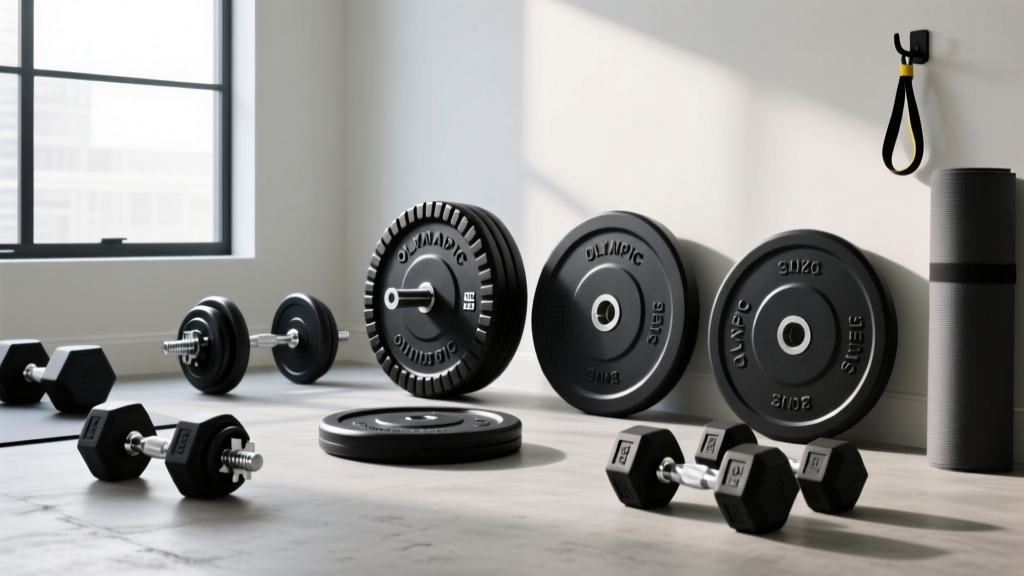
Olympic vs Standard Plates Setup for Your Dumbbell Weekly Routine
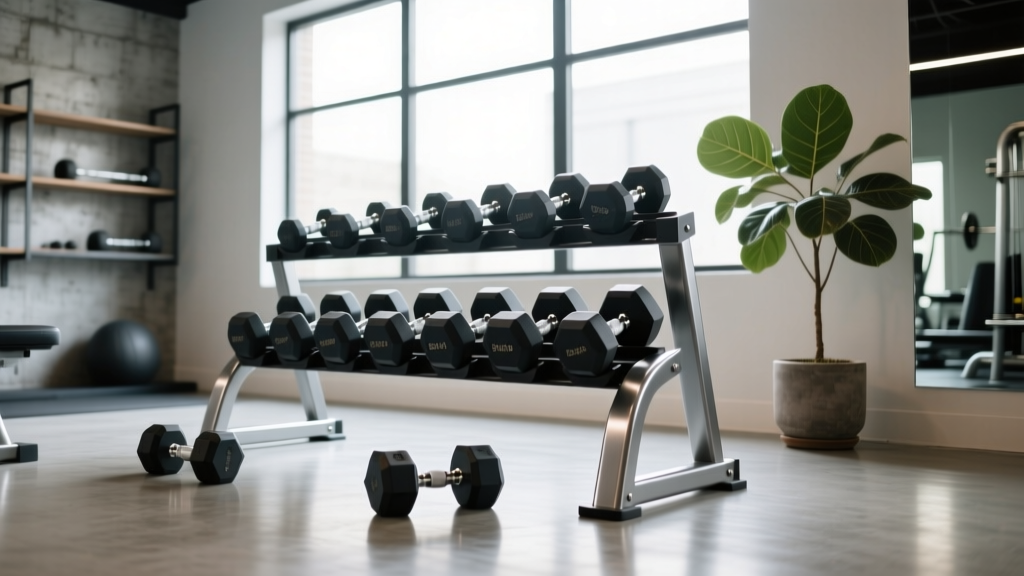
Dumbbell Rack Care: Prep for Good Exercises for Triceps with Dumbbells
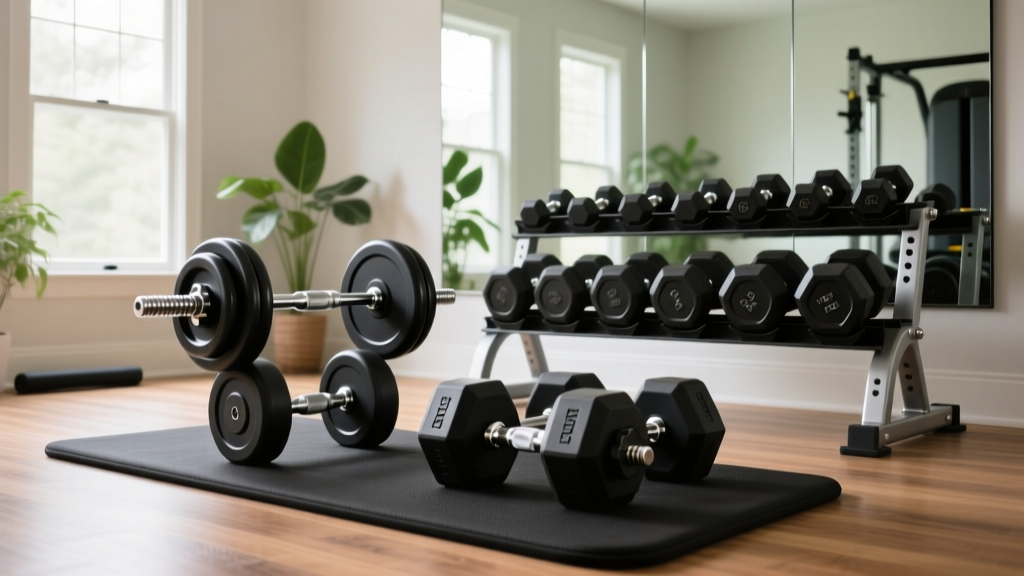
Bumper vs Iron Plate Comparison: Kneeling Dumbbell Press Setup Guide

Beyond Dumbbell Exercises at Home for Beginners: Olympic Barbell Guide

Maintaining Loadable Dumbbells for Your Best Chest Workout with Dumbbells
