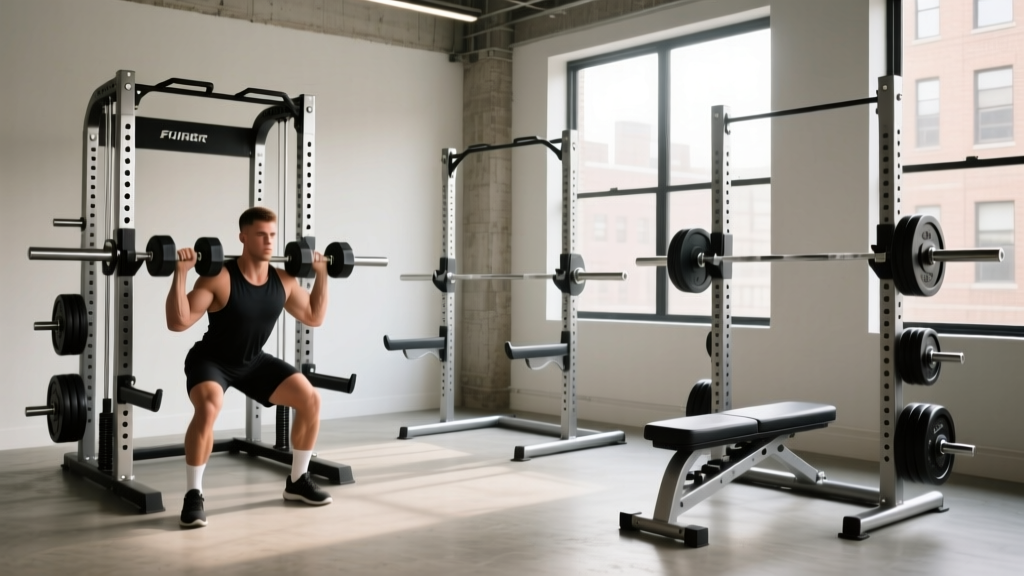
Olympic vs Standard Plates: Standing Dumbbell Raise Mistakes
Avoid common home gym mistakes. We troubleshoot Olympic vs standard weight plates and how they impact lifts like the standing dumbbell raise.

The Home Gym Dilemma: Plate Sizing and Isolation Lifts
Building a home gym in 2026 often comes down to maximizing space and budget, which leads many lifters to invest in plate-loaded dumbbells rather than expensive adjustable sets or full dumbbell racks. However, a critical decision point that is frequently overlooked is the choice between Olympic and standard weight plates. This decision doesn't just affect your barbell squats; it drastically alters the biomechanics, safety, and effectiveness of isolation movements like the standing dumbbell raise.
Whether you are performing lateral raises, front raises, or shoulder shrugs, the physical dimensions of your plates and the corresponding handle diameter dictate your grip, the implement's balance, and the structural integrity of the equipment under load. In this troubleshooting guide, we will break down the exact differences between Olympic and standard plates, identify the most common mistakes lifters make when pairing them with plate-loaded dumbbells, and provide a concrete framework for outfitting your gym.
Core Specifications: Olympic vs Standard Weight Plates
Before troubleshooting specific exercise failures, we must establish the mechanical differences between the two systems. The distinction is not merely about weight capacity; it is about standardized engineering.
| Feature | Standard Plates (1-Inch System) | Olympic Plates (2-Inch System) |
|---|---|---|
| Center Hole Diameter | 25.4 mm (1 inch) | 50.8 mm (2 inches) |
| Handle/Bar Sleeve | 1-inch solid steel or threaded | 2-inch rotating or solid sleeve |
| Weight Capacity (Dumbbell) | ~40-60 lbs (handle dependent) | 150+ lbs (commercial grade) |
| Collar Mechanism | Spin-lock or spring clip | Spring collar, clamp, or lever |
| 2026 Avg. Price (Cast Iron) | $1.20 - $1.60 / lb | $2.20 - $3.50 / lb |
According to equipment guidelines referenced by the National Strength and Conditioning Association (NSCA), Olympic equipment is the universal standard for commercial and serious athletic environments due to its superior load distribution and sleeve rotation, whereas standard equipment remains a budget-friendly staple for light residential use.
Troubleshooting the Standing Dumbbell Raise
The standing dumbbell raise—encompassing lateral, front, and rear deltoid variations—requires strict form, controlled momentum, and a secure grip. When using plate-loaded dumbbells, the plate system you choose introduces several potential failure points.
Mistake 1: Using Standard Plates for Heavy Front Raises
The Problem: Many budget plate-loaded dumbbell handles feature a 1-inch diameter with a threaded spin-lock collar. When you load these handles heavily (e.g., 50+ lbs per hand for heavy standing front raises or shrugs), the 1-inch steel handle is prone to micro-bending. Furthermore, the spin-lock collars can slowly unthread due to the rotational torque generated when lifting and lowering the weight.
The Fix: If you are progressively overloading your standing dumbbell raise beyond 40 lbs per hand, you must transition to an Olympic loadable dumbbell handle. Olympic handles utilize thick 2-inch sleeves and secure spring collars, eliminating the risk of the plate sliding off mid-rep or the handle warping under tension.
Mistake 2: Ignoring Plate Profile and Grip Clearance
The Problem: Olympic plates are significantly thicker than standard plates. A 10 lb standard cast iron plate is relatively narrow, whereas a 10 lb Olympic plate (especially if rubber-coated or urethane) can be quite wide. When performing a standing dumbbell raise, particularly lateral raises, the dumbbell rests against your thigh or hip at the bottom of the movement. If you use large-diameter Olympic plates on a short loadable dumbbell handle, the plates will collide with your legs, altering your range of motion and forcing you to flare your elbows awkwardly.
The Fix: For Olympic loadable dumbbells, invest in fractional plates or steel technique plates (which have a smaller diameter and thinner profile) for the inner layers of your loading. This maintains a compact dumbbell head, allowing for a natural, unobstructed standing dumbbell raise.
⚠️ SAFETY WARNING: The Spin-Lock HazardNever use standard 1-inch spin-lock dumbbells for dynamic, momentum-based movements like kettlebell-style swings or explosive standing raises. The vibration causes the threaded collar to loosen rapidly. Always use Olympic handles with calibrated spring collars for any movement where the implement changes direction quickly.
Mistake 3: Imbalanced Loading on Standard Handles
The Problem: Standard plates are notorious for poor manufacturing tolerances. A 10 lb standard plate from a big-box store might actually weigh 9.2 lbs or 10.8 lbs. When performing a highly sensitive isolation movement like the standing dumbbell raise, a half-pound discrepancy between your left and right dumbbell can cause asymmetric muscle recruitment and shoulder impingement over time.
The Fix: Olympic plates, particularly those from reputable manufacturers like Rogue Fitness or Eleiko, are cast and machined to strict weight tolerances (often within 1% or less of the stated weight). For strict isolation work, the precision of Olympic plates ensures that both arms are moving the exact same load.
Real-World Failure Modes and Edge Cases
Let's look at specific scenarios where lifters run into trouble when mixing plate types and dumbbell exercises.
- The 'Wobble' Effect on Lateral Raises: Standard handles often have a smooth center grip and threaded ends. If the collar isn't tightened flush against the plate, the plate shifts slightly during the concentric phase of a lateral raise. This micro-movement forces your stabilizer muscles to overcompensate, ruining the isolation effect on the medial deltoid.
- The Adapter Trap: Some lifters buy a '1-inch to 2-inch' sleeve adapter to use standard plates on Olympic bars. Never do this for dumbbells. The adapter adds 4-6 inches of useless length to the sleeve, pushing the weight distribution too far outward. This turns a standard standing dumbbell raise into an unwieldy lever that places dangerous shear force on your wrists.
- Urethane vs. Cast Iron Smell and Degradation: In 2026, high-quality urethane Olympic plates are the gold standard for home gyms because they don't rust or smell. However, cheap 'rubber' standard plates often off-gas toxic VOCs and degrade into a sticky mess when exposed to garage humidity. If your dumbbells are stored in an unclimate-controlled space, standard rubber plates will ruin your knurling and grip.
2026 Buyer's Framework: Which System Should You Invest In?
To eliminate guesswork, use this decision matrix to determine which plate and handle system is right for your training style.
- The Budget Rehab & Beginner Setup (Standard): If your maximum dumbbell load for a standing dumbbell raise or press will never exceed 35 lbs per hand, and your total gym budget is under $300, a 1-inch standard cast iron set with threaded spin-lock handles is acceptable. Cost: ~$150 for 100 lbs of plates and handles.
- The Serious Hypertrophy Home Gym (Olympic): If you plan to progressively overload, utilize micro-loading (fractional plates), and perform heavy compound and isolation lifts safely, Olympic is mandatory. The initial investment in Olympic loadable dumbbell handles and cast iron or urethane plates pays off in longevity and safety. Cost: ~$400-$600 for handles and 150 lbs of plates.
- The Hybrid Athlete (Olympic Barbell + Adjustable Dumbbells): Many modern lifters bypass plate-loaded dumbbells entirely for isolation work. They buy Olympic plates for their barbell and squat rack, but invest in high-end adjustable dumbbells (like Nuobell or PowerBlock) for the standing dumbbell raise. This saves space and eliminates the plate-clearance issues inherent in loadable dumbbells.
'The equipment you choose should never dictate your biomechanics. If the physical width of your dumbbell plates forces you to alter the natural path of a lateral raise, the implement is wrong for the exercise.' — Biomechanics principles outlined in Wikipedia's comprehensive guide on Barbell and Plate Standards and historical strength training literature.
Frequently Asked Questions
Can I use standard plates for barbell lifts but Olympic for dumbbells?
No. This requires buying two entirely separate sets of weight plates and handles, which is a massive waste of money and space. Standardize your gym to one system. In 2026, the overwhelming recommendation for any lifter past the novice stage is to standardize on the 2-inch Olympic system.
Why do my wrists hurt during standing front raises with plate-loaded dumbbells?
Wrist pain during front raises with plate-loaded dumbbells is usually caused by an overly thick handle or poor weight distribution. If you are using standard 1-inch threaded handles, the thick knurling and the proximity of the spin-lock collar can force your wrist into slight ulnar deviation. Switching to an Olympic loadable dumbbell with a smooth, contoured handle and properly seated spring collars will align your wrist neutrally.
Are urethane Olympic plates worth the 2026 premium?
If your gym is in a shared living space or a garage with high humidity, yes. Urethane Olympic plates cost between $4.00 and $7.00 per pound, compared to $2.50 for bare cast iron. However, urethane eliminates rust, reduces noise when dropping the dumbbells after a heavy set of raises, and requires zero maintenance.
Final Thoughts on Equipment and Execution
The standing dumbbell raise is a foundational movement for shoulder health, aesthetics, and pressing strength. Do not let a mismatched, poorly engineered plate system compromise your form or risk your safety. By understanding the mechanical realities of Olympic versus standard weight plates, you can build a home gym that supports your progressive overload journey from your very first warm-up set to your heaviest working reps. Ditch the wobbly 1-inch spin-locks, invest in precision-machined Olympic plates, and let your equipment work for you, not against you.
More gear to consider
All reviews
Power Rack vs Squat Stand: Setup for the Dumbbell Lateral Lunge

Olympic vs Standard Plates Setup & Back Exercises Dumbbells Only
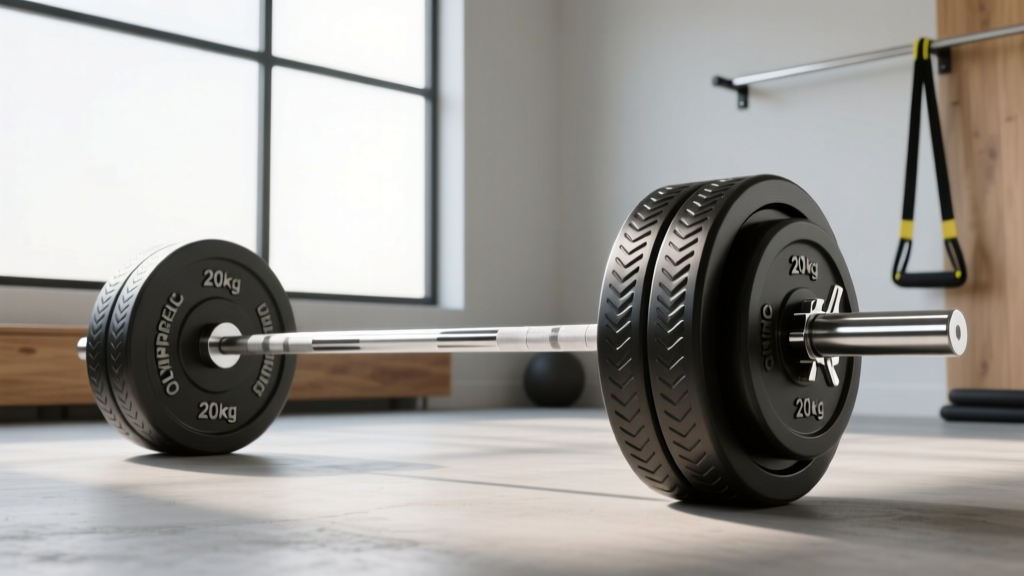
Olympic Barbell Buying Guide: Knurling, Weight & Dumbbell Molds

Barbell Collar & Clamp Guide: Squats to Dumbbell Front Lat Raise

Beyond the Best Workout with Dumbbells: Olympic Barbell Buying Guide