Olympic vs Standard Plates for the Dumbbell Single Leg Calf Raise
Compare Olympic vs standard weight plates for home gyms. Learn how plate dimensions and micro-loading impact the dumbbell single leg calf raise.

The 1-Inch vs 2-Inch Dilemma: Beyond the Barbell
When outfitting a home gym in 2026, the decision between Olympic (2-inch) and standard (1-inch) weight plates is often reduced to barbell compatibility. Most beginners assume that as long as the plates fit their barbell, the system is sufficient. However, this narrow perspective ignores the profound impact that plate geometry, sleeve length, and incremental loading have on isolation exercises. Nowhere is this more evident than in the biomechanics and equipment clearance required for the dumbbell single leg calf raise. This comprehensive buying guide dissects the physical and mechanical differences between Olympic and standard weight plates, using the demands of unilateral calf training as the ultimate stress test for your equipment.
Specification Matrix: Olympic vs Standard Weight Plates
Before analyzing specific movement mechanics, it is crucial to understand the baseline specifications that differentiate these two ecosystems. The data below reflects current 2026 market averages for commercial and premium home gym equipment.
| Feature | Olympic Plates (2-Inch) | Standard Plates (1-Inch) |
|---|---|---|
| Hole Diameter | 50mm (2 inches) | 25mm (1 inch) |
| Avg. Cost Per Pound | $1.80 - $3.50 | $1.20 - $2.00 |
| Max Load on 14" DB Sleeve | 120+ lbs per dumbbell | 45 - 60 lbs per dumbbell |
| Plate Width (25lb Cast Iron) | ~1.5 inches (High Density) | ~2.5 to 3 inches (Low Density) |
| Fractional Plate Availability | Extensive (0.25lb to 2.5lb) | Extremely Limited / Poorly Calibrated |
Biomechanics and Clearance: The Dumbbell Single Leg Calf Raise Test
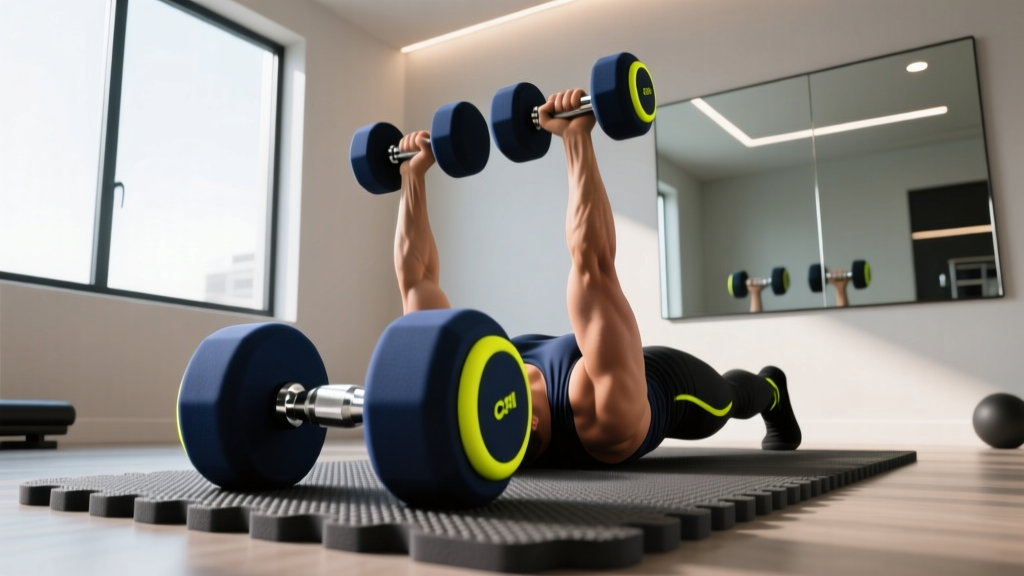
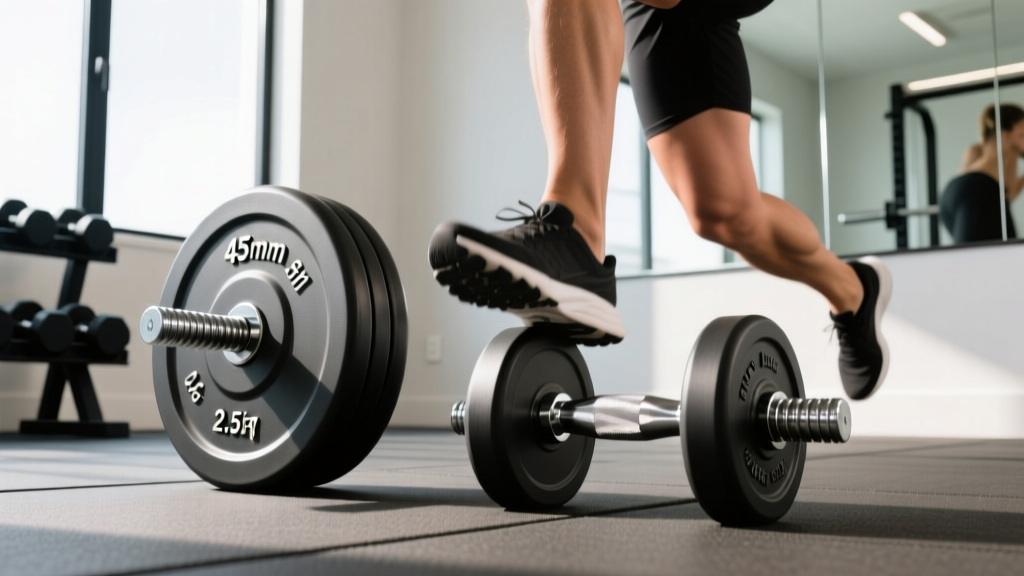
The dumbbell single leg calf raise is a staple for targeting the gastrocnemius and soleus muscles. To maximize hypertrophy, lifters must utilize a deficit (standing on a 3-inch block or step) to achieve deep dorsiflexion. This deep stretch places immense mechanical tension on the calf complex, but it also creates a unique spatial problem regarding your dumbbell's physical dimensions.
The Thigh-Clearance Failure of Standard Plates
Standard 1-inch adjustable dumbbells (such as traditional spinlock models) utilize thinner sleeves. To load a standard dumbbell to 60 lbs, you typically need to stack multiple 10lb or 25lb cast iron plates. Because standard plates have a smaller center hole, the iron is distributed further outward, making the plates physically wider and bulkier per pound. When you stack four or five plates on a 1-inch sleeve, the dumbbell becomes exceptionally long horizontally.
⚠️ The Biomechanical Interference Rule:When performing a dumbbell single leg calf raise with an overly long standard dumbbell, the inner plates will physically collide with your thigh or knee during the concentric (upward) phase of the movement. This collision forces you to abduct your arm outward, altering your center of gravity, reducing the direct vertical load on the calf, and introducing unnecessary lateral torque to the knee joint.
Conversely, Olympic loadable dumbbell handles (like the Rogue Loadable Dumbbell Handles) feature thicker, shorter sleeves designed for 2-inch plates. Olympic plates—particularly machined steel or high-density urethane models—are significantly narrower. You can load 80 lbs onto an Olympic handle using just three 25lb plates and a 5lb plate, resulting in a compact, dense dumbbell that hangs cleanly by your side without interfering with your leg during the deep stretch of the calf raise.
The Micro-Loading Imperative for Stubborn Calves
According to kinesiology data regarding the Triceps Surae, the calf muscles are highly resilient and accustomed to carrying your entire body weight daily. To force adaptation, progressive overload must be precise. Jumping from a 40 lb dumbbell to a 45 lb dumbbell represents a 12.5% increase in load—a massive jump for an isolation exercise that often leads to Achilles strain or form breakdown.
This is where the Olympic ecosystem completely eclipses standard plates. The standard 1-inch market virtually ignores fractional plates. In contrast, the Olympic market offers precision-machined fractional plates. Rogue Fitness LB Plates, for example, allow lifters to add increments as small as 0.25 lbs or 0.5 lbs to their dumbbells. When executing a dumbbell single leg calf raise, adding just 1 lb per hand via Olympic fractional plates allows for seamless, week-over-week progressive overload without compromising the deep stretch or risking connective tissue overload.
Material Science: Urethane, Rubber, and Cast Iron in 2026
Beyond dimensions, the material of your plates dictates the longevity and environment of your home gym.
- Cast Iron (Standard & Olympic): The most cost-effective option ($1.20 - $1.80/lb). However, bare iron requires humidity control to prevent rust, and the loud clanking can be disruptive in shared living spaces.
- Virgin Rubber (Olympic): Coated cast iron (e.g., CAP Barbell Olympic Rubber) protects floors and reduces noise. Beware of cheap imported rubber plates, which can off-gas a strong chemical odor for months.
- Urethane (Olympic): The premium standard for 2026. Urethane plates (like those from Rep Fitness or Eleiko) are virtually odorless, highly resistant to UV and temperature changes, and feature precise steel inserts that prevent the center holes from warping over time. Expect to pay $2.50 to $4.00 per pound.
Purchasing Framework: Which System Fits Your Gym?
Choosing between Olympic and standard plates requires an honest assessment of your training age, budget, and exercise selection. Use this decision matrix to finalize your purchase:
- Choose Standard (1-Inch) If: You are a strict beginner on a severe budget (under $300 total), you only plan to perform basic bilateral movements (goblet squats, floor presses), and you do not require loads exceeding 50 lbs per dumbbell.
- Choose Olympic (2-Inch) If: You are an intermediate-to-advanced lifter, you prioritize isolation movements like the dumbbell single leg calf raise where equipment clearance and micro-loading are vital, and you plan to eventually incorporate barbell compounds (squats, deadlifts) into your routine.
Expert Verdict: While standard plates offer a lower barrier to entry, the mechanical limitations regarding sleeve capacity and the lack of fractional loading options make them a poor long-term investment. For serious hypertrophy training, the precision, density, and versatility of Olympic plates remain the undisputed gold standard.
More gear to consider
All reviews
Kettlebell Value: Cast Iron vs Competition & Single Dumbbell Bicep Workout

Adjustable Dumbbell Review: Setup & Dumbbell Exercises for Biceps
Beyond the Single Dumbbell Bench Press: Barbell Collar Guide

Neoprene Dumbbells & T-2 Series Dumbbell Weight Bar Holders
Dumbbell Rack Trends 2026: Storing Cartoon Dumbbells & Novelty Gear