
Olympic vs Standard Plates & Dumbbell Bench Press Weight for Beginners
Compare Olympic vs standard weight plates for your home gym, plus a guide to selecting the right dumbbell bench press weight for beginners in 2026.

The Foundational Choice: 1-Inch Standard vs 2-Inch Olympic
Building a home gym in 2026 requires making one critical, irreversible decision early on: choosing between standard and Olympic weight plates. This choice dictates not only the barbell you buy but also the compatibility of your future accessories, including loadable dumbbells and plate storage racks. While standard plates (with a 1-inch center hole) are often marketed as budget-friendly starter gear, Olympic plates (with a 2-inch center hole) represent the universal standard for serious lifting. In this comprehensive guide, we will break down the head-to-head differences between these two plate types and seamlessly transition into how your equipment choices impact finding the ideal dumbbell bench press weight for beginners.
Expert Insight: The primary difference is the sleeve diameter. Standard bars have a 1-inch (25.4mm) sleeve, while Olympic bars feature a 2-inch (50.8mm) rotating sleeve. This 100% difference in diameter completely changes the bar's structural integrity and weight capacity.Head-to-Head Comparison Matrix
Before diving into specific models and pricing, let us look at the raw data comparing standard and Olympic weight plates across critical performance metrics.
| Feature | Standard Plates (1-Inch) | Olympic Plates (2-Inch) |
|---|---|---|
| Center Hole Diameter | 1 inch (25.4 mm) | 2 inches (50.8 mm) |
| Max Barbell Load | ~200 - 250 lbs (before bar bends) | 500 - 1,500+ lbs |
| Average Cost Per Pound | $1.20 - $1.80 / lb | $2.00 - $4.50 / lb |
| Calibration Accuracy | +/- 5% to 10% | +/- 1% to 3% (Calibrated options available) |
| Resale Value | Very Low (Hard to sell used) | High (Holds 70-80% of retail value) |
Standard Plates: The Budget-Friendly Starter Route
Standard plates are typically constructed from cast iron or cement-filled vinyl. They are the default option for big-box store fitness aisles. If you are strictly limited by a budget under $150 and only plan to do light isolation work, standard plates might seem appealing.
Real-World Pricing & Models
The most reliable standard plates on the market are the CAP Barbell Cast Iron Standard Plates. In 2026, a 100 lb set (comprising four 10s, four 5s, and two 2.5s) retails for approximately $130 to $150. Avoid cement-filled vinyl plates at all costs; they are incredibly bulky, making it impossible to load more than 90 lbs on a standard dumbbell handle, and the vinyl casing inevitably cracks, leaking sand onto your gym floor.
The Failure Mode: Why Lifters Upgrade
The biggest flaw with standard equipment is not the plates themselves, but the barbells they require. A standard 1-inch barbell will physically bend and permanently warp when loaded past 200 lbs. Furthermore, standard bars lack rotating sleeves. When performing dynamic movements like power cleans or heavy bench presses, the torque from the non-spinning plates transfers directly to your wrists, increasing the risk of joint strain.
Olympic Plates: The Lifetime Investment
Olympic plates are the gold standard for commercial gyms, powerlifting federations, and serious home garages. The 2-inch hole accommodates heavy-duty steel bars with rotating sleeves, utilizing bushings or needle bearings to reduce rotational torque.
Material Variations: Iron vs. Bumper
- Cast Iron / Machined Steel: Ideal for powerlifting and bodybuilding. Models like the REP Fitness Deep Dish Iron Plates offer a classic aesthetic, precise weight calibration, and a thin profile that allows you to load over 400 lbs on a standard 7-foot barbell.
- Rubber Bumper Plates: Designed with a uniform diameter (17.7 inches) regardless of weight. This means a 10 lb bumper plate hits the floor at the same time as a 45 lb plate, protecting your flooring and the barbell during Olympic lifts like snatches and cleans.
"Investing in Olympic plates is essentially buying a lifetime asset. A high-quality set of urethane or machined iron Olympic plates will easily outlive the lifter and can be passed down or sold with minimal depreciation."
Navigating Dumbbell Bench Press Weight for Beginners
Your choice between standard and Olympic plates heavily influences your dumbbell setup. If you bought standard plates, you likely have 1-inch spin-lock dumbbell handles. If you went Olympic, you might be looking at 2-inch loadable dumbbells or fixed hex dumbbells. Regardless of the handle type, selecting the correct dumbbell bench press weight for beginners is vital for hypertrophy and joint safety.
Why Dumbbells Over Barbells for Beginners?
According to the American Council on Exercise (ACE), the dumbbell bench press requires greater stabilization than a barbell bench press. This engages the rotator cuff and stabilizing muscles of the shoulder girdle, helping beginners correct left-to-right strength imbalances early in their training journey.
Exact Weight Recommendations by Demographic
Based on 2026 strength standards aggregated by ExRx.net, here is the ideal starting dumbbell bench press weight for beginners (weight per hand):
Beginner Men
Starting Weight: 20 lbs to 25 lbs per hand.
Goal: 3 sets of 8-10 reps with strict form, ensuring the elbows tuck at a 45-degree angle to protect the anterior deltoid.
Beginner Women
Starting Weight: 10 lbs to 15 lbs per hand.
Goal: 3 sets of 10-12 reps, focusing on the mind-muscle connection and achieving a full stretch at the bottom of the movement.
The Problem with Spin-Lock Dumbbells for Pressing
If you chose the standard 1-inch plate route, you will be using spin-lock dumbbells. These handles are notoriously thick and the star-lock collars can dig into your wrists during the bench press. For beginners trying to master the dumbbell bench press, this awkward grip can limit your ability to safely press heavier weights. Actionable Advice: If you are committed to standard plates, buy a pair of fixed 20 lb and 25 lb rubber hex dumbbells specifically for your pressing movements, and reserve the spin-lock handles for floor work like goblet squats and lunges.
2026 Cost Breakdown: Building Your First 200 lb Set
To illustrate the financial reality of both paths, here is a realistic cost breakdown for a beginner looking to acquire a barbell, plates, and basic dumbbells to reach a 200 lb total working weight.
| Item | Standard Setup Cost | Olympic Setup Cost |
|---|---|---|
| 7-Foot Barbell | $45 (CAP Standard) | $165 (REP OB-86) |
| 200 lbs of Plates | $240 (Cast Iron) | $450 (Echo Bumpers) |
| Pair of Dumbbell Handles | $25 (Spin-lock) | $120 (Loadable) |
| Spring Collars | $10 | $25 (Lock-Jaws) |
| Total Estimated Cost | $320 | $760 |
Step-by-Step Progression Framework for Beginners
Once you have your equipment and selected your starting dumbbell bench press weight, follow this progressive overload framework to ensure continuous muscle growth without hitting a plateau.
- Phase 1 (Weeks 1-4): Form and Stabilization. Use a weight that allows you to complete 3 sets of 10 reps with 2 reps left in the tank (RIR 2). Focus entirely on keeping your shoulder blades retracted and feet planted.
- Phase 2 (Weeks 5-8): Volume Accumulation. Keep the weight the same, but push the reps. Aim for 3 sets of 12-15 reps. Once you can easily hit 3x15, you have outgrown that specific dumbbell weight.
- Phase 3 (Weeks 9+): The 5 lb Jump. Move up to the next dumbbell increment (e.g., from 20 lbs to 25 lbs). Your reps will naturally drop back down to 6-8 per set. Repeat the cycle.
Final Verdict: Which Should You Buy?
The decision ultimately comes down to your long-term fitness goals and budget flexibility. If you are strictly testing the waters and have less than $350 to spend, a Standard Cast Iron setup will suffice for your first year of lifting. However, be prepared to replace the barbell once you surpass a 150 lb bench press.
For 90% of our readers at FitGearPulse, we strongly recommend bypassing standard gear entirely and investing in an Olympic setup. The superior durability, accurate weight calibration, and compatibility with high-quality fixed dumbbells make it the only logical choice for a 2026 home gym. Pair your Olympic plates with a set of fixed rubber hex dumbbells (starting at 15 lbs and 25 lbs) to perfectly dial in your dumbbell bench press weight for beginners, ensuring safe, effective, and continuous progress for years to come.
More gear to consider
All reviews
Loadable Dumbbell Maintenance for Safe Dumbbell Lunges

Beyond the 30 Minute Full Body Dumbbell Workout: Barbell Buying Guide
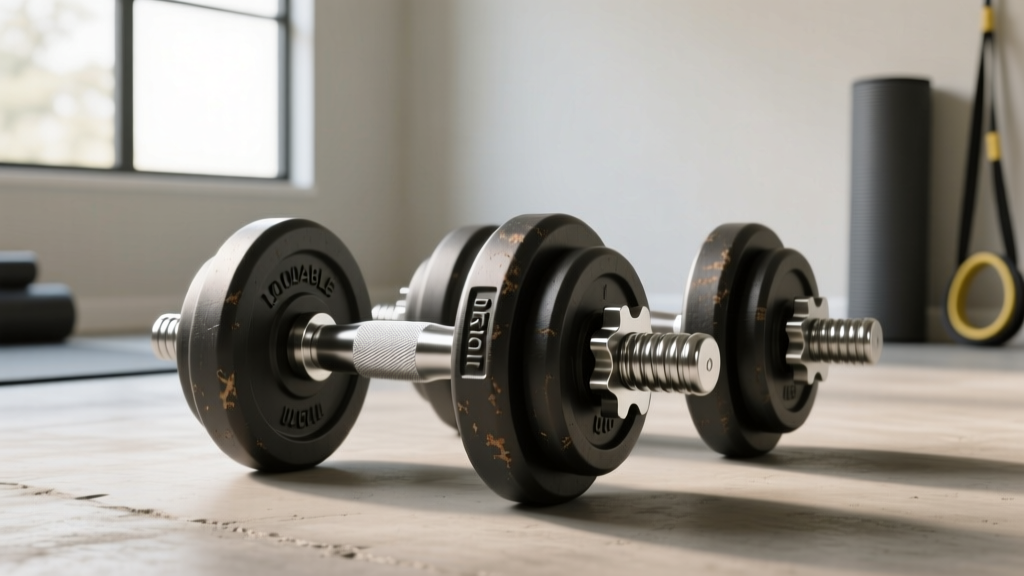
How to Maintain Loadable Dumbbells for Farmer Carries
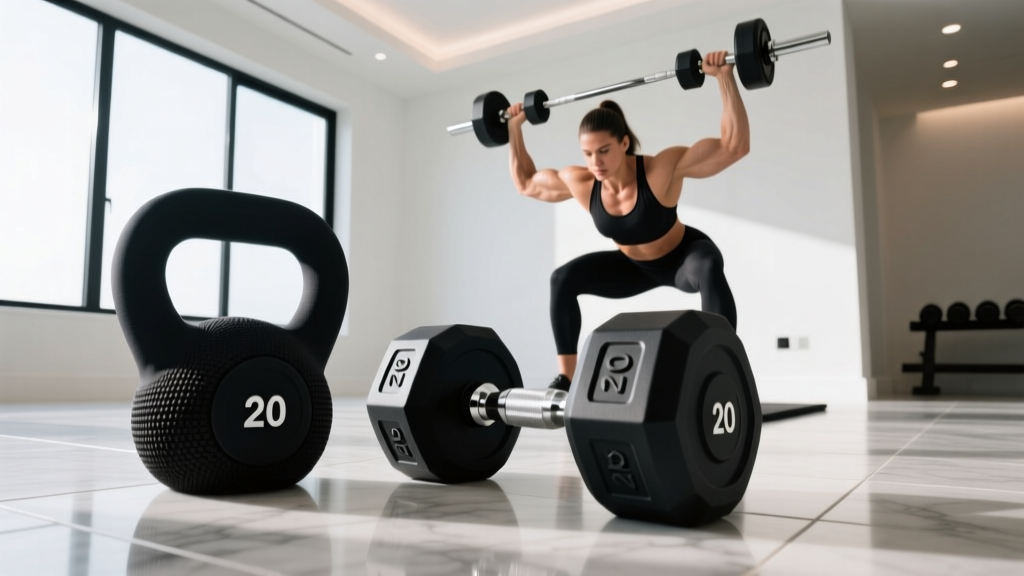
Barbell Curl with Dumbbells? Biomechanics & Neoprene Weight Guide
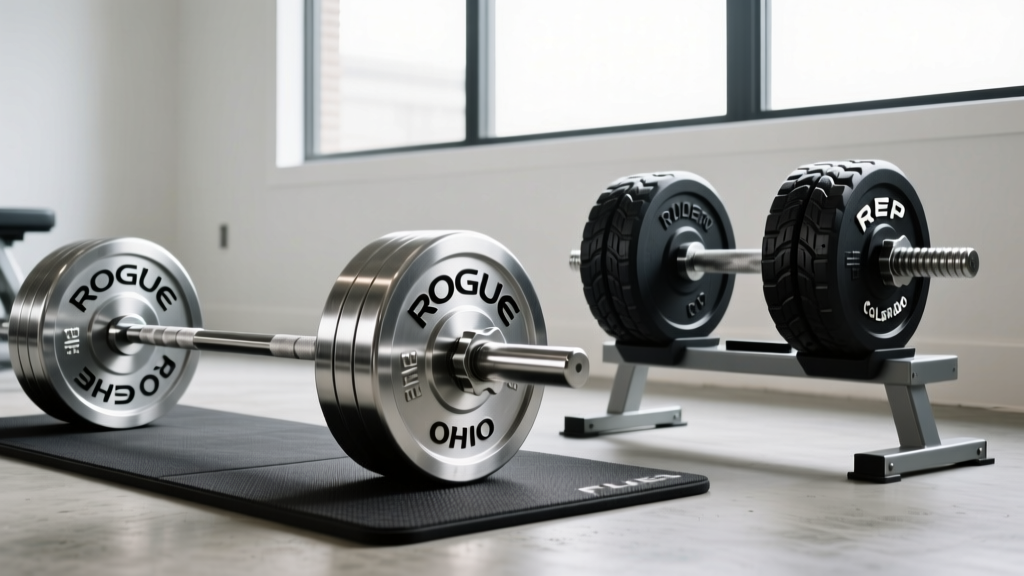
Barbell vs Dumbbell Back Exercises: Olympic Barbell Knurl Guide
