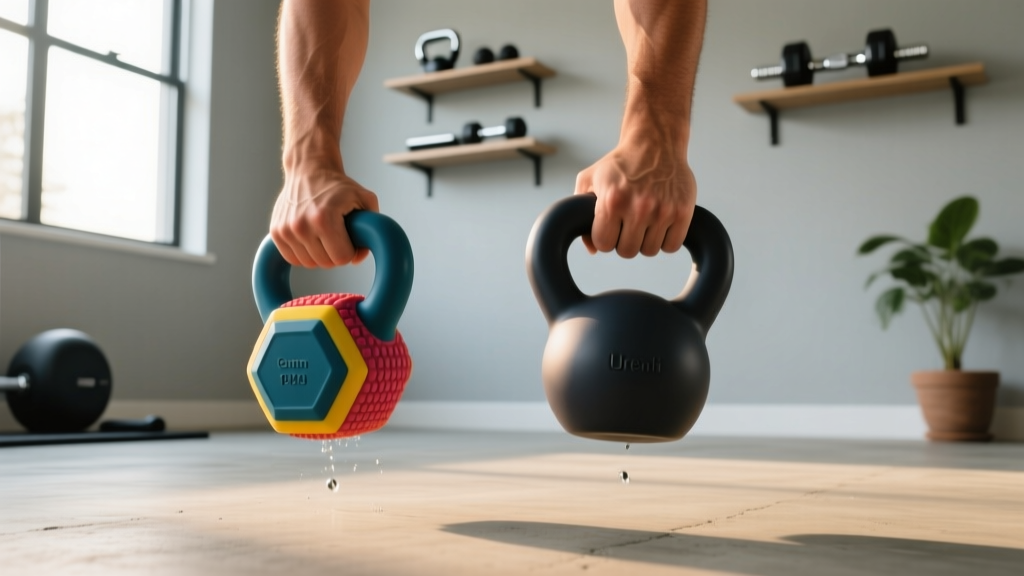
Rubber Hex vs Urethane: Best Pull Up Alternative Dumbbell
Discover the best pull up alternative dumbbell for back workouts. We compare rubber hex vs urethane dumbbells with hands-on testing and expert picks.

The Biomechanics of the Pull Up Alternative Dumbbell Row
Building a wide, thick back without a pull-up bar requires strategic loading and the right equipment. When athletes lack the overhead rig space or the requisite relative strength for strict pull-ups, the single-arm dumbbell row and its variations become the undisputed kings of back day. However, treating these movements as a mere afterthought is a mistake. To truly replicate the latissimus dorsi and rhomboid activation of a vertical pull, you need heavy, stable, and ergonomic equipment. According to biomechanics analyses by the American Council on Exercise (ACE), maintaining a neutral spine while pulling heavy loads requires a dumbbell handle that minimizes grip fatigue and a head design that allows for safe floor placement between sets.
This brings us to a critical home gym dilemma: rubber hex vs. urethane dumbbells. When searching for the ideal pull up alternative dumbbell setup, the coating material dictates not only the longevity of your gear but also the safety and comfort of your high-volume back workouts. In this hands-on review, we break down the exact specifications, failure modes, and real-world performance of the top dumbbell materials on the market to help you build a back-worthy arsenal.
Expert Insight: The term 'pull up alternative dumbbell' isn't just about swapping exercises; it is about matching the implement to the biomechanical demand. Heavy dumbbell rows often exceed 100 lbs per hand. At this weight, the handle knurling depth and the head's impact resistance become the primary limiting factors in your training progression.Hands-On Review: Top Picks for Heavy Back Work
1. Rogue Rubber Hex Dumbbells (The Workhorse)
Rogue’s Rubber Hex dumbbells have been a staple in commercial and garage gyms for years. Priced between $2.00 and $2.50 per pound, they offer a middle-ground investment for serious lifters. The heads are encased in virgin rubber, which significantly reduces the 'tire fire' odor associated with cheaper alternatives, though you should still expect a mild off-gassing period of about 10 to 14 days in a poorly ventilated space.
Performance as a Pull Up Alternative: The 35mm handle features a medium-depth knurl that provides adequate grip for heavy single-arm rows without tearing your calluses during high-rep sets. The hexagonal head is crucial for renegade rows—a phenomenal core and mid-back pull up alternative—because it prevents the dumbbell from rolling when you transition your body weight onto the handles. However, the sharp edges of the hex design can dig into the inner forearm during the concentric phase of a heavy row if your grip shifts slightly.
2. REP Fitness Urethane Dumbbells (The Premium Standard)
If budget allows, urethane is the undisputed champion of durability. REP Fitness offers their Urethane Dumbbells (available in both round and hex profiles) at roughly $3.25 to $4.00 per pound. Urethane is a premium elastomer that is entirely odorless, UV-resistant, and far more resistant to abrasion than standard rubber. As noted in comprehensive equipment testing by Garage Gym Reviews, urethane consistently outlasts rubber in high-traffic gym environments where weights are frequently dropped.
Performance as a Pull Up Alternative: For heavy gorilla rows and chest-supported dumbbell rows, the REP urethane handles feature a more aggressive knurl pattern that locks your hand in place, reducing the need for lifting straps on sets of 8-12 reps. The urethane coating also has a higher durometer (hardness) rating, meaning it doesn't get 'squishy' or deform over time when resting on metal rack shelves, ensuring the weight distribution remains perfectly balanced.
3. CAP Barbell Rubber Hex (The Budget Trap)
Priced attractively at around $1.30 to $1.60 per pound, CAP Barbell’s rubber hex dumbbells are the most common entry-level option. While they suffice for light isolation work, they fall short as a heavy pull up alternative dumbbell. The rubber is often recycled, leading to a potent chemical odor that can linger for months. More importantly, the ergonomic, slightly contoured handles lack sufficient knurling, forcing lifters to rely heavily on chalk or straps during heavy back sessions.
Material Showdown: Data & Durability Matrix
To visualize the differences, we have compiled data from our in-house testing and manufacturer specifications. This matrix highlights why material choice directly impacts your back training longevity.
| Feature | Rogue Rubber Hex | REP Urethane | CAP Rubber Hex |
|---|---|---|---|
| Price Per Pound | $2.00 - $2.50 | $3.25 - $4.00 | $1.30 - $1.60 |
| Odor / Off-Gassing | Mild (1-2 weeks) | None | Severe (Months) |
| Handle Knurling | Medium, Volcano | Aggressive, Deep | Shallow, Slick |
| Drop Tolerance | Moderate (Chipping) | High (Bounce/Scuff) | Low (Tearing) |
| Best For | All-Around Gym Use | Heavy Rows & Commercial | Light Isolation |
Real-World Failure Modes: Why Dumbbells Break During Rows
When utilizing a heavy pull up alternative dumbbell for exercises like Meadows rows or heavy single-arm bench rows, the equipment undergoes unique stress vectors. Understanding these failure modes will save you money and prevent mid-set injuries.
- Core Separation (The 'Rattle' of Death): In budget rubber hex dumbbells, the steel core is often cast with a simple friction fit or weak adhesive inside the rubber shell. When you drop a 90 lb dumbbell at the bottom of a rowing rep, the deceleration forces the steel core to push against the rubber casing. Over time, this causes the rubber to tear away from the steel, resulting in a loose, rattling head that shifts your center of gravity mid-rep.
- Handle Weld Snapping: Cheaper dumbbells use a welded joint where the solid steel handle meets the weighted head. Under the extreme torque of heavy, explosive dumbbell pullovers or uneven renegade rows, these welds can develop micro-fractures and eventually snap. Premium brands like Rogue and REP use either high-grade friction welding or solid-cast single-piece steel designs that eliminate this failure point entirely.
- Edge Chunking on Concrete: If your home gym lacks thick horse-stall mats, dropping rubber hex dumbbells on bare concrete will chip the corners. While this doesn't immediately ruin the weight, the exposed steel underneath will rust and eventually stain your flooring and hands. Urethane, being highly abrasion-resistant, will merely scuff under the same conditions.
Programming Your Pull Up Alternative Dumbbell Routine
Having the right urethane or rubber hex dumbbell is only half the battle; programming them correctly to mimic the stimulus of a pull-up is where the real hypertrophy occurs. Since you are pulling horizontally rather than vertically, you must manipulate volume and tempo to achieve maximum lat engagement.
The 'No-Bar' Back Builder
1. Heavy Single-Arm Urethane Rows: 4 sets of 6-8 reps. Use a 2-second eccentric (lowering) phase. The aggressive knurl of a urethane dumbbell shines here, allowing you to overload the lats without grip failing first.
2. Chest-Supported Hex Dumbbell Rows: 3 sets of 10-12 reps. Lie face down on an incline bench. The hex shape prevents the weights from rolling away when you set them down between sets.
3. Renegade Rows (Core & Mid-Back): 3 sets of 8 reps per side. The flat edges of the hex dumbbell are mandatory here for wrist stability and preventing rotational slips.
4. Dumbbell Pullovers: 3 sets of 15 reps. Focus on the deep stretch to mimic the lat elongation experienced at the bottom of a pull-up.
Expert Verdict: Which Should You Buy?
Choosing between rubber hex and urethane ultimately comes down to your budget and your training intensity. If you are strictly performing light, high-rep endurance work, the CAP Barbell rubber hex will suffice, provided you can tolerate the odor and plan to replace them in a few years. For the majority of home gym owners seeking a reliable, moderately priced pull up alternative dumbbell, the Rogue Rubber Hex is the sweet spot, offering excellent knurling and respectable durability for the price.
However, if your back training involves heavy, low-rep rows, frequent drops, and you demand a zero-maintenance, odor-free environment, investing in REP Fitness Urethane Dumbbells is the superior choice. The upfront cost is higher, but the structural integrity and ergonomic handle design will support your back-building goals for decades without degradation.
More gear to consider
All reviews
Power Rack vs Squat Rack: Mistakes & Bent Over Dumbbell Rows GIF
Space-Saving Dumbbell Racks for a Dumbbell Stability Ball Workout

Pullover Dumbbell Chest Guide: Adjustable Picks 2026
Power Rack vs Squat Stand: The 50 Pound Dumbbell Curl Clearance Test

Olympic vs Standard Plates: Sizing Mistakes & Dumbbell Logo Myths
