
Olympic Barbell Weight & Knurling Guide vs. Pro Style Dumbbells
Compare Olympic barbell weight tolerances and knurling patterns against pro style dumbbells. Expert buying guide for serious home gym lifters in 2026.

When outfitting a serious home or commercial gym in 2026, the debate often centers on where to allocate the bulk of your equipment budget. While the Rogue Fitness Bar Guide highlights the necessity of a premium Olympic barbell for heavy compound lifts, the nuanced ergonomics of pro style dumbbells are equally critical for unilateral hypertrophy and joint stabilization. This head-to-head buying guide dissects the engineering, weight tolerances, and knurling mechanics of Olympic barbells compared to high-end pro style dumbbells, helping you make an evidence-based purchasing decision.
Decoding Olympic Barbell Weight Tolerances and Tensile Strength
The foundation of any elite lifting setup is the barbell's metallurgical integrity. According to the International Weightlifting Federation (IWF), a certified 20kg men's Olympic barbell must weigh between 20,000g and 20,020g—a razor-thin tolerance of just +20 grams. In contrast, standard commercial bars often carry a +/- 50g to 100g variance, which can lead to uneven loading and microscopic imbalances during maximal attempts.
Beyond static weight, tensile strength (measured in PSI) dictates the bar's ability to return to center after heavy deadlifts or squats without permanent deformation. Yield strength is equally important; it measures the exact point where the steel bends and fails to snap back.
- 165,000 - 190,000 PSI: Standard multi-purpose bars (e.g., Rogue Chan Bar). Adequate for most lifters but prone to whippy oscillation over 400 lbs.
- 190,000 - 205,000 PSI: Premium Olympic Weightlifting bars (e.g., Eleiko Olympic WL). Engineered for maximal elastic whip to aid in the clean and jerk, utilizing high-quality needle bearings for sleeve rotation.
- 205,000 - 215,000+ PSI: Powerlifting specific bars (e.g., Rogue Ohio Power Bar). Extremely rigid, minimizing energy leaks during heavy squats and utilizing bronze bushings for slower, more controlled sleeve spin.
The Tactile Battlefield: Knurling Depth and Pattern
Knurling is the diamond-patterned machining cut into the steel shaft to enhance grip. As detailed in BarBend's comprehensive knurling guide, the aggressiveness of the knurl is defined by its depth and peak geometry. This is where the head-to-head comparison with pro style dumbbells becomes fascinating.
Olympic power bars utilize a volcano knurl pattern with depths reaching 1.2mm to 1.5mm, designed to tear into the calluses of chalked hands during 500+ lb pulls. Conversely, premium pro style dumbbells—such as the Ivanko OM Series or Rep Fitness Urethane Pro line—feature a hard chrome-plated handle with a moderate mountain or shallow volcano knurl (typically 0.8mm to 1.0mm deep). Because dumbbells require the lifter to independently stabilize two separate loads, an overly aggressive knurl would cause premature central nervous system (CNS) grip fatigue and tear the skin during high-rep lateral raises or chest flyes.
Expert Grip Insight: Managing CNS Fatigue
If you are transitioning from a barbell deadlift to heavy pro style dumbbell rows in the same session, the shift from a 1.5mm deep barbell knurl to a 0.8mm dumbbell knurl will require a mental and physical grip adjustment. We recommend using 2mm to 3mm lifting straps for dumbbell pulling movements to isolate the lats without being bottlenecked by the milder dumbbell knurl, preserving your grip strength for subsequent barbell work.
Head-to-Head Specification Matrix
| Feature | Olympic Power Bar (e.g., Rogue OPB) | Olympic WL Bar (e.g., Eleiko) | Pro Style Dumbbells (e.g., Rep Urethane) |
|---|---|---|---|
| Shaft Diameter | 29mm (Stiff, fills the palm) | 28mm (Allows hook grip wrapping) | 32mm - 35mm (Thick, ergonomic contour) |
| Knurl Depth | 1.2mm - 1.5mm (Aggressive Volcano) | 0.8mm - 1.0mm (Moderate Mountain) | 0.8mm (Mild, skin-saving Chrome) |
| Weight Tolerance | +/- 15 grams | +/- 10 grams (IWF Certified) | +/- 2% per head (Commercial Standard) |
| 2026 Avg. Cost | $395.00 (Flat steel) | $1,150.00+ (Cerakote/Bare) | $3.50 - $4.80 per pound |
Biomechanics: Lateral Load vs. Unilateral Stabilization
The engineering differences between these tools stem directly from their biomechanical purposes. An Olympic barbell locks the lifter into a fixed, bilateral stance. The 15.5-inch loadable sleeves and precision-machined bronze bushings allow the weight plates to spin independently of the shaft, reducing torque on the wrists during explosive Olympic lifts.
Pro style dumbbells, characterized by their solid, press-fit or bolted urethane heads and cylindrical steel handles, demand intense unilateral stabilization. The center of mass in a 100-lb pro dumbbell sits directly adjacent to the wrist joint, creating a massive moment arm that challenges the rotator cuff and forearm stabilizers. Furthermore, the thicker 34mm handle diameter found on heavy pro dumbbells significantly increases forearm flexor activation compared to a standard 28mm Olympic bar. While a barbell allows you to move absolute maximum loads (e.g., a 405-lb bench press), pro style dumbbells force each side of the body to work independently, exposing and correcting muscular imbalances that a barbell would otherwise mask.
Budget Allocation: Where Should You Invest?
Building a complete free-weight arsenal in 2026 requires strategic financial planning. Here is how to allocate your budget based on your primary training modality.
Scenario A: The Powerlifter and Strongman
If your primary goal is moving maximal loads in the squat, bench, and deadlift, allocate 80% of your free-weight budget to a 215,000 PSI Olympic Power Bar and calibrated steel plates. You can defer purchasing heavy pro style dumbbells, opting instead for a pair of adjustable loadable dumbbell handles for occasional accessory rows and tricep extensions.
Scenario B: The Bodybuilder and Hypertrophy Athlete
For pure hypertrophy, joint longevity, and muscular symmetry, the math flips. Invest in a high-quality, moderately knurled multi-purpose Olympic bar ($300 to $400) and allocate the remaining budget toward a full 5-to-100 lb set of urethane pro style dumbbells. The mild knurl and thick handles of premium pro dumbbells will save your central nervous system during high-volume, 12-to-15 rep sets of incline presses and Bulgarian split squats.
Corrosion Resistance, Assembly, and Long-Term Maintenance
A frequently overlooked aspect of the buying guide is oxidation and structural fatigue. Bare steel Olympic bars offer the best grip but require weekly brushing and 3-in-1 oil application. Cerakote and Zinc finishes solve this but can slightly fill in the knurl valleys, reducing aggressiveness.
High-end pro style dumbbells solve the maintenance headache entirely. The handles are typically coated in industrial hard chrome, which is virtually impervious to sweat and humidity. More importantly, pay attention to the head assembly. Cheaper commercial dumbbells use bolted heads that rattle loose after hundreds of drops. Elite pro style dumbbells utilize a press-fit assembly with industrial adhesives and steel roll pins, ensuring the urethane heads remain permanently fixed to the steel shaft even after thousands of drops onto rubber flooring. Unlike rubber-coated hex dumbbells that off-gas, crack, and degrade over a decade, urethane pro dumbbells are a true buy-it-for-life investment that routinely outlasts the lifter.
Final Verdict
There is no single best piece of free weight; there is only the right tool for the specific biomechanical demand. An elite Olympic barbell is non-negotiable for systemic overload, spinal stabilization, and absolute strength development. However, the precise weight distribution, skin-saving knurling, and unilateral demands of pro style dumbbells make them an equally vital component for joint health, hypertrophy, and athletic symmetry. Evaluate your 2026 training block, respect the engineering tolerances, and invest in the steel that matches your physiological goals.
More gear to consider
All reviews
Maintaining Plates and Dumbbells: Rubber Hex vs Urethane Care
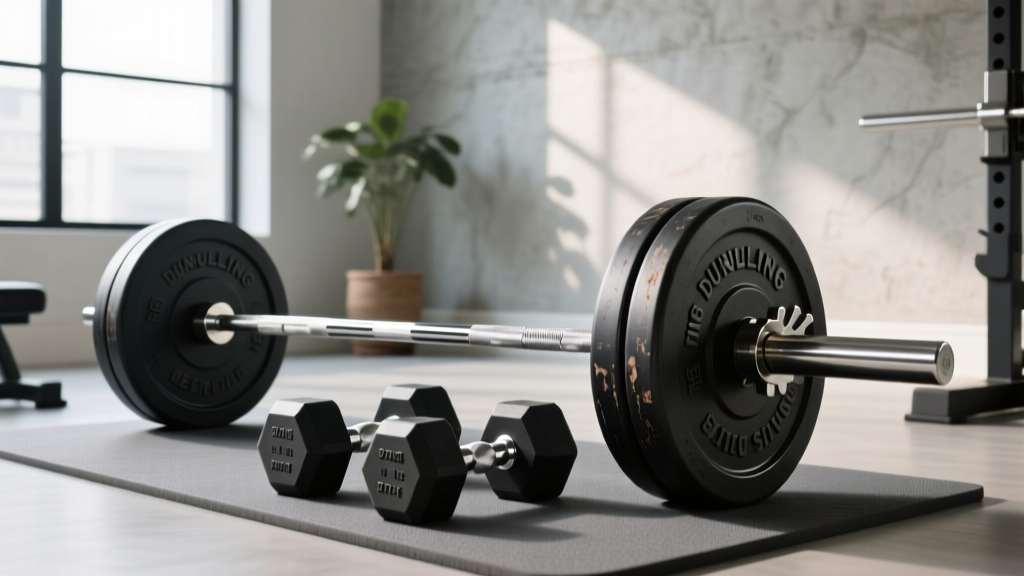
Barbell Knurling & Weight Guide: Seated Dumbbell Rear Delt Fly
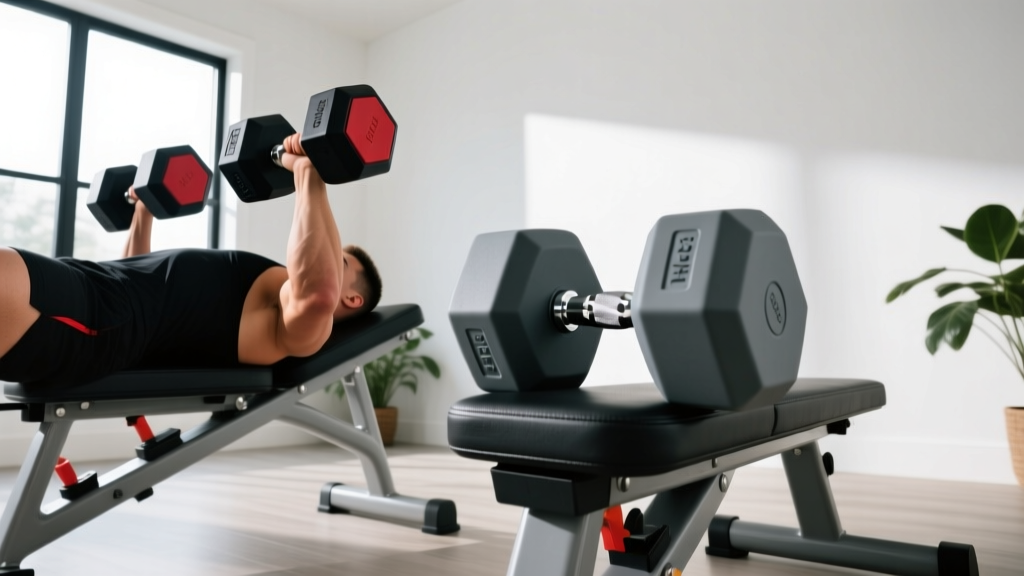
Reverse Grip Incline Dumbbell Press: Rubber Hex vs Urethane Value

Barbell Clamp Comparison: Safety Beyond Dumbbell Exercises Images
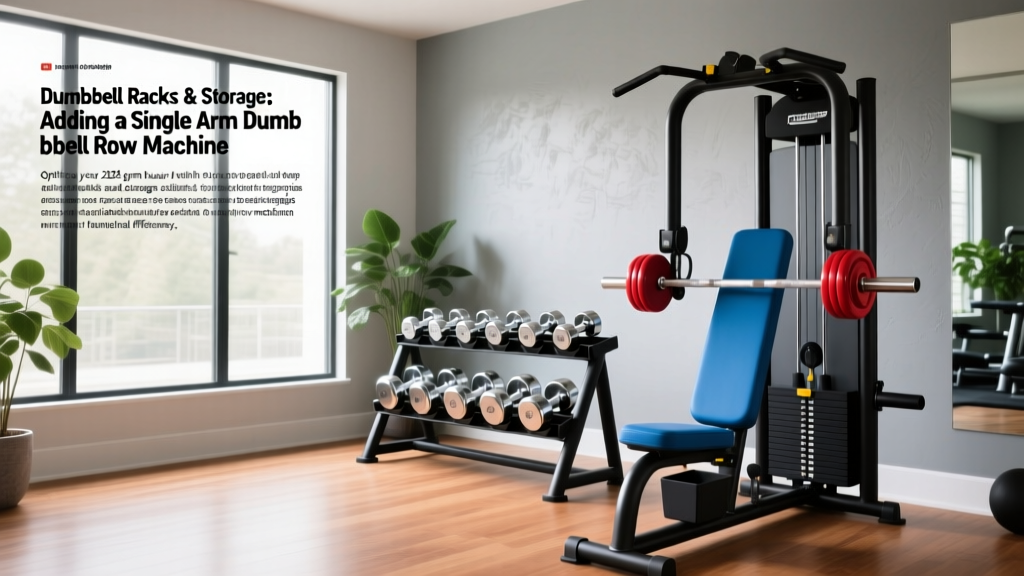
Dumbbell Racks & Storage: Adding a Single Arm Dumbbell Row Machine
