
Olympic Barbell Knurling: Rogue vs REP & Dumbbell Fly Machine Pairings
Compare Rogue and REP Olympic barbells by weight tolerance and knurling. Plus, discover how to pair them with a dumbbell fly machine for chest gains.

The Anatomy of an Elite Olympic Barbell: Weight and Knurling
When building a high-performance home gym in 2026, the Olympic barbell remains the undisputed centerpiece of strength training. However, not all 20-kilogram bars are created equal. The two most critical factors that separate a $150 bargain bin bar from a $350 lifetime implement are weight calibration tolerance and knurling geometry. Understanding these nuances is essential for serious lifters focused on progressive overload, grip security, and joint longevity.
In this head-to-head buying guide, we are pitting two of the most popular mid-tier barbells on the market against each other: the Rogue Ohio Bar and the REP Fitness Colorado Bar. Furthermore, because no barbell can perfectly isolate the pectoral muscles through a full range of motion, we will explore how to strategically pair your chosen barbell with a dedicated dumbbell fly machine to create the ultimate chest-hypertrophy ecosystem.
Head-to-Head Comparison: Rogue Ohio Bar vs. REP Colorado Bar
Both the Rogue Ohio Bar and the REP Colorado Bar boast 190,000 PSI tensile strength shafts, but their approach to knurling and sleeve construction caters to slightly different lifting styles. Below is the direct specification matrix.
| Feature | Rogue Ohio Bar (2.0) | REP Fitness Colorado Bar |
|---|---|---|
| Tensile Strength | 190,000 PSI | 190,000 PSI |
| Knurl Pattern | Volcano (Medium-Deep) | Mountain Peak (Aggressive) |
| Center Knurl | Yes (Standard) | Yes (Standard) |
| Bushing/Bearing | Composite Bushings | Copper Bushings |
| Weight Tolerance | +/- 15 grams | +/- 50 grams |
| Current Pricing (2026) | $295 - $345 (Stainless/Cerakote) | $329 (Hard Chrome/Stainless) |
Deep Dive: Knurling Geometry and Grip Mechanics
Knurling is the cross-hatched pattern machined into the steel shaft. Its purpose is to increase surface area friction between the steel and the calluses on your hands. According to BarBend's comprehensive knurling analysis, the shape of the knurl 'peak' dictates how the bar feels under heavy loads.
- Rogue's Volcano Knurl: The Ohio Bar features a 'volcano' pattern. Instead of a sharp point, the machine cuts a rim with a hollowed-out center. This provides an aggressive bite that grips the skin without tearing it, making it ideal for high-volume bench pressing and moderate deadlifts. The rim edges grab your hands securely even when chalked heavily.
- REP's Mountain Peak Knurl: The Colorado Bar utilizes a traditional 'mountain' pattern, where the peaks are left sharp and pointed. This is noticeably more aggressive than the Ohio Bar. Lifters with thick calluses or those who prioritize heavy, low-rep deadlifts often prefer this sharp bite, but it can cause skin tearing during high-rep hypertrophy work if grip pressure isn't modulated.
Both bars feature a 28.5mm shaft diameter, which is the gold standard for Olympic weightlifting and general powerbuilding. This specific thickness allows for optimal 'whip' (elastic deformation) during the deadlift pull, while remaining rigid enough to prevent dangerous oscillation during heavy bench presses.
Weight Calibration and Tolerance: The Hidden Metric
When you load 300 pounds onto a barbell, you expect the bar itself to weigh exactly 20 kilograms (44.09 pounds). However, manufacturing steel shafts and sleeves involves machining variances. The International Weightlifting Federation (IWF) mandates that competition-certified bars must fall within a strict +/- 10 gram tolerance of their stated weight.
While neither the Ohio Bar nor the Colorado Bar carries an official IWF competition stamp (which adds hundreds of dollars to the price tag), their calibration tolerances differ significantly:
- Rogue Fitness machines their sleeves to a tighter tolerance (typically +/- 15 grams). This precision ensures that when you are tracking progressive overload down to the micro-plate, your data is accurate.
- REP Fitness offers a slightly wider tolerance (+/- 50 grams). While half a dollar-weight of variance won't impact a 400-pound deadlifter, it is a metric that budget-conscious buyers should be aware of when comparing premium vs. mid-tier manufacturing standards.
Expanding the Chest Arsenal: The Dumbbell Fly Machine
An Olympic barbell is unparalleled for mechanical tension and heavy compound loading via the barbell bench press. However, the barbell bench press suffers from a flawed resistance curve for pectoral isolation: maximum tension occurs at the bottom of the movement (where the pec is stretched and vulnerable), and tension drops to near-zero at lockout, where the skeletal structure supports the load.
This is where integrating a dumbbell fly machine (often designed as a lever-pec deck or cable adduction station) becomes critical for a complete 2026 hypertrophy program.
Biomechanics: Why the Barbell Needs a Fly Machine Partner
According to biomechanical data cataloged by ExRx on pectoral adduction, the primary function of the pectoralis major is horizontal shoulder adduction (bringing the arms across the midline of the body).
- The Barbell Limitation: When pressing a barbell, your hands are fixed on the steel shaft. You cannot bring your hands together at the top of the movement. Therefore, you lose the final 20% of the adduction range of motion, leaving peak muscle contraction on the table.
- The Dumbbell Fly Machine Advantage: A modern lever or cable-based dumbbell fly machine allows the hands to converge. More importantly, because the resistance is provided by a weight stack on a cam or cable pulley rather than gravity acting straight down, the machine provides constant tension on the pecs throughout the entire arc of the movement, including the peak contraction at the midline.
2026 Home Gym Investment Framework
Allocating a $1,500 budget for a chest-and-pushing-focused home gym setup requires strategic decision-making. Here is how we recommend splitting your investment based on your primary training goals:
Scenario A: The Powerbuilder (Strength + Hypertrophy)
- Barbell: Rogue Ohio Bar (Stainless Steel) - $345. The volcano knurl will save your hands during high-rep dumbbell and barbell pressing.
- Plates: 300 lbs of Urethane Grip Plates - $600.
- Isolation: Adjustable Cable Crossover / Functional Trainer (acts as a fly machine) - $550.
Scenario B: The Pure Bodybuilder (Max Hypertrophy)
- Barbell: REP Colorado Bar (Hard Chrome) - $249. The aggressive mountain knurl is great for heavy back days, while the lower price frees up capital.
- Dumbbell Fly Machine: Dedicated Selectorized Pec Deck / Fly Machine - $850. A commercial-grade plate-loaded or selectorized fly machine offers superior biomechanical isolation compared to cables.
- Plates: 150 lbs of Bumper Plates - $250.
Frequently Asked Questions
Can I use an Olympic barbell for dumbbell flys?
No. An Olympic barbell is a single, rigid piece of steel designed for bilateral pressing, squatting, and pulling. Dumbbell flys require independent, unilateral movement to allow the arms to arc outward and converge inward. To replicate this motion with heavy resistance safely, a dedicated dumbbell fly machine or a set of adjustable dumbbells is required.
Does knurling depth affect the barbell's structural integrity?
Yes, but only marginally. Machining knurling into a 28.5mm shaft removes a fraction of a millimeter of steel. A 190,000 PSI shaft is engineered to withstand hundreds of pounds of bending force. The deeper 'mountain' knurl on the REP bar removes slightly more material than a shallow 'hill' knurl, but both remain well within the safety margins for loads up to 1,000+ pounds.
How do I maintain the knurling on my barbell?
Chalk and dead skin will pack into the knurling valleys, reducing grip friction and trapping moisture (which leads to rust, even on stainless steel). Use a stiff nylon brush and a light application of 3-in-One oil or specialized barbell cleaner once a month to keep the volcano or mountain peaks sharp and debris-free.
More gear to consider
All reviews
Comparing Neoprene Dumbbell Dimensions (cm) for Home Gyms

EZ Curl Bar vs Straight Bar: Budget, Value, and the Dumbbell Emoji

Olympic vs Standard Plates and Exercises with 10lb Dumbbells
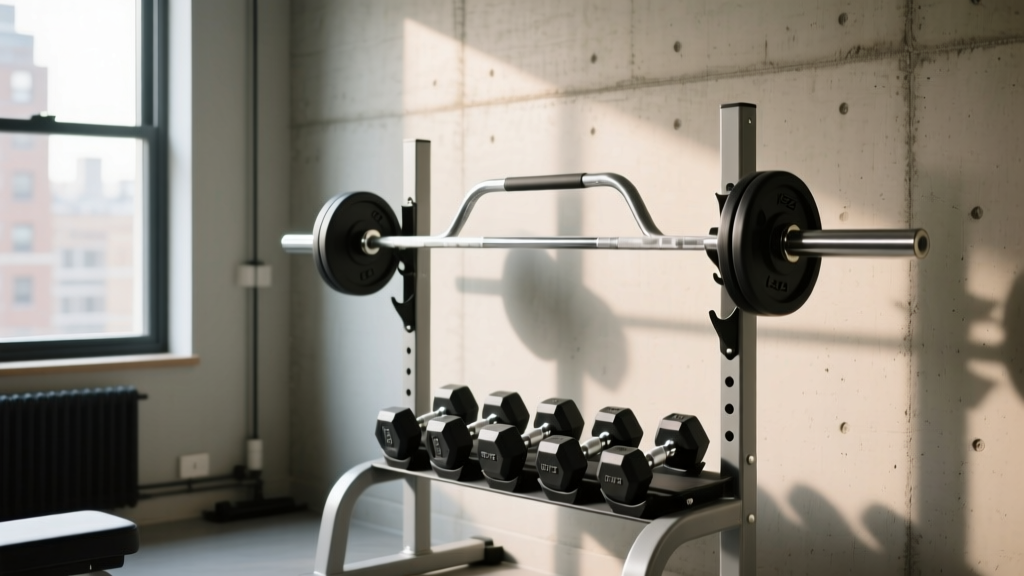
EZ vs Straight Bar & Weight Lifting Exercises with Dumbbells
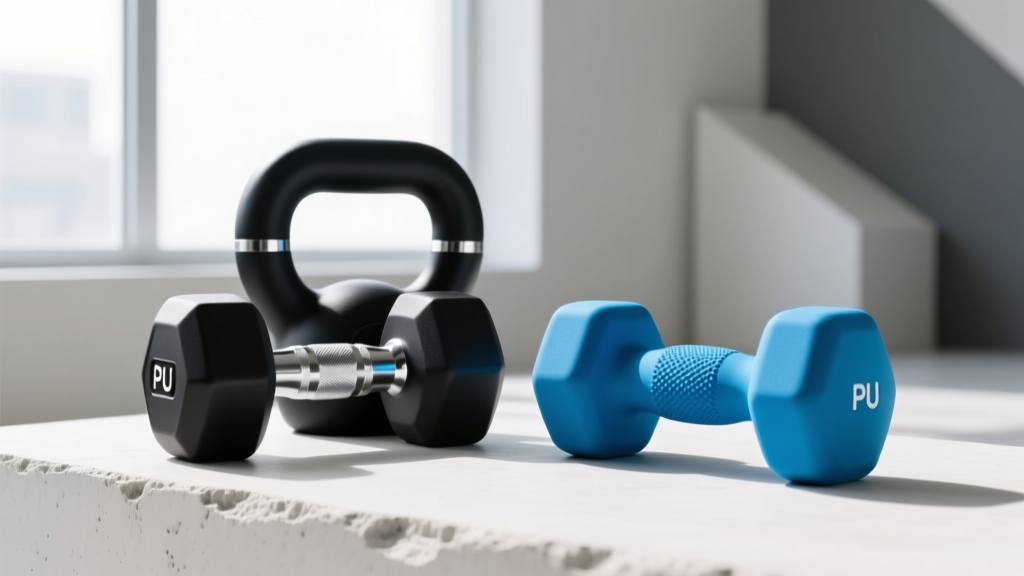
PU Dumbbell Set vs Neoprene: Home Gym Showdown 2026
