
Cast Iron Kettlebell vs Competition: The Iron Dumbbell Alternative
Compare cast iron kettlebells, competition bells, and the classic iron dumbbell. Our 2026 budget breakdown reveals the true cost-per-pound value.

The 2026 Free Weight Budget Dilemma
When outfitting a home gym or upgrading a commercial facility, the debate between a cast iron kettlebell and a competition steel bell is a familiar one. However, a truly comprehensive budget breakdown must also account for the foundational iron dumbbell. In 2026, supply chain fluctuations have stabilized, but the cost-per-pound metrics across these three distinct free weight categories remain vastly different. For the budget-conscious lifter, understanding the exact financial and biomechanical trade-offs between these implements is the difference between a smart investment and a wasted expense.
This guide dissects the metallurgy, pricing structures, and long-term value of cast iron kettlebells, competition kettlebells, and standard hex iron dumbbells, providing a definitive framework for your next equipment purchase.
Metallurgy and Pricing: Cast Iron vs. Competition Bells
The fundamental difference between a standard cast iron kettlebell and a competition kettlebell lies in manufacturing consistency and material density. Competition bells are forged from steel to ensure that a 16kg bell and a 32kg bell share the exact same physical dimensions—specifically, a 33mm handle diameter and a standardized bell window. Cast iron kettlebells, conversely, scale in physical size as the weight increases, and handle thickness often balloons from 30mm on lighter bells to over 38mm on heavier 40kg+ models.
According to the technique standards outlined by StrongFirst, the uniform dimensions of competition bells are non-negotiable for high-repetition kettlebell sport (GS) or complex juggling, as they prevent the need to adjust your grip mechanics when changing weights. However, this precision comes at a premium.
2026 Market Pricing Matrix (Cost-Per-Pound)
| Implement Type | 16kg (35 lbs) | 24kg (53 lbs) | 32kg (70 lbs) | Avg $/lb |
|---|---|---|---|---|
| Cast Iron Kettlebell (e.g., Rogue, Titan) | $65.00 | $115.00 | $165.00 | $1.85 - $2.35 |
| Competition Bell (e.g., Kettlebell Kings) | $135.00 | $185.00 | $245.00 | $3.50 - $4.20 |
| Hex Iron Dumbbell (e.g., York, REP) | $42.00 (pair) | $63.00 (pair) | $84.00 (pair) | $1.10 - $1.30 |
*Note: Dumbbell pricing reflects the cost per pound for a matched pair, highlighting the stark volume advantage of traditional dumbbells for bilateral loading.
The Iron Dumbbell: Establishing the Budget Baseline
Why bring an iron dumbbell into a kettlebell buying guide? Because for the budget-restricted athlete, the classic hex iron dumbbell serves as the ultimate financial baseline. If your primary goal is hypertrophy, basic strength conditioning, or bilateral farmer carries, the cost-per-pound of a bare cast iron or rubber-encased hex dumbbell is nearly 50% cheaper than a cast iron kettlebell, and up to 70% cheaper than a competition bell.
However, the biomechanical limitations are real. An iron dumbbell lacks the offset center of mass required for true kettlebell ballistics. You cannot safely execute a kettlebell swing, snatch, or Turkish get-up with a standard hex dumbbell without risking severe wrist impingement or dropping the weight. As noted in comprehensive equipment testing by Garage Gym Reviews, attempting to mimic kettlebell flows with dumbbells alters the moment arm, reducing posterior chain activation and increasing shear force on the elbow joint.
'The offset load of a kettlebell forces the grip and forearm stabilizers to work in overdrive compared to the balanced, neutral grip of a standard iron dumbbell. If your budget only allows for one implement, choose the dumbbell for pure strength, but choose the kettlebell for conditioning and power.' — Biomechanics Analysis, FitGearPulse Lab
Grip Fatigue and Handle Geometry
When analyzing value, you must factor in the physiological cost of the equipment. The handle geometry dictates how long you can train before grip failure occurs.
- Competition Bells (33mm): The 33mm handle is universally recognized as the optimal diameter for the hook grip required in high-rep snatches and cleans. The steel is typically polished or lightly textured, allowing the bell to rotate smoothly in the hand without tearing calluses.
- Cast Iron Kettlebells (30mm - 38mm+): Lower-end cast iron bells often feature aggressive, unfiled casting seams that can shred palms during high-volume work. Premium cast iron bells (like those from Rogue) feature a machined powder-coat finish, but the handle thickness scales with the bell size, which can prematurely fatigue the forearms on heavier sets.
- Iron Dumbbells (28mm - 32mm): Standard hex iron dumbbells usually feature a 28mm to 30mm handle with deep, aggressive knurling. This is ideal for heavy, low-rep grinding movements (like goblet squats or renegade rows) but entirely unsuitable for dynamic, ballistic movements.
A pivotal study published via the National Institutes of Health (NIH) demonstrated that grip strength and forearm endurance are significantly more taxed during offset-load kettlebell exercises compared to balanced dumbbell exercises, directly correlating to the handle thickness and the distance of the mass from the wrist joint.
5-Year Depreciation and Coating Failures
True value analysis requires looking at the 5-year lifespan of the equipment. How do these implements degrade in a garage gym environment subjected to humidity and temperature swings?
- Bare Cast Iron (Kettlebells & Dumbbells): Without a protective coating, bare cast iron will oxidize (rust) within weeks in a humid environment. Maintenance requires regular wire-brushing and application of 3-in-One oil or WD-40 Specialist. Value verdict: High maintenance, but practically indestructible if maintained.
- Powder-Coated / E-Coated Cast Iron: The industry standard for premium 2026 kettlebells. E-coating provides a rust-proof base, while the powder coat adds texture. Over 5 years, heavy dropping will chip the powder coat, exposing the iron beneath to spot-rusting. Value verdict: Excellent balance of cost and durability.
- Competition Steel Bells: These are painted to denote weight (Yellow for 16kg, Green for 24kg, Red for 32kg). The steel core will not rust easily, but the paint will chip and scratch heavily from outdoor use or rough concrete drops. Value verdict: High initial cost, but structural longevity is virtually infinite.
- Rubber-Encased Iron Dumbbells: Virgin rubber hex dumbbells resist rust and protect floors, but cheap imported rubber will dry-rot, crack, and off-gas unpleasant odors after 3-4 years in direct sunlight or unventilated spaces. Value verdict: Great for indoor, climate-controlled gyms; poor for outdoor or garage setups.
The Hybrid Budget Strategy
If you have a $500 budget in 2026, do not blow it all on a single pair of 24kg competition bells. Instead, allocate your funds to maximize movement variety:
- 1x 16kg Cast Iron Kettlebell ($65): For unilateral swings, snatches, and Turkish get-ups.
- 1x 24kg Cast Iron Kettlebell ($115): For heavy goblet squats and single-arm presses.
- Pair of 50lb Hex Iron Dumbbells ($120): For bilateral hypertrophy, heavy farmer carries, and chest pressing.
- Remaining Budget ($200): Allocate toward a high-quality adjustable bench or fractional micro-plates to bridge the gap between your kettlebell jumps.
Frequently Asked Questions
Can I use an iron dumbbell for kettlebell swings?
Technically, you can grip the top head of a hex iron dumbbell to perform a swing, but it is highly discouraged. The center of mass is not aligned with your grip, and the sharp edges of a hex dumbbell will dig into your forearms at the top of the movement. Invest in a dedicated cast iron kettlebell for ballistics.
Are competition kettlebells worth the extra cost for beginners?
For 90% of beginners, no. The primary advantage of a competition bell is dimensional consistency across different weights. If you are only buying one or two bells to start your fitness journey, a high-quality powder-coated cast iron kettlebell offers vastly superior cost-per-pound value.
Why do heavy cast iron kettlebells have thicker handles?
Because cast iron bells are poured into molds that scale proportionally with weight, a 40kg bell requires significantly more material, resulting in a wider horn and thicker handle. Competition bells solve this by using a hollow steel shell, allowing manufacturers to pack the 40kg bell with denser materials while maintaining the strict 33mm handle standard.
Final Verdict: Allocating Your 2026 Budget
The choice between a cast iron kettlebell, a competition bell, and an iron dumbbell ultimately hinges on your specific training modalities and financial constraints. If your focus is on kettlebell sport, juggling, or high-rep snatch testing, the premium paid for competition steel is a mandatory investment in your joint health and performance consistency. If your goal is general physical preparedness (GPP), functional conditioning, and raw strength, the cast iron kettlebell remains the undisputed king of value. However, never underestimate the iron dumbbell; as the most cost-effective bilateral loading tool on the market, it remains an essential anchor in any well-rounded, budget-optimized free weight rack.
More gear to consider
All reviews
Best Field Cold: A Practical Guide to Selecting and Using Cold-Weather Gear for Outdoor Work
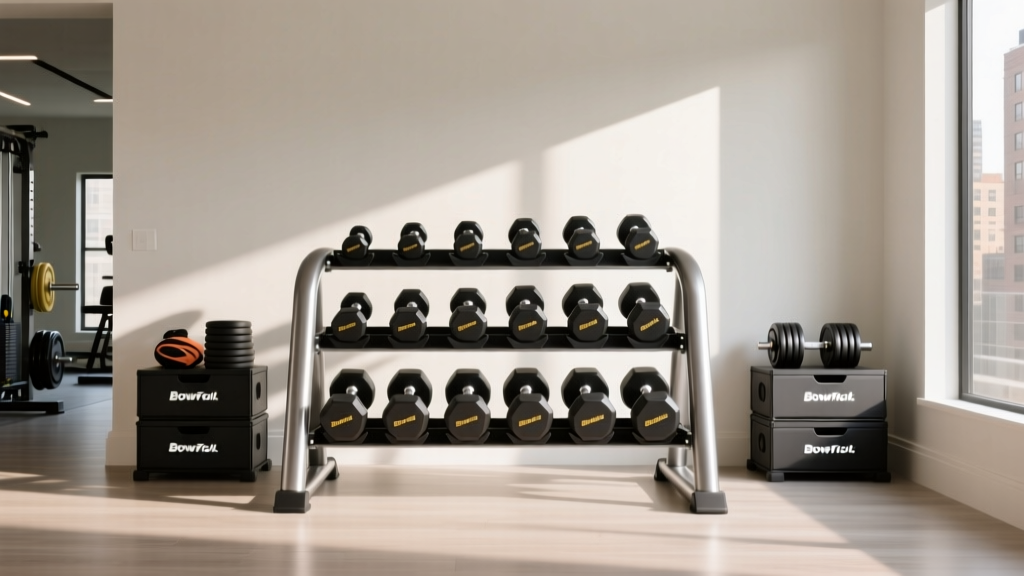
Best Bowflex Dumbbells Rack & Storage Solutions for 2026

Power Rack vs Squat Stand: Beyond Planet Fitness Dumbbell Weights

How to Store Weights for Dumbbell Exercises for Whole Body Routines

Power Rack vs Squat Stand Setup for a Safe Pull Dumbbell Workout
