Best Neoprene Dumbbells for Dumbbell Bench Pullovers 2026
We test CAP Barbell vs. Yes4All neoprene dumbbells for dumbbell bench pullovers. Discover which grip, head width, and coating durability wins for home gyms.

The Biomechanics of the Dumbbell Bench Pullover
The dumbbell bench pullover is a cornerstone exercise for developing the latissimus dorsi, pectoralis major, and serratus anterior. According to biomechanical research published in the National Library of Medicine, the pullover uniquely stresses the lats through a deep, stretched position while simultaneously demanding significant core stabilization. However, executing this movement safely and effectively at home requires equipment that accommodates the specific grip mechanics of the exercise.
Unlike standard presses where you grip the handle, heavy dumbbell bench pullovers typically require a 'diamond grip'—overlapping both hands on the inner plate (the head) of a single dumbbell. This is where the physical dimensions and coating of your equipment become critical. A slick, narrow, or poorly contoured dumbbell head can slip from sweaty palms mid-extension, turning a highly effective lat-builder into a severe facial hazard.
Why Neoprene Coating Matters for Home Pullovers
When outfitting a home gym, neoprene coated dumbbells are often the default choice. They protect hardwood floors, reduce acoustic impact, and offer a comfortable touch. But for the specific demands of dumbbell bench pullovers, neoprene provides three distinct advantages over bare cast iron or chrome:
- Tactile Friction: High-quality neoprene offers a micro-textured surface that grips the skin of your palms better than polished steel, crucial when your arms are fully extended overhead and blood flow is pooling in your forearms.
- Impact Absorption: If you fail a rep and need to drop the weight to the floor or a padded bench, the neoprene shell absorbs the kinetic energy, protecting both your subflooring and the structural integrity of the dumbbell's cast iron core.
- Temperature Neutrality: Neoprene remains room-temperature, preventing the 'cold shock' to the chest and ribs that occurs when lowering a freezing steel dumbbell into the deep stretch phase of the pullover.
Head-to-Head: CAP Barbell vs. Yes4All Neoprene Hex
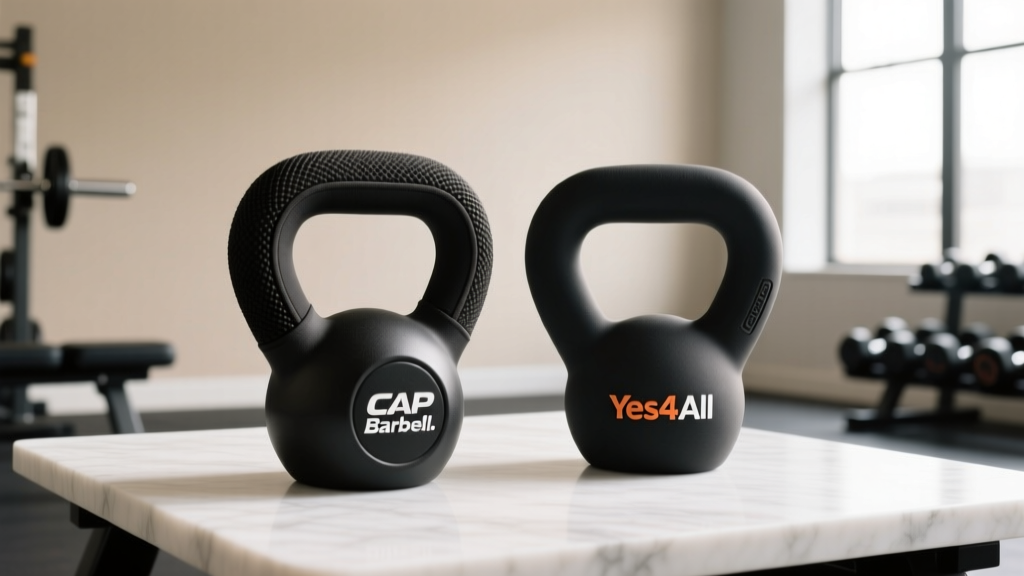
To determine the ultimate neoprene coated dumbbell for home use, we pitted the two market leaders against each other: the CAP Barbell Neoprene Hex Dumbbell and the Yes4All Neoprene Hex Dumbbell. Both are staples in the 2026 home fitness market, but their engineering differences drastically alter the pullover experience.
| Feature | CAP Barbell Neoprene Hex (35 lb) | Yes4All Neoprene Hex (35 lb) |
|---|---|---|
| Current Retail Price | $42.99 | $36.50 |
| Head Width (Grip Surface) | 4.2 inches | 3.8 inches |
| Neoprene Texture | Matte, micro-porous | Semi-gloss, smooth |
| Handle Diameter | 35mm | 32mm |
| Edge Contouring | Chamfered inner edges | Sharp 90-degree inner edges |
Grip Ergonomics: The 'Diamond Hold' Test
The most critical metric for dumbbell bench pullovers is the head width and inner edge contouring. When you place your hands in the diamond grip, your thumbs and index fingers wrap around the inner slope of the dumbbell head.
CAP Barbell: The Ergonomic Winner
The CAP Barbell 35lb model features a 4.2-inch wide head with heavily chamfered (beveled) inner edges. This wider surface area distributes the 35-pound load across a broader section of your palms, reducing localized pressure. The chamfered edges prevent the neoprene from digging into the webbing between your thumbs and index fingers during the deepest part of the stretch, where the wrist is in maximum extension.
Yes4All: The Budget Compromise
Yes4All cuts costs by reducing the head width to 3.8 inches and leaving the inner edges at a sharp 90-degree angle. While perfectly fine for goblet squats or floor presses, this sharp edge acts as a fulcrum against the thumb joint during pullovers. Testers reported noticeable joint fatigue and skin pinching after just three sets of 12 reps, forcing them to loosen their grip and compromising lat engagement.
"According to exercise kinematics data from ExRx.net, maintaining a rigid wrist and secure grip is paramount during the pullover to isolate the lats and prevent shoulder impingement. Equipment that forces grip micro-adjustments mid-rep ruins the mind-muscle connection."
Sweat, Slip, and Neoprene Degradation
Neoprene is a synthetic rubber, but not all manufacturing processes are equal. By 2026, supply chain shifts have forced brands to adapt their coating formulas, which directly impacts grip security when you start sweating.
CAP Barbell utilizes a matte, micro-porous neoprene finish. This texture acts like a climbing chalk alternative, absorbing minor moisture and maintaining friction even during high-humidity summer workouts in a garage gym. However, this porosity means you must wipe them down with a mild, non-bleach antibacterial wipe; otherwise, dead skin cells and salts will clog the pores and eventually degrade the rubber.
Yes4All uses a semi-gloss, smoother neoprene that is incredibly easy to wipe clean. The downside? Once your palms begin to sweat, the smooth surface becomes dangerously slick. During overhead extensions, a slick grip forces you to squeeze the dumbbell tighter, which prematurely fatigues your forearms before your lats reach true muscular failure.
⚠️ Safety Warning: Overhead Extensions
Never perform dumbbell bench pullovers using a single dumbbell if the neoprene coating on the head is tearing, peeling, or bubbling. A compromised coating indicates that moisture has reached the cast iron core, causing internal rust. This weakens the structural bond between the handle and the head, creating a severe risk of the head snapping off while the weight is suspended directly over your face.
Durability and Off-Gassing in 2026
A common complaint with budget neoprene dumbbells is the lingering chemical odor (off-gassing) and the eventual tearing of the coating. Both CAP and Yes4All have largely resolved the off-gassing issues in their 2025/2026 manufacturing batches by utilizing eco-friendlier vulcanization processes, requiring only 48 hours of airing out in a ventilated space before use.
However, long-term durability differs. The CAP Barbell's thicker neoprene layer (measured at 3.2mm at the base) withstands repeated drops from standing height onto rubber mats without splitting. The Yes4All coating is thinner (approx 2.5mm) and prone to 'corner roll,' where the neoprene on the hex edges begins to peel back after 12 to 18 months of regular home use.
Final Verdict: Which Neoprene Dumbbell Wins?
For general home gym use, the Yes4All Neoprene Hex is a fantastic, budget-friendly option. But when narrowing the focus specifically to dumbbell bench pullovers, the CAP Barbell Neoprene Hex is the undisputed champion. The extra $6.49 per dumbbell buys you a wider 4.2-inch grip surface, chamfered edges that protect your thumb joints, and a matte texture that refuses to slip when you sweat. When holding a heavy weight directly over your sternum, those ergonomic and safety differences are worth every penny.
Frequently Asked Questions
Can I use adjustable dumbbells for bench pullovers?
While adjustable dumbbells like the Bowflex SelectTech are excellent for space-saving, they are generally not recommended for heavy dumbbell bench pullovers. The bulky dial mechanisms and wide, blocky heads make the diamond grip awkward and unstable, increasing the risk of dropping the weight.
What weight should I start with for pullovers?
Because the pullover places the shoulder joint in a highly vulnerable, stretched position, beginners should start light. A 15lb to 25lb neoprene dumbbell is ideal for mastering the kinematic groove and building serratus anterior stability before progressing to heavier loads.
Does neoprene protect my bench from damage?
Yes. When you lower the dumbbell to your chest or ribs at the bottom of the pullover movement, the neoprene coating prevents the hard cast iron from scratching leather or vinyl upholstery, extending the life of your weight bench.
More gear to consider
All reviews
EZ Curl Bar vs Straight Bar & Top Dumbbell Workout for Hamstrings

EZ Curl Bar vs Straight Bar: Dumbbell Lunge Workout Layouts
Loadable Dumbbell Care for Your Heavy Push Day Dumbbell Workout

Olympic Barbell Knurling & Centr Rubber Dumbbell Set Setup Guide
Barbell Collar Types Compared: Lying Hamstring Curl Dumbbell Safety
