
Olympic vs Standard Plates: Building the Biggest Dumbbell Setup
Discover the core differences between Olympic and standard weight plates. Learn which system supports the biggest dumbbell setups for heavy home gyms.

The Home Gym Dilemma: 1-Inch vs 2-Inch Systems
When outfitting a beginner home gym, the choice between standard and Olympic weight plates seems like a minor detail. However, this single decision dictates the entire trajectory of your strength training setup. The fundamental difference lies in the center hole diameter: standard plates feature a 1-inch (25mm) hole, while Olympic plates utilize a 2-inch (50mm) hole. This seemingly small variance impacts barbell sleeve rotation, weight distribution, durability, and ultimately, your ability to scale your equipment as you grow stronger.
As a beginner, it is tempting to save money on standard cast iron or cement-filled plates. But what happens when you outgrow your starter kit? What if your training evolves to require heavy unilateral work, and you need to build the biggest dumbbell possible for heavy farmer's carries or goblet squats? This step-by-step guide will walk you through the anatomy of both systems, their failure points, and how to make the right investment for your long-term fitness goals.
Step 1: Understand the Anatomy and Engineering
Before spending a dime, you must understand the engineering behind the plates and the bars they slide onto. According to equipment analysis by BarBend, the 2-inch Olympic standard was originally developed to accommodate rotating sleeves, which are essential for Olympic weightlifting movements like the snatch and clean & jerk. The 1-inch standard system lacks the structural integrity to support high-quality bushings or bearings.
The 1-Inch Standard System
- Hole Size: 1 inch (25mm).
- Bar Compatibility: Standard spin-lock dumbbell handles and basic solid-steel barbells.
- Material: Often cast iron, but frequently sold as vinyl shells filled with cement or sand.
- Sleeve Rotation: None. The bar is a single solid piece of steel, meaning torque from spinning plates transfers directly to your wrists.
The 2-Inch Olympic System
- Hole Size: 2 inches (50mm).
- Bar Compatibility: Olympic barbells, Olympic dumbbell handles, and specialized loadable implements.
- Material: Machined cast iron, steel, virgin rubber, or high-durometer urethane.
- Sleeve Rotation: Incorporates bronze bushings or needle bearings, allowing the sleeve to spin independently of the bar shaft.
Step 2: Evaluate Standard Plates (The Budget Route)
Standard plates are the default choice for budget-conscious beginners. You can typically find standard cast iron plates for around $1.00 to $1.50 per pound, and cement-filled vinyl plates for even less. However, this low entry cost comes with severe physical limitations.
⚠️ The Bulk Problem: Because standard plates have a smaller center hole, the iron or cement is pushed further outward. A standard 45lb cast iron plate has a significantly larger outer diameter than an Olympic 45lb plate. If you are using cement-filled plates, the volume required to reach 45lbs makes the plates absurdly bulky, limiting your range of motion on exercises like Romanian deadlifts or dumbbell bench presses.The Failure Point of Standard Dumbbell Handles
Standard 14-inch spin-lock dumbbell handles are rated for a maximum of 40 to 50 pounds. If you attempt to load them heavier, two things happen: the threaded collars strip under the pressure, or the 1-inch steel sleeve literally bends under the uneven torque of heavy unilateral lifting. This physical limitation completely prevents you from scaling up to advanced weights.
Step 3: Evaluate Olympic Plates (The Lifter's Standard)
Olympic plates are the undisputed standard for commercial gyms and serious home setups. As detailed in Rogue Fitness's equipment specifications, Olympic plates are machined to tighter tolerances, ensuring the 50mm hole fits snugly on barbell sleeves without excessive rattling or dangerous shifting.
Material Tiers and Pricing
- Cast Iron ($1.50 - $2.00/lb): Durable, compact, and loud. Best for traditional powerlifting and bodybuilding.
- Virgin Rubber ($2.00 - $2.50/lb): Coated iron that protects your floors and reduces noise. Beware of cheap recycled rubber, which can off-gas a toxic odor for months.
- Urethane ($2.50 - $4.00+/lb): The premium choice. Urethane is virtually odorless, highly resistant to scratching, and doesn't degrade under UV light.
- Bumper Plates ($2.00 - $3.50/lb): Made of dense rubber with a stainless steel insert. Designed to be dropped from overhead. Look for a durometer rating of 85-90 for minimal dead bounce.
Step 4: Scaling Up to Heavy Dumbbell Work
Here is where the Olympic system truly separates itself from standard gear. As your strength progresses, you will inevitably want to perform heavy unilateral movements. If you want to build the biggest dumbbell setup possible in a home gym—say, a 120lb or 140lb dumbbell for heavy farmer's walks, single-leg deadlifts, or odd-object training—standard gear will fail you.
The Solution: Olympic Loadable Dumbbell Handles
To build massive dumbbells, you must use Olympic loadable dumbbell handles. These feature the same 2-inch rotating sleeves found on premium barbells, but scaled down to a 15-inch overall length. Because the sleeves are 2 inches thick, they can accommodate hundreds of pounds of Olympic plates without bending, and the rotating bushings protect your wrists from rotational torque.
- Rogue Loadable Dumbbell Handles: Priced at $195 per pair. Features a 5.5-inch loadable sleeve and hard chrome plating. Easily supports 100+ lbs per hand using standard diameter plates.
- Titan Fitness Loadable Dumbbell Handles: Priced around $129 per pair. A highly cost-effective alternative with a slightly shorter loadable sleeve but robust bushing construction.
By utilizing Olympic plates on these loadable handles, you bypass the 50lb ceiling of standard spin-lock handles, effectively turning your plate collection into a limitless dumbbell system.
Head-to-Head Comparison Matrix
| Feature | Standard Plates (1-Inch) | Olympic Plates (2-Inch) |
|---|---|---|
| Center Hole | 1 inch (25mm) | 2 inches (50mm) |
| Avg. Cost Per Pound | $1.00 - $1.50 | $1.50 - $4.00+ |
| Max Dumbbell Load | ~50 lbs (Spin-lock failure risk) | 120+ lbs (Using loadable handles) |
| Sleeve Rotation | None (Solid steel) | Bushings or Needle Bearings |
| Resale Value | Very Low (Hard to sell used) | High (Holds 70-80% value) |
Step 5: Your Buying Decision Framework
Use this actionable checklist to determine which system is right for your current situation:
Choose Standard Plates IF:
- Your total equipment budget is strictly under $200.
- You are only performing light, high-repetition isolation exercises (e.g., bicep curls, lateral raises).
- You are outfitting a temporary space (like a dorm room) and plan to upgrade within 12 months.
Choose Olympic Plates IF:
- You plan to perform compound barbell lifts (squats, deadlifts, bench press) safely.
- You want the option to build heavy, scalable dumbbells using loadable handles.
- You care about equipment longevity and high resale value. As noted by Garage Gym Reviews, Olympic equipment is universally compatible, meaning you can easily buy and sell used plates locally without compatibility issues.
You will find cheap plastic or metal "1-inch to 2-inch" adapters sold online. These sleeves slide over a standard bar to accept Olympic plates. Do not use these for heavy lifting. They introduce a dangerous point of failure, add unnecessary length to the sleeves (increasing leverage and bending the 1-inch bar), and frequently crack under heavy loads. If you have Olympic plates, buy an Olympic bar.
Final Thoughts on Long-Term Scaling
While standard plates offer a cheap entry point into resistance training, they are ultimately a dead end. The inability to safely scale your dumbbell weight, the lack of rotating sleeves, and the bulky dimensions of the plates will eventually force you to buy an entirely new Olympic setup. By investing in 2-inch Olympic plates from the start, you secure a modular, commercial-grade foundation that will support everything from your first 95-pound bench press to the biggest dumbbell farmer's carries you can physically handle.
More gear to consider
All reviews
Barbell Knurling Guide: Upgrading the French Press Exercise Dumbbell

Cast Iron vs Competition Kettlebells vs Dumbbell Glute Bridge on Bench

EZ vs Straight Bar: Triceps Workout at Home with Dumbbells
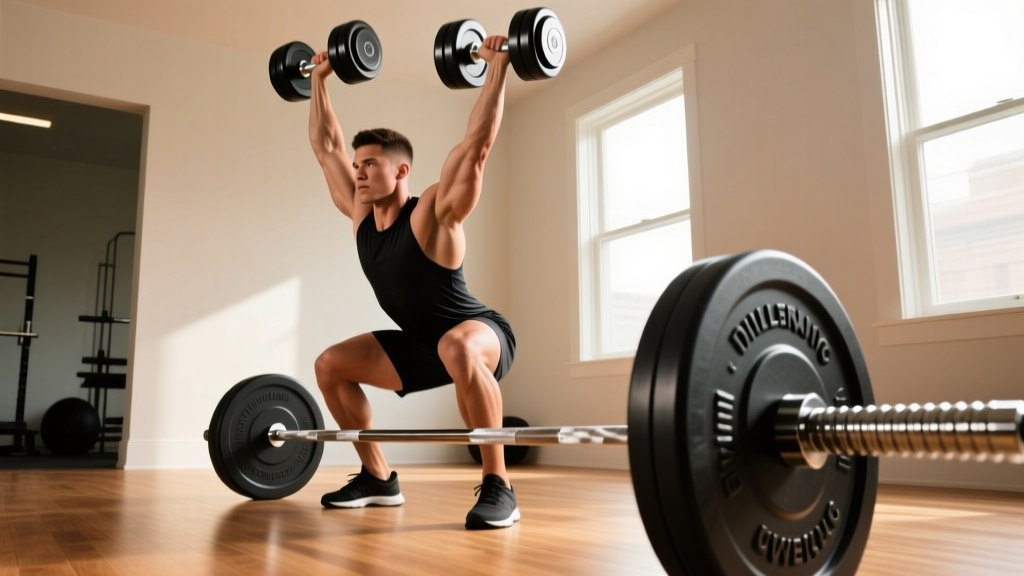
Power Cleans with Dumbbells: Mistakes & Barbell Knurling Guide
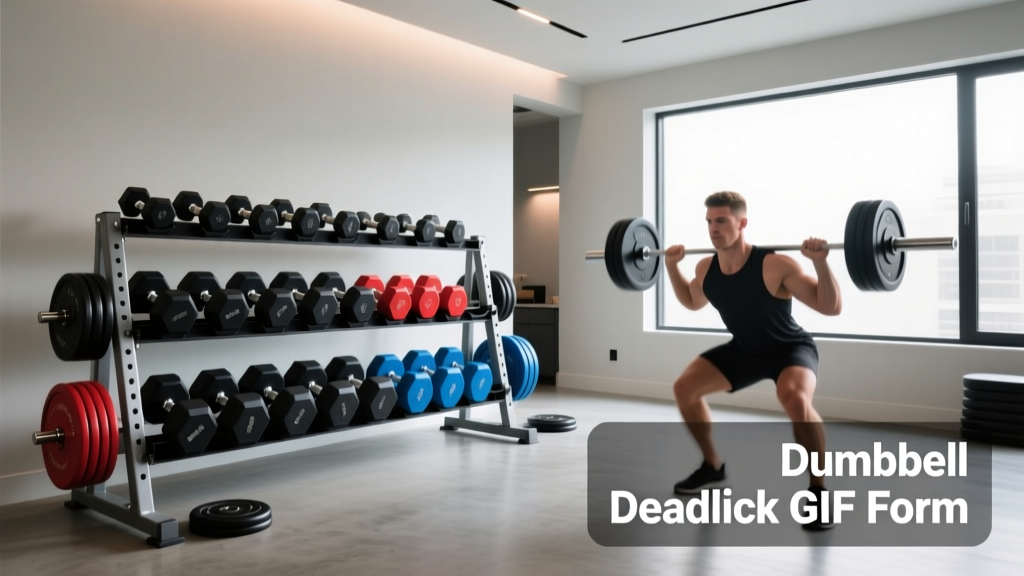
Dumbbell Rack Layouts: Space Design & Dumbbell Deadlift GIF Form
