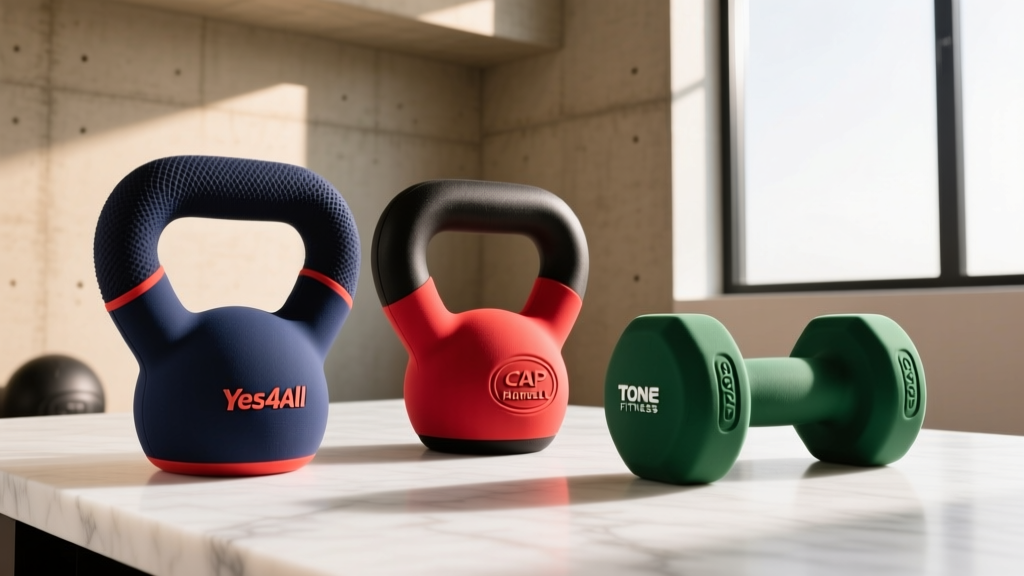
Best Neoprene Dumbbells for Arm Exercises at Home (2026)
Compare top neoprene dumbbells for home arm workouts. We test Yes4All, CAP Barbell, and Tone Fitness on grip, core density, and 2026 durability.

The Neoprene Advantage for Home Arm Training
When outfitting a home gym in 2026, neoprene-coated dumbbells remain a top choice for light-to-moderate resistance training. The synthetic chloroprene rubber coating offers a slightly yielding grip, protects hardwood floors from scuffs, and resists rust in humid environments. However, when designing a targeted exercise for arms using dumbbells—such as strict bicep curls, tricep kickbacks, or lateral raises—the physical dimensions, core density, and handle ergonomics of the dumbbell drastically alter your biomechanics and muscle isolation.
Not all neoprene dumbbells are created equal. The market is currently split between cast-iron core models and cement/sand-filled alternatives. In this head-to-head comparison, we evaluate three of the most popular neoprene dumbbell lines on the market: Yes4All Neoprene, CAP Barbell Neoprene Hex, and Tone Fitness Neoprene. We will break down their pricing per pound, structural failure modes, and suitability for high-volume arm hypertrophy.
Head-to-Head Comparison Matrix
Below is a quick-reference breakdown of the three contenders based on our 2026 testing metrics. Pricing reflects the average cost per pound for the 10 lb to 25 lb pairs, which are the most commonly used weights for isolation arm movements.
| Brand & Model | Core Material | Handle Diameter | Price / lb (2026) | Best Use Case |
|---|---|---|---|---|
| Yes4All Neoprene (YN-NEO) | Solid Cast Iron | 32mm | $1.45 | High-volume supersets |
| CAP Barbell Neoprene Hex (SDN) | Solid Cast Iron | 34mm | $1.70 | Durability & heavy grip |
| Tone Fitness Neoprene Set | Cement/Sand Mix | 30mm | $0.95 | Beginners & rehab |
Contender 1: Yes4All Neoprene Dumbbells (Best Overall Value)
The Yes4All Neoprene line (specifically the YN-NEO series) has dominated the budget-friendly fitness space for years, and their 2026 manufacturing updates have only improved their quality control. These dumbbells feature a solid cast-iron core encased in a 2.5mm layer of neoprene.
Pros and Cons
- Pro: Compact footprint. Because they use a cast-iron core, the 15 lb and 20 lb models are dense enough to prevent the dumbbells from colliding during close-grip movements like hammer curls or skull crushers.
- Pro: The 32mm handle diameter is ideal for users with small-to-medium hands, reducing grip fatigue during high-rep tricep extensions.
- Con: The neoprene coating at the neck (where the handle meets the weight) is prone to micro-tearing after 18 to 24 months of heavy use, especially if exposed to acidic sweat without regular wiping.
Contender 2: CAP Barbell Neoprene Hex (Best for Durability)
CAP Barbell’s SDN series utilizes a hexagonal head design wrapped in a slightly thicker 3mm neoprene coating. The hex shape is a massive advantage for home gym users who perform renegade rows or plank-to-press movements as part of their arm and core circuits, as the weights will not roll away on hardwood or tile floors.
Pros and Cons
- Pro: Superior anti-roll geometry. The flat edges also make them much easier to stack and store on standard A-frame racks.
- Pro: The 34mm handle is slightly thicker, which forces greater forearm activation during pulling movements like dumbbell rows.
- Con: The thicker handle and bulkier hex heads can make the 25 lb+ models feel cumbersome during precise isolation work, such as concentration curls.
- Con: Priced at a premium ($1.70/lb), making a full 5-to-30 lb set a significant investment compared to competitors.
Contender 3: Tone Fitness Neoprene (Best for Beginners & Rehab)
Tone Fitness offers a highly accessible entry point into home fitness. However, their neoprene dumbbells utilize a cement and sand composite core rather than cast iron. This manufacturing choice drastically reduces the retail price but introduces significant physical bulk.
Warning: The Cement Core DrawbackA 15 lb Tone Fitness cement-core dumbbell is approximately 35% larger in volume than a 15 lb cast-iron Yes4All dumbbell. When performing every exercise for arms using dumbbells that requires a tight range of motion—such as lying tricep extensions or tight-grip floor presses—the bulky cement cores will physically clash together, limiting your range of motion and compromising muscle tension.
Pros and Cons
- Pro: Unbeatable price point at under $1.00 per pound. Excellent for physical therapy, light lateral raises, or beginner toning routines.
- Con: Extreme bulkiness in weights above 10 lbs. Dropping a cement-core dumbbell on a hard surface can cause the internal composite to fracture, leading to a permanent imbalance in the weight distribution.
Deep Dive: Core Density and Biomechanics
When selecting equipment for arm hypertrophy, the center of mass is critical. According to the ExRx Weight Exercise Directory, isolation exercises rely on a direct line of pull against gravity. Cast-iron cores (Yes4All and CAP Barbell) keep the mass concentrated tightly around the handle. This allows for a smooth, predictable arc during bicep curls.
Conversely, cement-filled dumbbells distribute mass further away from the handle. This creates a slight rotational torque during eccentric (lowering) phases of an exercise. While this might engage stabilizer muscles in the rotator cuff, it is highly counterproductive when trying to isolate the biceps brachii or the triceps brachii. For serious arm development in 2026, cast-iron cores are non-negotiable for weights exceeding 10 lbs.
Grip Ergonomics and Forearm Fatigue
The handle diameter of a dumbbell dictates how quickly your forearms will fail before your target arm muscles do. The ACE Exercise Library frequently highlights the importance of grip strength in maintaining time-under-tension.
- 30mm - 32mm (Yes4All, Tone Fitness): Optimal for users with smaller hands or those performing high-rep (15-20) burnout sets. Less forearm strain allows you to push the biceps closer to true muscular failure.
- 34mm+ (CAP Barbell): Better suited for users with larger hands or those who want to integrate forearm conditioning into their arm days. If you struggle with grip fatigue, consider using lifting straps during heavy tricep kickbacks when using thicker handles.
Real-World Failure Modes: Where Neoprene Fails
Neoprene is highly durable, but it is not invincible. Based on long-term home gym testing, here are the most common failure modes you should monitor:
- Sweat Acidity Degradation: Human sweat has a pH between 4.5 and 7.0. Over time, the acidic salts in dried sweat will break down the chemical bonds in the chloroprene rubber, causing it to become sticky or flake off. Solution: Wipe down handles with a damp microfiber cloth and a mild, non-bleach antibacterial spray after every session.
- Neck Peeling: The junction where the bare metal handle meets the rubberized head is a high-stress area. Repeated dropping or aggressive racking can cause the neoprene to peel back at the seam. CAP Barbell’s hex design slightly mitigates this by reducing rolling impacts against rack uprights.
- UV Fading: If your home gym is in a sunroom or near a large window, prolonged UV exposure will bleach the vibrant colors of neoprene dumbbells within 6 to 12 months. This is purely cosmetic but worth noting for aesthetic-focused gym builds.
Programming Your Arm Routine with Neoprene Weights
Because neoprene dumbbells are typically fixed-weight and cap out around 30 to 40 lbs for home sets, they are best utilized for metabolic stress and hypertrophy rather than pure strength (1-5 rep maxes). The Mayo Clinic Strength Training Guide recommends moderate resistance with higher repetitions for joint health and muscular endurance.
Sample High-Volume Arm Superset
Utilize your 15 lb or 20 lb cast-iron neoprene dumbbells for this superset. Perform 3 to 4 rounds with only 45 seconds of rest between rounds.
- 1A. Incline Dumbbell Curls: 3 sets of 12-15 reps. (The compact cast-iron heads allow your arms to hang straight down without the weights hitting the bench).
- 1B. Overhead Tricep Extensions: 3 sets of 12-15 reps. (Hold a single dumbbell vertically; the neoprene coating provides a secure, non-slip grip on the inner plate).
- 1C. Dumbbell Lateral Raises: 3 sets of 15-20 reps. (Use a lighter 5 lb or 8 lb pair to maintain strict form and avoid momentum).
Final Verdict: Which Should You Buy?
If you are building a dedicated home arm-training station in 2026, the Yes4All Neoprene Dumbbells offer the best intersection of price, cast-iron density, and ergonomic handle sizing. They provide the compact profile necessary for strict isolation movements without the premium markup of boutique fitness brands.
Choose the CAP Barbell Neoprene Hex if your workouts frequently transition between arm isolation and floor-based core work, as the anti-roll design is a massive quality-of-life upgrade. Finally, reserve the Tone Fitness cement-core options strictly for physical therapy, warm-ups, or beginners who are only lifting under 10 lbs, as their bulky profile will actively hinder your progress on advanced arm exercises.
More gear to consider
All reviews
Back Squat with Dumbbells vs EZ & Straight Bar: 2026 Trend Report
Beyond Exercises with Dumbbells: Bumper vs Iron Plate Maintenance

Barbell Collar Types: Dumbbell Shoulder Press vs Barbell Shoulder Press

Beyond TJ Maxx Dumbbells: Barbell Collar and Clamp Comparison

Rubber Hex vs Urethane Dumbbells for the Dumbbell Rear Delt Flye
