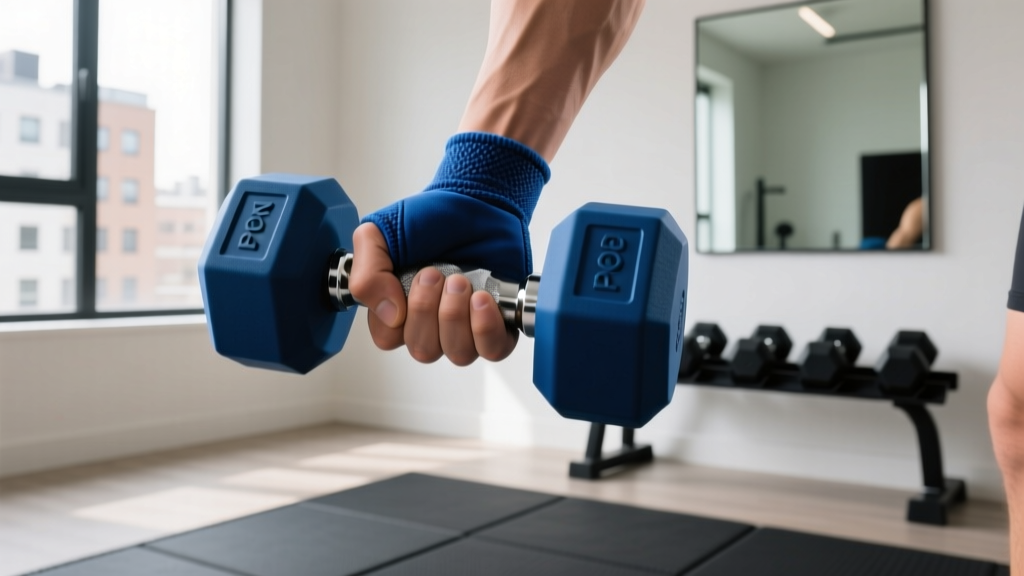
Mastering Dumbbell Raises: Beginner Guide for Neoprene Weights
Learn how to perform dumbbell raises safely at home. This beginner guide covers form, sets, and why neoprene coated dumbbells are best for home gyms.

The Ultimate Beginner's Guide to Dumbbell Raises with Neoprene Weights
If you are building a home gym or just starting your fitness journey, shoulder isolation movements are essential for building a balanced, resilient upper body. Among the most effective and accessible exercises are dumbbell raises. However, executing them correctly requires the right equipment and a solid understanding of shoulder biomechanics. For beginners training in a home environment, neoprene-coated dumbbells are widely considered the gold standard. This guide will walk you through the material benefits of neoprene, the exact biomechanics of the lateral and front raises, and a step-by-step framework to build your shoulders safely in 2026.
Why Neoprene Dumbbells Dominate the Home Gym
When shopping for free weights, you will typically encounter three main coatings: bare cast iron, rubber, urethane, and neoprene. Neoprene (a synthetic chloroprene rubber) offers a unique set of advantages specifically tailored for home users and beginners.
- Tactile Grip Security: Neoprene has a slightly porous, matte finish that absorbs light moisture. When performing high-rep sets of dumbbell raises, your hands will sweat. Unlike slick rubber or hard plastic, neoprene maintains a secure grip, reducing the risk of the weight slipping during the eccentric (lowering) phase.
- Floor and Equipment Protection: Home gyms are often situated on hardwood, laminate, or luxury vinyl plank (LVP) flooring. Neoprene is softer than urethane and cast iron, providing a forgiving exterior that protects your floors from accidental drops.
- Color-Coded Weight Scaling: Most manufacturers color-code neoprene dumbbells by weight increments (e.g., 5 lbs are red, 8 lbs are green, 10 lbs are black). This allows for seamless drop-sets and quick weight transitions without squinting at engraved numbers.
The Biomechanics of the Shoulder Joint
Before picking up the weights, you must understand the shoulder. The glenohumeral joint is a ball-and-socket joint with an incredible range of motion, but this mobility comes at the cost of inherent stability. The deltoid muscle is divided into three heads: anterior (front), lateral (side), and posterior (rear). Dumbbell raises primarily target the lateral and anterior heads.
According to ExRx.net's biomechanical database, the lateral raise isolates the lateral deltoid, which is responsible for shoulder abduction (lifting the arm away from the midline of the body). However, the shoulder joint is highly susceptible to impingement if the movement path is flawed. The acromion (a bony prominence on the shoulder blade) can pinch the rotator cuff tendons if the arm is raised in the wrong plane of motion.
Step-by-Step: The Scapular Plane Lateral Raise
The most common mistake beginners make is performing lateral raises directly out to the sides (the frontal plane). To protect your rotator cuff and maximize lateral deltoid activation, you must use the scapular plane (also known as the scaption plane).
- The Setup: Stand with your feet shoulder-width apart. Hold a light pair of neoprene dumbbells (start with 5 to 8 lbs per hand). Let your arms hang naturally at your sides with a slight bend in the elbows (about 10 to 15 degrees). Do not lock your elbows completely straight.
- The Alignment: Instead of raising the weights directly out to your sides, bring your hands about 30 degrees forward, aligning them with your shoulder blades. This is the scapular plane.
- The Concentric Phase: Exhale and raise the dumbbells outward and slightly forward. Lead with your elbows, not your hands. Imagine your elbows are being pulled toward the ceiling by a string.
- The Peak: Stop when your upper arms are parallel to the floor (shoulder height). Going higher shifts the tension away from the deltoids and onto the upper trapezius muscles.
- The Eccentric Phase: Inhale and slowly lower the weights back to the starting position over a count of 2 to 3 seconds. The neoprene coating will help you maintain your grip as fatigue sets in during this crucial muscle-building phase.
For decades, gym-goers were taught to internally rotate their shoulders at the top of a lateral raise (tilting the pinky finger up, like pouring a pitcher of water). Modern sports science has debunked this. Internal rotation combined with abduction severely narrows the subacromial space, drastically increasing the risk of shoulder impingement. Keep your knuckles facing the ceiling or slightly tilted outward (external rotation) throughout the entire movement.
Step-by-Step: The Front Dumbbell Raise
While the lateral raise builds shoulder width, the front raise targets the anterior deltoid, which assists in shoulder flexion.
- The Setup: Stand tall, holding the neoprene dumbbells in front of your thighs with a neutral grip (palms facing your body) or a pronated grip (palms facing down). The neutral grip is generally friendlier on the biceps tendon.
- The Movement: Keeping your core braced to prevent lower back arching, raise one dumbbell straight out in front of you until it reaches eye level.
- The Descent: Lower the weight under strict control. Avoid using momentum to swing the weight up. If you have to lean back to lift the weight, the dumbbell is too heavy.
Common Failure Modes and Troubleshooting
Even with the best gear, beginners often encounter specific roadblocks. Here is how to troubleshoot the most frequent issues:
| Issue | Root Cause | The Fix |
|---|---|---|
| Pain at the top of the shoulder | Subacromial impingement due to raising arms in the pure frontal plane or internal rotation. | Shift to the 30-degree scapular plane and maintain a neutral or slightly external wrist position. Consult Mayo Clinic's guidelines on shoulder impingement if pain persists. |
| Upper traps taking over | Lifting the weight past shoulder height or using too heavy a dumbbell. | Drop the weight by 2-5 lbs. Stop the concentric phase exactly when the elbow reaches shoulder height. |
| Lower back arching | Lack of core engagement or attempting to use momentum to lift the weight. | Squeeze your glutes and brace your abs before initiating the raise. Perform the exercise seated on a bench if standing core control is failing. |
Your First 4-Week Dumbbell Raise Routine
To build a foundation without overtaxing the delicate shoulder joint, follow this progressive overload matrix. Perform this routine twice a week, leaving at least 48 hours of rest between sessions.
| Week | Exercise | Sets x Reps | Rest | Recommended Neoprene Weight (Per Hand) |
|---|---|---|---|---|
| 1 | Scapular Lateral Raise | 3 x 10 | 60 sec | 3 - 5 lbs |
| 1 | Neutral Front Raise | 2 x 10 | 60 sec | 5 - 8 lbs |
| 2 | Scapular Lateral Raise | 3 x 12 | 60 sec | 3 - 5 lbs |
| 2 | Neutral Front Raise | 3 x 10 | 60 sec | 5 - 8 lbs |
| 3 | Scapular Lateral Raise | 3 x 12 | 45 sec | 5 - 8 lbs (Bump up) |
| 3 | Neutral Front Raise | 3 x 12 | 45 sec | 8 - 10 lbs |
| 4 | Lateral Raise Drop-Set | 3 x 10 + Failure | 90 sec | 8 lbs -> drop to 5 lbs |
Gear Spotlight: Top Neoprene Dumbbells for Home Use
If you are ready to invest in your home gym, here is a quick breakdown of the most reliable neoprene options available on the market today:
- CAP Barbell Neoprene Hex Dumbbell: The industry workhorse. The hexagonal head prevents rolling on hard floors, and the contoured chrome handle provides an excellent ergonomic grip. Best for users who want a traditional gym feel at home.
- Yes4All Neoprene Coated Dumbbells: Slightly more budget-friendly, these feature a very aggressive color-coding system and a textured neoprene coating that excels in sweat absorption. The handles are slightly thinner, making them ideal for users with smaller hands.
- Amazon Basics Neoprene Dumbbell Weights: A solid entry-level choice. While the hex-shape is less pronounced than the CAP Barbell, the price-per-pound ratio is highly competitive for beginners outfitting their first home gym rack.
Final Thoughts on Shoulder Health
Mastering dumbbell raises is about patience and precision, not ego lifting. The shoulder joint is incredibly complex, and the neoprene dumbbell is the perfect tool to help you navigate this learning curve safely. Its forgiving grip, floor-safe exterior, and accessible weight increments allow you to focus entirely on the mind-muscle connection. Stick to the scapular plane, respect the eccentric portion of the lift, and your shoulders will grow stronger, wider, and more resilient for years to come.
More gear to consider
All reviews
Flying With Dumbbells? The Loadable Plate Budget Breakdown

Barbell vs Dumbbell Rows: Olympic Barbell Knurling & Weight

Hex vs Urethane Dumbbells: Gym Layouts & Arnold Press GIF Tips

EZ Bar vs Straight Bar: Space Layouts & Frontal Raises Dumbbell Guide
2026 Budget Breakdown: Bumper vs Iron Plates & Dumbbell Lat Raises