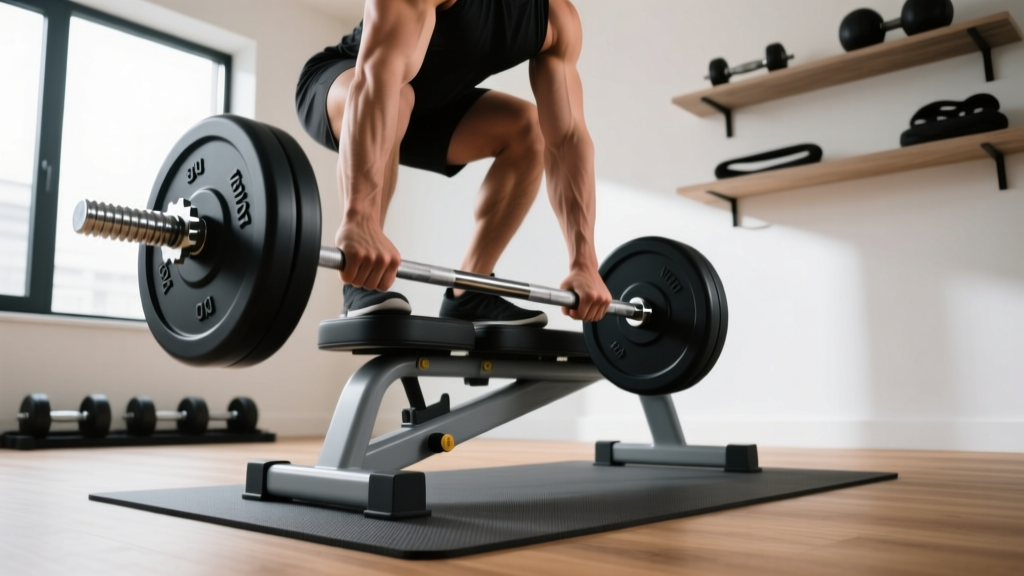
Maintaining Kettlebells and Gear for Dumbbell Bench Press Workouts
Learn expert maintenance tips for cast iron vs competition kettlebells and protecting gear used in heavy dumbbell bench press workouts for maximum longevity.

The Free-Weight Ecosystem: Beyond the Rack
Building a premium home gym in 2026 requires a significant financial investment, but preserving that investment demands an ongoing commitment to equipment maintenance. While most lifters obsess over their barbell knurling or power rack bolt integrity, the nuanced care required for kettlebells and heavy dumbbells is frequently overlooked. Whether you are navigating a comprehensive kettlebell buying guide to decide between cast iron vs competition models, or you are trying to protect the expensive urethane dumbbells used in your daily dumbbell bench press workouts, understanding material science and degradation patterns is critical.
The National Strength and Conditioning Association (NSCA) emphasizes that facility and equipment longevity is directly tied to proactive, material-specific maintenance protocols. In this guide, we break down the exact chemical, mechanical, and environmental threats to your free weights, providing a masterclass in preserving cast iron, competition steel, and high-density urethane.
Kettlebell Buying Guide: Cast Iron vs. Competition Maintenance Realities
When researching a kettlebell buying guide, the choice between cast iron and competition kettlebells usually centers on dimensions and intended use. However, from a longevity and maintenance perspective, these two categories require vastly different care regimens.
Cast Iron Kettlebells (Powder-Coated & Enamel)
Standard cast iron kettlebells, such as the popular powder-coated lines from Rogue Fitness, feature a textured finish designed to grip chalk and resist slipping. The primary vulnerability here is moisture entrapment. The microscopic pores in powder coating trap dead skin, sweat, and magnesium carbonate (chalk). Over time, this creates a localized acidic environment that breaches the coating, leading to subsurface oxidation (rust).
- The Fix: Use a stiff nylon brush (never wire, which damages the powder coat) and a 50/50 white vinegar-water solution weekly to dissolve chalk buildup.
- Handle Care: If the handle becomes overly slick or develops surface rust, use 220-grit sandpaper to gently buff the horn. Follow up with a microfiber cloth and a light application of mineral oil to seal the bare iron.
Competition Kettlebells (Solid Steel & Color-Coded)
Competition kettlebells adhere to strict global dimensions (e.g., a 35mm handle diameter and uniform bell size regardless of weight). Organizations like StrongFirst rely on these standardized dimensions for technique consistency. The bodies are typically painted steel, while the handles are often bare, polished steel or lightly zinc-plated.
- The Vulnerability: The painted bodies are prone to chipping when they collide with other steel bells during double kettlebell front squats or snatches. The bare steel handles, while offering superior grip, will flash-rust within 48 hours if exposed to high humidity and sweat without intervention.
- The Fix: Wipe the handle with a dry towel immediately post-workout. For the painted bodies, avoid dropping them onto bare concrete; use horse-stall mats (minimum 3/4-inch thickness) to absorb the kinetic shock and prevent enamel micro-fractures.
Never use liquid chalk on bare steel competition kettlebell handles. The rosin and alcohol base dries out the steel and creates a hardened residue that requires aggressive scraping to remove, inevitably scratching the surface and inviting rust. Stick to high-quality magnesium carbonate block chalk, and brush it out after every session.
Protecting Dumbbells for Heavy Dumbbell Bench Press Workouts
Transitioning from kettlebells to dumbbells, the maintenance challenges shift from impact-chipping to weld-stress and coating degradation. When executing heavy dumbbell bench press workouts, the repeated friction of the knurled handles against calloused palms, combined with the acidic nature of sweat (pH 4.5-6.0), creates a highly corrosive environment for the handle.
Furthermore, the mechanics of the dumbbell bench press often involve the 'knee-kick' technique to get heavy weights into position, or dropping the dumbbells to the floor upon failure. While high-quality urethane dumbbells (like those from REP Fitness or Eleiko) are engineered to withstand significant abuse, repeated eccentric drops onto hard surfaces will eventually cause the urethane to delaminate from the steel core.
Knurling and Handle Preservation
The knurling on premium dumbbells is designed to provide tactile feedback without tearing the skin. However, the valleys of the knurling act as magnets for sebum (skin oils) and environmental dust.
- Weekly Brushing: Use a brass wire brush to scrub the handles. Brass is softer than the zinc or chrome plating typically used on dumbbell handles, meaning it will dislodge grime without stripping the protective coating.
- Neutralization: Spray a pH-neutral gym wipe or a diluted Simple Green solution onto a cloth (never directly onto the handle, where it can seep into the weld joint) and wipe down the steel.
- Lubrication: Once a month, apply a few drops of 3-IN-ONE oil or food-grade mineral oil to the knurling, working it in with a stiff brush, and wipe away the excess. Avoid WD-40, which acts as a solvent and attracts dust.
Material Vulnerability & Care Matrix
To streamline your gym maintenance routine, reference this matrix to ensure you are using the correct agents for your specific free weights.
| Equipment Type | Primary Material | Biggest Threat | Approved Cleaning Agent | Restorative Action |
|---|---|---|---|---|
| Cast Iron KB | Powder-Coated Iron | Chalk/Moisture Trapping | Diluted White Vinegar | 220-grit sanding + Mineral Oil |
| Competition KB | Polished Steel / Paint | Flash Rust / Enamel Chipping | Dry Microfiber / Alcohol | Automotive touch-up paint for chips |
| Hex Dumbbells | Rubber / Zinc-Plated Steel | UV Degradation / Sweat Corrosion | pH-Neutral Soap & Water | Brass brushing + 3-IN-ONE Oil |
| Pro Dumbbells | Urethane / Chrome Steel | Delamination from Drops | Gym Wipes (Non-Bleach) | Polyurethane glue for minor edge splits |
The 2026 Longevity Protocol: Step-by-Step
Implementing a structured maintenance schedule is the difference between replacing your free weights every three years versus passing them down to the next generation. Follow this tiered protocol to maximize your equipment's lifespan.
Daily: The Micro-Wipe
Keep a bucket of pH-neutral cleaner and microfiber towels near your rack. Immediately after finishing your dumbbell bench press workouts or kettlebell swings, wipe down the handles. Sweat contains urea and lactic acid; leaving it on bare or plated steel for more than 12 hours initiates the oxidation process.
Weekly: The Deep Extract
Take your brass brush and nylon scrubbers to the gym floor. Extract the compacted chalk from the kettlebell horns and the dead skin from the dumbbell knurling. Inspect the weld joints on your hex dumbbells. If you notice any hairline fractures in the weld bead where the handle meets the head, retire the dumbbell immediately. A snapped weld during a heavy pressing movement poses a catastrophic injury risk.
Bi-Annual: The Reset
Twice a year (typically in spring and late autumn), perform a full reset. Sand down any rust spots on your cast iron kettlebells and re-oil them. For urethane dumbbells, inspect the edges for micro-tears. If your dumbbells are stored in a garage or shed, ensure the ambient humidity is controlled; urethane is highly susceptible to hydrolysis (chemical breakdown from moisture) in environments where humidity consistently exceeds 70%.
When to Retire Your Free Weights
Even with impeccable care, all gym equipment has a finite lifespan. Knowing when to pull a piece of gear from rotation is a vital safety skill. Retire cast iron kettlebells if the handle develops deep pitting that cannot be sanded smooth, as this will tear your palms during high-rep snatches. For dumbbells used in heavy dumbbell bench press workouts, if the rubber coating begins to flake or emit a persistent, noxious off-gassing odor (a sign of severe chemical breakdown due to UV and ozone exposure), it is time to upgrade to virgin urethane. By respecting the material limits and adhering to these targeted maintenance protocols, your free weight arsenal will remain safe, aesthetically pristine, and functionally perfect for decades.
More gear to consider
All reviews
Barbell Collar Setup: Clamp Types for Your Dumbbell Full Arm Workout
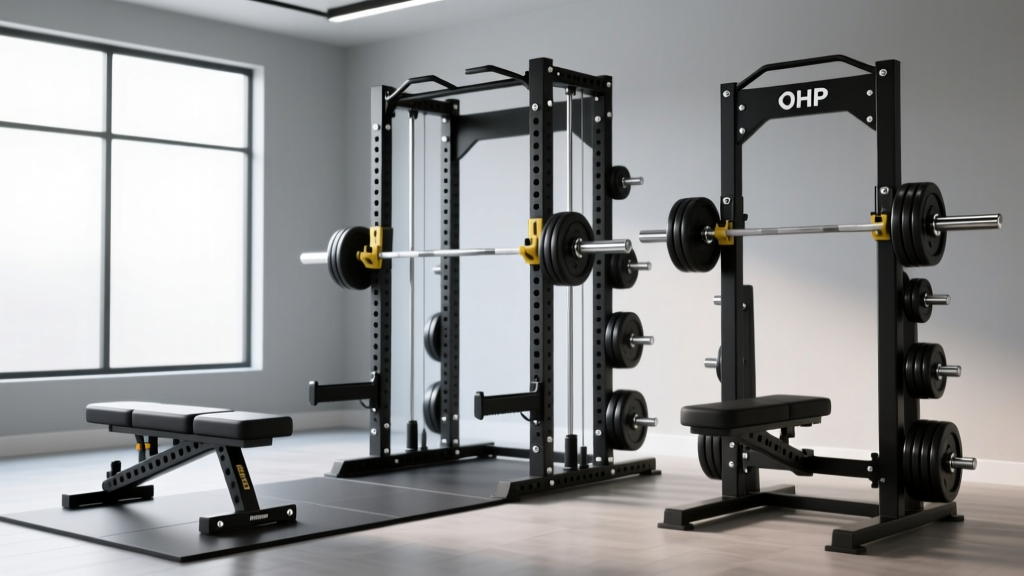
Rack Setup Guide: Squat Stands vs Power Racks for Dumbbell OHP

Stability Ball Dumbbell Bench Press vs Kettlebell Budget Breakdown

Optimizing Gym Layouts: Dumbbell Racks to Perfect Your Upward Fly
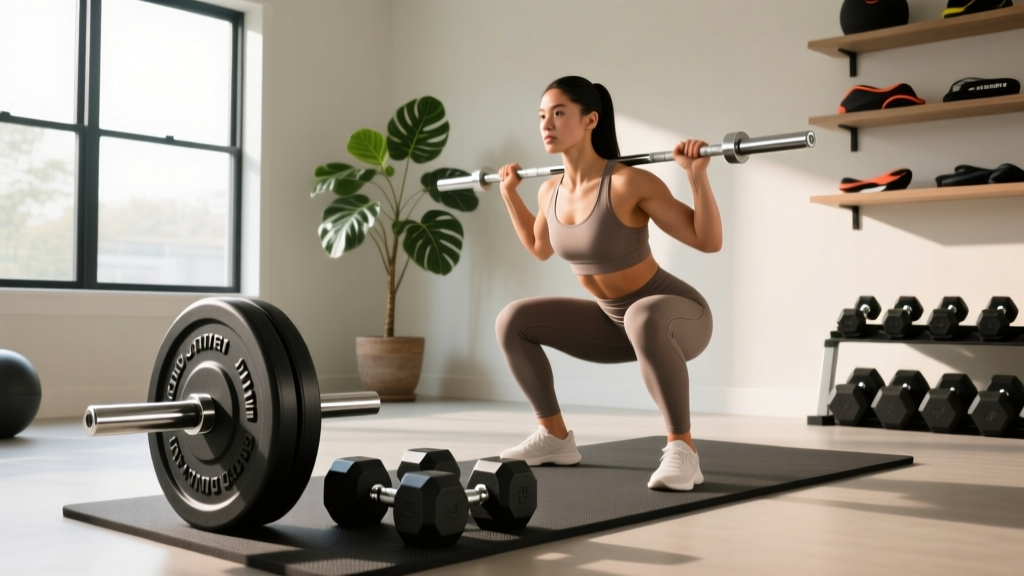
Gym Setup: Barbell Knurling & Dumbbell Goblet Squat Form