
EZ Bar vs Straight Bar & Face Pull Dumbbell Alternative Care
Compare EZ curl bar vs straight bar for joint health, master the face pull dumbbell alternative, and learn expert equipment maintenance for longevity.

The Intersection of Biomechanics and Equipment Longevity
When building a sustainable training environment in 2026, longevity must be viewed through a dual lens: the biomechanical preservation of your joints and the physical maintenance of your free weights. Selecting the right implement for the right movement pattern minimizes connective tissue wear, while proper cleaning and storage protocols ensure your steel investments outlast decades of heavy use. This guide breaks down the critical differences between the EZ curl bar and the straight barbell, explores joint-saving alternatives for rear-delt work, and provides a meticulous maintenance protocol for your gear.
EZ Curl Bar vs. Straight Bar: Joint and Steel Longevity
The debate between the EZ curl bar and the straight barbell is often reduced to muscle isolation, but from a longevity perspective, it is primarily about wrist and elbow biomechanics. A standard Olympic straight bar, such as the Rogue Ohio Power Bar, features a 29mm shaft diameter and forces the wrists into full supination. During heavy bicep curls, this locked position can place excessive valgus stress on the medial elbow and compress the triangular fibrocartilage complex (TFCC) in the wrist.
The Biomechanical Advantage of the EZ Bar
The EZ curl bar introduces angled grips—typically set at 15-degree and 45-degree offsets. This allows for a semi-supinated grip that aligns more naturally with the radioulnar joint. According to biomechanical analyses of upper extremity lifting, reducing the degree of forced supination significantly decreases torque on the distal radioulnar joint, making the EZ bar the superior choice for lifters with a history of wrist impingement or elbow tendonitis. Furthermore, high-quality EZ bars utilize a 28mm shaft, which improves grip ergonomics for smaller hands, reducing forearm fatigue during high-volume hypertrophy blocks.
Expert Insight: While the EZ bar is superior for joint longevity during curls, the straight bar remains essential for heavy compound pressing and squats. Do not replace your straight bar; rather, designate the EZ bar strictly for isolation movements and overhead triceps extensions to preserve elbow health.The 2026 Maintenance Protocol for Barbells
Equipment longevity is dictated by how well you manage oxidation and sleeve friction. According to BarBend's barbell maintenance guidelines, neglecting knurling care leads to chalk and dead skin buildup, which traps moisture and accelerates rust from the inside out. Here is the exact protocol to maintain both EZ and straight bars.
Step-by-Step Knurling and Sleeve Care
- Dry Brushing (Weekly): Use a stiff nylon brush to aggressively scrub the knurling. Never use a brass or steel wire brush on Cerakote or black oxide finishes, as this will strip the protective coating and expose bare carbon steel to oxygen.
- Deep Cleaning (Monthly): Apply a few drops of mild dish soap to a damp microfiber cloth and wipe down the shaft. Dry immediately with a separate towel to prevent flash rusting.
- Sleeve Lubrication (Bi-Annually): Most modern barbells use either bronze bushings or needle bearings. Apply 3-5 drops of 3-IN-ONE Multi-Purpose Oil or a specialized synthetic barbell oil to the sleeve seam. Rotate the sleeve 10 times to distribute the lubricant. Warning: Never use WD-40; it is a solvent that will strip the factory-applied lithium grease from the internal bearings.
Shoulder Preservation: The Face Pull Dumbbell Alternative
Just as the EZ bar saves your wrists, modifying your pulling movements can save your rotator cuff. The cable face pull is a staple for rear deltoid and external rotator health. However, in busy commercial gyms or home setups where cable machines are either occupied or subject to heavy wear-and-tear, mastering a face pull dumbbell alternative is essential for maintaining shoulder longevity without monopolizing equipment.
Executing the Bent-Over Dumbbell Face Pull
To replicate the horizontal pulling and external rotation of a cable face pull using free weights, you must manipulate your torso angle. The Cleveland Clinic notes that balanced rotator cuff strength is vital for preventing shoulder impingement, making this alternative a non-negotiable for overhead athletes.
- The Setup: Hinge at the hips to a 45-to-60-degree angle. Maintain a neutral spine. Hold a pair of light hex or neoprene dumbbells (10 to 25 lbs maximum) with a neutral grip (palms facing each other).
- The Pull: Drive your elbows high and wide, pulling the dumbbells toward your ears, not your chest.
- The Rotation: At the peak of the movement, actively externally rotate your shoulders so the dumbbells are in line with your ears, mimicking the end-range of a cable face pull.
- Tempo: Use a 2-0-2-1 tempo (2 seconds pulling, 0 second pause, 2 seconds lowering, 1 second hold at the top) to eliminate momentum and maximize time under tension for the infraspinatus and teres minor.
Equipment Wear Comparison Matrix
| Feature | Cable Machine Face Pull | Face Pull Dumbbell Alternative |
|---|---|---|
| Equipment Wear & Tear | High (frays ropes, stresses pulleys) | Minimal (standard hex dumbbells) |
| Tension Profile | Constant throughout ROM | Gravity-dependent (peaks at 90°) |
| Setup Time | 2-3 minutes (adjusting pins/ropes) | Under 30 seconds |
| Core Stabilization Demand | Low to Moderate | High (requires isometric hinge) |
Environmental Controls and Storage Solutions
The lifespan of your free weights is inextricably linked to your training environment. Carbon steel and even lower-grade stainless steels will oxidize if exposed to high humidity and sweat acidity. To maximize the longevity of your EZ bars, straight bars, and dumbbell racks, implement the following environmental controls:
Humidity and Airflow Management
Maintain your home gym or garage training space at a relative humidity (RH) level between 40% and 50%. If you live in a coastal or high-humidity region, running a commercial-grade dehumidifier is not optional; it is a requirement to prevent micro-rust from forming in the knurling valleys. Furthermore, never store your barbells directly on a concrete floor, which wicks moisture. Use a vertical barbell storage rack or a horizontal gun rack with UHMW plastic liners to prevent the steel sleeves from scratching and exposing bare metal.
"Sweat contains high concentrations of sodium chloride, which acts as a rapid catalyst for iron oxidation. Wiping down your straight bar and EZ curl bar with a dry microfiber cloth immediately after your session removes this saline layer, effectively doubling the time between necessary deep-cleanings."
Frequently Asked Questions (FAQ)
How often should I oil my EZ curl bar sleeves?
For a barbell used 3-4 times a week in a climate-controlled environment, oiling the sleeves every 3 to 4 months is sufficient. If the bar is kept in a garage gym with fluctuating temperatures, increase this frequency to once a month.
Can I use the face pull dumbbell alternative for heavy strength work?
No. The rear deltoids and external rotators are small, endurance-oriented muscle groups. The dumbbell alternative should be performed strictly in the 12-20 rep range with light to moderate weights (10-25 lbs). Attempting heavy loads will cause the trapezius and biceps to take over, defeating the purpose of the joint-longevity exercise.
Does the finish on a straight bar affect maintenance?
Absolutely. Bare carbon steel requires weekly oiling. Black oxide requires monthly oiling. Hard chrome and stainless steel require very little oiling but still demand regular nylon brushing to clear dead skin and chalk from the knurling to prevent localized corrosion.
More gear to consider
All reviews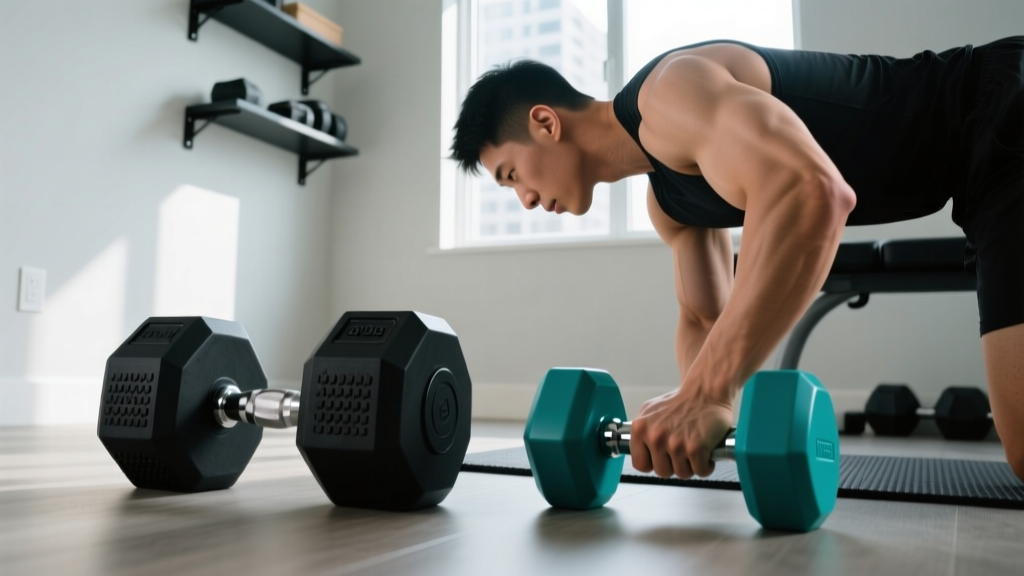
Single Arm Dumbbell Row Form: Rubber Hex vs Urethane in Small Gyms
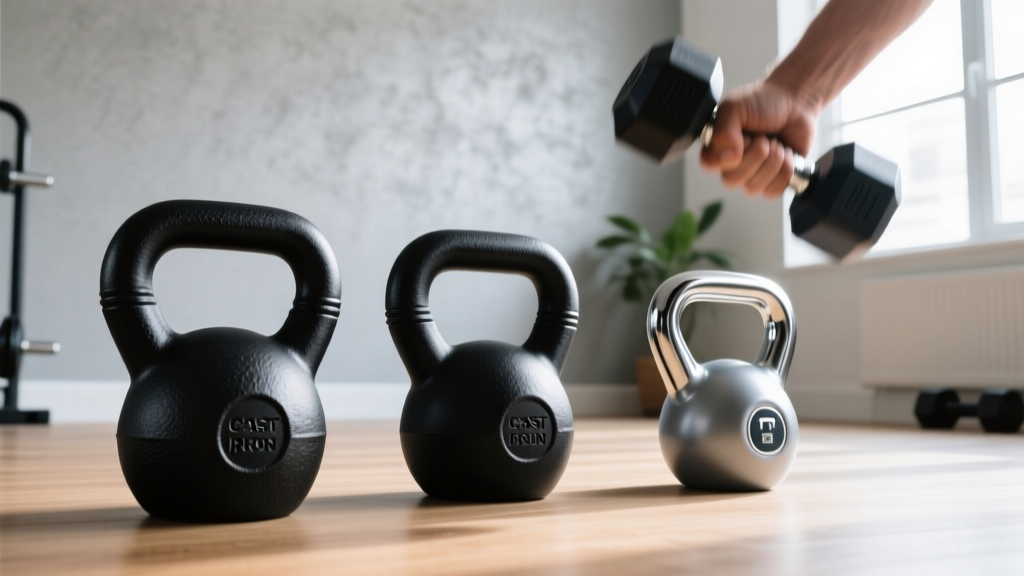
Cast Iron vs Competition: Beyond How to Train Triceps with Dumbbells

Dumbbell to Barbell Bench Conversion: Squat vs Power Rack

Dig Deeper Shaun T Workout Dumbbell Tracker: Olympic vs Standard
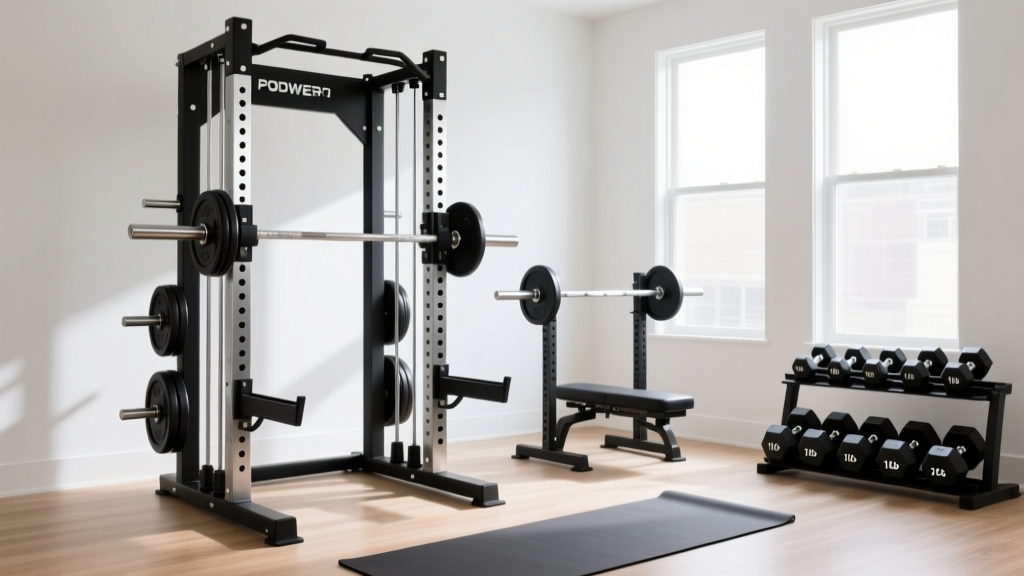
Power Rack vs Squat Stand Setup for Bodyweight and Dumbbell Workout
