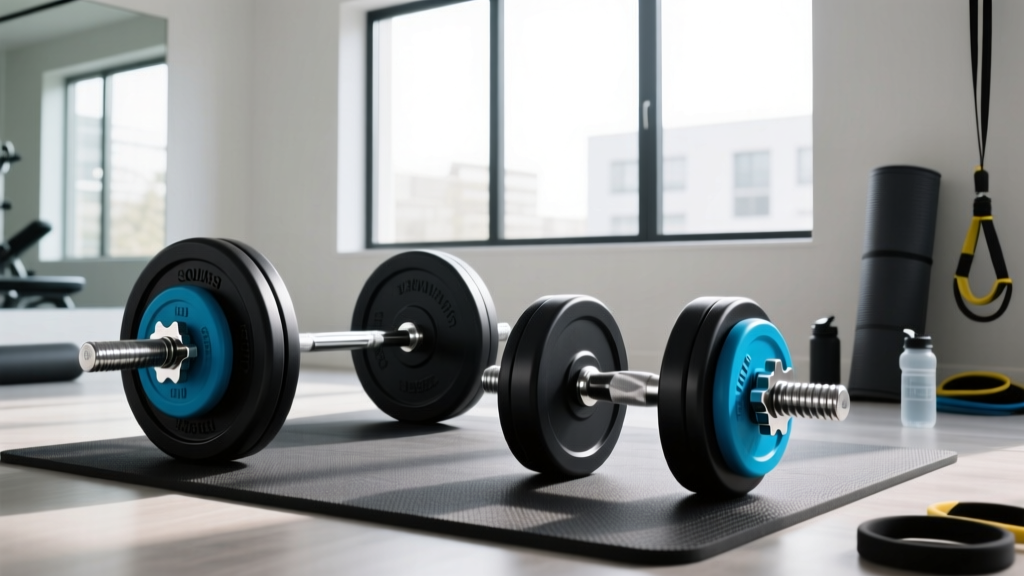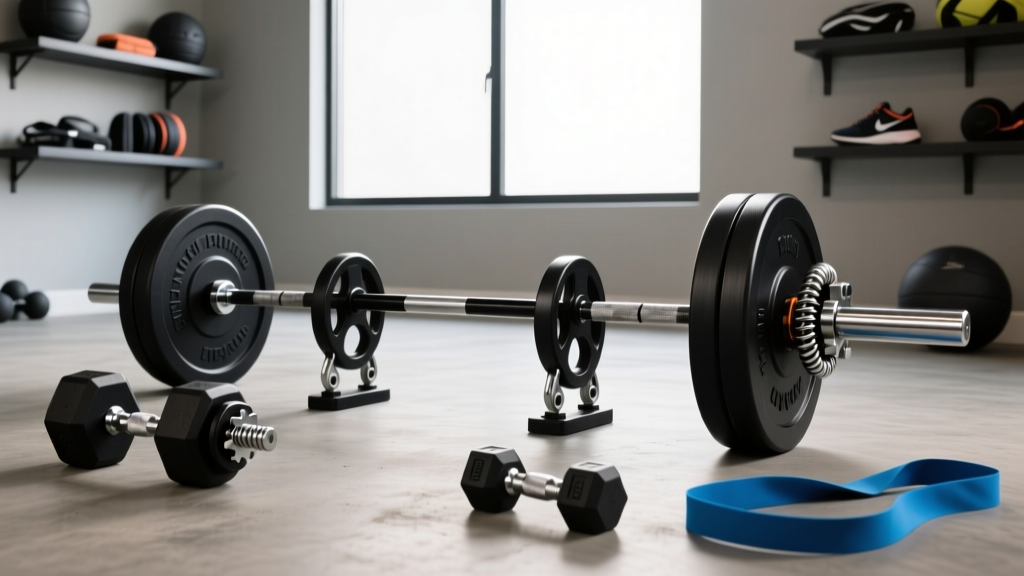
Beyond 6 lbs Dumbbells: Barbell Collar & Clamp Comparison
Transitioning from 6 lbs dumbbells to heavy barbells? Compare spring, clamp, lever, and magnetic barbell collars to secure your lifts safely in 2026.

The Progression: From 6 lbs Dumbbells to Loaded Sleeves
Every strength journey has a starting line. For many, that begins with rehabilitation, mobility work, or light isolation using 6 lbs dumbbells. These lightweight tools are phenomenal for rotator cuff warm-ups, physical therapy, and high-repetition endurance work. However, as your central nervous system adapts and your connective tissues strengthen, the natural progression leads you to the barbell. When you transition from the controlled, fixed nature of light dumbbells to the dynamic, heavy loading of a 7-foot Olympic barbell, the physics of your training change drastically.
One of the most critical, yet frequently overlooked, safety components in this transition is the barbell collar. According to the National Strength and Conditioning Association (NSCA), failing to properly secure weight plates is a leading cause of preventable gym accidents, particularly during asymmetrical or dynamic lifts. Whether you are loading up for a heavy deadlift or using plate-loaded dumbbell adapter handles to create heavy custom dumbbells, understanding the mechanics of collars and clamps is non-negotiable for your safety in 2026.
The Anatomy of a Secure Lift: Why Collars Matter
A standard Olympic barbell sleeve is 50mm in diameter and typically offers 16.3 inches of loadable space. When you perform a lift, the barbell bends (whips) and rotates. If the plates are not locked tightly against the inner lip of the sleeve, they will shift. This shifting creates a kinetic imbalance. A 45-pound plate sliding just two inches outward during a back squat alters the bar's center of gravity, generating massive torque that can easily blow out a knee or lumbar disc.
⚠️ Safety Warning: The Adapter Handle TrapMany lifters who outgrow 6 lbs dumbbells but aren't ready for a full barbell buy plate-loaded dumbbell adapter handles. These short bars require collars just as much as full barbells. Because the sleeves are shorter, the leverage applied to the collar during a heavy dumbbell press is immense. Never use worn spring clips on adapter handles; the rotational force will pop them off.
Comprehensive Barbell Collar & Clamp Comparison Matrix
To help you navigate the market, we have tested and categorized the primary collar mechanisms available today. Below is our 2026 comparison matrix detailing grip strength, durability, and ideal use cases.
| Collar Type | Top Model Example | Avg Price (Pair) | Grip Mechanism | Drop-Test Durability | Best Use Case |
|---|---|---|---|---|---|
| Spring Clips | Generic Chrome Clips | $8 - $15 | Steel Tension | Low | Light isolation, quick changes |
| Clamp Collars | Rogue HG 2.0 / Lock-Jaw | $30 - $45 | TPU Rubber Pad + Lever | High | Powerlifting, CrossFit, General Gym |
| Lever / Spin-Lock | Eleiko Olympic Locking | $90 - $130 | Threaded Steel / Cam | Extremely High | Olympic Weightlifting, Competition |
| Magnetic Quick-Release | Angry Snail / Ader | $40 - $60 | Neodymium Magnets + Snap | Medium | High-volume conditioning, WODs |
Deep Dive: Evaluating the Top 4 Collar Mechanisms
1. Spring Clips (The Traditional Standard)
The classic 90-degree spring clip is a staple in commercial gyms. They operate via metal tension, requiring you to squeeze the handles to expand the inner diameter, then slide them onto the 50mm sleeve.
The Failure Mode: Over time, metal fatigue reduces the tension. Furthermore, if your barbell sleeves are heavily scratched or coated in chalk, the smooth steel of the spring clip will slide right off during a dynamic movement like a push press. They are fine for bench presses where the bar remains relatively level, but they are highly discouraged for snatches or cleans.
2. Clamp Collars (The Modern Workhorse)
Clamp collars, popularized by brands like Lock-Jaw and Rogue Fitness, use a hard ABS plastic or aluminum body with a high-durometer TPU rubber inner pad. When you snap the lever shut, it compresses the rubber pad against the steel sleeve, creating immense friction.
Expert Insight: Look for clamps that weigh at least 0.5 lbs each. The added mass helps dampen barbell vibration. The primary edge case for failure here is user error: if a bumper plate is not pushed completely flush against the inner sleeve lip before clamping, the collar will hold the plate in place, but the plate will still rattle and shift inward during heavy drops.
3. Lever-Lock & Spin-Lock (The Competition Standard)
If you are stepping onto a platform, you need IWF-certified lever-lock collars. These heavy steel collars (weighing exactly 2.5kg each) use a threaded cam or a locking lever that bites directly into the sleeve or applies thousands of pounds of clamping force.
The Verdict: While they cost upwards of $110, they are virtually indestructible. They eliminate all lateral plate movement, ensuring the barbell's whip and spin characteristics remain perfectly symmetrical. For the home gym lifter doing heavy squats, they are a luxury, but for competitive weightlifters, they are mandatory.
4. Magnetic & Quick-Release (The Innovators)
The newest entry to the market utilizes high-grade neodymium magnets combined with a snap-fit polymer shell. You simply press them onto the end of the sleeve, and the magnets align the collar while the inner lip snaps into the sleeve's groove.
The Trade-off: As highlighted in expert reviews by BarBend, magnetic collars offer unparalleled speed for high-intensity interval training where every second counts. However, if dropped from overhead at extreme angles, the sheer kinetic shock can occasionally break the magnetic seal, making them less ideal for max-effort Olympic lifts.
Edge Cases: Standard vs. Olympic Sleeves
A common mistake lifters make when transitioning from lightweight fixed dumbbells to adjustable plate-loaded equipment is buying the wrong collar size. Standard barbells and dumbbell handles have 1-inch (25mm) sleeves. Olympic equipment has 2-inch (50mm) sleeves. A standard spring clip will slide right off an Olympic bar, and an Olympic clamp will not close on a standard bar. Always verify your sleeve diameter. If you are using plate-loaded dumbbell handles to simulate heavy dumbbell work (since buying a full rack of 100 lb dumbbells is cost-prohibitive), invest in dedicated 1-inch Lock-Jaw clamps to ensure your wrists aren't compromised by shifting plates.
Final Verdict: Matching the Collar to Your Training Style
- For the Home Gym Generalist: Buy two pairs of premium Clamp Collars (like Rogue HG 2.0). They offer 95% of the security of competition collars at 25% of the price.
- For the Olympic Weightlifter: Invest in a pair of Eleiko or Werksan Spin-Lock collars. The rotational forces of the snatch demand zero-slip security.
- For CrossFit / Conditioning: Keep a pair of magnetic quick-release collars on hand for AMRAP workouts where transition speed is critical.
- For Rehab & Warmups: If you are still utilizing your 6 lbs dumbbells for mobility or light plate-loaded adapter handles, standard spring clips or small 1-inch screw clamps are perfectly adequate, provided you inspect them for metal fatigue every six months.
Frequently Asked Questions (FAQ)
Do I need to collar my barbell for the bench press?
Yes. While the barbell remains relatively horizontal during a bench press, an uneven unrack or a slight tilt when re-racking can cause a 45lb plate to slide off one side. This creates a catapult effect that can dump the remaining weight onto your chest or neck. Always use collars, even for light warm-up sets.
Can I use Olympic collars on a standard 1-inch barbell?
No. Olympic collars are designed specifically for 50mm sleeves. Attempting to use them on a 25mm standard bar will result in a loose fit that provides zero clamping force, creating a severe safety hazard.
How often should I replace my plastic clamp collars?
High-quality ABS plastic and TPU rubber clamps should last 3 to 5 years in a standard home gym environment. However, if you frequently drop the barbell from overhead and the plastic housing develops hairline fractures or the lever hinge becomes loose, replace them immediately to prevent mid-lift failure.
More gear to consider
All reviews
Dumbbell Curl Strength Standards: Olympic vs Standard Plate Guide
Bumper Plate vs Iron Plate: Budgeting for Incline Dumbbell Chest Flys
Bumper vs Iron Plates: Gym Layouts and Dumbbell Chest Presses

How to Make Dumbbells and Kettlebells Last: Cast Iron vs Competition

Zone Setup: Neoprene Gear for HIIT Dumbbell Exercises