
Dumbbell Rack Storage Maintenance: Surviving the Dumbbell Skier Swing
Learn how to maintain dumbbell racks and storage solutions against the high-impact drops and lateral forces generated by dumbbell skier swing circuits.

The Biomechanical Toll of the Dumbbell Skier Swing on Gym Equipment
When programming for posterior chain endurance and cardiovascular conditioning, the dumbbell skier swing has become a staple in both commercial and home gyms. This dynamic, high-momentum movement mimics the lateral and backward force generation of cross-country skiing. However, from an equipment longevity perspective, it is one of the most destructive exercises you can program.
Unlike a controlled Romanian deadlift or a strict bicep curl, the dumbbell skier swing generates massive lateral kinetic energy. By the end of a high-rep set, user fatigue compromises spatial awareness and grip control. Dumbbells are rarely "placed" back on the rack; they are dropped, tossed, or accidentally swung into the storage unit. Over time, the vibrational shockwaves from dropped weights and direct lateral impacts severely degrade the structural integrity of your dumbbell rack and storage solutions.
⚠️ Impact Warning: A 50 lb rubber hex dumbbell dropped from waist height generates over 1,200 Newtons of impact force. When this occurs repeatedly near an unanchored A-frame dumbbell rack, the resulting vibrational stress can cause micro-fractures in the weld seams within 6 to 8 months of heavy use.According to facility safety guidelines published by the National Strength and Conditioning Association (NSCA), routine inspection of weight storage anchors and weld points is critical in zones designated for dynamic, high-momentum movements. If your facility or home gym includes skier swing circuits, your maintenance protocol must be upgraded to match the abuse your gear takes.
Choosing the Right Dumbbell Rack Storage for High-Impact Zones
Not all dumbbell racks are engineered to survive the collateral damage of functional training. As of 2026, the market is split between space-saving A-frames and heavy-duty 3-tier horizontal racks. If the dumbbell skier swing is a regular part of your programming, footprint and steel gauge are your primary defenses against equipment failure.
| Rack Type | Steel Gauge & Build | Impact Tolerance | Avg. Price (2026) |
|---|---|---|---|
| A-Frame Rack (e.g., Rogue A-Frame) |
12-Gauge Steel, Narrow Base | Low (High tip-risk from lateral strikes) | $450 - $550 |
| 3-Tier Horizontal (e.g., REP Fitness ADB-15) |
11-Gauge Steel, 3x3" Uprights | High (Wide footprint absorbs shock) | $300 - $400 |
| Wall-Mounted Shelves (e.g., Titan Fitness) |
14-Gauge Steel, Lag-Bolted | Medium (Depends entirely on wall studs) | $150 - $250 |
For zones where the dumbbell skier swing is performed, the 3-Tier Horizontal Rack is the undisputed winner. The 11-gauge steel and wide, 4-point base prevent the rack from "walking" across the floor due to the repeated concussive force of dropped weights. Furthermore, horizontal cradles allow users to slide dumbbells in laterally, matching the natural trajectory of the skier swing's end-range motion, reducing the chance of dropping the weight entirely.
Step-by-Step Rack Maintenance Protocol
The American Council on Exercise (ACE) emphasizes that proactive equipment maintenance reduces liability and prevents catastrophic failure. To keep your dumbbell storage solutions intact against high-impact functional training, implement the following maintenance schedule.
1. Weekly: Vibrational Weld Inspections
Once a week, use a high-lumen LED flashlight and shine it at a 45-degree angle across all welded joints on the rack. You are looking for hairline fractures or "paint cracking" near the gussets. The lateral torque generated when a user accidentally clips the rack upright with a swinging dumbbell will manifest as microscopic paint fissures long before the steel yields.
2. Monthly: Hardware Torque and Anchor Checks
The kinetic energy from dropped dumbbells travels through the floor and up into the rack's base plates. This constant vibration loosens hex bolts.
- Freestanding Racks: Use a torque wrench to check all assembly bolts. Retighten to the manufacturer's specification (typically 45-55 ft-lbs for 3/8" hardware).
- Anchored Racks: If your rack is bolted to concrete, check the wedge anchors. If you notice concrete dust pooling around the base of the anchor, the vibrational shock has compromised the masonry hole. You will need to inject an epoxy anchor adhesive (like Simpson SET-XP) to stabilize it.
3. Bi-Annually: Chemical Cleaning and Coating Care
Sweat and chalk from high-rep skier swing circuits inevitably end up on the rack's cradles. Avoid bleach or ammonia-based cleaners, which will strip the powder coat and accelerate oxidation. Instead, use a diluted solution of Simple Green Pro HD or a dedicated gym wipe with a pH between 6.0 and 8.0.
💡 Pro-Tip for Threaded Hardware: When reassembling or tightening your dumbbell rack, apply a single drop of Loctite 242 (Blue) to the threads of all non-moving bolts. This medium-strength threadlocker is specifically designed to prevent loosening under high-vibration environments, making it perfect for racks subjected to heavy dumbbell drops.Protecting Dumbbell Coatings from Skier Swing Drops
Storage maintenance is only half the battle; the dumbbells themselves take a massive beating during functional circuits. When a user's grip fails on the final rep of a skier swing, the dumbbell hits the floor. The material composition of your dumbbells dictates how well they survive this abuse.
Urethane vs. Rubber: The Durometer Difference
Standard rubber hex dumbbells (often found in budget home gyms) have a low durometer rating and are prone to "chunking" or splitting at the seams when dropped from waist height. The internal steel core shifts upon impact, tearing the vulcanized rubber from the inside out.
For high-impact zones, you must invest in Virgin Urethane Dumbbells with a Shore A hardness rating of 85 to 90. Urethane is highly resistant to tearing and does not degrade from UV exposure or sweat. While a set of rubber-coated dumbbells might cost $1.50 per pound, premium urethane sets (like those from Ivanko or Rogue) range from $3.50 to $5.00 per pound. However, the ASTM International standards for fitness equipment durability heavily favor urethane for commercial and high-impact environments due to its superior shock absorption and structural memory.
The Mandatory Drop Zone
No dumbbell rack or dumbbell coating will survive endless drops onto bare concrete or thin EVA foam tiles. You must establish a dedicated drop zone in front of your dumbbell rack. Use 3/4-inch thick vulcanized rubber horse stall mats (typically 4x6 feet, costing around $55-$65 each from agricultural suppliers). The dense vulcanized rubber absorbs the kinetic energy of a dropped dumbbell, preventing the shockwave from traveling into the floor and up into your dumbbell rack's base plates.
Frequently Asked Questions
Can I perform dumbbell skier swings on a standard rubber floor?
Standard 3/8-inch interlocking rubber tiles are designed for foot traction and light weight drops, not the repeated, high-velocity impacts of functional training. The lateral force of a dropped dumbbell will easily bottom out thin tiles, cracking the concrete subfloor and transferring destructive vibrations to your nearby storage racks. Upgrade to 3/4-inch vulcanized mats.
How do I fix a chipped powder coat on my dumbbell rack?
If a swinging dumbbell chips the powder coat down to the bare steel, act quickly to prevent rust. Lightly sand the area with 220-grit sandpaper, wipe clean with isopropyl alcohol, and apply a cold-galvanizing zinc-rich primer spray. Once dry, top it with a matte black enamel paint to match the factory finish.
Are A-Frame racks completely unsafe for dynamic movements?
They are not inherently unsafe, but they require strict spatial discipline. If users are performing high-momentum exercises like the dumbbell skier swing, they must face away from the A-frame rack. Furthermore, the A-frame must be anchored to the floor using concrete drop-in anchors to eliminate the risk of a lateral strike tipping the unit over.
"Equipment longevity isn't just about buying heavy-duty steel; it's about managing the kinetic energy of the workout. A $400 dumbbell rack will outlast a $1,000 rack if the floor matting and user drop-zones are properly managed."
— Facility Management Best Practices, FitGearPulse Editorial Board
Ultimately, the dumbbell skier swing is a phenomenal exercise for building athletic endurance, but it demands respect for the equipment. By upgrading to an 11-gauge 3-tier horizontal rack, implementing a strict thread-locking and weld-inspection maintenance routine, and utilizing proper vulcanized drop zones, you can ensure your free weight storage solutions survive the toughest functional circuits for years to come.
More gear to consider
All reviews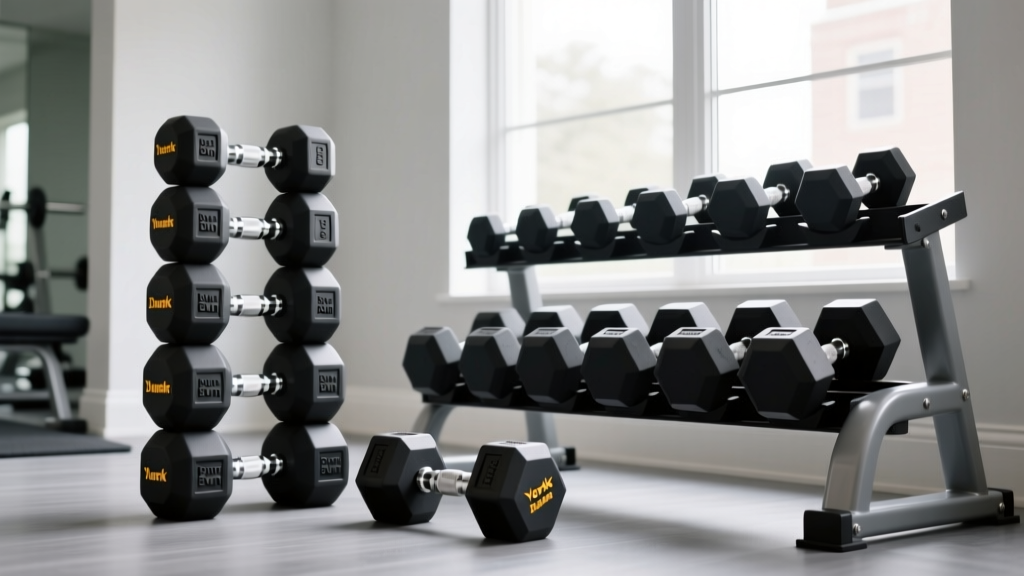
York Bun Dumbbells vs Rubber Hex: Urethane Space Guide
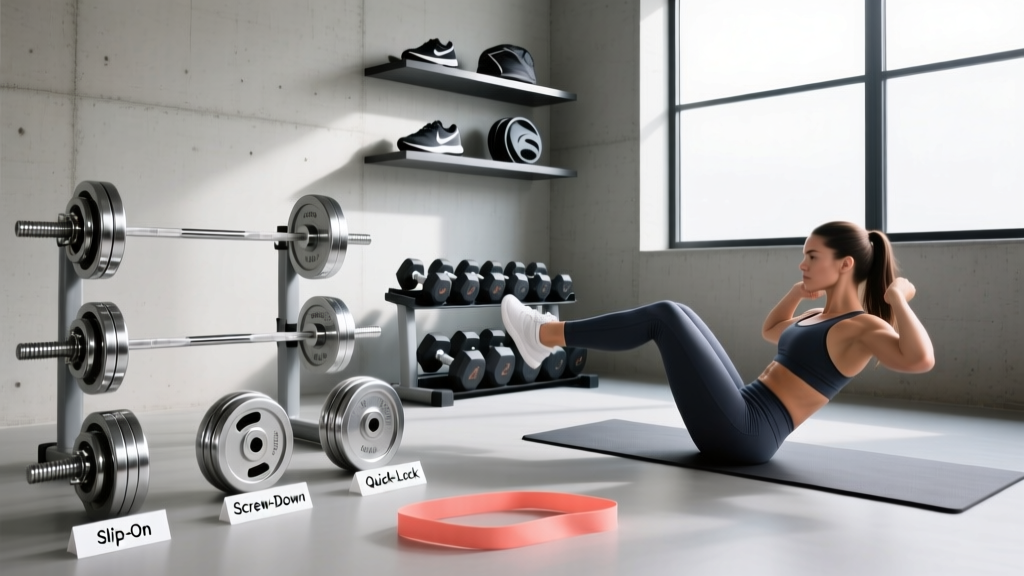
Barbell Collar Types Comparison & Lower Ab Workout with Dumbbells

Urethane vs Rubber Hex Dumbbells for the Close Dumbbell Chest Press

Dumbbell Routines at Home: Troubleshooting Neoprene Weight Mistakes
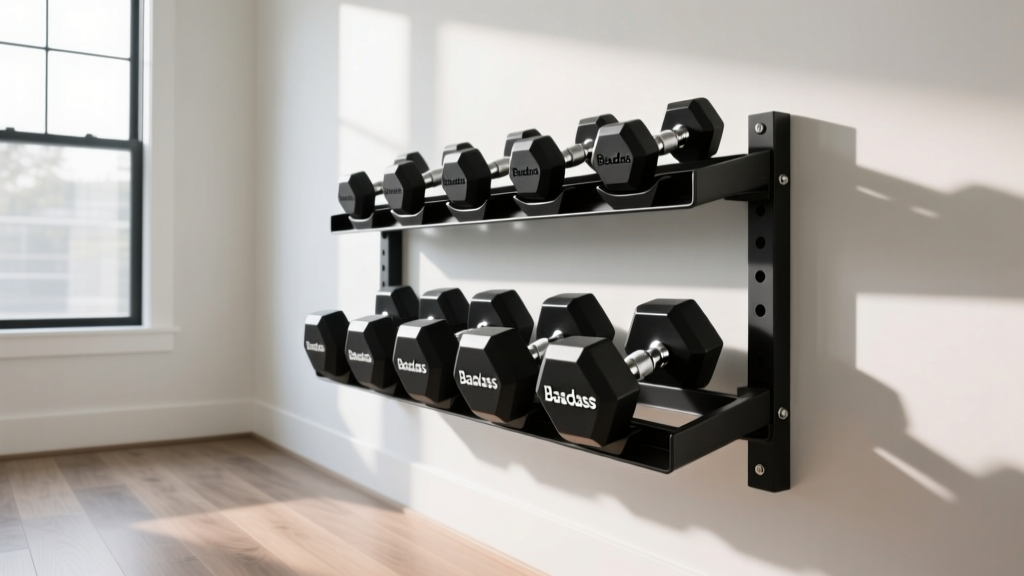
Space-Saving Racks to Organize Your Baadass Dumbbells
