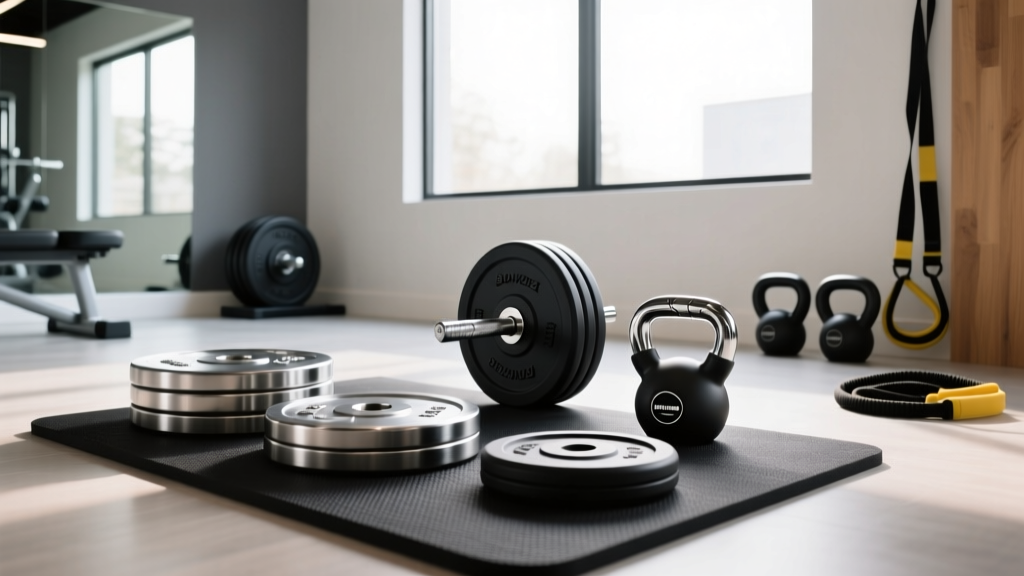
Olympic vs Standard Plates: Avoiding Bowflex Dumbbell Recall Failures
Compare Olympic vs standard weight plates and troubleshoot common home gym gear mistakes, drawing safety lessons from the infamous Bowflex dumbbell recall.

The Adjustable Gear Wake-Up Call: Lessons from the Bowflex Dumbbell Recall
For years, home gym owners prioritized space-saving adjustable dumbbells over traditional free weights. That illusion of convenience shattered for many following the widespread Bowflex dumbbell recall. Nautilus, the parent company of Bowflex, was forced to issue recalls and stop-use warnings for hundreds of thousands of SelectTech 552 and 1090 adjustable dumbbells. The primary failure mode? The plastic dial mechanisms and internal handle locking tabs would degrade or snap under stress, causing the heavy iron weight stacks to detach and fall directly onto users' feet and floors. According to the U.S. Consumer Product Safety Commission (CPSC), this posed a severe fall and impact injury hazard.
This high-profile mechanical failure served as a massive wake-up call for the fitness community. When complex, plastic-dependent adjustable gear fails, lifters inevitably pivot back to the ultimate gold standard of reliability: solid iron and steel plate-loaded equipment. However, this migration often leads buyers straight into a new trap—the confusing and often poorly understood debate between Olympic vs standard weight plates. If you are troubleshooting your home gym setup and looking to avoid the catastrophic equipment failures seen in the adjustable dumbbell market, understanding the structural realities of weight plates is your first line of defense.
Olympic vs Standard Weight Plates: The Core Specifications
Before troubleshooting common purchasing mistakes, we must establish the fundamental engineering differences between the two plate categories. The distinction is not just about the size of the hole; it dictates the entire load-bearing ecosystem of your gym.
| Feature | Standard Weight Plates | Olympic Weight Plates |
|---|---|---|
| Hole Diameter | 1 inch (25mm) | 2 inches (50mm) |
| Barbell Sleeve Compatibility | 1-inch solid, non-rotating ends | 2-inch rotating sleeves (bushings/bearings) |
| Max Load Capacity | 200 - 300 lbs (bar limits) | 500 - 1,500+ lbs |
| 45lb Plate Diameter | Varies wildly (12 to 15 inches) | Standardized 17.7 inches (450mm) |
| Average Cost Per Pound | $1.00 - $1.50 | $1.50 - $3.50+ |
| Primary Use Case | Light isolation, beginner kits | Heavy compounding lifting, Olympic lifting, powerlifting |
Troubleshooting Mistake #1: Overloading Standard 1-Inch Bars
The most dangerous mistake home gym owners make is attempting to use standard weight plates for heavy, progressive compound lifts like squats and deadlifts. Standard 1-inch barbells are typically manufactured from lower-grade, cold-rolled steel with a low yield strength. Once you load a standard barbell past 200 to 250 pounds, the metal will physically bend and permanently deform. Furthermore, standard bars lack rotating sleeves. When you perform dynamic movements like power cleans or even heavy bicep curls, the torque generated by the plates transfers directly into your wrists and elbows because the plates cannot spin independently of the bar shaft.
The Fix: If your training involves lifting over 150 pounds or executing any explosive movements, abandon standard plates immediately. Invest in an Olympic barbell with a tensile strength of at least 190,000 PSI and pair it with 2-inch Olympic plates. As noted in comprehensive equipment guides by Garage Gym Reviews, the 2-inch Olympic standard is the universal language of serious strength training, ensuring compatibility with commercial-grade racks, safety spotter arms, and heavy-duty bench presses.
Troubleshooting Mistake #2: Ignoring Plate Diameter Standardization
Imagine setting up for a heavy deadlift. You load a standard barbell with 45-pound standard plates on one side, and a mix of 25-pound and 10-pound standard plates on the other. Because standard plates are not governed by international weightlifting federations, a 45-pound standard plate might have a diameter of 14 inches, while the combined 25s and 10s might only reach 12 inches. When you pull the bar off the floor, the smaller plates won't even touch the ground, throwing off your center of gravity and risking a severe lower back injury.
Olympic plates, conversely, adhere to strict International Weightlifting Federation (IWF) and International Powerlifting Federation (IPF) specifications. A 45lb (20kg) Olympic plate will always have a diameter of 17.7 inches (450mm). This standardization ensures that no matter how you load the bar, the starting height of the barbell off the floor remains consistent, which is critical for troubleshooting deadlift mechanics and ensuring safe floor presses.
Material Troubleshooting: Cast Iron vs. Urethane vs. Bumper Plates
Once you commit to the Olympic ecosystem, you must choose the right material. The wrong choice here leads to cracked floors, ruined equipment, and premature degradation.
- Cast Iron Plates: The most economical and traditional option. They are incredibly durable and offer the thinnest profile, allowing you to load maximum weight onto the barbell sleeve. Troubleshooting Tip: Never drop cast iron plates from overhead or shoulder height. The brittle nature of high-carbon cast iron means a direct drop onto concrete will shatter the plate and potentially crack your foundation.
- Urethane-Coated Plates: Premium commercial gym staples. Urethane is vastly superior to cheap rubber because it does not off-gas (meaning it won't make your garage smell like a tire fire) and it resists UV degradation and scratching. They are virtually indestructible under normal use but come at a premium price point of $2.50 to $4.00 per pound.
- Bumper Plates (Rubber): Essential for Olympic weightlifting, CrossFit, and any training where the barbell is dropped from overhead. Bumpers are rated by Shore A Durometer (hardness). A dead-bounce bumper (usually 85-90 Shore A) is critical for safety, as highly elastic bumpers can bounce back up and strike the lifter. According to equipment analysts at BarBend, matching the durometer to your flooring and drop-frequency is vital for long-term joint and floor preservation.
⚠️ Warning: The 'Mixed Plate' Drop Hazard
A common troubleshooting nightmare occurs when lifters mix iron plates and bumper plates on the same barbell, then drop the weight. The bumper plate is designed to absorb and disperse impact. The cast iron plate is not. If an iron plate is placed on the outside of a bumper plate, the iron takes the initial shock of the drop, which will instantly crack the iron or bend the barbell sleeve. Always ensure bumpers are on the outside, or better yet, do not mix materials for heavy drops.
Decision Framework: Escaping the Adjustable Dumbbell Trap
The Bowflex dumbbell recall highlighted a harsh reality: moving parts break. Plastic dials snap. Internal locking pins wear down. When you are troubleshooting how to allocate your home gym budget in 2026 and beyond, apply this decision framework to avoid buyer's remorse:
- Assess Your Space vs. Safety Tolerance: If you live in a small apartment and cannot store a full rack of fixed hex dumbbells or Olympic plates, adjustable dumbbells are a necessary compromise. However, treat them like glass. Never drop them, never adjust them while holding them in the air, and inspect the dial mechanisms monthly for micro-fractures.
- Prioritize Plate-Loaded Versatility: If you have a garage or dedicated room, an Olympic barbell and a set of iron Olympic plates (10s, 25s, 45s) will outlive you. There are no plastic gears to strip, no electronic sensors to fail, and no recall notices to worry about.
- Invest in the Sleeves: Do not blow your entire budget on plates and buy a cheap barbell. A high-quality Olympic barbell with bronze bushings or needle bearings is the engine of your gym. The plates are just the fuel.
Frequently Asked Questions
Can I use standard plates on an Olympic barbell?
No. Standard plates have a 1-inch hole and will not fit over the 2-inch sleeves of an Olympic barbell. While you can buy plastic adapter sleeves that slide onto Olympic bars to accept 1-inch plates, these adapters introduce a dangerous amount of slop and lateral movement, making heavy lifting highly unstable and unsafe.
Why did the Bowflex dumbbell recall happen, and are all adjustable dumbbells unsafe?
The Bowflex dumbbell recall was initiated because the specific mechanical locking mechanism and handle retention tabs in certain SelectTech models could fail, causing the weight stack to separate from the handle. Not all adjustable dumbbells are unsafe; brands that utilize solid steel twist-lock handles or heavy-duty selector pins (like PowerBlock or Ironmaster) generally avoid the plastic dial failure points that plagued the recalled models. However, solid iron plates remain the only 100% failure-proof option.
How do I stop my cast iron Olympic plates from rusting?
Cast iron is highly susceptible to oxidation, especially in humid garages. To troubleshoot and prevent rust, wipe your plates down with a light coat of mineral oil or a dedicated barbell/plate protectant spray once a month. Avoid using WD-40, as it strips away existing protective coatings and attracts dust, creating an abrasive paste that will ruin your barbell sleeves.
More gear to consider
All reviews
Beyond Dumbbell Types: Barbell Collar and Clamp Types Compared
Loadable Dumbbells for Dumbbell Neck Exercises: 2026 Review

Barbell Collar Guide: Safety for Dumbbell Exercise for Hamstrings

Budget Dumbbell Racks for a Women's Dumbbell Arm Workout Guide
Compact Gym Layouts: Loadable Dumbbells and Dumbbell Reverse Flyes
