
Adjustable Dumbbell Review: Setup for Chest Exercise with Dumbbells
Compare top adjustable dumbbells and learn the complete setup walkthrough to safely perform any chest exercise with dumbbells in your home gym.

The Biomechanical Demand of the Chest Exercise with Dumbbells
Designing a home gym around a primary chest exercise with dumbbells requires more than just buying a bench and a set of weights. Unlike fixed barbells, dumbbells demand independent stabilization, engaging the pectoralis major, anterior deltoids, and triceps brachii through a deeper range of motion. According to ExRx.net's biomechanical breakdown of the dumbbell bench press, the transverse adduction required during the concentric phase places unique torque on the shoulder joint, making the physical dimensions and grip geometry of your adjustable dumbbells critical to your setup.
When utilizing adjustable dumbbells, the bulkiness of the weight trays and the handle length can interfere with the natural arc of a chest flye or the lockout of a heavy press. This comprehensive 2026 review and installation walkthrough will guide you through selecting the right adjustable model and setting up your physical space to ensure safety, ergonomic efficiency, and equipment longevity.
2026 Adjustable Dumbbell Comparison Matrix
The market has stabilized in 2026, with three primary contenders dominating the premium adjustable dumbbell space. Below is a comparison tailored specifically to how each model performs during pressing and flye movements.
| Model | 2026 Retail Price | Handle Length | Adjustment Mechanism | Chest Press Suitability |
|---|---|---|---|---|
| Nuobell 80lb | $429 | 15.7 inches | Rotating Handle Dial | Excellent (Traditional feel) |
| Bowflex SelectTech 552 | $399 | 16.9 inches | Edge Dial | Good (Bulky ends may clash) |
| PowerBlock Elite USA | $349 | 12.0 inches (Cage) | Pin & Lever | Fair (Blocky cage limits ROM) |
Nuobell 80lb: The Biomechanics Favorite
The Nuobell 80lb set remains the gold standard for exercises requiring a natural range of motion. Because the handle rotates to adjust the weight, the physical footprint of the dumbbell shrinks and expands exactly like a traditional iron dumbbell. During a chest exercise with dumbbells, such as the incline press, the 15.7-inch maximum length allows your hands to come together at the top of the movement without the weight housings colliding. The knurled steel handle provides a secure grip even when sweat accumulates during high-volume hypertrophy blocks.
Bowflex SelectTech 552: The Space-Saver with Caveats
Bowflex continues to be a household name, but its 16.9-inch fixed length housing presents a specific mechanical interference for chest work. When performing dumbbell flyes or bringing the weights together at the apex of a squeeze press, the bulky plastic end-caps will collide before your pectorals achieve full contraction. However, for standard flat bench pressing where the weights remain shoulder-width apart, the Bowflex 552 is highly reliable, provided the edge dials are fully seated before lifting.
PowerBlock Elite USA: The Indestructible Cage
PowerBlock's welded steel cage design makes it the most durable option on the market, virtually impervious to the minor bumps and scuffs of a busy garage gym. However, the enclosed cage restricts wrist extension and can feel claustrophobic during deep stretch movements like dumbbell pullovers or deep chest flyes. It is best suited for users who prioritize heavy, low-rep floor presses or partial-range presses over expansive stretch-mediated hypertrophy work.
⚠ CRITICAL SAFETY WARNING: Never drop adjustable dumbbells. Unlike solid cast iron or rubber bumper plates, adjustable models contain intricate internal locking pins, gears, and plastic housings. Dropping a Nuobell or Bowflex dumbbell from the top of a chest press will instantly shatter the dial mechanism, voiding the warranty and rendering the equipment useless. Always control the eccentric phase and place them gently back on the rack or bench.Complete Setup and Installation Walkthrough
Proper installation of your adjustable dumbbell station is paramount. Mayo Clinic's guidelines on safe strength training setups emphasize that environmental preparation prevents the majority of lumbar and rotator cuff injuries. Follow this step-by-step walkthrough to configure your space.
Step 1: Base Station and Floor Preparation
- Matting: Install 3/4-inch thick vulcanized rubber horse stall mats beneath your bench area. Adjustable dumbbell trays require a perfectly level surface; uneven flooring can cause the internal weight plates to misalign, resulting in a jammed dial.
- Tray Placement: Position the dumbbell base trays at least 30 inches apart. This ensures you have adequate lateral clearance to walk between them without kicking the trays, which could accidentally shift the weight selection dials.
Step 2: Ergonomic Bench Alignment
The most common failure point in home gym setups is picking heavy adjustable dumbbells off the floor or a low tray, which places immense shear force on the lumbar spine before you even begin your set.
- Elevated Rack Integration: If your adjustable dumbbells did not come with an elevated stand, purchase a universal dumbbell rack that positions the trays at roughly 28 to 32 inches off the floor (waist height).
- Bench Proximity: Position your adjustable FID (Flat/Incline/Decline) bench exactly 12 inches in front of the dumbbell tray. This allows you to sit on the edge of the bench, hinge at the hips with a neutral spine, grasp the dumbbells, and use a leg-kick technique to safely transition into the supine position for your chest exercise with dumbbells.
Step 3: Clearance and Safety Testing
Before loading your first working set, perform a dry-run clearance test. Lie flat on the bench with the dumbbells set to their maximum physical extension (e.g., 80lbs on the Nuobell). Slowly lower the weights into the deepest stretch position of a chest flye. Ensure the bottom plates of the dumbbells do not scrape against the bench pad or the uprights of your power rack. If clearance is less than 2 inches, you must widen your bench stance or adjust the bench height.
Maintenance and Failure Mode Prevention
Adjustable dumbbells require specific maintenance routines to ensure the internal selector pins engage safely. A failure to engage a pin during a heavy incline press can result in a 40lb weight plate detaching mid-rep.
"The number one cause of adjustable dumbbell failure is the introduction of chalk dust and sweat into the dial mechanism. Wipe down the handles and housings with a microfiber cloth after every session, and never use liquid chalk near the selector dials." — FitGearPulse Equipment Maintenance Protocol, 2026
Monthly Calibration Checklist
- Visual Inspection: Check the housing for micro-fractures, specifically around the dial windows.
- Auditory Click Test: Rotate the dials through all weight increments. You should hear a distinct mechanical 'click' at every 5lb or 10lb interval. If a click feels mushy, the internal O-ring may require silicone lubrication.
- Clear Debris: Use compressed air to blow out any dust that has settled into the base tray tracks, ensuring the dumbbells seat perfectly flush when returned to the cradle.
Frequently Asked Questions
Can I use adjustable dumbbells for heavy chest flyes?
Yes, but you must respect the mechanical limits. Because adjustable dumbbells are longer and bulkier than fixed iron dumbbells, your range of motion at the bottom of the flye may be slightly restricted by the handles touching your torso or the bench. The Nuobell is the preferred choice here due to its tapered, traditional profile.
What bench angle is best for adjustable dumbbells?
For an upper-chest bias incline press, set your FID bench to 30 degrees. Higher angles (45+ degrees) shift the load heavily onto the anterior deltoids and increase the risk of the bulky adjustable housings hitting your wrists or shoulders during the descent.
How do I safely exit a heavy chest press with adjustable dumbbells?
Never attempt to sit straight up while holding heavy adjustable dumbbells; this can damage the internal locking pins and injure your lower back. Bring the dumbbells to your chest, tuck your chin, and roll backward onto your glutes, using the momentum to bring the weights safely to your thighs before standing up.
More gear to consider
All reviews
Best Adjustable Dumbbells for a Beginner Dumbbell Leg Workout Routine
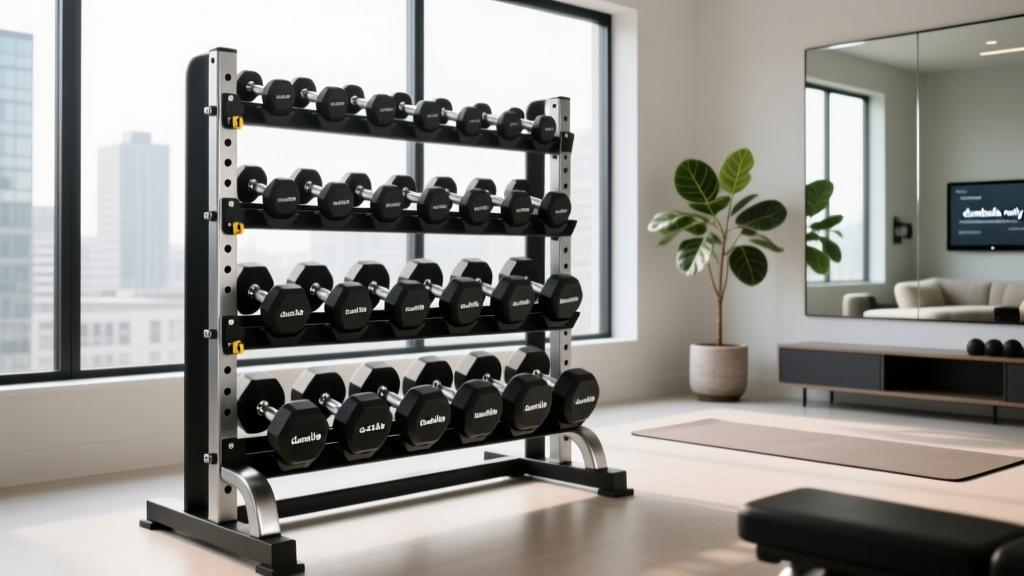
Dumbbell Rack Trends 2026: Fueling the Dumbbells Only Workout Boom

Bumper vs Iron Plates: Best Gear for Trapezius Dumbbell Shrugs
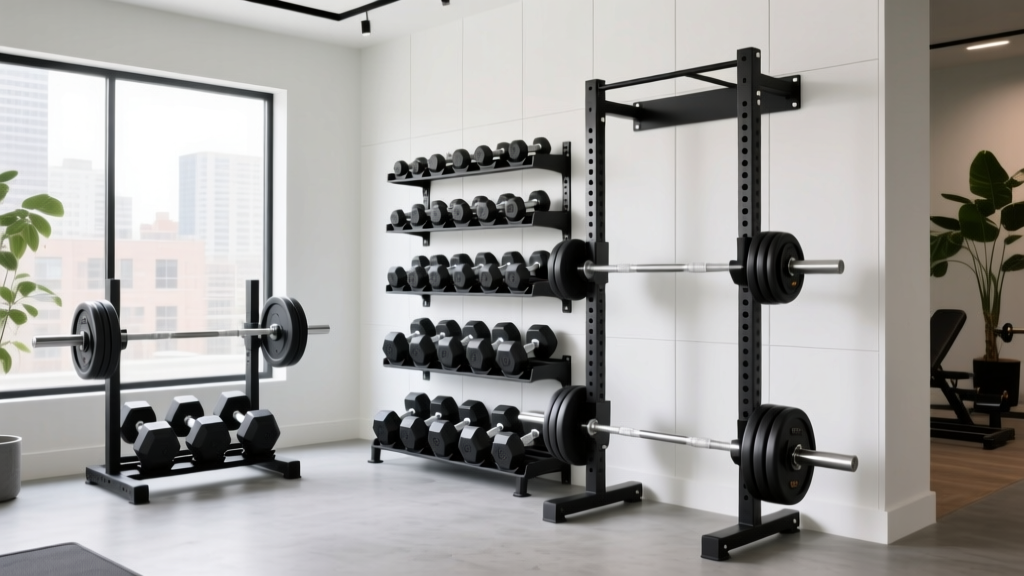
2026 Market Trends: Storage Racks for Dumbbells and Barbells

Lifting Dumbbells Everyday: Adjustable Dumbbell Setup & 2026 Review
